Quick answer
Start with a base coat of Deep Khaki Drill, then apply a wash for shadows, highlight with a lighter khaki, and finish with dry pigments for a dusty field look.
Why Accuracy Matters for Historical Miniatures
Painting historical miniatures requires attention to uniform colors that match real-world references. The Deep Khaki Drill shade was standard for British 8th Army uniforms in North Africa during WWII. Using a historian-approved paint ensures your miniature looks authentic on the tabletop or in a display case.
The Warpaints Historical range is the first-ever historian-approved miniature paint line, so you can trust the color accuracy without mixing your own formulas. This guide focuses on achieving a realistic worn-in look rather than a flat, toy-like finish.
What You'll Need Beyond the Paint
In addition to your Deep Khaki Drill base, have a lighter khaki or buff for highlights, a brown or sepia wash for recess shading, and a matte varnish to protect the finish. A small drybrush and a fine detail brush will help with the highlighting step.
Optional: a weathering powder or pigment in a dusty sand color to simulate the desert environment. This adds realism without extra painting steps.
Step-by-Step Painting Guide
- 1. Prime and Base Coat: Prime the miniature with a light gray or sand-colored spray primer. Once dry, apply an even base coat of Deep Khaki Drill to all uniform areas. Thin the paint slightly with water to avoid obscuring detail. Common mistake: applying the base coat too thickly, which hides fabric folds. Two thin coats are better than one thick one.
- 2. Apply a Wash for Shadows: Use a brown or sepia wash (or a thinned dark brown paint) to flow into the recesses of the uniform—under collars, in sleeve creases, and around equipment straps. Let it dry completely before moving on. Checkpoint: if the wash pools on flat surfaces, wick away the excess with a clean brush to avoid tide marks.
- 3. Highlight the Raised Areas: Mix a small amount of a lighter khaki or buff with your Deep Khaki Drill. Use a fine brush to paint the raised folds, shoulder tops, and knee areas. For a faster approach, drybrush the same mixture lightly over the entire uniform. Common mistake: over-highlighting, which makes the uniform look cartoonish. Keep highlights subtle and focused on the highest points.
- 4. Add Dust and Weathering (Optional): Lightly apply a sand-colored weathering powder or pigment to the lower legs, boots, and around the hem of the uniform. This simulates the dusty North African environment. Seal with matte varnish once satisfied. Checkpoint: less is more with pigments. You can always add more, but removing excess is difficult. Tap off the brush before applying.
Product used in this guide
-
Historical: Deep Khaki Drill: History’s Seal of Approval: Warpaints Historical is a revolutionary new range designed for historical gaming and collecting, delivering a level of accuracy never before seen in wargaming. These are the world's first-ever historian-approved miniature paints. You can paint your 8th Army figures with confidence knowing the Deep Khaki Drill shade matches period-correct references, saving you time on color mixing and research.
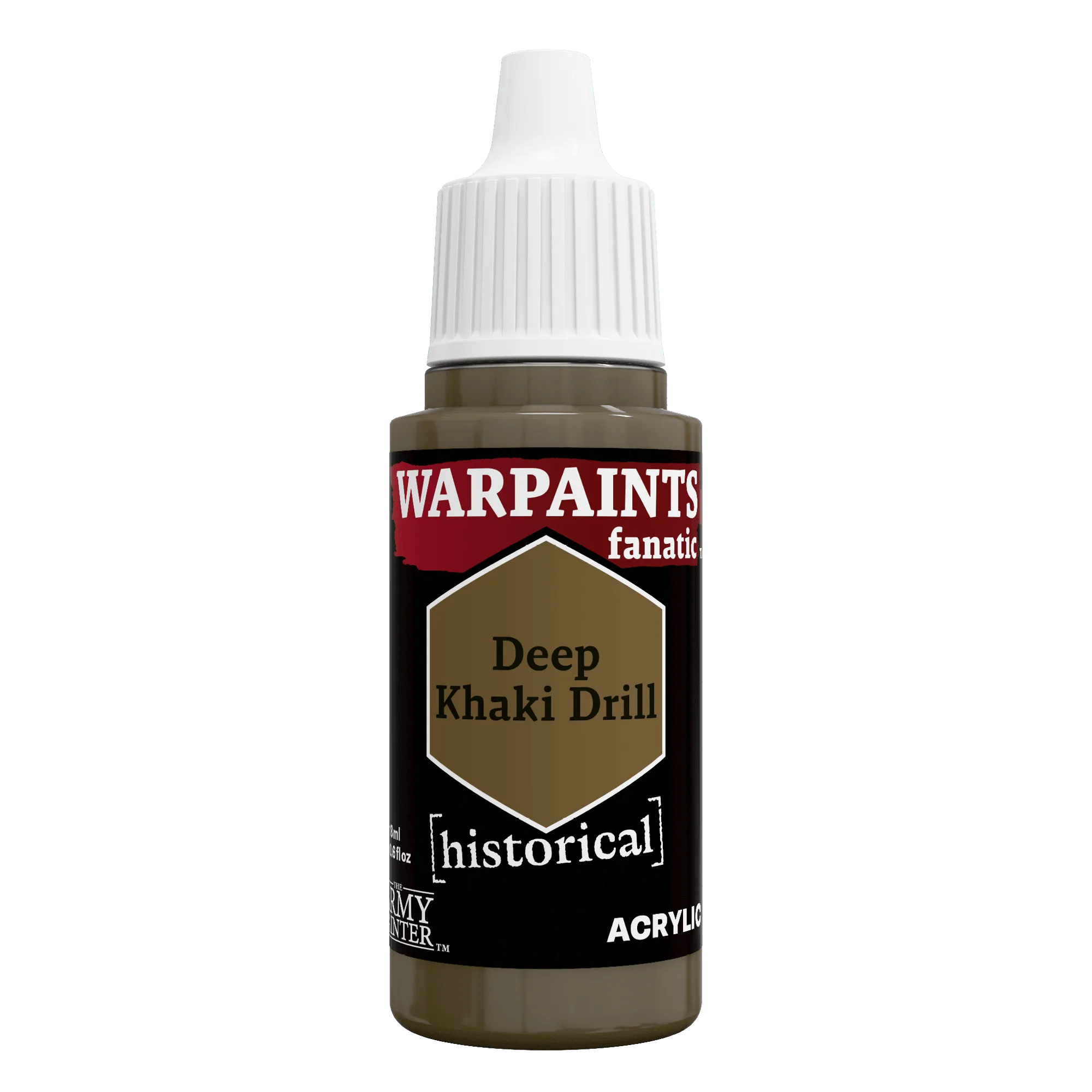
Historical: Deep Khaki Drill