Why Beigeing Works for a Warm Neutral Room
Beigeing by Clare is a fresh, modern beige hue with subtle reddish undertones. This makes it a strong choice for a warm neutral look that feels sophisticated and welcoming rather than flat or cold. The color pairs well with a variety of complementary paint shades, giving you flexibility in room design.
What Beigeing Offers
-
Beigeing: Beigeing by Clare delivers a fresh, modern beige hue with subtle reddish undertones, creating a sophisticated and welcoming atmosphere in any room. The reddish undertone adds warmth that a plain beige or greige might lack, making the room feel cozy without being dark.
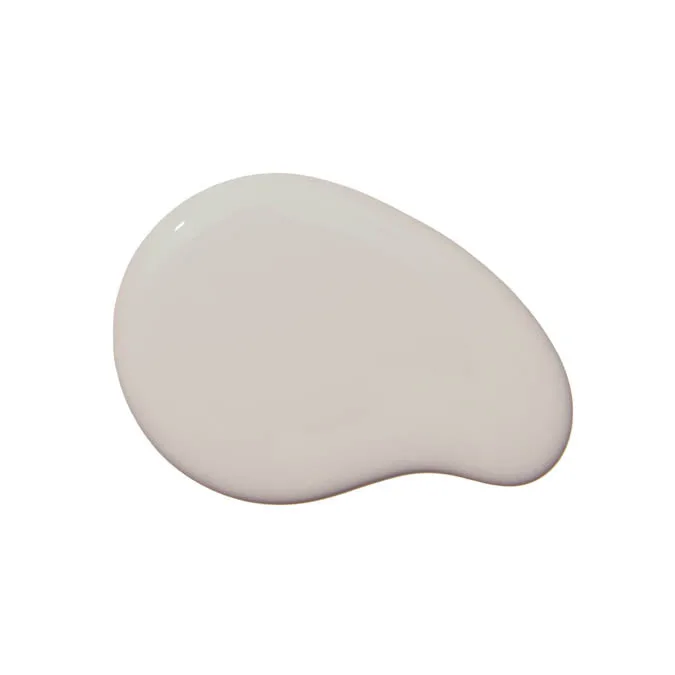
Beigeing
-
Beigeing: Available in a one-gallon container for easy project planning. Wall paint option features an eggshell finish for a soft, low-sheen look. Trim paint option offers a semi-gloss finish that highlights details with a subtle shine. You can use the same color for both walls and trim, but choose different finishes to give architectural details a slight contrast.
-
Beigeing: Formulated for smooth application and even coverage on standard interior surfaces. A smooth, even coat is important for a neutral wall color because any patchiness or brush marks become more visible in a solid, light color.
Step-by-Step: Painting a Room with Beigeing
These steps assume you have prepared the room (moving furniture, taping edges, and priming if needed). Beigeing is designed for interior walls and trim, and the same color can be used throughout the room.
- Choose your finish for walls and trim: Beigeing comes in two finishes: eggshell for walls (soft, low-sheen) and semi-gloss for trim (subtle shine). If you want a cohesive look, use eggshell on walls and semi-gloss on baseboards, window frames, and doors. The slight sheen difference will subtly highlight the trim without changing the color.
- Stir the paint thoroughly: Since Beigeing has subtle reddish undertones, stir the gallon well before use to ensure the pigment is evenly distributed. This prevents color variation across coats.
- Apply the first coat on walls: Use a roller for large wall areas and a brush for edges and corners. The eggshell finish is formulated for smooth application, so work in manageable sections to maintain a wet edge and avoid lap marks.
- Let the first coat dry completely: Follow the drying time on the can (not supplied here, but typical for interior latex paints). Do not rush to the second coat; a dry first coat gives better coverage.
- Apply a second coat on walls: A second coat ensures even color, especially with a light neutral like Beigeing. Check for any thin spots or roller texture before moving to trim.
- Paint the trim with semi-gloss Beigeing: Use a high-quality angled brush for trim. The semi-gloss finish dries with a subtle shine that catches light, making the trim stand out against the eggshell walls. Apply two thin coats for best results.
How Beigeing Complements Other Colors
Beigeing pairs well with a variety of complementary paint shades, according to the supplied information. This means you can use it as a base for warm whites, soft browns, or even muted greens and blues. For a warm neutral room, consider keeping trim and ceiling in a lighter shade (like a warm white) and using Beigeing on the walls for a grounded, cozy feel.
What the Supplied Information Does Not Cover
The product record does not include specific instructions for surface preparation, drying times, or number of coats needed for different surfaces. It also does not specify whether Beigeing is self-priming or requires a separate primer. For best results, follow general best practices for interior painting: clean and patch walls, use a quality primer if changing from a dark color, and allow adequate drying time between coats.