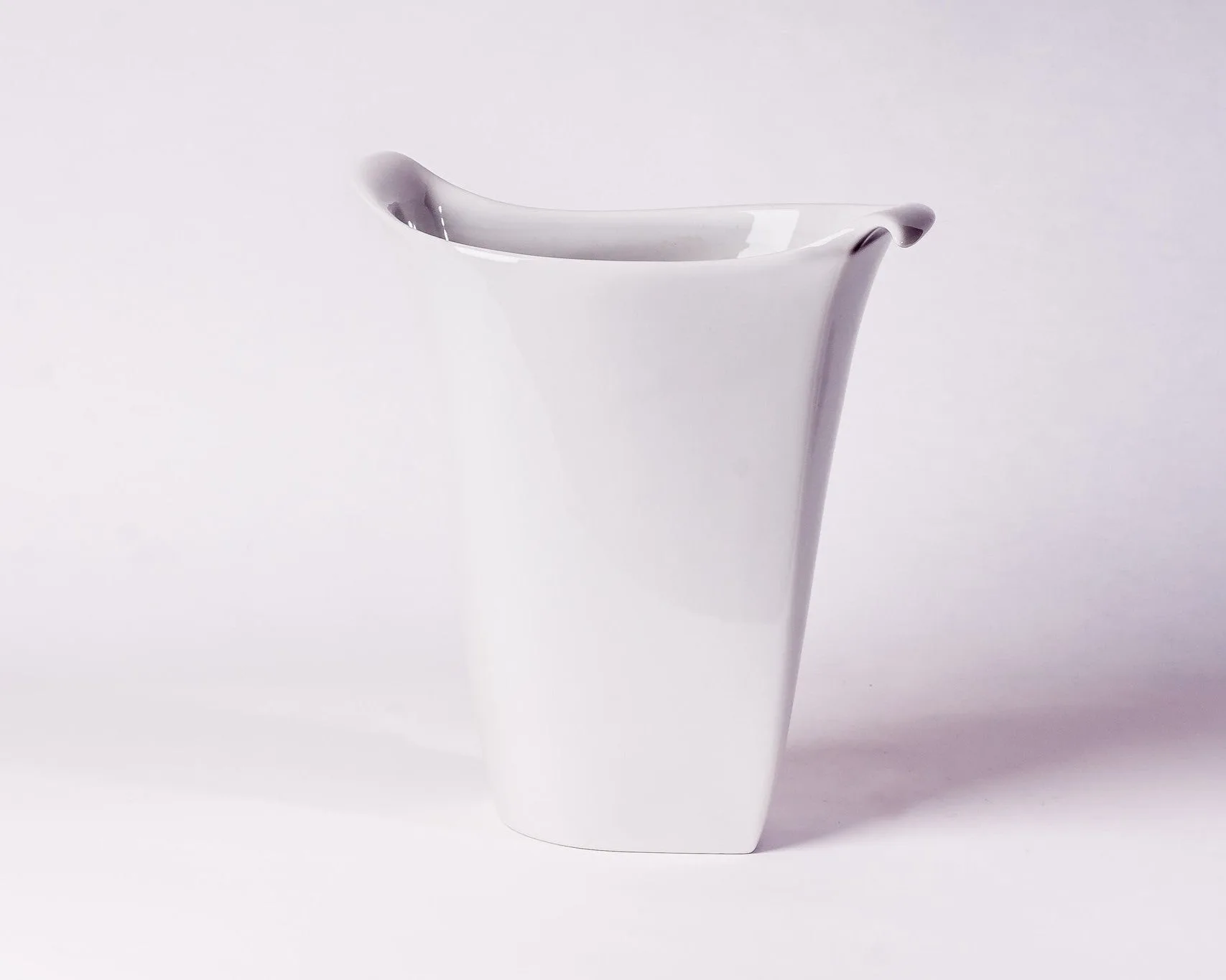
Quick answer
Pair an Alessi vase with seasonal decor by treating it as a flexible anchor rather than a themed prop. Choose one vase, one seasonal accent and one neutral base, then adjust only the accent as the season changes. This keeps the designer piece visible and avoids a cluttered display.
Start with the vase, not the season
Before you buy a single seasonal accessory, decide which Alessi vase will stay on display all year. A sculptural or character-led piece, such as a hand-decorated porcelain figurine from the Natale collection, reads as a focal object even when it is empty. A smaller, simpler vase works better in a grouped arrangement where the seasonal elements carry more visual weight. If you already own a vase, place it on the surface first and look at it for a day before adding anything else. This prevents the common mistake of buying decorations that compete with the vase instead of supporting it.
Build a three-layer seasonal base
A reliable seasonal display has three layers: a neutral base, the vase, and one seasonal accent. The neutral base can be a linen runner, a plain tray or a matte surface that does not change with the calendar. The vase sits at the centre or slightly off-centre. The seasonal accent is the only element you swap: dried stems in autumn, evergreen sprigs in winter, blossom in spring. Keep the accent lower than the vase opening so the vase silhouette stays readable. One accent is usually enough; two competing accents are the most common reason a styled shelf starts to look like a shop display.
Match scale and material to the room
Scale matters more than colour matching. A tall vase on a narrow console needs a single long stem or a slim branch, while a low vase on a dining table can take a denser arrangement. Material also guides the pairing: porcelain and ceramic vases sit comfortably with woven textiles, wood and matte ceramics, while glossy finishes look sharper against glass and metal. If your seasonal decor is mostly paper, ribbon and fabric, a hand-decorated porcelain piece adds a durable counterpoint. If your room is already busy, choose a vase with a clean profile and let the seasonal accent do the talking.
Clean and store between seasons
Empty the vase before you store it, and never leave water sitting in it for weeks. For hand-decorated porcelain, dust with a soft dry cloth and avoid abrasive sponges, which can dull painted detail over time. If the vase has held fresh stems, rinse it with lukewarm water and mild soap, then dry it fully inside and out before putting it away. Store it wrapped in tissue or a soft cloth, not in direct contact with other hard objects. This is also the moment to check whether the seasonal accent you used last year still fits the vase; if not, replace the accent rather than the vase.
away
Seasonal vase styling steps
- Choose one vase as the anchor: Pick the Alessi vase that will stay out all year and place it on the surface before adding any seasonal items. Checkpoint: if the vase looks lost or oversized on its own, change the surface or scale before buying decorations.
- Set a neutral base layer: Add a runner, tray or matte surface that does not change with the season, so only one element needs swapping later. Mistake to avoid: a patterned base plus a patterned vase plus a patterned accent leaves no visual resting point.
- Add one seasonal accent: Use dried stems, evergreen sprigs or a single small porcelain figure as the only seasonal element, kept below the vase opening. Checkpoint: step back and confirm the vase is still the first thing you notice.
- Adjust scale, not colour: Change stem height or accent size to suit the room rather than introducing a new colour palette each season. Mistake to avoid: matching every seasonal colour to the vase, which makes the vase look like themed merchandise.
- Clean and store between seasons: Empty water, dust hand-decorated porcelain with a soft dry cloth, and wrap the vase in tissue or soft cloth for storage. Next step: note which accent worked and replace only that piece next year.
Product facts
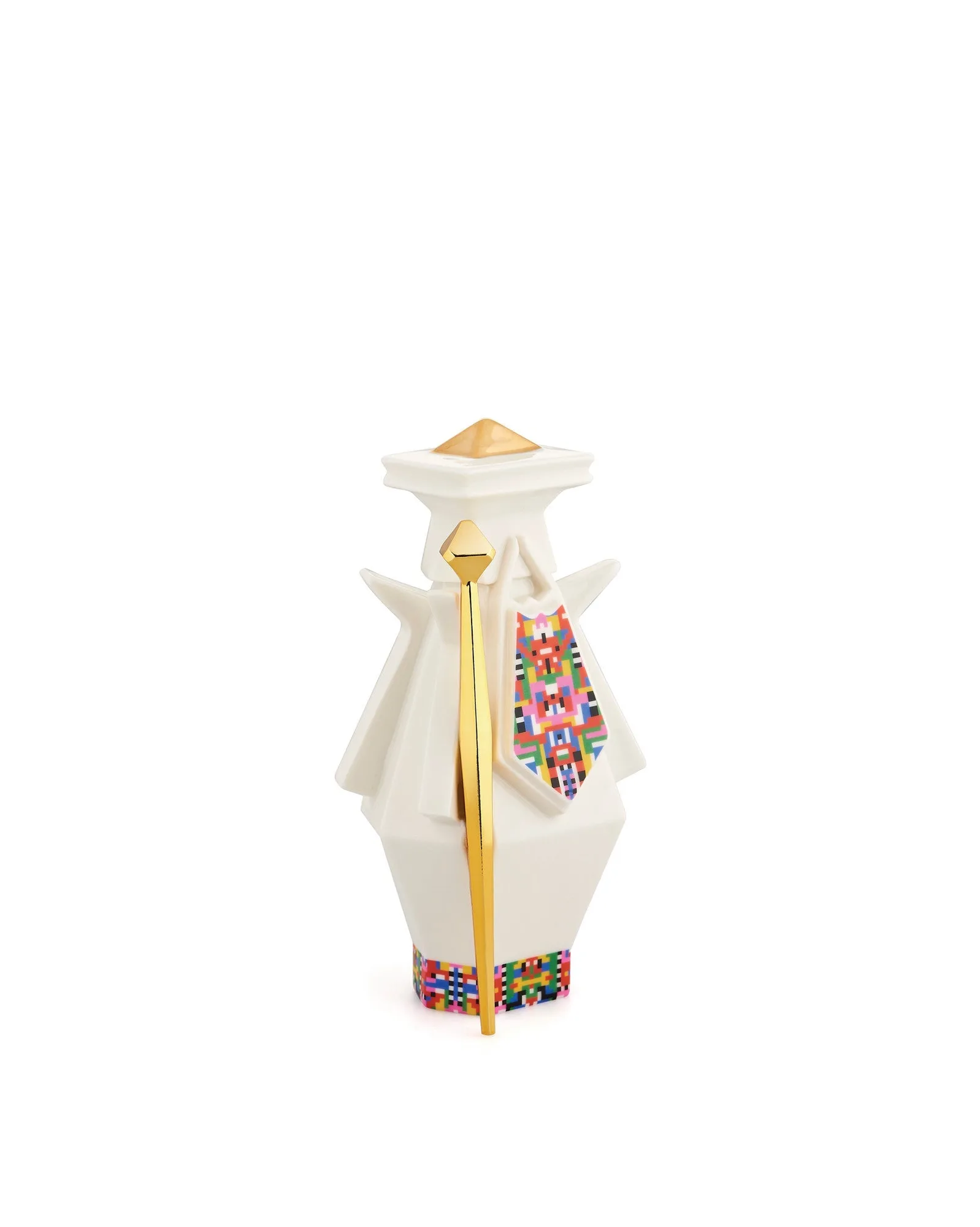
- Holyhedrics Joseph: holyhedrics-163998">holyhedrics-162900">holyhedrics-162789">Holyhedrics Joseph is a hand-decorated porcelain figurine by Elena Salmistraro, reworking the Nativity scene as an artistic composition. Its figurative, hand-decorated surface makes it a year-round focal point, so seasonal accents should stay low and simple around it.
- Delight: Delight is a Christmas bauble collection by Nika Zupanc in white, red and gold, using stripes, diamonds and spots across four designs and two sizes. The mix of patterns and two sizes lets you build a small seasonal cluster without introducing a second colour scheme.
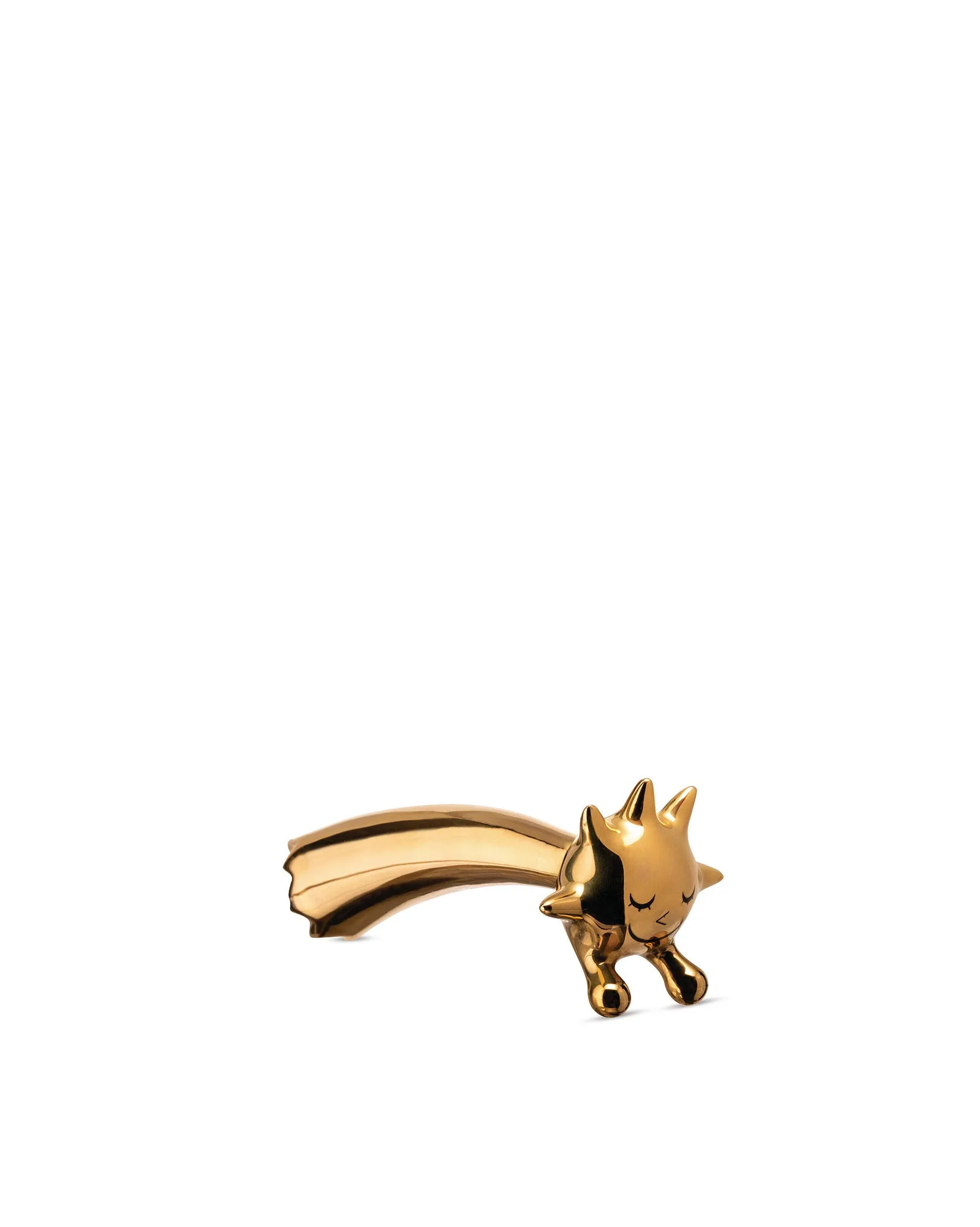
- Stella Stellina: Stella Stellina is a hand-decorated porcelain figurine from the Natale collection, designed by LPWK and Massimo Giacon. A small porcelain figure can sit beside a vase as the single seasonal accent, keeping the arrangement uncluttered.