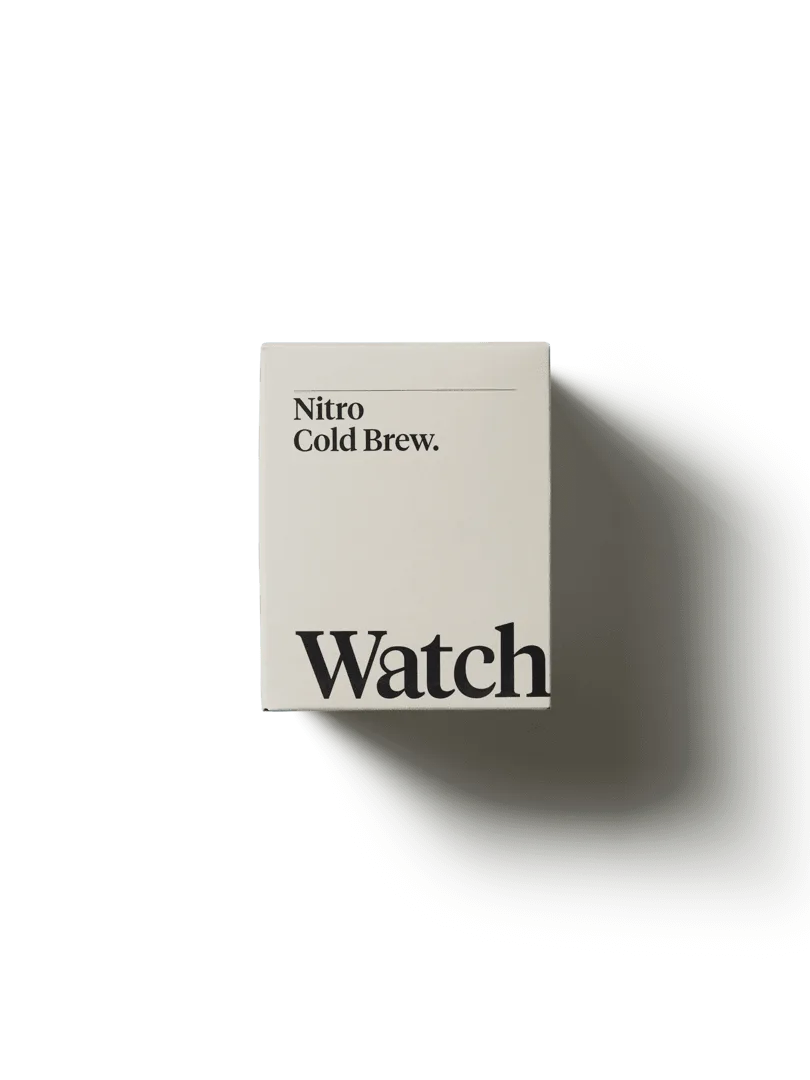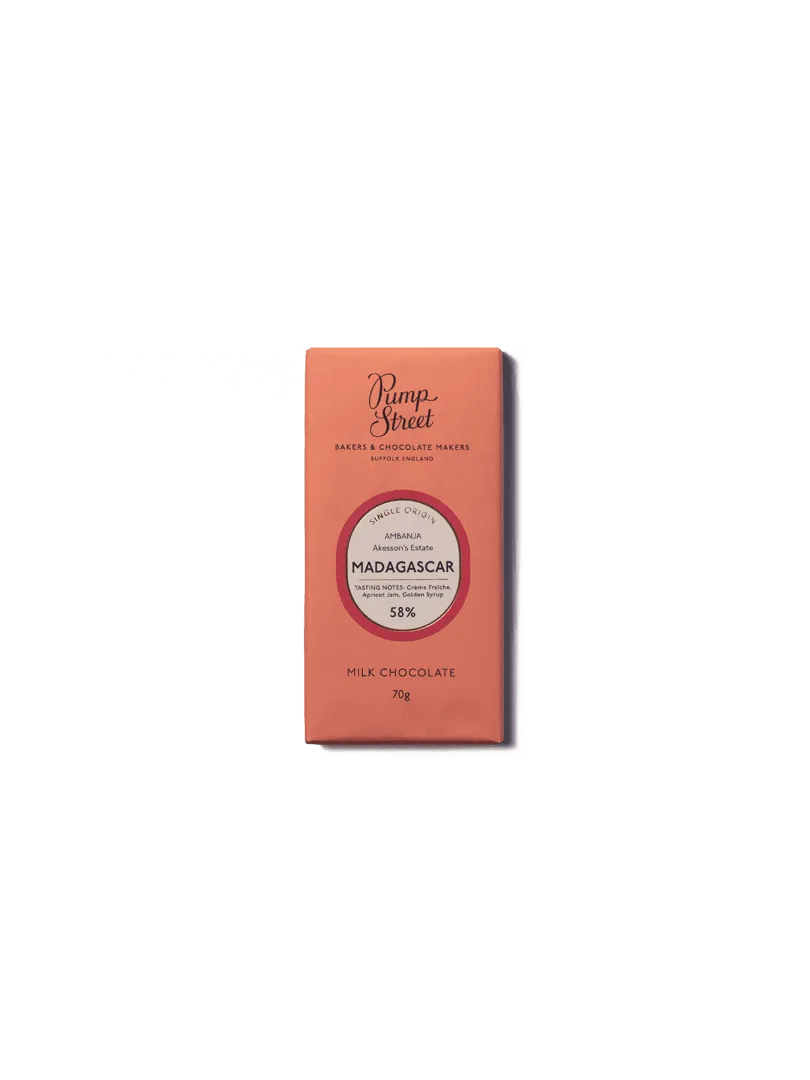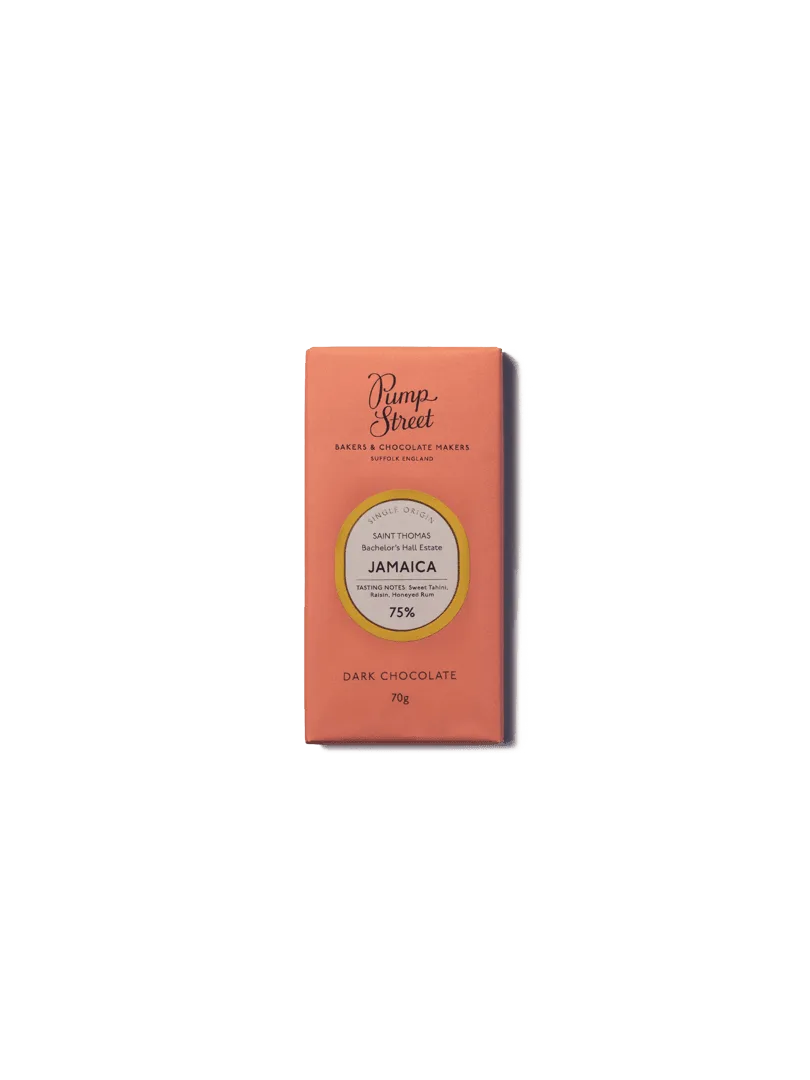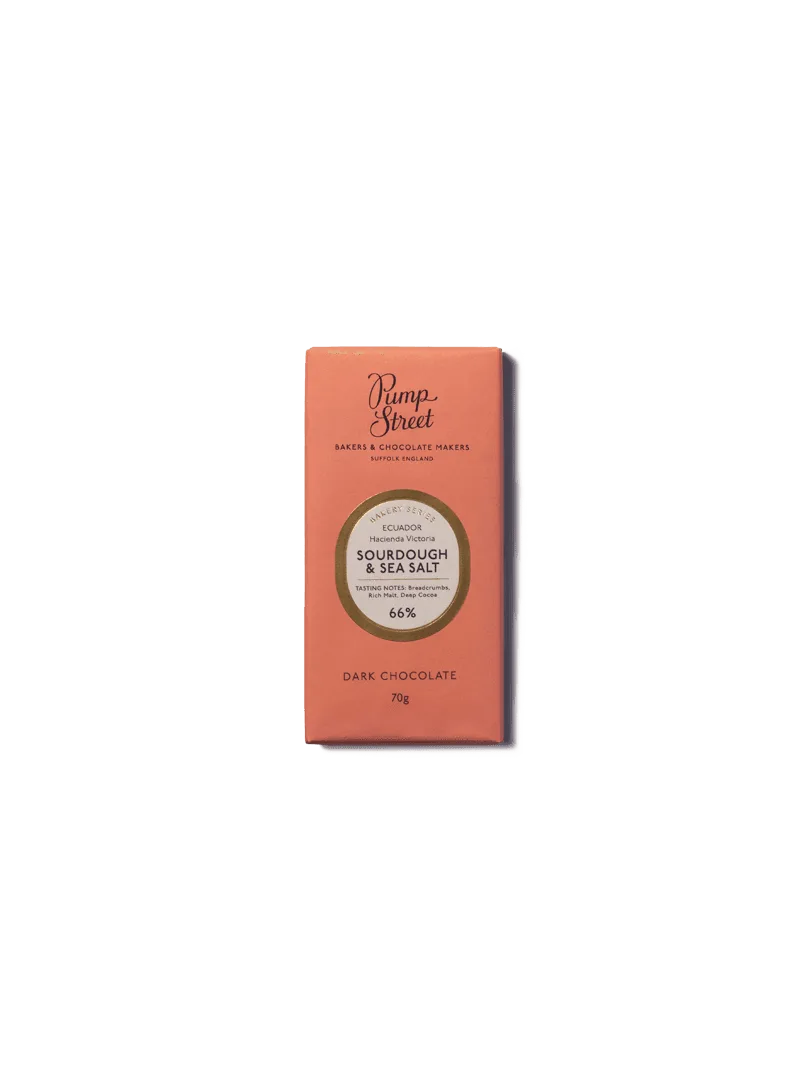
Coffee and chocolate are a match made in heaven. Both are rich in complexity, with layers of flavor that can complement or contrast each other beautifully. Whether you’re a casual sipper or a dedicated connoisseur, understanding how to pair chocolate with coffee can transform your daily ritual into a sensory journey.
In this guide, we’ll walk you through the fundamentals of coffee and chocolate pairing—from flavor profiles to practical tips—so you can craft the perfect combination every time.
Why Coffee and Chocolate Work So Well Together
Coffee and chocolate share a surprising number of flavor compounds, including those that evoke notes of fruit, nut, caramel, and spice. This natural overlap makes them ideal partners. When paired thoughtfully, the right coffee can enhance the sweetness of chocolate, while chocolate can mellow the acidity or bitterness of coffee.
The key lies in balancing intensity. A light, floral coffee might get lost alongside a dark, bitter chocolate, while a bold, smoky roast could overpower a delicate milk chocolate. Understanding these dynamics is the first step to mastering the pairing.
- Look for shared flavor notes (e.g., both have hints of cherry or almond).
- Consider the roast level of the coffee and the cacao percentage of the chocolate.
Understanding Flavor Profiles: Coffee and Chocolate
To pair effectively, you need to recognize the primary flavor families in each. Coffee can be fruity, floral, nutty, chocolaty, spicy, or earthy. Chocolate, on the other hand, ranges from sweet and creamy (milk chocolate) to bitter and intense (dark chocolate with 70%+ cacao). Some chocolates also carry fruit, spice, or even tobacco notes.
A great starting point is to match similar intensity levels. For example, a bright, fruity coffee like a washed Ethiopian pairs wonderfully with a fruity dark chocolate that has berry or citrus undertones. Conversely, a rich, chocolatey coffee—such as a medium roast from Brazil—can be elevated by a simple milk chocolate that lets the coffee’s natural sweetness shine.
- Milk chocolate: best with medium-roast, nutty, or caramel-forward coffees.
- Dark chocolate (50-70%): pairs with balanced, fruity, or spicy coffees.
- Dark chocolate (70%+): matches bold, smoky, or earthy coffees.
Practical Pairing Tips for Beginners
Start simple: choose one coffee and one chocolate, and taste them separately first. Take note of the coffee’s acidity, body, and finish. Then, taste the chocolate, letting it melt slowly on your tongue. Finally, take a sip of coffee while the chocolate is still coating your palate. Notice how the flavors change—sometimes the coffee becomes sweeter, or the chocolate becomes less bitter.
Another approach is to contrast flavors deliberately. A bright, acidic coffee can cut through the creaminess of a milk chocolate, creating a refreshing balance. Or, pair a dark, roasty coffee with a salted caramel chocolate for a sweet-salty-bitter symphony.
- Try a single-origin coffee like Nguvu Washed with a high-quality dark chocolate for a clean, complex experience.
- Use a consistent brewing method—pour-over or French press—to control extraction and taste purity.
Tools and Equipment to Enhance Your Pairing Experience
The right tools can make your pairing sessions more precise and enjoyable. A reliable coffee scale ensures you use the correct coffee-to-water ratio, which directly affects flavor balance. The Acaia Pearl Coffee Scales offer accuracy and a sleek design that fits any countertop. For serving, a stylish vessel like the Kinto Coffee Server keeps your brew at the perfect temperature while you savor each sip.
If you’re into espresso-based pairings, consider the Sibarist Disc 63 FAST for a cleaner, more consistent extraction. And for those who love experimentation, the Aeropress x Sibarist Disc 63 Papers provide a portable, easy-to-use method that highlights delicate flavors in both coffee and chocolate.
- A digital scale helps replicate successful pairings.
- A quality coffee server keeps the brew warm without burning.
- Specialty filters can reduce bitterness, letting chocolate notes shine.
A Simple Pairing Menu to Try at Home
Ready to put theory into practice? Here’s a curated pairing menu that balances intensity and flavor. Start with a light, floral coffee—like a washed Ethiopian—paired with a milk chocolate infused with orange zest. The citrus notes in the chocolate will mirror the coffee’s brightness.
Next, move to a medium-bodied coffee such as a Colombian with caramel and nut notes, paired with a dark chocolate (60-70% cacao) that has a hint of honey. The sweetness of the chocolate will complement the coffee’s natural sugars. Finally, finish with a bold, dark roast—like a Sumatran—alongside a high-percentage dark chocolate (85%+) with a touch of sea salt. The salt will cut the bitterness and enhance the coffee’s earthy depth.
- Start light, end dark to avoid overwhelming your palate.
- Take small sips and bites, and cleanse your palate with water between pairings.
Pairing chocolate with coffee is as much an art as it is a science. With a little practice and the right ingredients, you can unlock new dimensions of flavor in every cup. Explore our curated selection of coffees and accessories to start your pairing journey today—try the Nguvu Washed for a clean, bright foundation that pairs beautifully with a range of chocolates.