Dinner napkins are one of the easiest ways to add personality to your table setting. Whether you're hosting a dinner party or simply upgrading your weeknight meals, the right napkins can tie together your plates, flatware, and glassware into a cohesive look. But with so many colors, patterns, and fabrics available, knowing how to pair them can feel tricky.
The good news is that pairing dinner napkins doesn't require a design degree. With a few simple guidelines, you can create a table that feels intentional and inviting. Below, we'll walk through how to match napkins to your existing tabletop, mix patterns confidently, and use quiet season napkins or bold prints to set the mood.
Start with Your Tablecloth or Placemats
Your tablecloth or placemats set the foundation for your entire table setting. If you're using a patterned cloth like the Tablecloth Reversible Checker, keep your napkins solid or subtly textured to avoid visual chaos. A neutral napkin in white, cream, or soft gray will let the checker pattern shine while still adding a layer of softness.
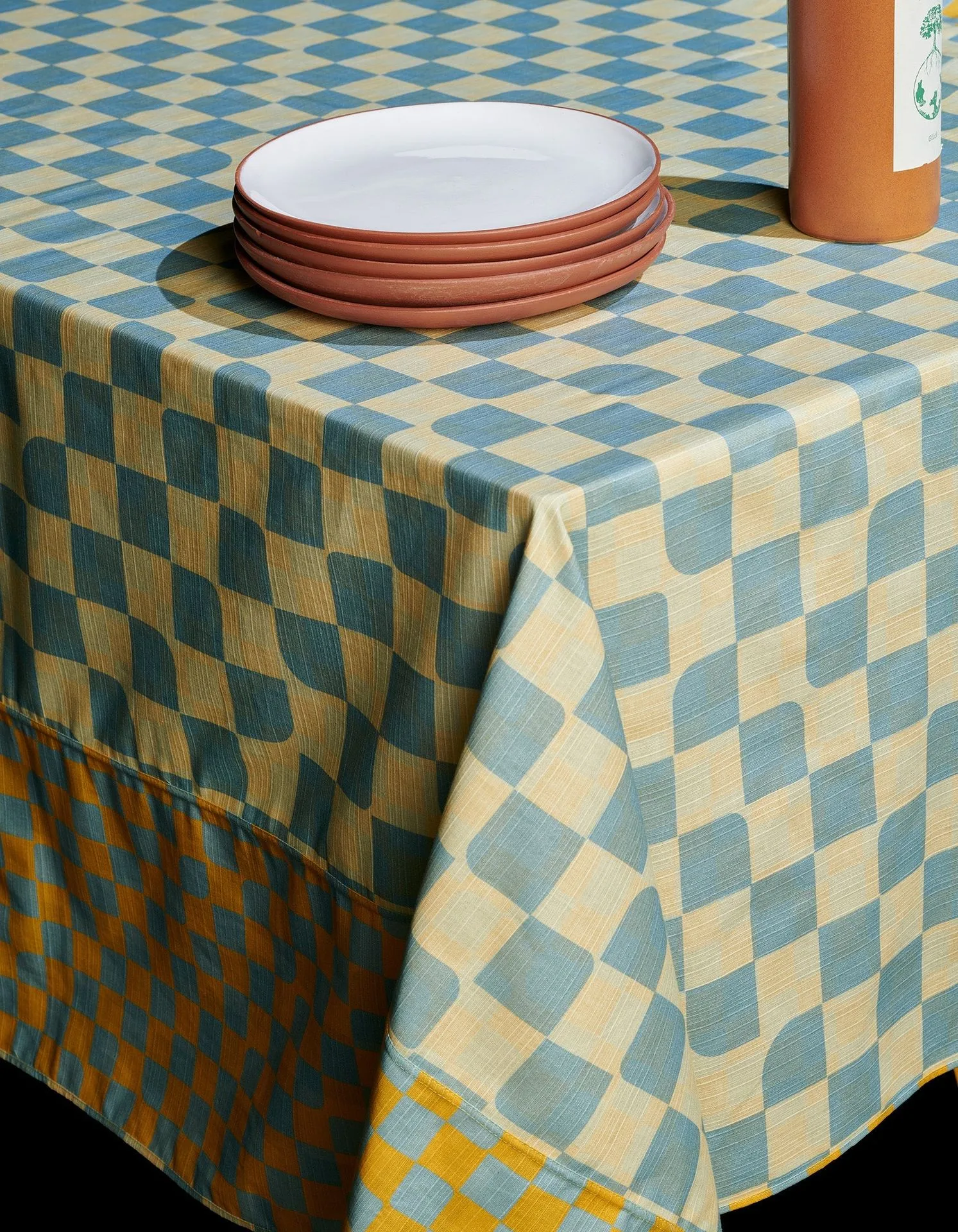
Tablecloth Reversible Checker
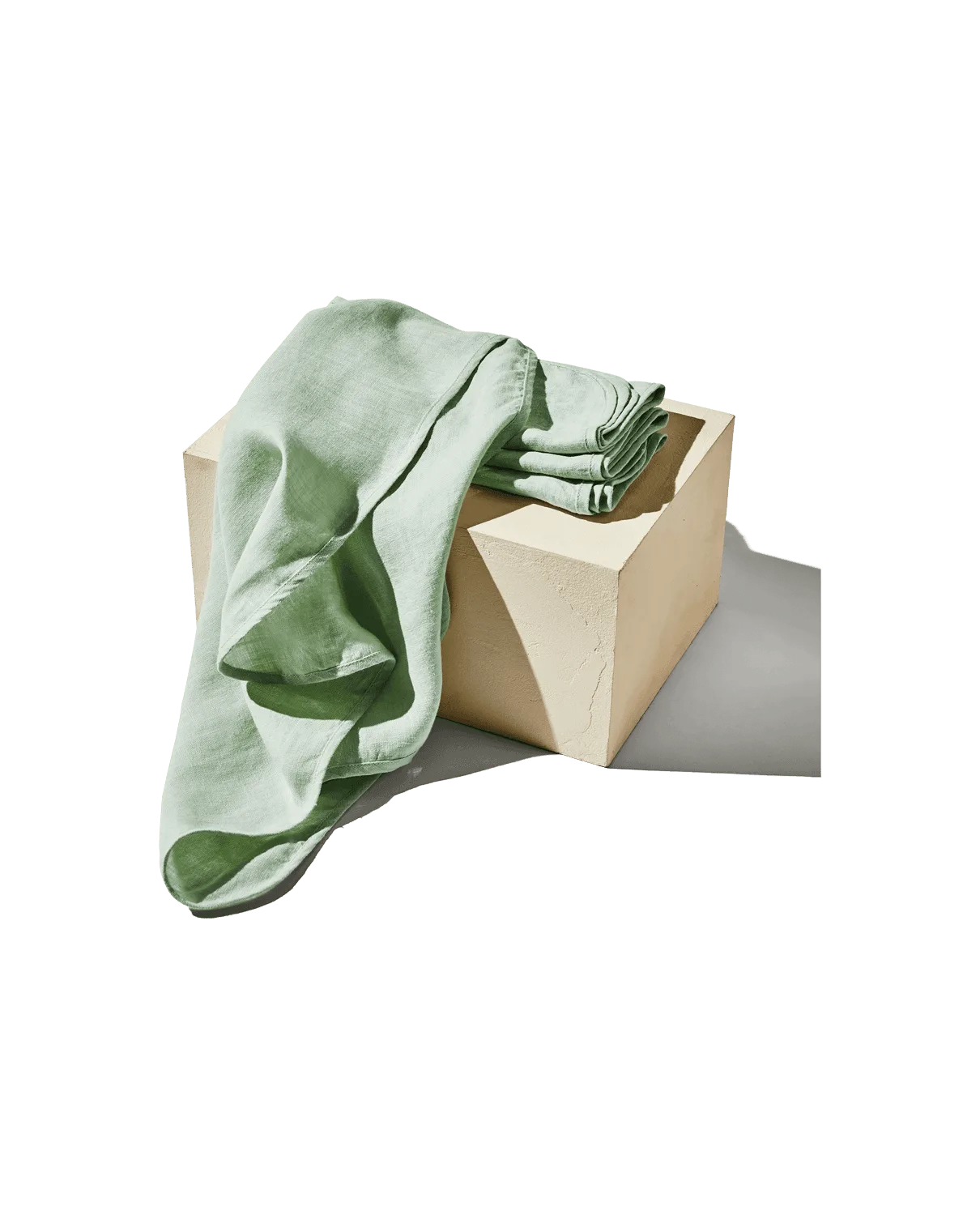
If your tablecloth is a solid color or a quiet tone, you have more freedom to play. A muted stripe napkin like the Dinner Napkins Double Sided Stripe - Quiet Season can add gentle movement without overwhelming the table. The key is to maintain a balance: one busy element per layer.
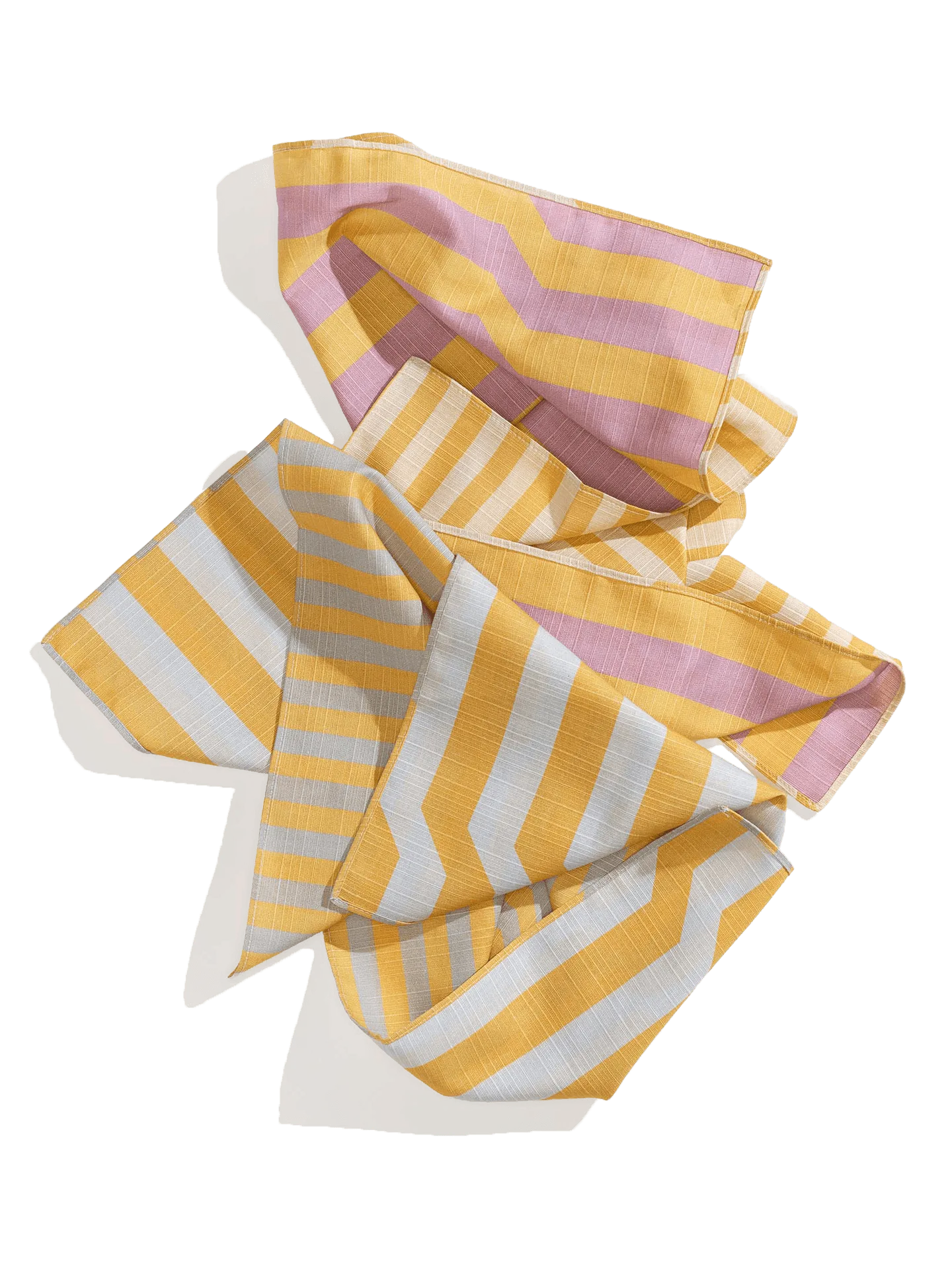
Dinner Napkins Double Sided Stripe - Quiet Season
- Match napkin color to a secondary color in your tablecloth for a pulled-together look.
- For solid tablecloths, try a napkin with a subtle stripe or grid pattern for added depth.
Consider Your Dinnerware and Flatware
Your plates and cutlery are the stars of the table, so your napkins should complement rather than compete. For white or neutral ceramic dinnerware, almost any napkin color works. A bold check or a vibrant double-sided grid napkin like the Dinner Napkins Double Sided Grid - High Season can add a pop of energy. For patterned plates, stick to solid napkins that echo one of the plate's colors.
Flatware also plays a role. Rustic, matte finishes like those in French Country Cutlery pair beautifully with linen or cotton napkins in earthy tones. Polished stainless steel flatware looks crisp with bright white or pastel napkins. Think of the napkin as a bridge between your plates and your utensils.
- Hold your napkin next to your plate before folding to see how the colors interact in natural light.
- If your flatware has a warm gold or brass tone, try napkins in warm whites, blush, or olive.
Use Color Theory for Mood and Season
Color choice sets the emotional tone of your table. Cool blues and greens create a calm, relaxed feel—perfect for quiet dinners or brunch. Warm reds, oranges, and yellows energize the space and work well for festive gatherings. For a timeless look, stick to monochromatic palettes: different shades of the same color create depth without effort.
Seasonal pairing is another easy win. In spring and summer, light linens and pastels feel fresh. In autumn and winter, deeper tones like burgundy, forest green, or charcoal add warmth. The Dinner Napkins Double Sided Stripe - Quiet Season offers a soft, understated stripe that transitions easily from a summer lunch to a fall dinner when paired with the right tablecloth.
- Complementary colors (opposite on the color wheel) create high contrast and visual interest.
- Analogous colors (next to each other on the wheel) produce a harmonious, soothing table.
Layer Textures for Visual Interest
Even with simple colors, texture can make your table setting feel rich and curated. A smooth cotton napkin paired with a rough linen tablecloth creates a tactile contrast that guests will notice. Felt trivets or pom-pom details add a playful, handmade touch that softens the overall look.
If you're using a neutral napkin, consider adding a textured underplate or a woven placemat to break up the surface. The goal is to avoid a flat, one-dimensional table. Mixing finishes—matte plates with glossy glassware, soft napkins with hard cutlery—keeps the eye moving and the experience engaging.
- Layer a folded napkin on a charger plate for an extra level of depth.
- Add a small decorative element like a napkin ring or a sprig of herbs to tie the texture theme together.
Don't Forget the Practical Side
While aesthetics matter, your napkins also need to function. For everyday use, choose machine-washable fabrics like cotton or linen blends. Dinner Napkins Double Sided Stripe - Quiet Season is a great example: it's easy to care for and its subtle pattern hides minor stains better than solid white. For formal occasions, you might opt for a crisp, pressed napkin that holds a fold well.
Consider the size of your napkins, too. Standard dinner napkins (around 18 to 20 inches square) are versatile for both folding and draping. If you're serving a messy meal like barbecue or pasta, larger napkins offer more coverage. Always have at least one extra napkin per guest for spills or second helpings.
- Pre-wash new napkins to remove sizing and prevent shrinkage before your first use.
- Keep a stack of neutral napkins on hand for quick, no-fuss table settings.
Pairing dinner napkins with your table setting is about balancing color, texture, and practicality. Start with your tablecloth, consider your dinnerware, and let the occasion guide your choices. With a little experimentation, you'll develop an instinct for what works—and your guests will notice the thoughtful touch every time.