Creating a beautifully set table is about more than just placing plates and utensils in the right spots. The harmony between your dinnerware and flatware sets the tone for the entire dining experience. When these elements complement each other, your table feels intentional, inviting, and visually cohesive. Whether you are hosting a casual dinner or a formal celebration, pairing dinnerware with flatware thoughtfully can elevate your table aesthetic without overwhelming your guests.
In this guide, we will explore practical tips for matching plates and cutlery, from material and finish to style and color. We will also highlight a few standout products from Material that can help you achieve a cohesive look. By the end, you will have the confidence to mix and match with purpose, creating tablescapes that reflect your personal style.
Why Cohesion Matters in Table Setting
A cohesive table setting does not mean everything has to match perfectly. Instead, it means that all elements share a common thread—be it color, texture, or material—that ties them together. When your dinnerware and flatware are well paired, the table feels curated rather than chaotic. This subtle harmony can make your meals feel more special and your hosting more polished.
Think of your table as a canvas. The dinnerware provides the base, while the flatware adds detail and contrast. For example, pairing minimalist white plates with brushed stainless steel flatware creates a clean, modern look. On the other hand, earthy ceramic plates paired with matte black cutlery bring warmth and edge. The key is to choose pieces that speak the same visual language, even if they are from different collections.
- Start with a neutral base like white or cream dinnerware to allow flatware to stand out.
- Consider the finish of your flatware—matte, polished, or satin—and how it interacts with the glaze of your plates.
- Use texture as a unifying element: ribbed plates pair well with hammered flatware.
Matching Materials and Finishes
One of the easiest ways to achieve a cohesive table aesthetic is by aligning the materials and finishes of your dinnerware and flatware. If your plates have a glossy ceramic finish, consider pairing them with polished stainless steel flatware for a sleek, reflective look. For matte stoneware plates, opt for flatware with a brushed or matte finish to maintain a soft, understated feel.
Mix metals carefully. While mixing gold and silver can be trendy, it requires intentionality. If you choose a warm-toned flatware, such as brass or copper, pair it with dinnerware that has warm undertones or subtle metallic accents. For a foolproof approach, stick to one metal family across the table. Material offers versatile options like the Dinner Plate Set of 4, which features a clean white finish that works beautifully with both silver and gold flatware.
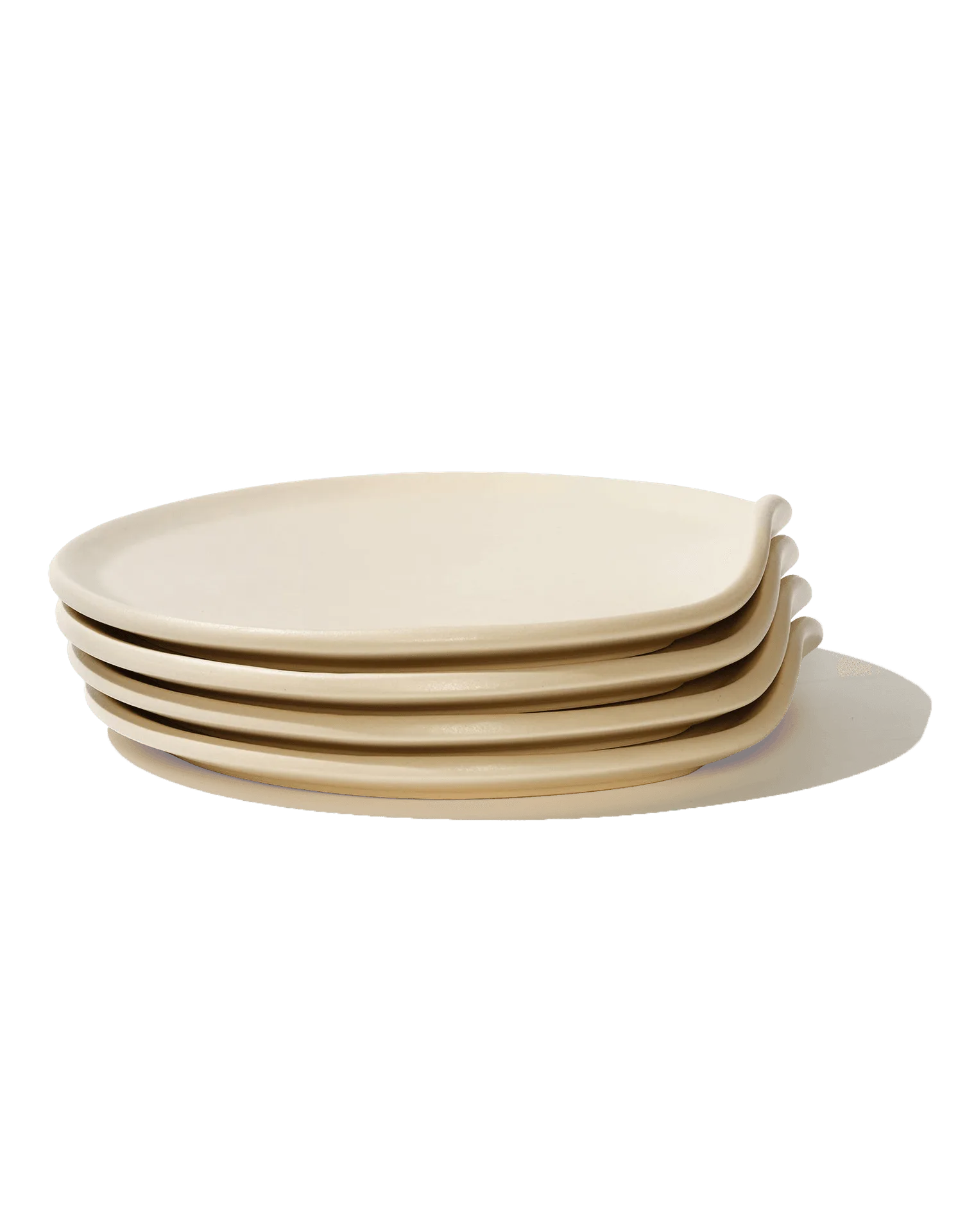
Dinner Plate Set of 4
- For a rustic look, pair wooden or earthy ceramic plates with dark, matte flatware.
- For a formal table, choose fine porcelain plates and polished silver or gold flatware.
- Test combinations by placing a fork on the plate to see how light reflects off both surfaces.
Balancing Patterns and Solids
Patterned dinnerware can be a stunning focal point, but it requires careful flatware selection to avoid visual clutter. If your plates feature bold patterns or intricate designs, choose simple, solid flatware to let the plates shine. Conversely, if your flatware has decorative handles or unique shapes, keep your dinnerware minimal and solid-colored.
Stripes, checks, and geometric patterns are popular choices for table linens and plates. For example, the Tablecloth Reversible Checker brings a playful yet classic pattern to the table. When using such a tablecloth, pair it with solid white or neutral dinnerware and streamlined flatware to keep the look balanced. The goal is to create layers of interest without overwhelming the eye.
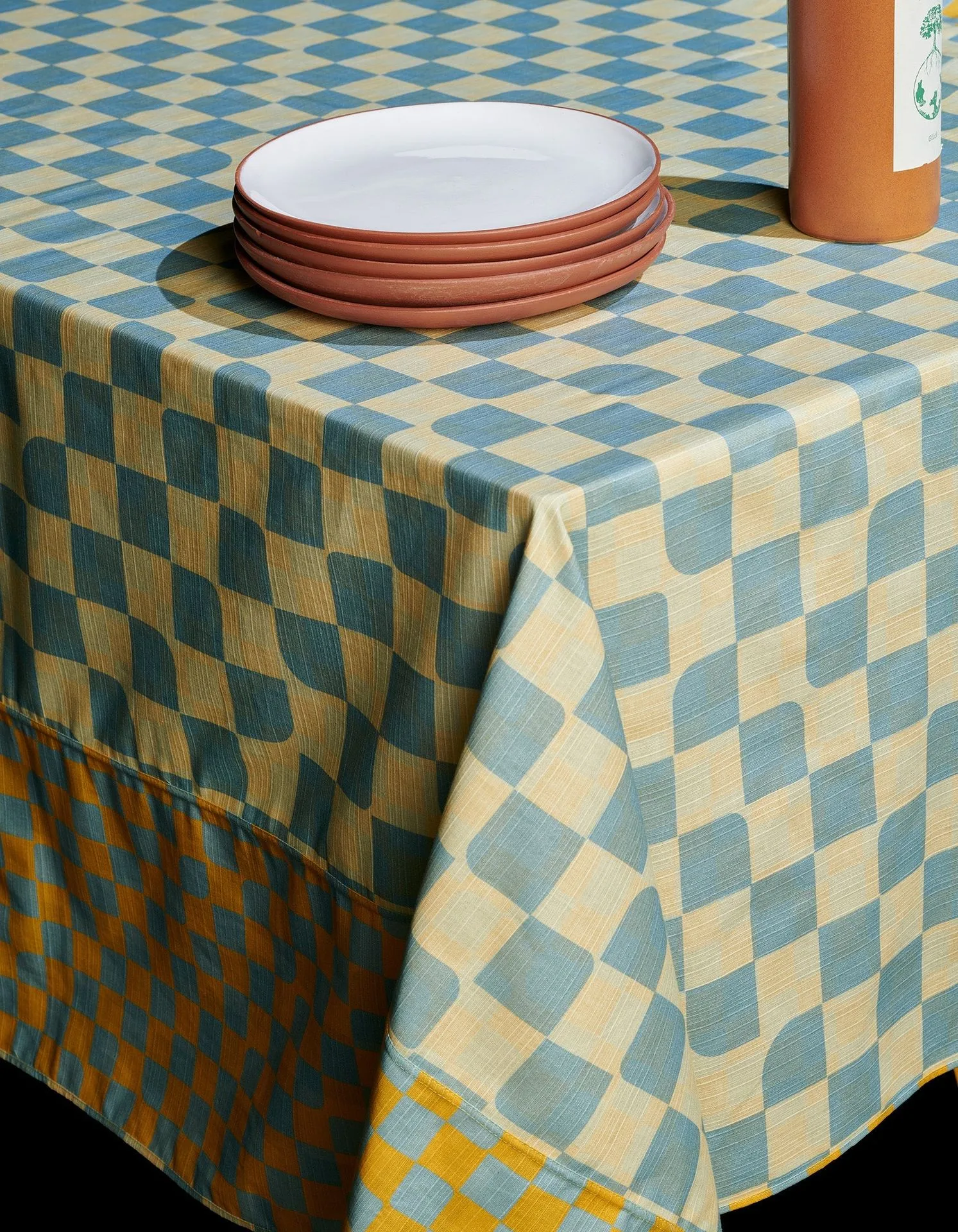
Tablecloth Reversible Checker
- Use patterned dinnerware as an accent, not the entire place setting.
- If your flatware has ornate handles, choose plain plates to avoid competition.
- Repeat a color from the pattern in your flatware or napkins for a pulled-together look.
Practical Table Setting Ideas for Every Occasion
For everyday dinners, a casual yet cohesive look can be achieved by mixing and matching within a neutral palette. Start with a simple dinner plate, add a salad plate in a complementary shade, and finish with flatware that has a brushed finish. This approach feels effortless but intentional.
For holiday gatherings or special occasions, consider layering textures. Use linen napkins, a textured tablecloth, and dinnerware with subtle rim details. The Tablecloth Reversible Grid offers a modern grid pattern that pairs beautifully with minimalist dinnerware and flatware. Add a pop of color with napkins or a centerpiece to complete the scene. Remember, the flatware should feel comfortable in hand and visually complement the plates.
- For a rustic dinner, use wooden or stoneware plates with matte black flatware.
- For a formal event, opt for fine china and polished silver flatware.
- Incorporate seasonal elements like colored napkins or floral centerpieces to refresh your table.
How to Test Your Pairing Before Committing
Before investing in a full set of new flatware or dinnerware, test your pairing at home. Lay out one complete place setting with the plate, flatware, glassware, and napkin you plan to use. Step back and evaluate the overall look. Does the flatware feel too heavy for the plate? Does the plate color wash out the cutlery? Make adjustments until the combination feels balanced.
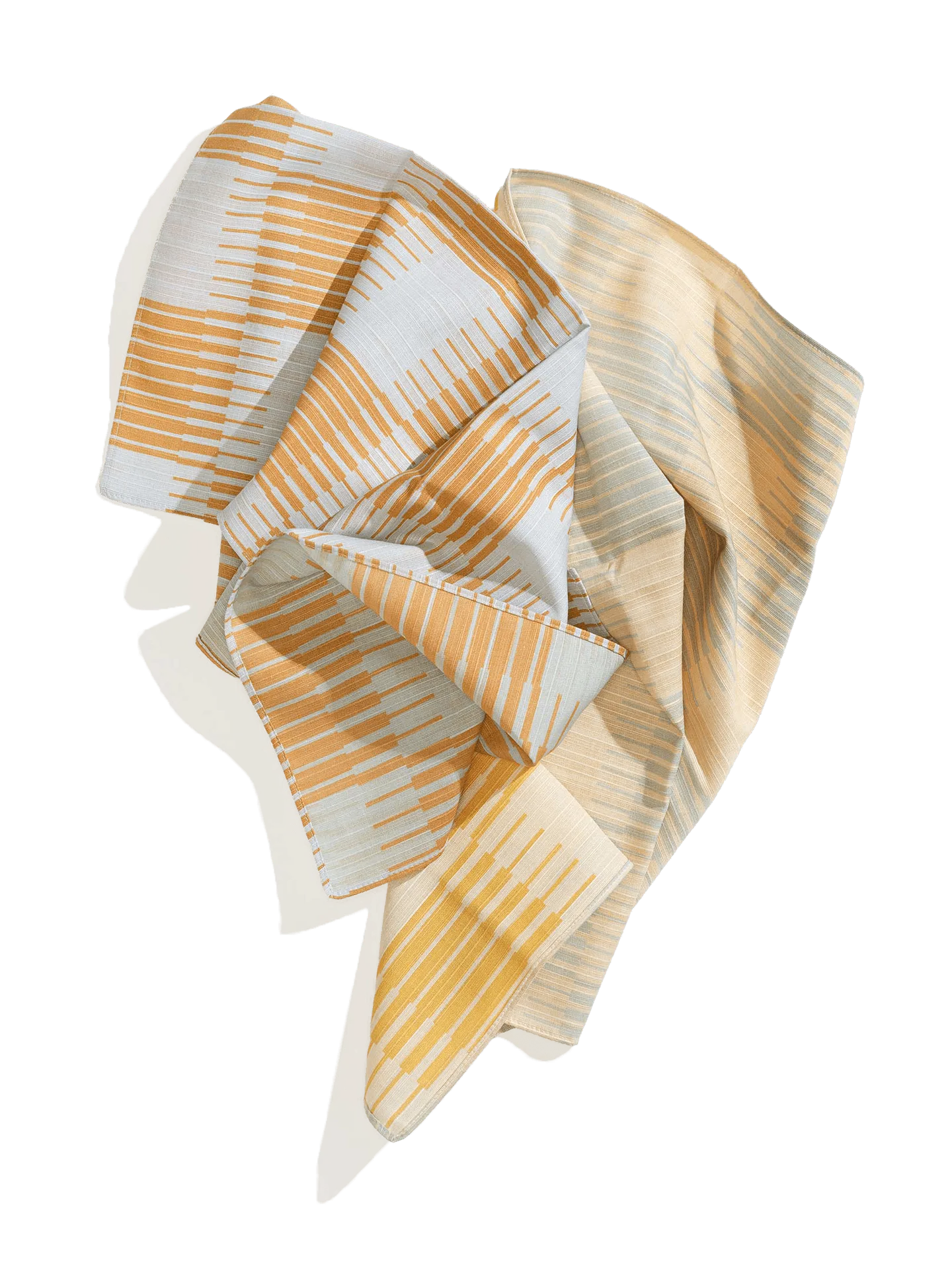
You can also mix and match existing pieces with new additions. For example, if you already own the Dinner Napkins Double Sided Stripe - Quiet Season, try pairing them with solid-colored plates and flatware that picks up one of the stripe colors. This approach allows you to build a cohesive table over time without a complete overhaul.
- Take a photo of your place setting to see it from a different perspective.
- Check the weight and balance of the flatware against the plate.
- Ask a friend for their honest opinion—sometimes a fresh eye helps.
Pairing dinnerware with flatware is an art that balances material, finish, pattern, and personal style. By following these tips, you can create tablescapes that feel both cohesive and uniquely yours. Ready to start building your ideal table? Explore the Dinner Plate Set of 4 at Material to find the perfect foundation for your next beautiful setting.