Quick answer
Start by matching the oil and vinegar on two scales: intensity and sweetness. A delicate oil needs a gentle vinegar, while a bold oil can stand up to a sweet, syrupy balsamic. Taste both separately first, then combine a small spoonful at a 3:1 oil-to-vinegar ratio and adjust from there.
Match intensity before you match flavor
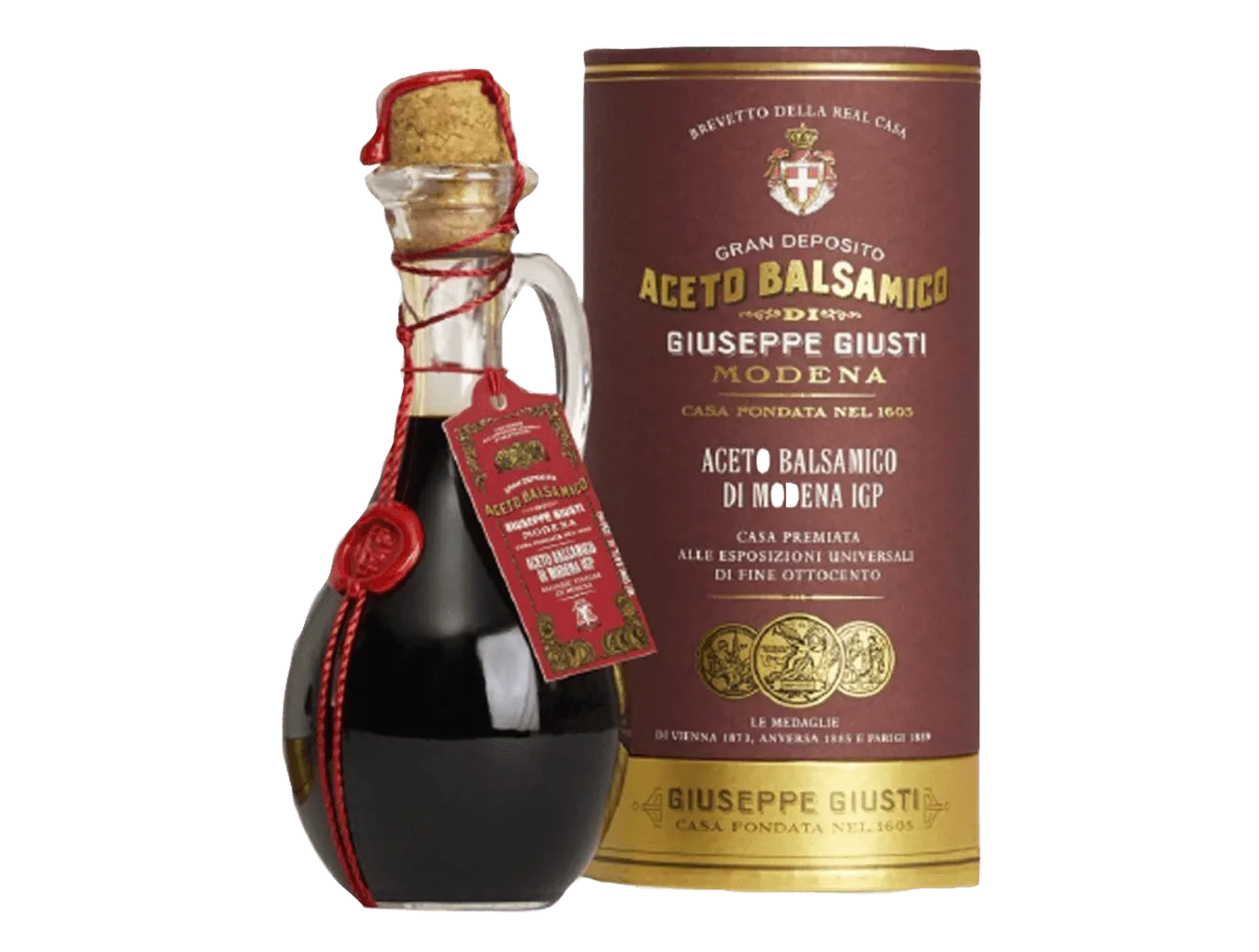
The most common pairing mistake is choosing by flavor name alone. A light, buttery oil and a thick, aged balsamic will fight each other; the vinegar overwhelms the oil. Instead, line up your oil and vinegar by weight: delicate oils pair with light or fruit-forward vinegars, and robust oils pair with dark, sweet, or spicy vinegars.
Balance sweet, acidic, and savory notes
Think of the oil as the base and the vinegar as the seasoning. If the vinegar is sweet, the oil should be clean and slightly peppery so the dressing does not turn cloying. If the vinegar is sharp, a fruit-infused oil adds roundness. For savory dishes, a pinch of salt or a citrus salt blend can bridge the two without adding more liquid.
Use the 3:1 ratio as a starting point, then adjust
A classic vinaigrette uses three parts oil to one part vinegar, but flavored products often need less vinegar because their flavors are concentrated. Whisk a small batch, taste on a lettuce leaf, and add more oil if the acid bites or more vinegar if it tastes flat. Write down the ratio you liked so you can repeat it.
Step-by-step pairing process
- Taste each component on its own: Put a few drops of oil and a few drops of vinegar on separate spoons. Note whether each is delicate, medium, or bold, and whether it tastes sweet, tart, or savory. Checkpoint: if you cannot describe the flavor in one word, taste again before mixing.
- Choose a ratio and whisk a test batch: Start with 3 parts oil to 1 part vinegar. Whisk in a small bowl until slightly thickened, then taste. Common mistake: skipping the test and dressing the whole salad. Adjust in the bowl first.
- Adjust for balance: If it tastes too sharp, add oil a teaspoon at a time. If it tastes flat or oily, add vinegar a few drops at a time. A pinch of salt can also soften acidity. Checkpoint: the dressing should taste bright but not burning, and rich but not greasy.
- Add a dry seasoning if needed: For a savory dish, a citrus salt or lemon pepper blend can add complexity without thinning the dressing. Use a light hand; flavored salts are concentrated.
- Record what worked: Write down the oil, vinegar, and final ratio. Flavored products vary by batch, so your notes save time next time. Next step: try the same ratio with a different vinegar to learn how sweetness changes the balance.
Products that work well in pairings
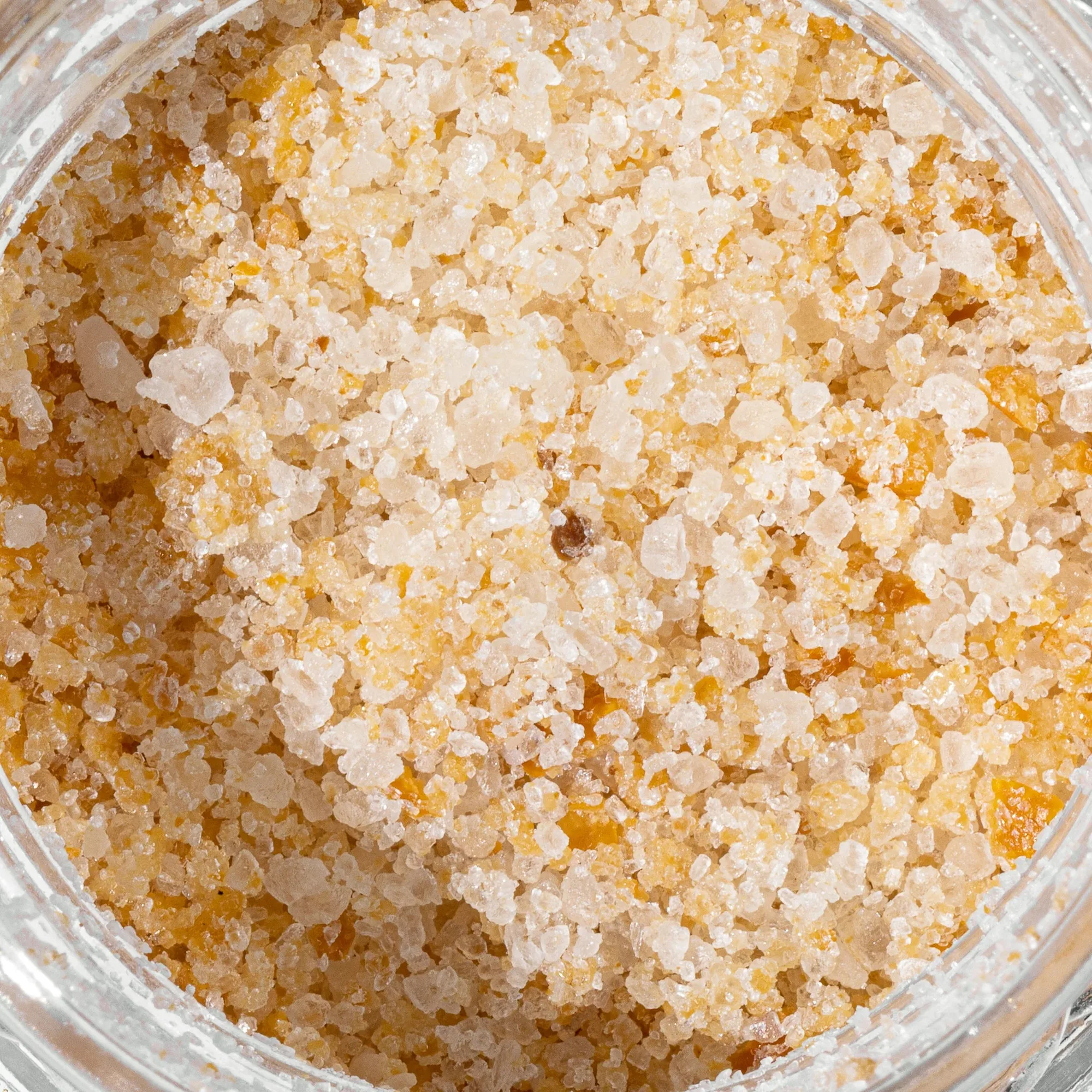
- Citrus Sea Salt: Citrus Sea Salt is made with coarse mineral salt, organic rosemary, organic orange peel, and organic lemon peel. The citrus and herb notes can season a finished oil-and-vinegar dish without adding extra liquid, which helps keep dressings balanced.
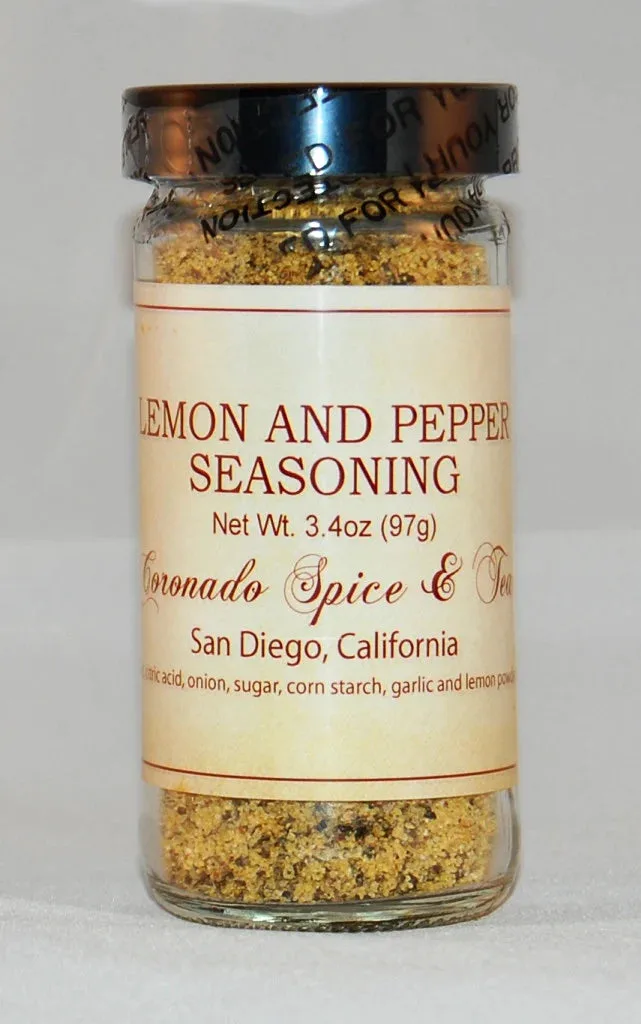
- Lemon Pepper: Lemon Pepper is blended with salt, black pepper, onion, garlic, and lemon oil. It adds a sharp, savory edge that can stand up to a sweet balsamic, making it useful for marinades and roasted vegetables.
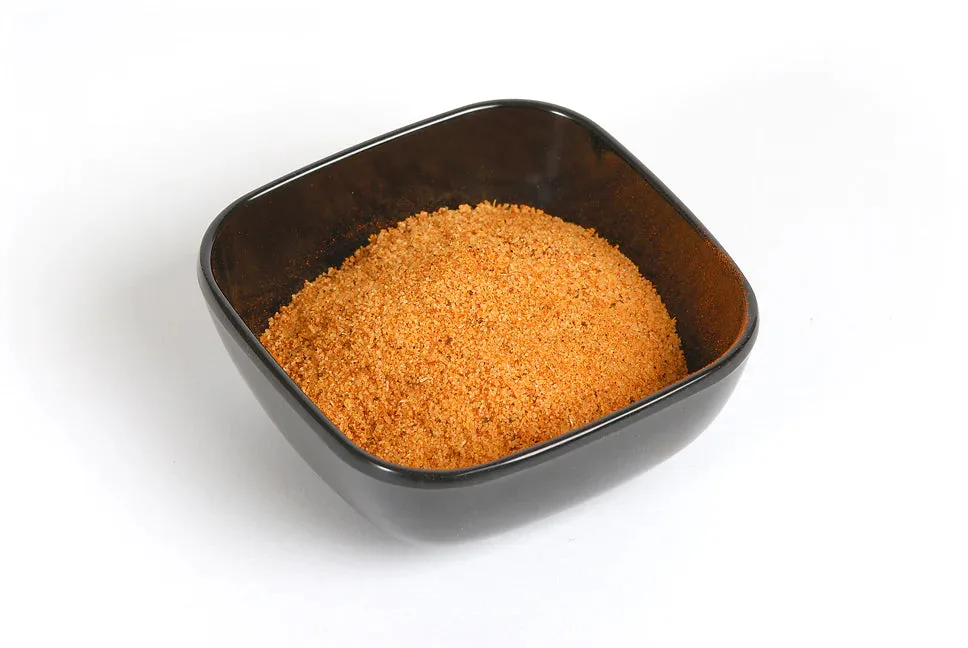
- Fajita Seasoning: Fajita Seasoning combines chili powder, cumin, garlic, onion, paprika, cayenne, and black pepper. Its warm, spicy profile pairs well with a mild oil and a touch of vinegar for quick dressings on tacos, grilled chicken, or vegetables.