Quick Answer
Pair herbal teas by matching flavor intensity and purpose. For meals, choose ginger or peppermint to aid digestion; for sweet treats, pick fruity or floral blends. Start with light teas and simple foods, then experiment to find your favorite combinations.
Pairing herbal tea with food isn't about strict rules—it's about finding flavors that complement each other. Whether you're planning a dinner party or just want to enjoy a cup with your lunch, a few simple guidelines can turn an ordinary meal into a more pleasant experience.
Unlike caffeinated teas, herbal infusions are naturally caffeine-free, making them flexible partners for any time of day. From the zing of ginger to the soothing notes of chamomile, each herbal tea brings its own character to the table. This guide walks you through practical steps to match teas with food, so you can sip and savor with confidence.
Start with the Flavor Profile
Before you pour, think about what your tea tastes like. Is it spicy, sweet, floral, or earthy? Ginger tea tends to be warm and slightly pungent, while peppermint is cool and refreshing. Fruity blends like peach or berry are naturally sweet, and floral teas like chamomile are delicate and calming.
Match the tea's intensity to the food. A bold, spicy ginger tea can stand up to rich or savory dishes, while a light floral tea might get lost next to strong flavors. For everyday meals, keep it simple: pair mild teas with mild foods and stronger teas with bolder dishes.
- Taste your tea plain first to identify its dominant notes.
- Consider the temperature—hot tea pairs differently than iced tea.
Match the Purpose: Digestion, Relaxation, or Energy
Think about what you want the tea to do. After a heavy meal, a digestive tea like peppermint or ginger can help settle the stomach. In the evening, a calming blend like chamomile or ashwagandha supports relaxation. During the day, a gently invigorating infusion can refresh without caffeine.
When you pair tea with food, the goal is to enhance both. For example, a spicy ginger tea complements stir-fries or grilled vegetables, while a peach-flavored herbal tea pairs nicely with light salads or fruit desserts. Keep the tea's function in mind to create a satisfying experience.
- For dinner, choose a tea that aids digestion, such as ginger or peppermint.
- For dessert, opt for a sweet, fruity tea that echoes the flavors.
Experiment with Contrast and Complement
You can either complement flavors or create contrast. Complementary pairing means choosing tea and food that share similar notes—like a peach tea with a peach cobbler. Contrast pairing uses opposites to balance each other, such as a minty tea with rich chocolate to cut through the sweetness.
Both approaches can work well. The key is to taste and adjust. If a pairing feels off, try a different tea or tweak the food. Keep notes on what you like so you can repeat successful combinations.
- Complement: fruity tea with fruit-based dishes.
- Contrast: minty tea with heavy or sweet foods.
Step-by-Step Pairing Guide
- Choose Your Tea Base: Select a herbal tea that matches the occasion. For meals, consider ginger or peppermint for digestion. For dessert, pick a fruity or floral blend. Avoid overly complex teas if you're new to pairing. Checkpoint: Does the tea's flavor dominate or complement the food?
- Consider the Food's Weight: Light foods like salads and fish pair well with delicate teas. Heavy dishes like stews or roasted meats can handle bolder teas like ginger. Match intensity to avoid overpowering. Checkpoint: Is the tea too light or too strong for the dish?
- Brew and Taste Together: Brew the tea according to package instructions. Take a sip, then a bite, and notice how the flavors interact. Adjust the tea strength or food seasoning if needed. Checkpoint: Does the combination taste better than each alone?
Teas to Try in Your Pairings
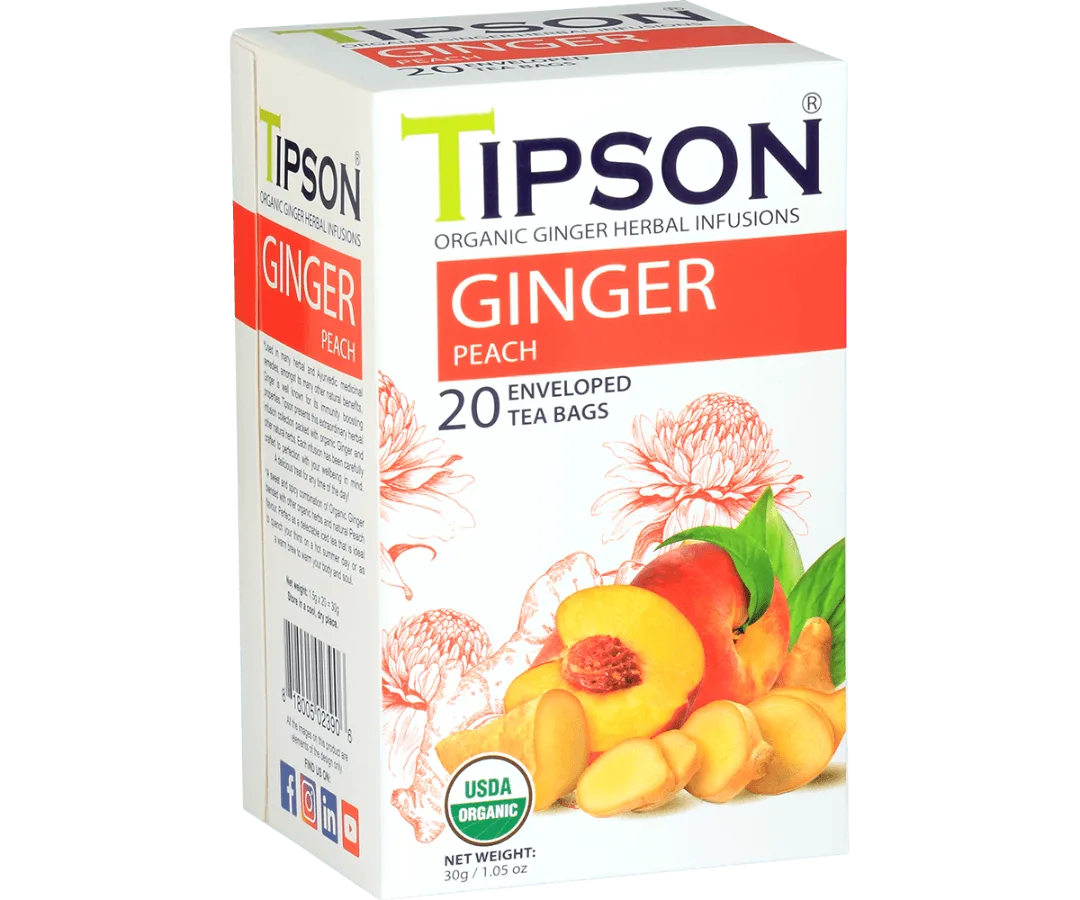
- Organic Ginger - Ginger Peach - 20 Enveloped Tea Bags: This infusion is packed with organic Ginger and other natural herbs, offering a sweet and spicy flavor. The warming ginger and sweet peach make it a versatile choice for both savory meals and light desserts.
- Tipson Herbal Wellness - Sleep Well Tea - 20 Enveloped Tea Bags: Made with natural fruits, herbs, roots, seeds and flowers, this tea is caffeine-free and gluten-free. Its calming profile makes it an ideal after-dinner sip to wind down, especially with light snacks.
Pairing herbal teas with food doesn't have to be complicated. Start with simple combinations, pay attention to flavor and purpose, and don't be afraid to experiment. With a little practice, you'll discover pairings that make your meals and tea times more enjoyable.