When disaster strikes—whether it's a hurricane, earthquake, wildfire, or power outage—access to clean drinking water becomes your top priority. According to FEMA, you should store at least one gallon of water per person per day for three days. But storing that much water is bulky, heavy, and impractical for a bug-out bag or 72-hour emergency kit. That's where a portable water filter like LifeStraw becomes your most valuable survival tool.
LifeStraw filters are lightweight, compact, and proven to remove 99.999999% of bacteria (like E. coli and Salmonella), 99.999% of parasites (like Giardia and Cryptosporidium), and 99.999% of microplastics. They require no batteries, no chemicals, and no boiling—just sip directly from any freshwater source. In this guide, we'll walk you through a practical checklist for pairing LifeStraw with your emergency kit, so you're ready for any situation.
Why LifeStraw Belongs in Every Emergency Kit
Traditional emergency water storage methods—bottled water, water jugs, or purification tablets—all have limitations. Bottled water expires, takes up space, and is heavy to carry. Tablets require waiting time and leave a chemical taste. Boiling demands fuel and time. A LifeStraw filter solves all of these problems. It's a personal water filter that turns any freshwater source (streams, lakes, rainwater, or even tap water of unknown quality) into safe drinking water instantly.
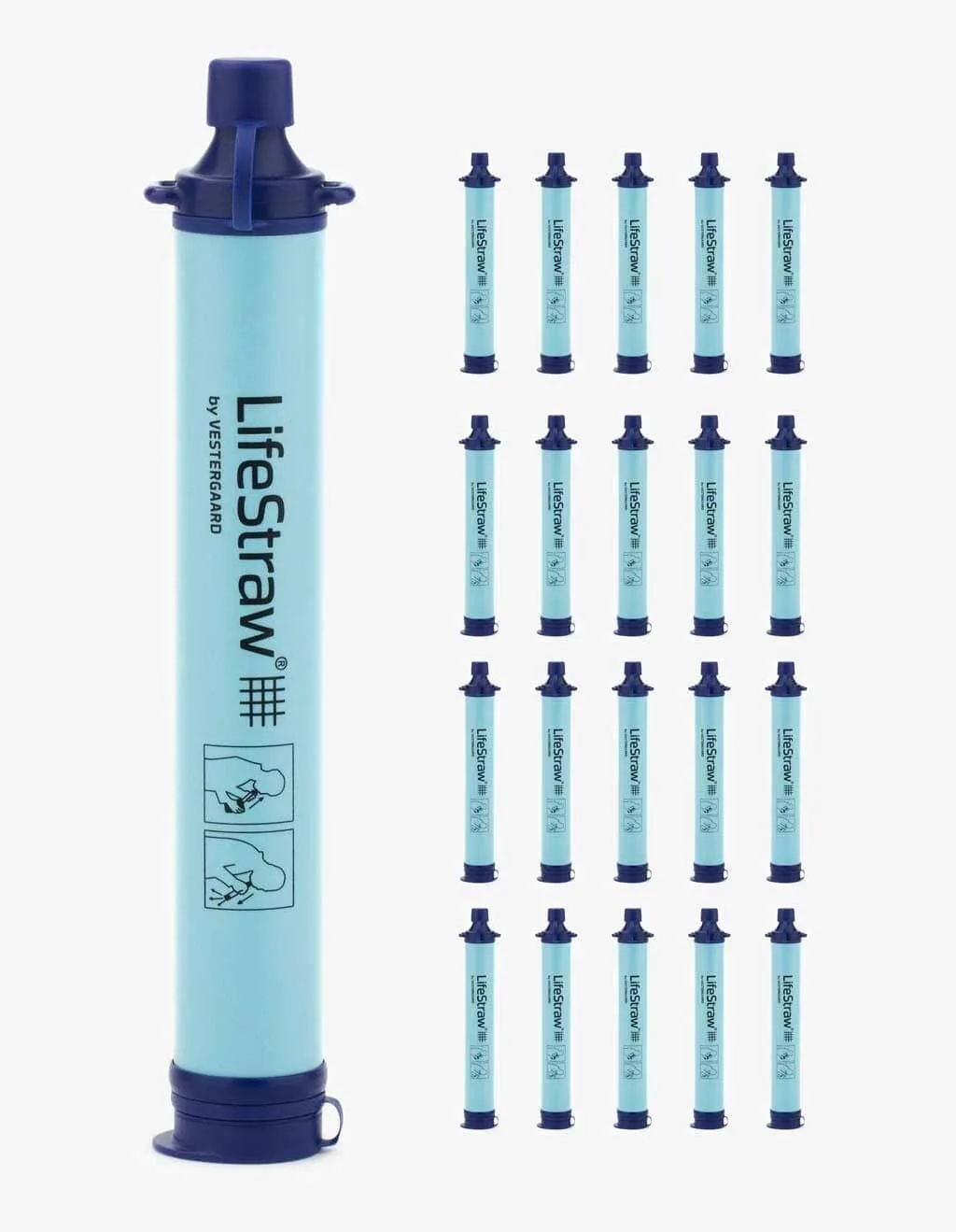
For emergency preparedness, the key advantage is that LifeStraw filters have no moving parts and require no power. They can be stored for years without degradation (check the manufacturer's shelf life, typically 5-10 years for the filter element). They're also incredibly lightweight—the classic LifeStraw weighs just 2 ounces. This makes them ideal for bug-out bags, car emergency kits, and home disaster supplies. When paired with a reusable bottle, you have a complete water solution that fits in your pocket.
- Filters down to 0.2 microns—removes bacteria, parasites, and microplastics
- No chemicals, batteries, or replacement parts needed for basic models
- Shelf-stable for years when stored properly in a sealed package
Your Emergency Kit Water Filtration Checklist
Building a comprehensive emergency kit requires thinking beyond just the filter itself. You'll need a way to collect, store, and drink water, as well as backup options. Here's a step-by-step checklist to ensure your kit is complete.
Start with the core filter. The LifeStraw Go Series Tumbler 18 oz is an excellent choice because it combines a reusable stainless steel tumbler with a built-in filter. It's perfect for everyday carry and emergency use alike. For a more compact option, consider the LifeStraw Sip 3-Pack, which gives you multiple lightweight straws that can be distributed among family members or stored in different bags. For group scenarios, the LifeStraw Navy 4-Pack provides four individual filters in a single purchase, ideal for a family emergency kit.
- Primary filter: LifeStraw Go Series Tumbler 18 oz or LifeStraw Sip 3-Pack
- Backup filter: LifeStraw Navy 4-Pack for redundancy or sharing
- Water storage: collapsible water bottles, hydration bladder, or extra containers
- Collection tools: a clean cup or scoop for gathering water from shallow sources
- Pre-filter: a bandana or coffee filter to remove large debris before using LifeStraw
How to Store LifeStraw for Long-Term Emergency Preparedness
Proper storage is critical to ensure your LifeStraw works when you need it most. The filter element must remain dry and free from contamination. Keep the original packaging sealed until you need it. Store in a cool, dark place—avoid extreme heat (like a car dashboard in summer) or freezing temperatures that could crack the housing. If you open the filter but don't use it, let it air dry completely before storing in a ziplock bag with a silica gel packet.
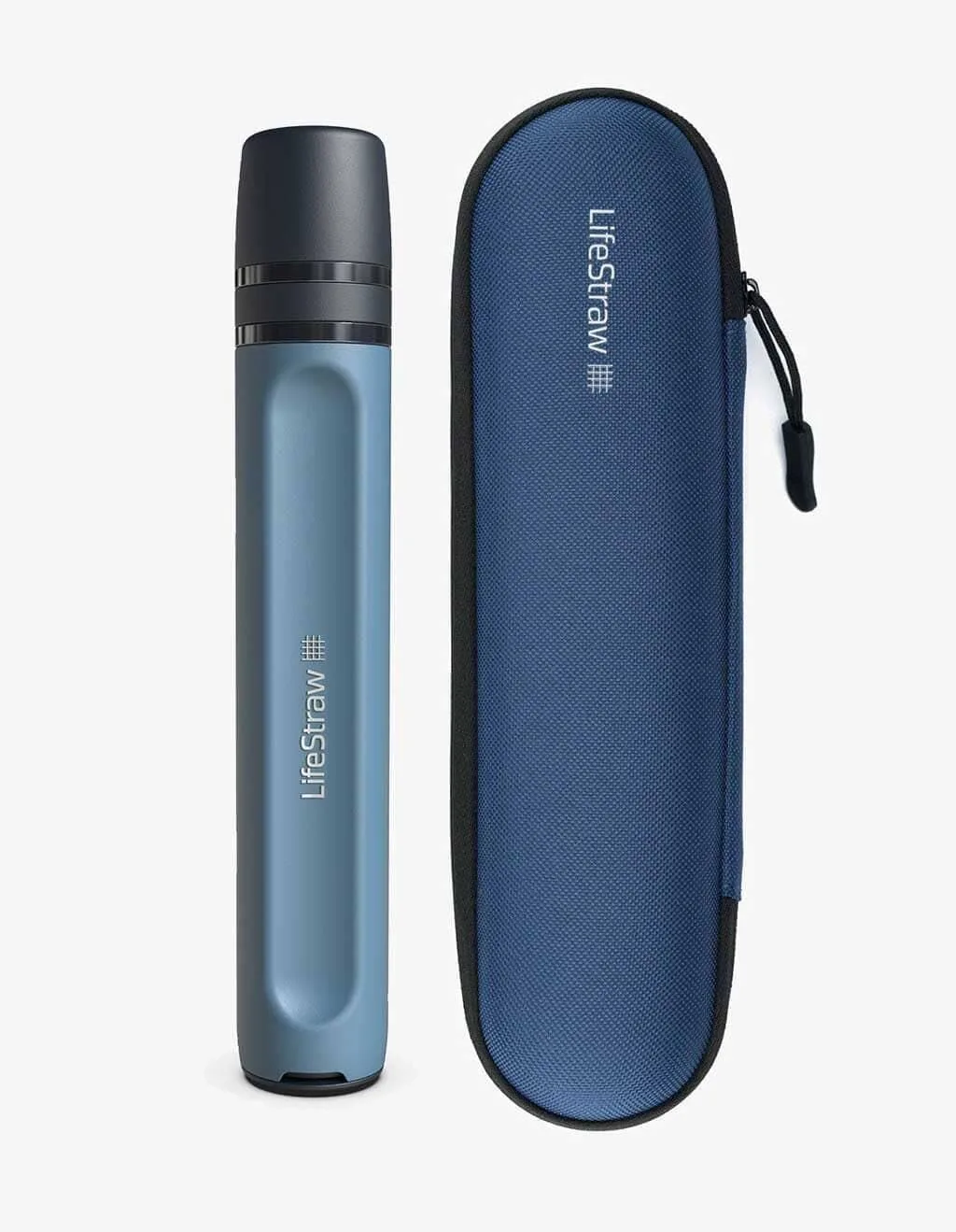
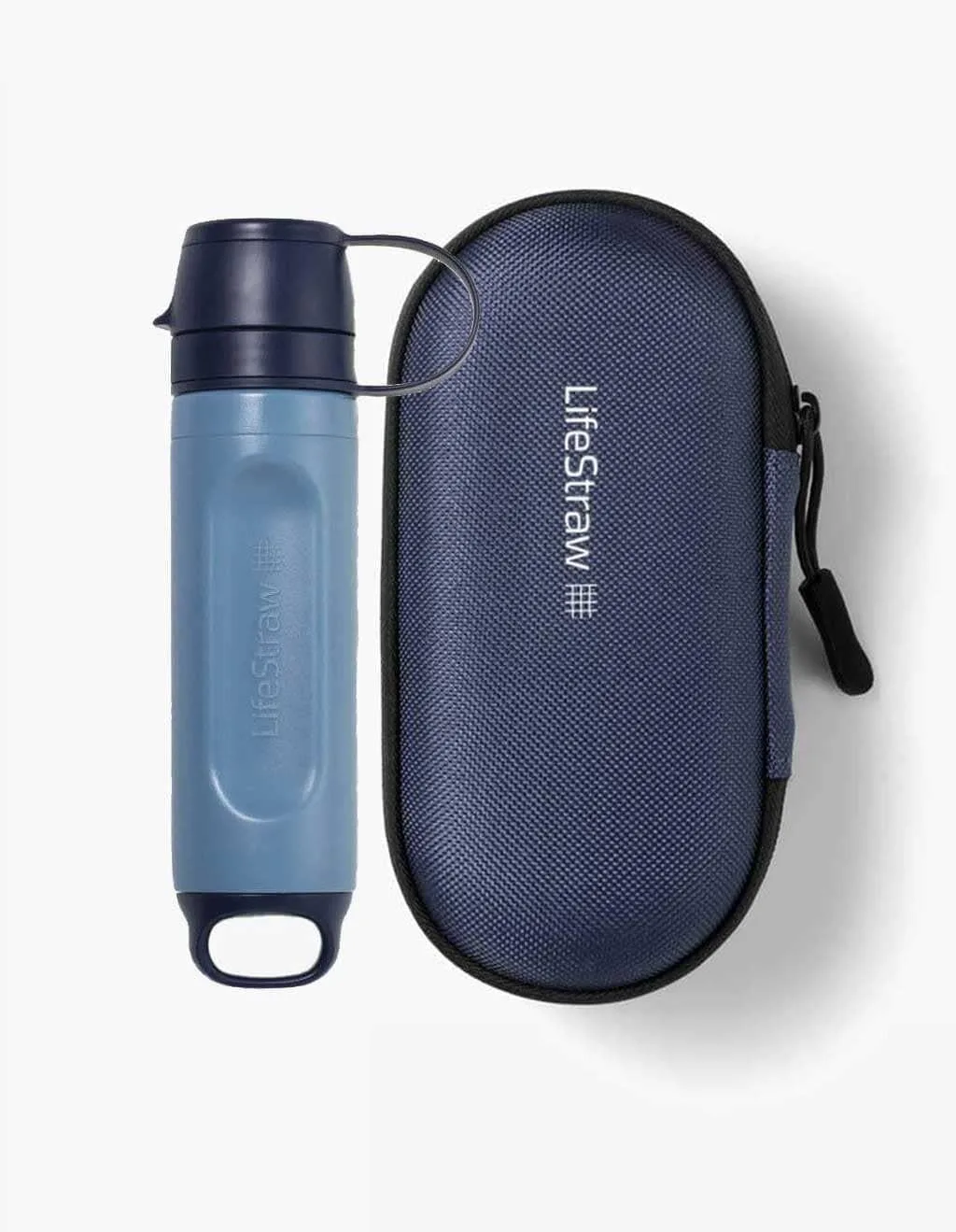
For multi-year storage, consider a bundle like the 2 year Mission Pack - LifeStraw Go Series. This kit includes a LifeStraw Go Series bottle, an extra filter, and a carrying case—everything you need for two years of emergency readiness. It's designed for long-term storage and comes with a replacement filter so you can swap when needed. Another option is the Triple Threat - LifeStraw Peak Series Solo Bundle, which adds an activated carbon filter attachment for improved taste and additional chemical reduction—great for emergency scenarios where water might have a foul odor or taste.
- Store in a sealed, dry container away from direct sunlight
- Check expiration dates every 6 months and rotate filters as needed
- For long-term kits, opt for bundles with extra filters like the 2 year Mission Pack
Building Your Bug Out Bag Water System
A bug-out bag (BOB) is designed to sustain you for 72 hours while traveling to safety. Water weight is the biggest challenge—carrying 3 gallons (24 pounds) is unrealistic. Instead, pack a lightweight filter and a collapsible water container. A LifeStraw filter lets you refill from any stream or pond along the way. Add a backup purification method like iodine tablets or a UV pen for extra safety.
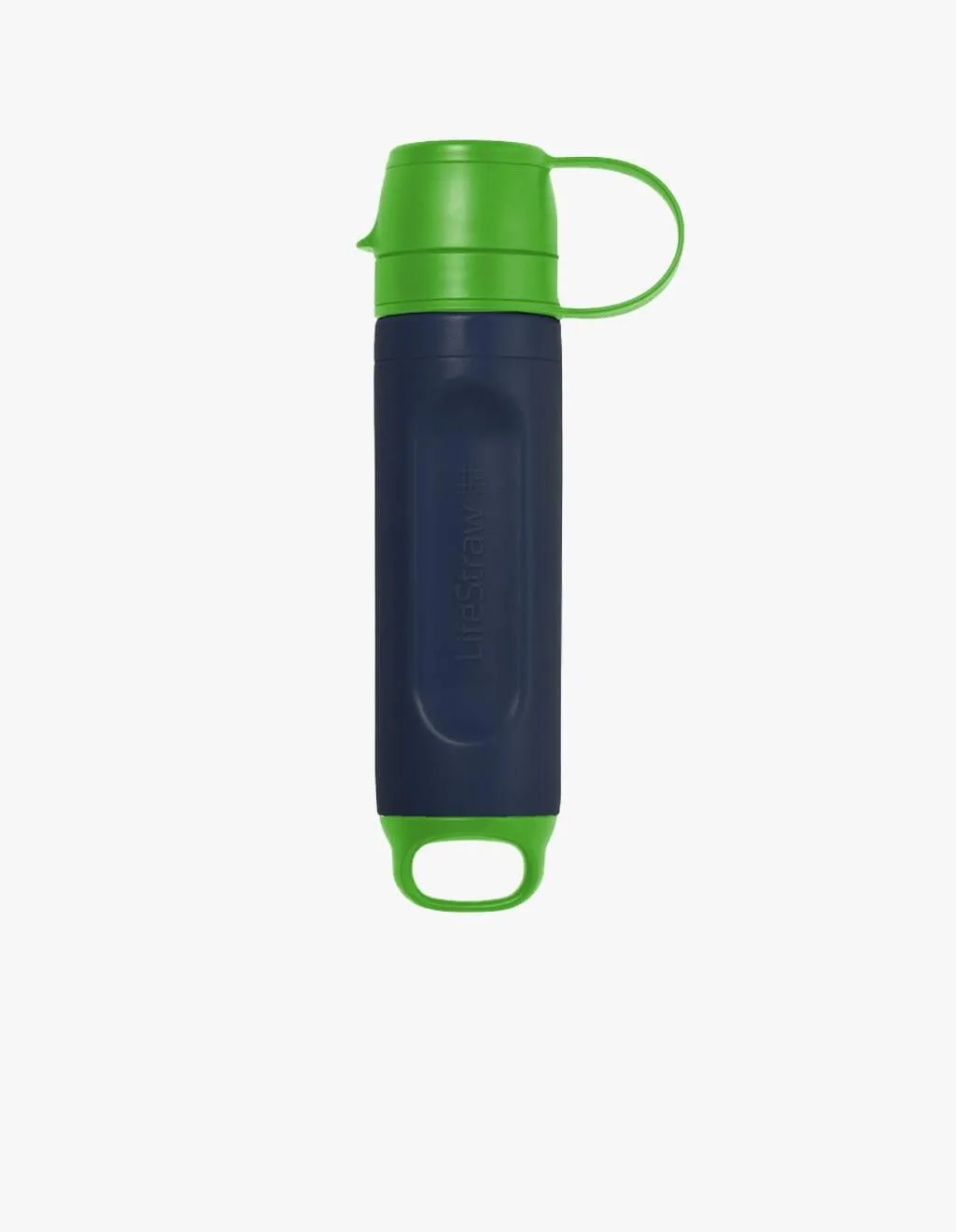
For a complete system, include the LifeStraw Peak Series - Activated Carbon Filter Attachment. This accessory screws onto the bottom of the Peak Series filter and removes chlorine, chemicals, and improves taste. It's especially useful if you're filtering from urban water sources or treated but questionable water. Pair it with the LifeStraw Go Series Tumbler 18 oz for a durable, all-in-one drinking vessel that fits in a side pocket of your pack.
- Primary hydration: LifeStraw Go Series Tumbler 18 oz with built-in filter
- Backup: LifeStraw Peak Series with activated carbon attachment for taste
- Water storage: 2-3 collapsible 1-liter bottles (empty until needed)
- Extra: waterproof matches or a small stove for boiling as a third backup
Group and Family Emergency Planning
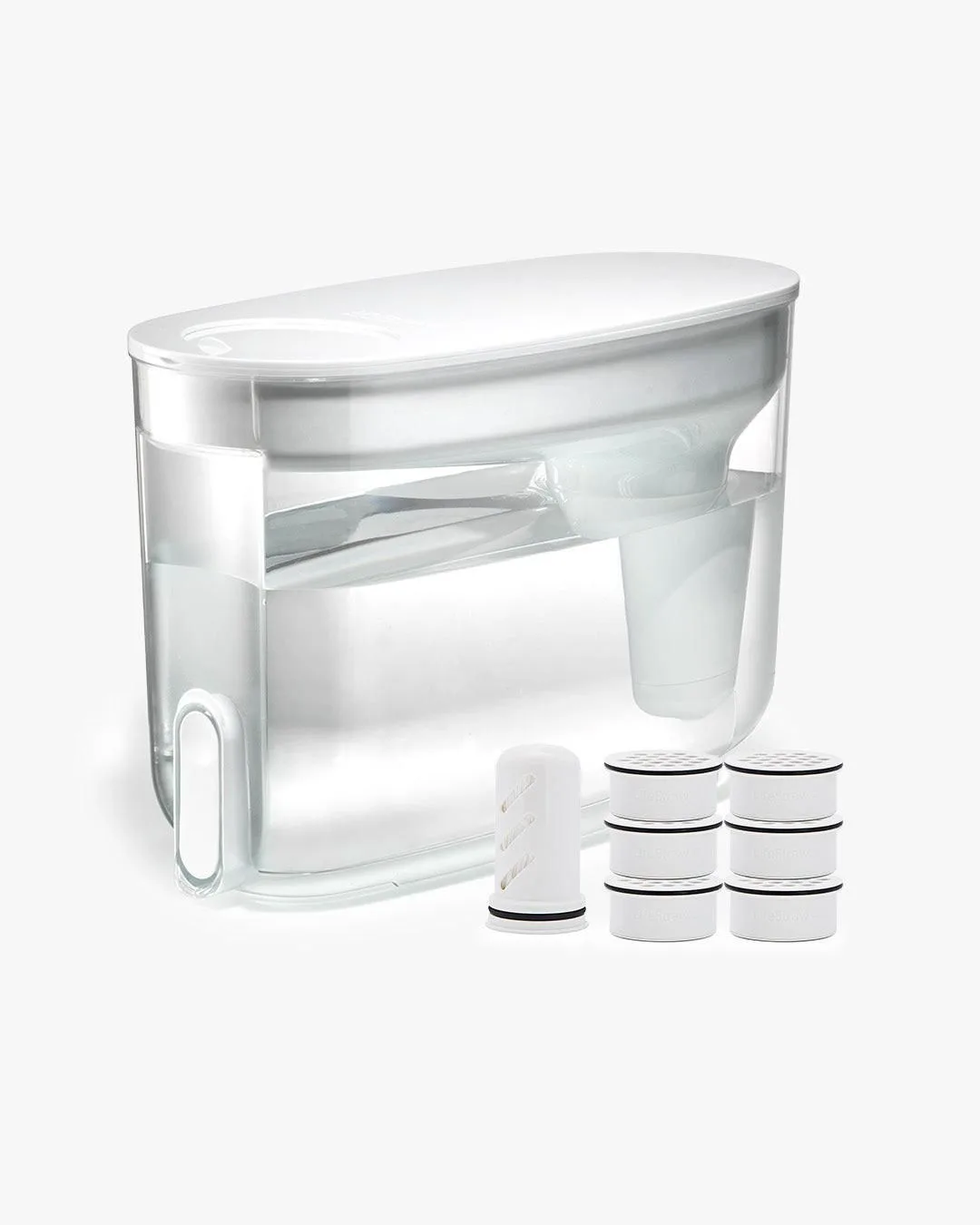
If you're preparing for a family or group, one filter per person is recommended. The LifeStraw Navy 4-Pack is a cost-effective way to equip four people. Each straw is individually sealed and can be stored in separate go-bags. For a home emergency kit, consider a gravity filter like the LifeStraw Home Dispenser, which filters larger volumes without pumping—ideal for a family sheltering in place.
Don't forget children. The LifeStraw Sip 3-Pack includes smaller, kid-friendly straws that are easier for little hands to use. Teach each family member how to use their filter before an emergency. Practice finding a water source (a stream, lake, or even a rain barrel) and demonstrate proper technique: dip the straw, sip slowly, and avoid touching the filter tip to dirty surfaces. Include a printed instruction card in each kit.
- One filter per person: LifeStraw Navy 4-Pack for a family of four
- For kids: LifeStraw Sip 3-Pack with smaller, easier-to-use straws
- Home use: LifeStraw Home Dispenser for larger group filtration
- Training: practice using the filter with clean water before an emergency
Maintenance and Replacement Schedule for Emergency Kits
Even though LifeStraw filters are low-maintenance, they do have a finite lifespan. The standard LifeStraw filters up to 1,000 gallons (4,000 liters) before needing replacement. In an emergency, you might use it heavily, so it's wise to include a spare filter. For the LifeStraw Go Series, replacement filters are available separately. The LifeStraw Max Replacement Filters are designed for the larger LifeStraw Max system but also serve as a reminder to check compatibility with your specific model.
Set a calendar reminder every six months to inspect your emergency kit. Check that the filter is still sealed in its original packaging, that the O-rings are intact, and that no moisture has entered the storage container. If you've used the filter, backwash it according to the instructions (blow air through the mouthpiece to clear debris) and let it dry completely before storing. Replace any filter that has been used heavily or shows signs of clogging.
- Standard filter lifespan: up to 1,000 gallons (check model specifics)
- Inspect every 6 months: look for moisture, damage, or expired packaging
- Include spare filters: LifeStraw Max Replacement Filters for compatible systems
- After use: backwash, air dry, and store in a sealed bag with desiccant
Building an emergency kit with LifeStraw is one of the smartest investments you can make for your family's safety. The combination of a primary filter, backup straws, proper storage, and a training plan ensures you'll have clean water when it matters most. Start your preparedness journey today by exploring the LifeStraw Go Series Tumbler 18 oz—a durable, everyday-carry water filter that doubles as your emergency hydration solution. Check it out now and build a kit that gives you peace of mind.