Quick answer
Start with the bed: choose nightstands that sit within 2–4 inches of the mattress top, then pick a dresser that is wider than the nightstands but not taller than the bed frame. Match finishes or wood tones loosely rather than exactly, and keep at least 24 inches of walking space around the dresser. Measure your room and bed height before you shop—those two numbers drive every other decision.
Measure the bed height and walking clearance first
Before comparing finishes, write down two numbers: the height of your mattress top from the floor and the clear floor space on each side of the bed. Nightstand height is judged against the mattress, not the frame, so measure at the mattress surface. Then check clearance: you want at least 24 inches between the foot of the bed and the dresser, and 30 inches of walking path beside any drawer that opens toward a doorway. If your room is tight, a taller, narrower dresser preserves floor space better than a wide, low one.
Choose nightstands that relate to the bed, not the dresser
The nightstand’s first job is serving the bed, so its top should land within 2–4 inches of the mattress top—close enough to reach a glass or lamp without stretching. Its width should be roughly one-third to one-half the bed width; on a queen, that means about 20–24 inches per nightstand. Only after those proportions work should you consider how the nightstand relates to the dresser. A common mistake is buying a matched pair that is too tall for the bed simply because it matches the dresser.
Set the dresser’s scale against the wall and the bed
A dresser should feel grounded but not dominate. As a rule, its width should be about 1.5 to 2 times the width of one nightstand, and its top should sit at or below the bed’s headboard height. In a small room, a dresser 36–48 inches wide with four to six drawers is usually enough; in a larger room, 60–72 inches can anchor the wall. Leave 12–18 inches between the dresser and any side wall so drawers can open fully. If the dresser doubles as a TV stand, keep the top below eye level when seated on the bed.
Coordinate finish and hardware without cloning the set
Exact matching sets can look flat in a bedroom, especially in small rooms. Instead, repeat one element—wood tone, hardware finish, or leg shape—and vary the rest. For example, pair a warm oak nightstand with a painted dresser that has oak-toned pulls. If you want a mirror above the dresser, choose a frame that echoes the nightstand’s metal or wood rather than matching the dresser exactly. Keep the number of visible finishes to two or three per room; more than that starts to feel accidental.
Your step-by-step bedroom pairing process
- Step 1: Measure mattress height and side clearance: Record the mattress top height and the floor space on each side of the bed. Check that you have at least 24 inches between the bed foot and the dresser wall, and 30 inches beside any drawer that faces a walkway. Checkpoint: if clearance is under 24 inches, choose a narrower dresser or move it to another wall.
- Step 2: Shortlist nightstands within 2–4 inches of mattress top: Filter nightstands by height first, then width (about one-third to one-half the bed width). Ignore finish until the proportions work. Common mistake: buying a matched nightstand-and-dresser set before checking nightstand height against the bed.
- Step 3: Size the dresser to the wall and the nightstands: Aim for a dresser 1.5–2 times the width of one nightstand, with a top at or below headboard height. Leave 12–18 inches to side walls for drawer swing. Checkpoint: tape the dresser’s footprint on the floor and open a drawer to confirm real clearance.
- Step 4: Pick one repeated element, not a full match: Choose either wood tone, hardware finish, or leg shape to repeat between nightstands and dresser. Vary the other two. Checkpoint: limit the room to two or three visible furniture finishes.
- Step 5: Add a mirror or accent only after the base pairing works: If you want a dresser and mirror set matching, choose a mirror frame that echoes the nightstand’s material rather than duplicating the dresser. Add an accent chair or pillow last. Next step: live with the arrangement for a week before buying additional matching pieces.
Product facts to consider
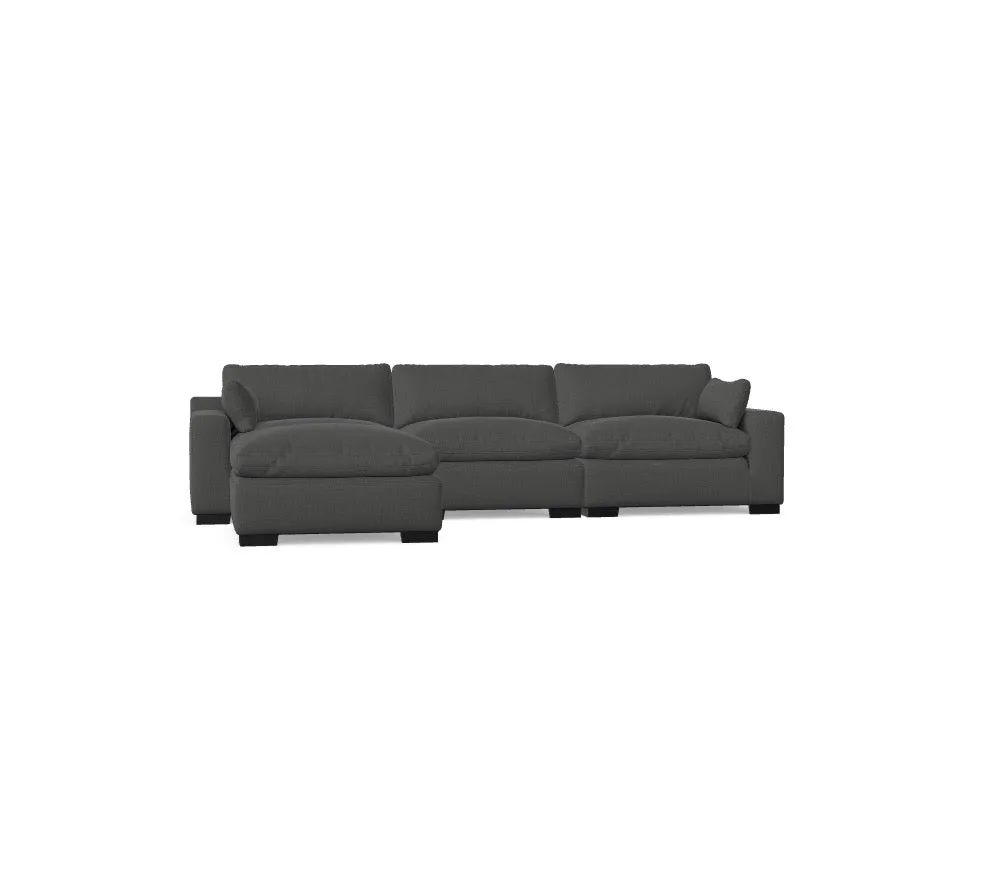
- Love Story Modular Sectional - Custom Design Ref: M_49IXJOE: Love Story Modular Sectional - Custom Design Ref: M_49IXJOE is a five-piece modular configuration with left- and right-arm facing ends, two single seats, and a corner wedge, upholstered in SOP403 / Panda Linen. If your bedroom includes a sitting area, a modular sectional can define the zone—but its low, deep profile means you should keep nightstands and dressers visually lighter so the room doesn’t feel crowded.
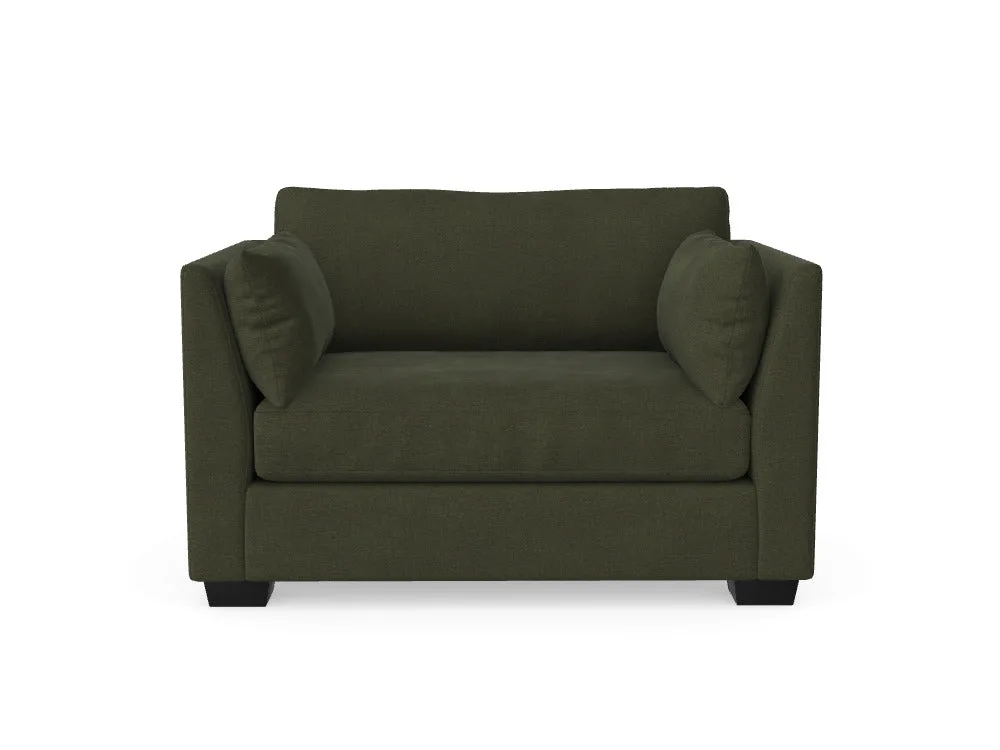
- Cassandra Chair - Custom Design Ref: FXEDOAK: Cassandra Chair - Custom Design Ref: FXEDOAK is upholstered in Ventana Olive fabric (SOP424) with a solid construction and a contemporary silhouette. An accent chair in olive can serve as the bridge between wood nightstands and a painted dresser; repeat its color in a pillow or lamp base rather than adding another furniture finish.
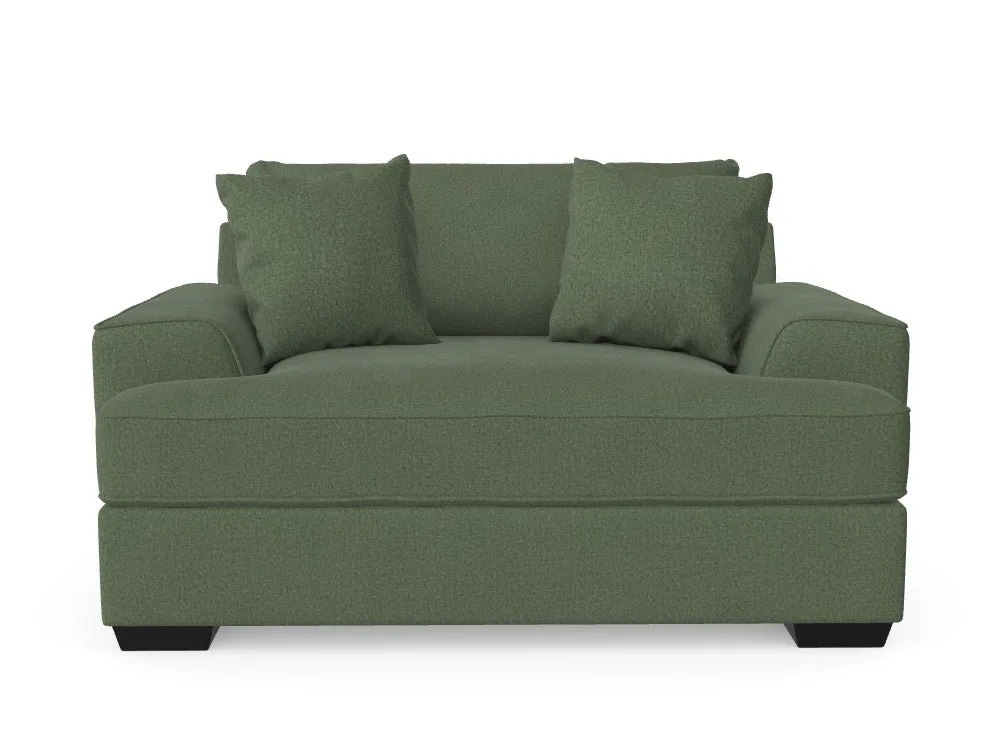
- Titan Chair - Custom Design Ref: EQWPEOM: Titan Chair - Custom Design Ref: EQWPEOM is a custom design with SKU CHDSTITSOF and Dexter Eucalyptus fabric (SOP418). A eucalyptus-toned chair reads as a soft neutral, so it pairs easily with either warm wood or white dressers—useful when you want flexibility in matching nightstands later.