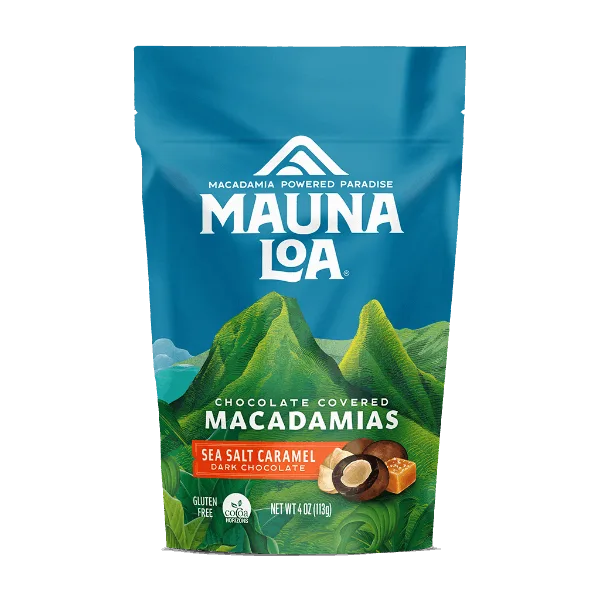
Tea and chocolate are two of the world’s most beloved indulgences, each offering a world of complexity and nuance. When paired thoughtfully, they can elevate each other, creating a tasting experience that is greater than the sum of its parts. Whether you are a seasoned connoisseur or a curious beginner, learning to pair tea with chocolate opens up a new dimension of flavor exploration.
This guide will walk you through the principles of tea and chocolate pairing, from matching intensity and flavor profiles to experimenting with unexpected combinations. We’ll also highlight specific teas and chocolates that work beautifully together, helping you create your own perfect pairings at home.
Understanding Flavor Profiles: The Foundation of Pairing
The key to a successful tea and chocolate pairing lies in understanding the flavor profiles of each. Tea can be floral, fruity, earthy, smoky, or vegetal, while chocolate ranges from sweet and creamy to bitter and intense. The goal is to find harmony—either by matching similar notes or by creating a complementary contrast.
Start by considering the intensity of both the tea and the chocolate. A delicate white tea will be overwhelmed by a dark 85% cacao bar, while a robust black tea can stand up to the boldest chocolate. Similarly, a milk chocolate with caramel notes might pair beautifully with a tea that has natural sweetness or hints of vanilla.
- Match intensity: light teas with light chocolates, bold teas with dark chocolates.
- Look for shared flavor notes like fruit, spice, or floral undertones.
- Experiment with contrast: a smoky tea can offset the sweetness of milk chocolate.
Classic Pairings: Black Tea and Dark Chocolate
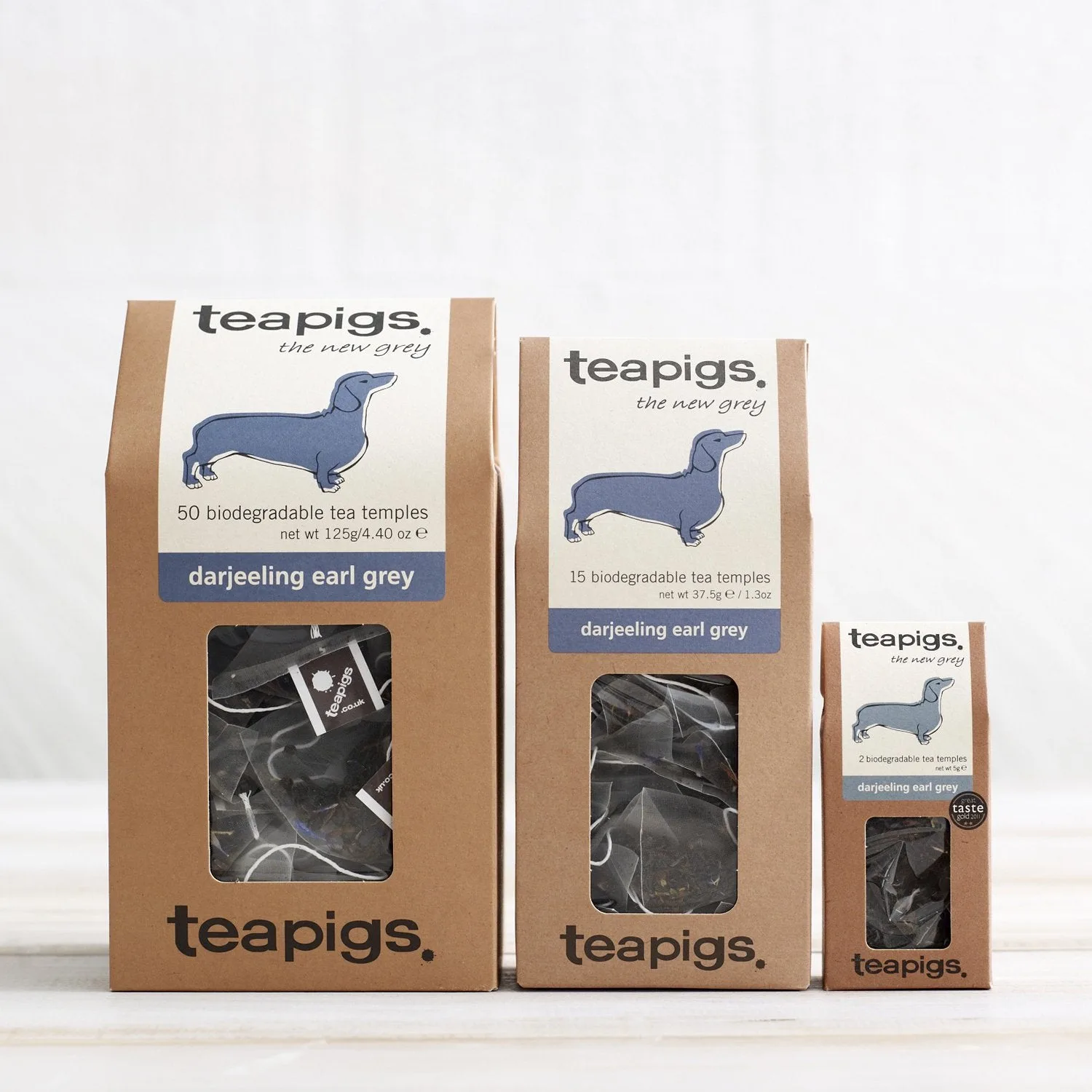
One of the most classic and satisfying pairings is black tea with dark chocolate. The robust, malty flavors of black tea complement the deep, bitter notes of high-percentage cacao. For example, a Darjeeling Earl Grey tea with its bergamot citrus notes can brighten the rich intensity of a 70% dark chocolate, while an Earl Grey Strong tea adds an extra layer of boldness that stands up to even darker chocolates.
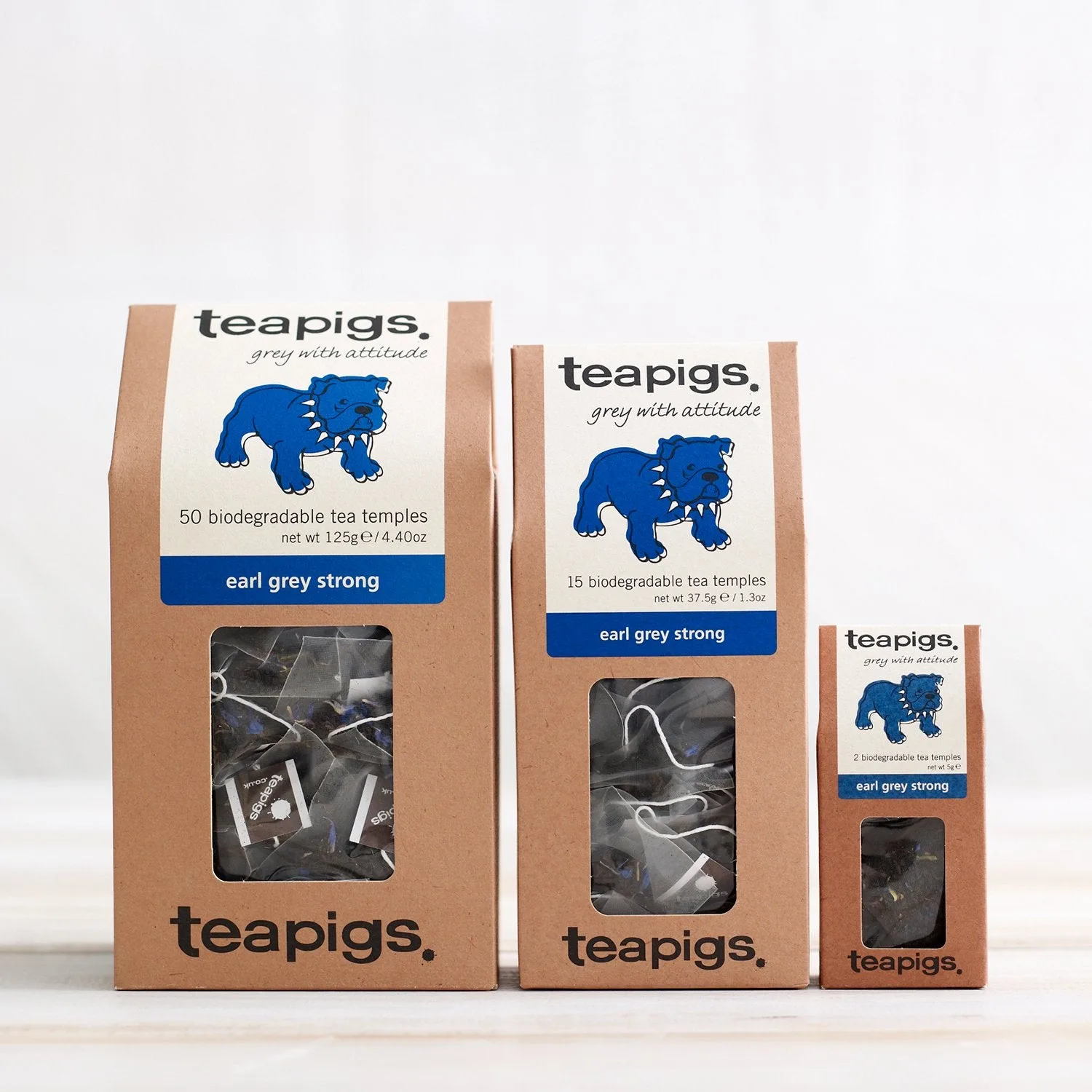
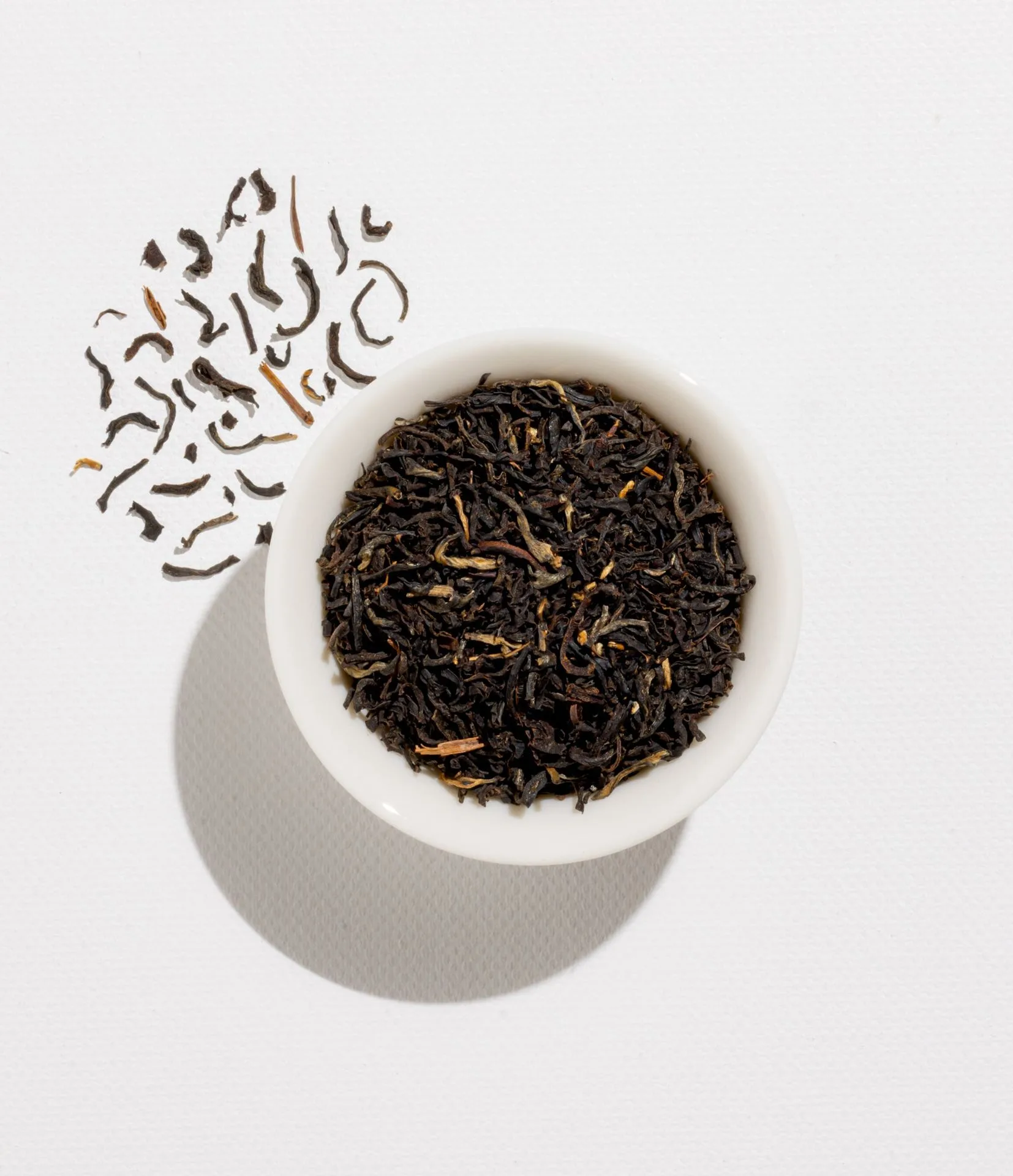
Earl Grey Strong tea
If you prefer a spiced twist, try a Chai tea with a dark chocolate that has hints of cinnamon or chili. The warming spices in the chai—cinnamon, cardamom, ginger—dance beautifully with the chocolate’s complexity, creating a cozy, aromatic experience. This pairing is perfect for cold afternoons or as an after-dinner treat.
Unexpected Delights: Herbal and Fruit Teas with Chocolate
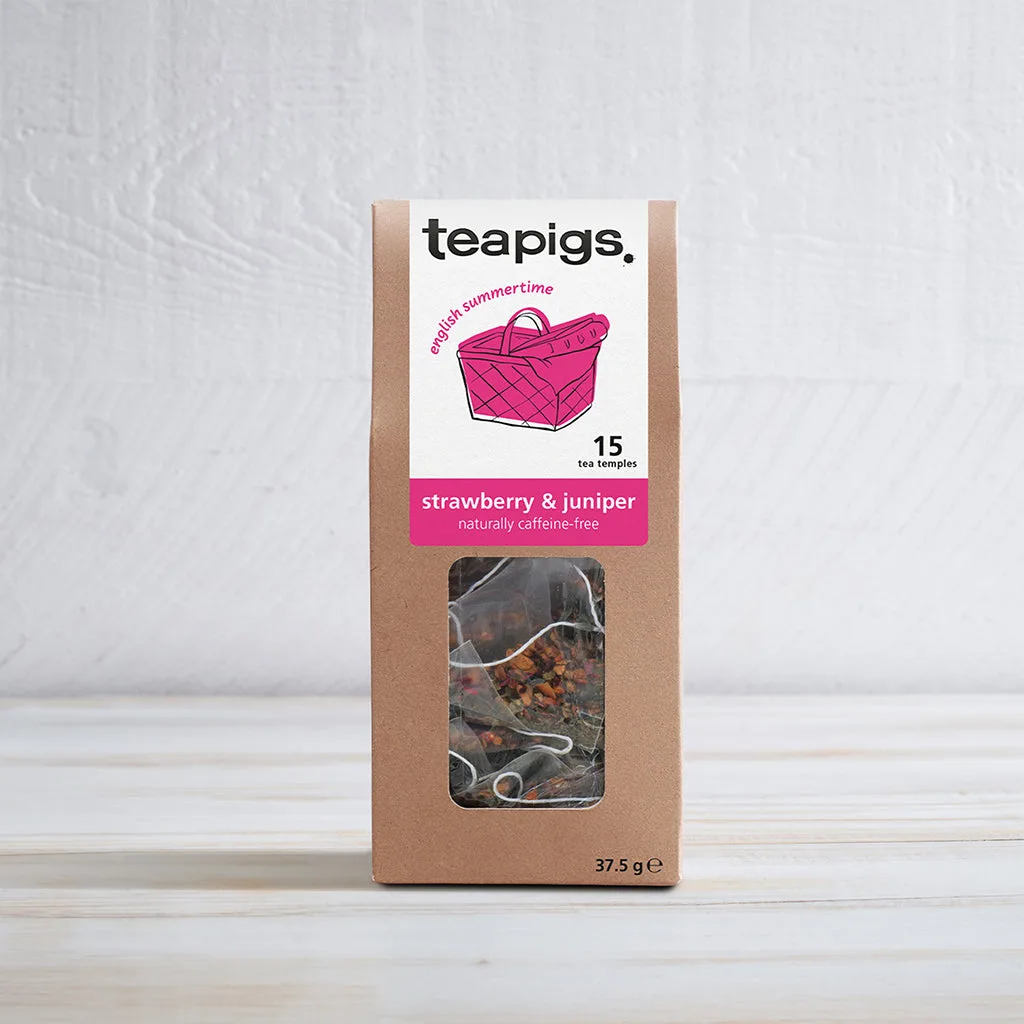
Don’t limit yourself to black tea—herbal and fruit teas can create surprising and delightful pairings with chocolate. A Strawberry and Juniper Tea, for instance, brings bright berry notes and a hint of piney juniper that can cut through the richness of a creamy milk chocolate, offering a refreshing contrast. The fruitiness of the tea enhances the chocolate’s sweetness without overpowering it.
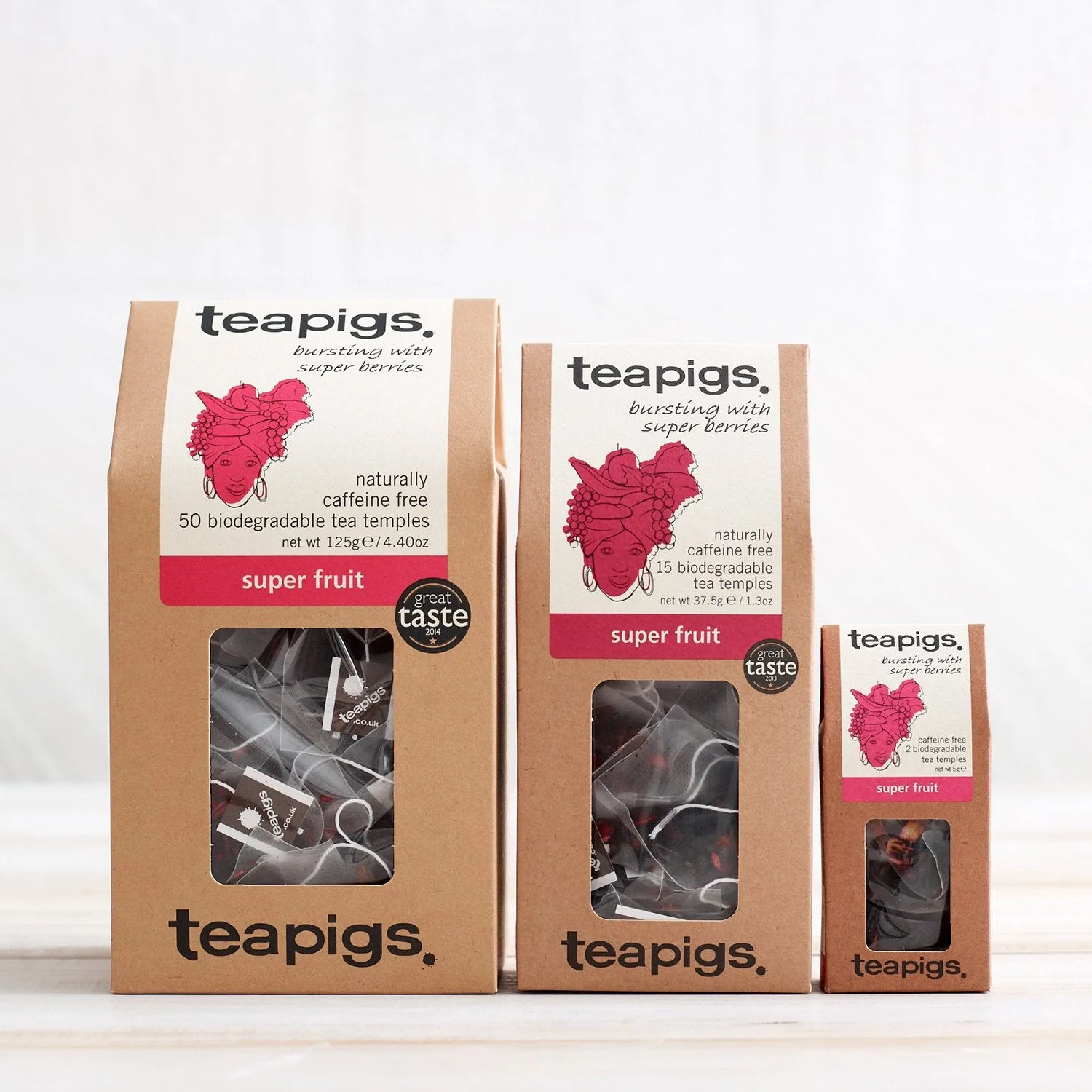
For a truly unique combination, pair a Super Fruit Tea—packed with berries, hibiscus, and other superfruits—with a dark chocolate that has fruity undertones. The tartness of the tea and the bitterness of the chocolate create a dynamic flavor journey, similar to a fine wine pairing. These fruity teas also work well with white chocolate, where the tea’s acidity balances the sweetness.
- Fruity teas like strawberry and juniper complement milk or white chocolate.
- Super fruit teas add tartness that balances dark chocolate’s bitterness.
- Herbal teas with mint or chamomile can cleanse the palate between bites.
Tips for Hosting a Tea and Chocolate Tasting
Hosting a tea and chocolate tasting at home is a fun and educational way to explore pairings with friends or family. Start by selecting 3-4 teas and 3-4 chocolates with varying intensities and flavor profiles. Use small tasting cups and break the chocolate into bite-sized pieces to avoid overwhelming your palate.
Begin with the lightest tea and chocolate, then move toward darker, more intense combinations. Encourage guests to take a sip of tea, then a bite of chocolate, and note how the flavors change. You can also use accessories like a Loose Tea Spoon for precise measuring and a Glass Storage Jar to keep your teas fresh and organized. For a cozy touch, serve tea in a Teapigs Dachshund Mug that adds personality to the experience.
Storing Your Tea and Chocolate for Optimal Freshness
To get the best flavor from your pairings, proper storage is essential. Both tea and chocolate are sensitive to light, heat, moisture, and strong odors. Store your loose leaf teas in airtight containers like a Glass Storage Jar to preserve their aroma and prevent them from absorbing fridge smells or spice cabinet odors. Keep them in a cool, dark cupboard away from the stove or window.
Chocolate should be stored in a cool, dry place (around 60-70°F) and away from direct sunlight. Avoid refrigerating chocolate unless absolutely necessary, as condensation can cause sugar bloom (white spots) and alter the texture. When stored correctly, both tea and chocolate can maintain their quality for months, ready for your next pairing session.
- Use airtight containers for tea to lock in freshness.
- Store chocolate at a consistent, cool temperature away from light.
- Keep tea and chocolate separate to avoid flavor transfer.
Exploring the world of tea and chocolate pairing is a delicious adventure that rewards curiosity and experimentation. Whether you are drawn to classic black tea with dark chocolate or want to try a fruity herbal tea with milk chocolate, the key is to taste, take notes, and enjoy the process. Start your journey today with a curated selection from our online shop, and discover how a perfectly paired cup of tea can transform your chocolate experience.