There’s something magical about the combination of tea and chocolate. Both are complex, layered, and steeped in tradition—yet they’re rarely considered together in a tasting experience. Whether you’re planning a cozy night in, a creative gift for a friend, or simply looking to elevate your afternoon treat, learning how to pair tea with chocolate opens up a world of flavor discovery.
In this guide, we’ll explore the principles behind successful tea and chocolate pairings, from dark and milk varieties to white chocolate and even savory cocoa blends. You’ll discover which Bird & Bloom tea blends bring out the best in your chocolate, how to host your own tasting session, and why the right cup can transform a simple sweet treat into a memorable moment.
Why Tea and Chocolate Work So Well Together
Both tea and chocolate contain hundreds of aromatic compounds that interact on the palate. The bitterness of dark chocolate can be softened by a floral or fruity tea, while the creaminess of milk chocolate calls for a tea with body and warmth. The key is balance—matching intensity, complementing flavors, and sometimes creating contrast for a surprising twist.
When you pair thoughtfully, each sip and bite reveals new layers. A tea with hints of caramel or spice can echo the toffee notes in a chocolate bar, while a grassy green tea might cut through the richness of a truffle. Understanding these dynamics turns a simple snack into a tasting adventure.
- Match intensity: light tea with light chocolate, bold tea with dark chocolate.
- Look for shared flavor notes: fruit, spice, nut, or floral.
- Use contrast to clean the palate: citrusy tea with creamy chocolate.
Matching Dark Chocolate with Bold, Spiced, or Fruity Teas
Dark chocolate (70% cocoa or higher) has a deep, slightly bitter profile that stands up to robust teas. A classic pairing is a smoky Lapsang Souchong or a rich black tea blend. For a festive twist, try a tea that brings fruit or spice to the table.
One standout option is Hot Cross Bun Tea, with its blend of cinnamon, clove, and citrus. The warming spices echo the complexity of dark chocolate, while the zesty notes lift the cocoa’s intensity. Alternatively, a fruity black tea like West Country Pear Cider Tea offers a crisp, apple-like sweetness that contrasts beautifully with bitter dark chocolate, creating a refreshing finish after each bite.

West Country Pear Cider Tea
- Dark chocolate + spiced tea: the heat of cinnamon and clove enhances cocoa’s depth.
- Dark chocolate + fruity tea: pear or berry notes cut through bitterness.
- Try a single-origin dark chocolate with a tea that shares its terroir notes.
Milk Chocolate and Creamy Teas: A Comforting Duo
Milk chocolate is sweeter, creamier, and less intense than dark, making it a perfect partner for teas that have a smooth, dessert-like quality. Think of teas with vanilla, caramel, or malt notes that wrap around the chocolate’s milky richness.
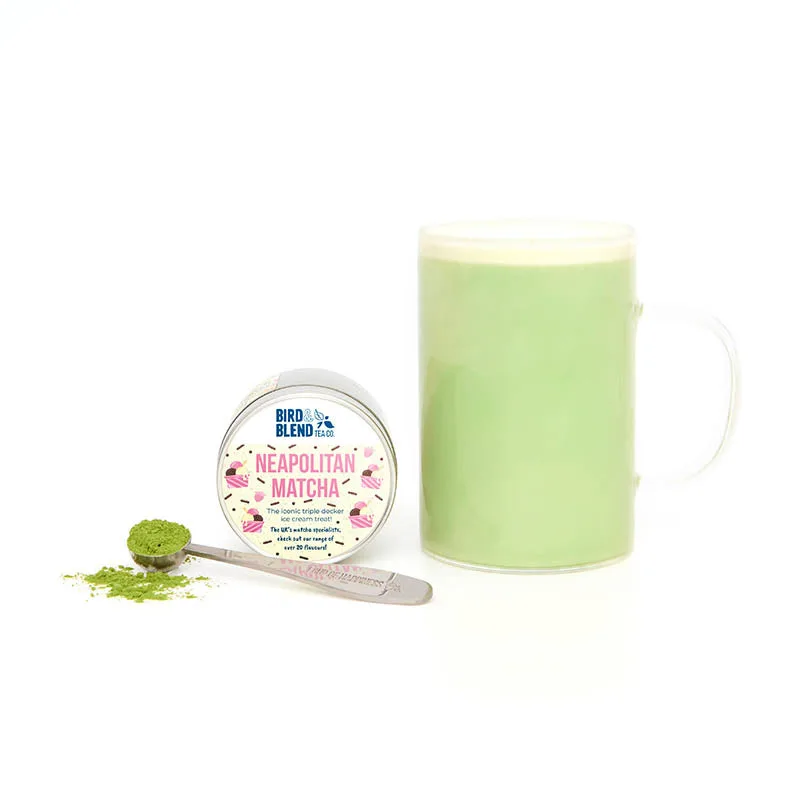
Rice Pudding & Jam Tea is an ideal match here. Its creamy, comforting flavor—reminiscent of a classic dessert—melds seamlessly with milk chocolate, while the jammy fruit notes add a bright pop. For a truly indulgent experience, pair milk chocolate with a tea that has a hint of butterscotch or toffee, such as Butterscotch Matcha, which brings a velvety texture and sweet warmth that makes every bite feel like a hug.
- Milk chocolate + creamy tea: vanilla and caramel notes enhance the sweetness.
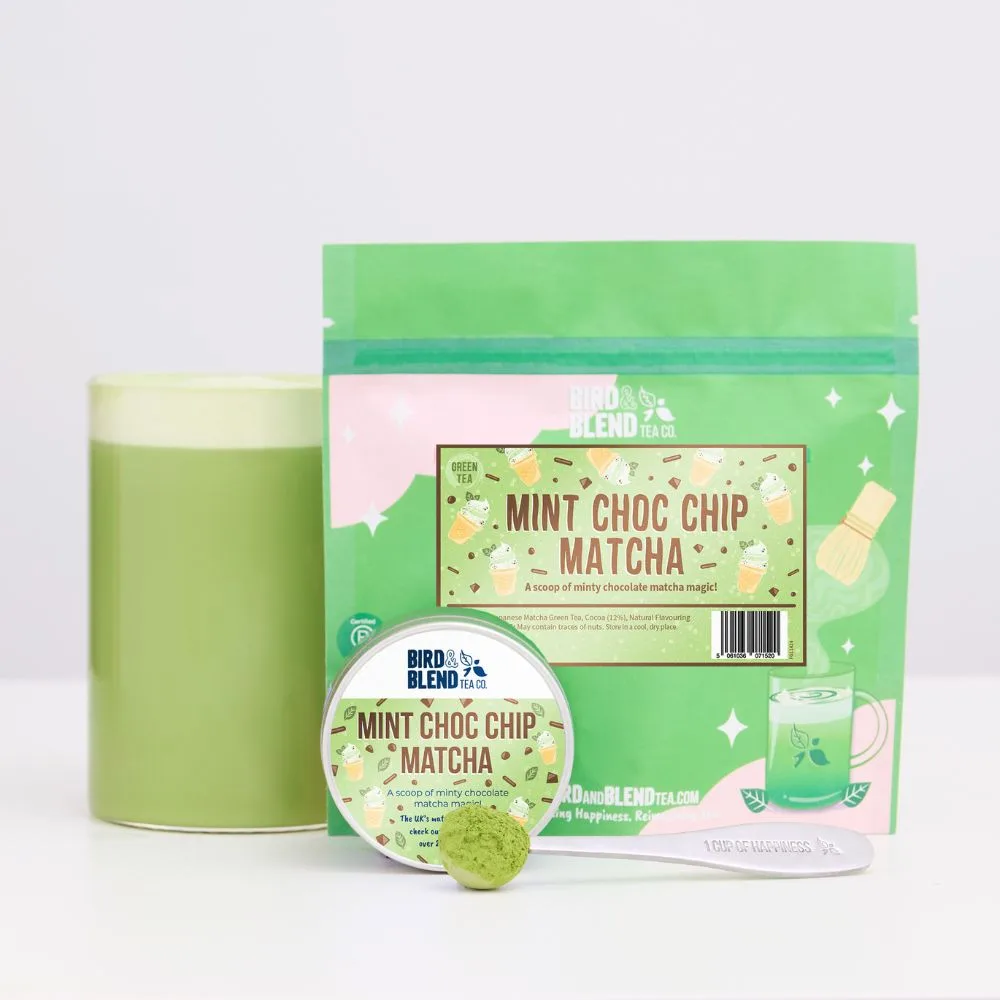
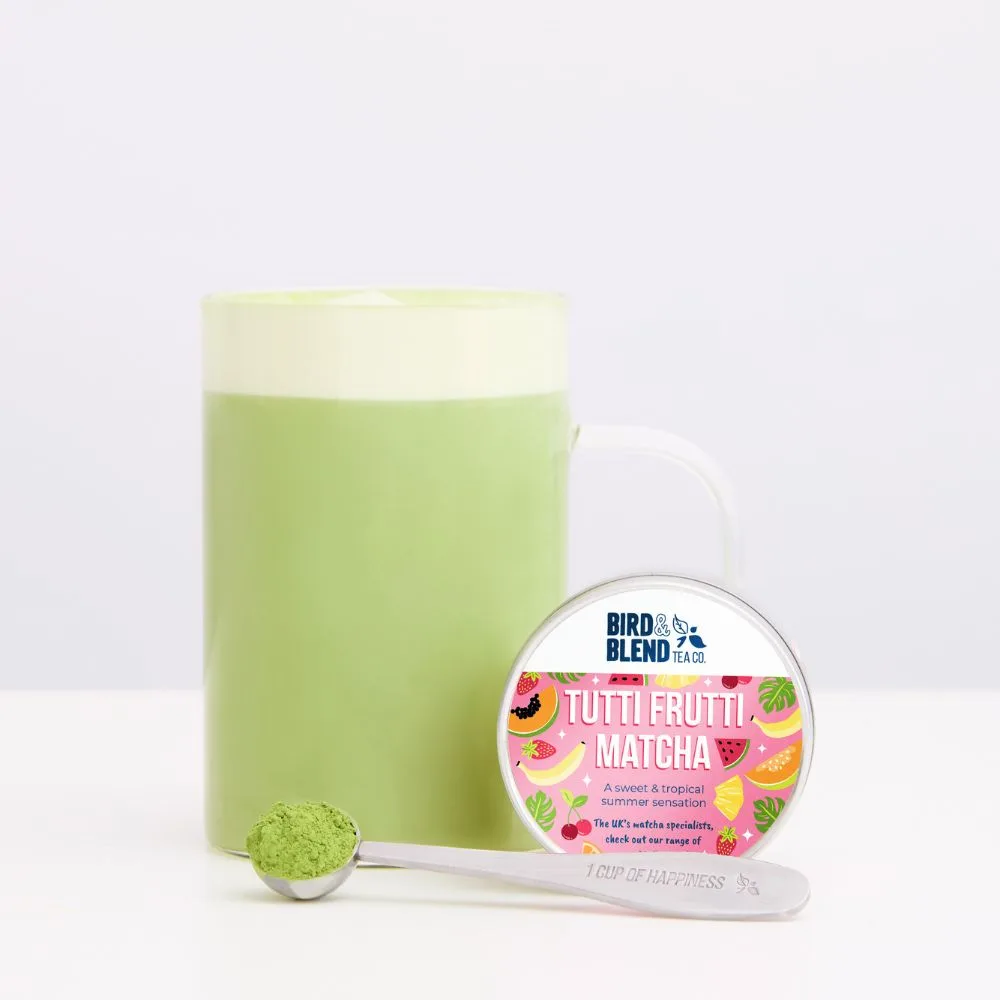
- Milk chocolate + matcha: the grassy, umami notes of matcha provide a clean contrast.
- Serve with a dollop of whipped cream for an extra decadent treat.
White Chocolate and Delicate, Floral, or Fruity Teas
White chocolate is buttery, sweet, and mild, so it needs a tea that won’t overpower it. Delicate white teas, floral oolongs, or light fruit infusions work beautifully. The goal is to complement rather than compete with the chocolate’s creamy sweetness.
A tea like Rice Oolong Tea, with its nutty, slightly toasty character, adds a subtle savory note that balances white chocolate’s richness. Alternatively, a fruity herbal blend can provide a refreshing lift. For a playful pairing, try a tea that mimics a dessert flavor, such as Toffee Apple Matcha, whose apple and caramel notes mirror the sweetness of white chocolate while adding a hint of tartness to keep things interesting.
- White chocolate + floral tea: jasmine or rose petals create a fragrant pairing.
- White chocolate + nutty oolong: the toasty notes add depth without overpowering.
- Add a sprinkle of sea salt to the chocolate for a sweet-salty contrast.
Hosting a Tea and Chocolate Tasting at Home
A tea and chocolate tasting is a wonderful way to explore flavors with friends or family. Start by selecting three to four teas and an equal number of chocolate varieties—dark, milk, white, and perhaps a flavored or salted option. Brew each tea according to its ideal temperature and steep time, and cut the chocolate into small, uniform pieces.
Taste the chocolate first, letting it melt on your tongue, then sip the tea. Notice how the flavors change: does the tea make the chocolate sweeter? Does the chocolate bring out hidden notes in the tea? Take notes and share your impressions. It’s a fun, interactive experience that deepens your appreciation for both ingredients.
- Use plain water and plain crackers to cleanse your palate between pairings.
- Label each tea and chocolate so guests can track their favorites.
- Include a wildcard pairing, like a savory tea with a chili-spiced chocolate.
Beyond the Basics: Savory and Adventurous Pairings
Don’t limit yourself to sweet chocolates. Savory chocolates—those with sea salt, chili, herbs, or even cheese—offer exciting pairing opportunities. A tea with smoky or earthy notes can stand up to these bold flavors, while a tea with a hint of sweetness can tame the heat.
For example, a chili dark chocolate pairs brilliantly with a tea that has a touch of warmth, like Eggnog Tea, whose nutmeg and vanilla soften the spice. Or try a salted caramel chocolate with Banoffee Rum-ba Tea, which brings toffee and rum notes that mirror the caramel and add a boozy kick. These adventurous pairings are perfect for impressing guests or treating yourself to something new.
- Chili chocolate + spiced tea: the heat is mellowed by cinnamon and clove.
- Salted caramel + toffee tea: a match made in dessert heaven.
- Herb-infused chocolate (rosemary, thyme) + floral or green tea for a garden-fresh pairing.
Tips for Choosing the Right Tea for Any Chocolate
When in doubt, follow the flavor wheel: if your chocolate has fruity notes (berry, citrus), choose a tea with similar fruitiness. If it’s nutty or caramel-like, look for a tea with toffee, honey, or roasted notes. For chocolates with spice, a chai or spiced black tea is a natural fit.
Also consider the chocolate’s cocoa percentage. Higher cocoa content (70%+) pairs well with bold, malty, or smoky teas. Lower percentages (30–50%) work better with lighter, floral, or fruity teas. And don’t forget texture—creamy chocolates love creamy teas, while crunchy or filled chocolates can handle a more complex brew.
- Keep a tasting journal to record your favorite pairings.
- Experiment with temperature: iced tea can be refreshing with chocolate on a warm day.
- Share your discoveries online using #TeaAndChocolatePairing.
Whether you’re a seasoned tea lover or a chocolate enthusiast looking for a new adventure, pairing these two beloved treats is a journey worth taking. Start with a classic dark chocolate and a spiced blend, then explore the creamy, fruity, and even savory combinations that surprise and delight. For a truly memorable tasting, try the Hot Cross Bun Tea with a piece of dark chocolate—it’s a pairing that captures the warmth of the season and the joy of discovery.