Choosing the right protein bar for your workout can make a noticeable difference in your energy levels, performance, and recovery. Not all bars are created equal, and the best option depends on whether you need a quick pre-workout snack, intra-workout support, or a post-workout recovery boost. Understanding how to pair your protein bar with the right workout helps you get the most out of every session.
In this guide, we will break down the key factors to consider when selecting a protein bar for different types of exercise, including timing, macronutrient composition, and your specific fitness goals. Whether you are lifting heavy, running long, or squeezing in a quick home session, there is a perfect bar waiting for you.
Why Pairing Protein Bars with Workouts Matters
Protein bars are a convenient and portable source of nutrition, but their effectiveness depends on when and how you use them. A bar designed for pre-workout fuel should provide quick-digesting carbohydrates and moderate protein to sustain energy without causing digestive discomfort. Post-workout bars, on the other hand, need higher protein content to support muscle repair and glycogen replenishment.
Matching the right bar to your workout type also helps you avoid common pitfalls like feeling sluggish mid-session or not getting enough amino acids for recovery. By understanding the nutritional profile of each bar, you can turn a simple snack into a strategic tool for better performance.
- Pre-workout bars should contain 15-25g of carbs and 10-15g of protein.
- Post-workout bars should offer at least 20g of protein and low sugar.
- For long endurance sessions, look for bars with added electrolytes or caffeine.
Pre-Workout: Fueling Up for Strength and Endurance
When you are about to hit the weights or go for a run, your body needs readily available energy. A pre-workout protein bar should be easy to digest and provide a mix of carbohydrates and protein. The Chocolate Chip Cookie Dough Protein Bar is an excellent choice here because it delivers a balanced ratio of carbs and protein without being too heavy. Its soft texture makes it easy to eat 30-45 minutes before exercise.
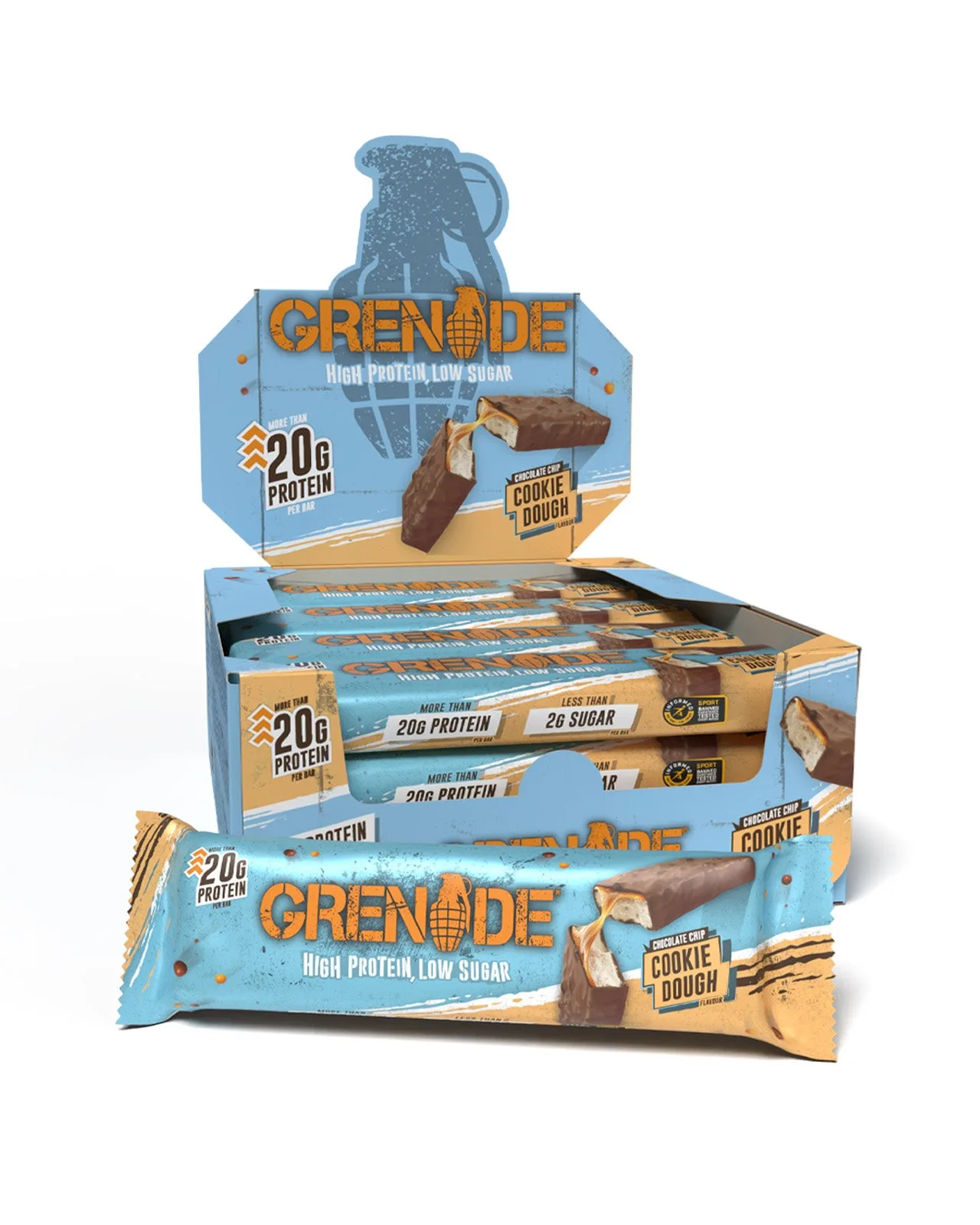
Chocolate Chip Cookie Dough Protein Bar
For those who prefer a more indulgent flavor that still supports performance, the Chocolate Chip Salted Caramel Protein Bar offers a satisfying sweet-and-salty taste with 20g of protein. The added salt can also help with hydration and electrolyte balance, especially if you tend to sweat heavily during your workout.
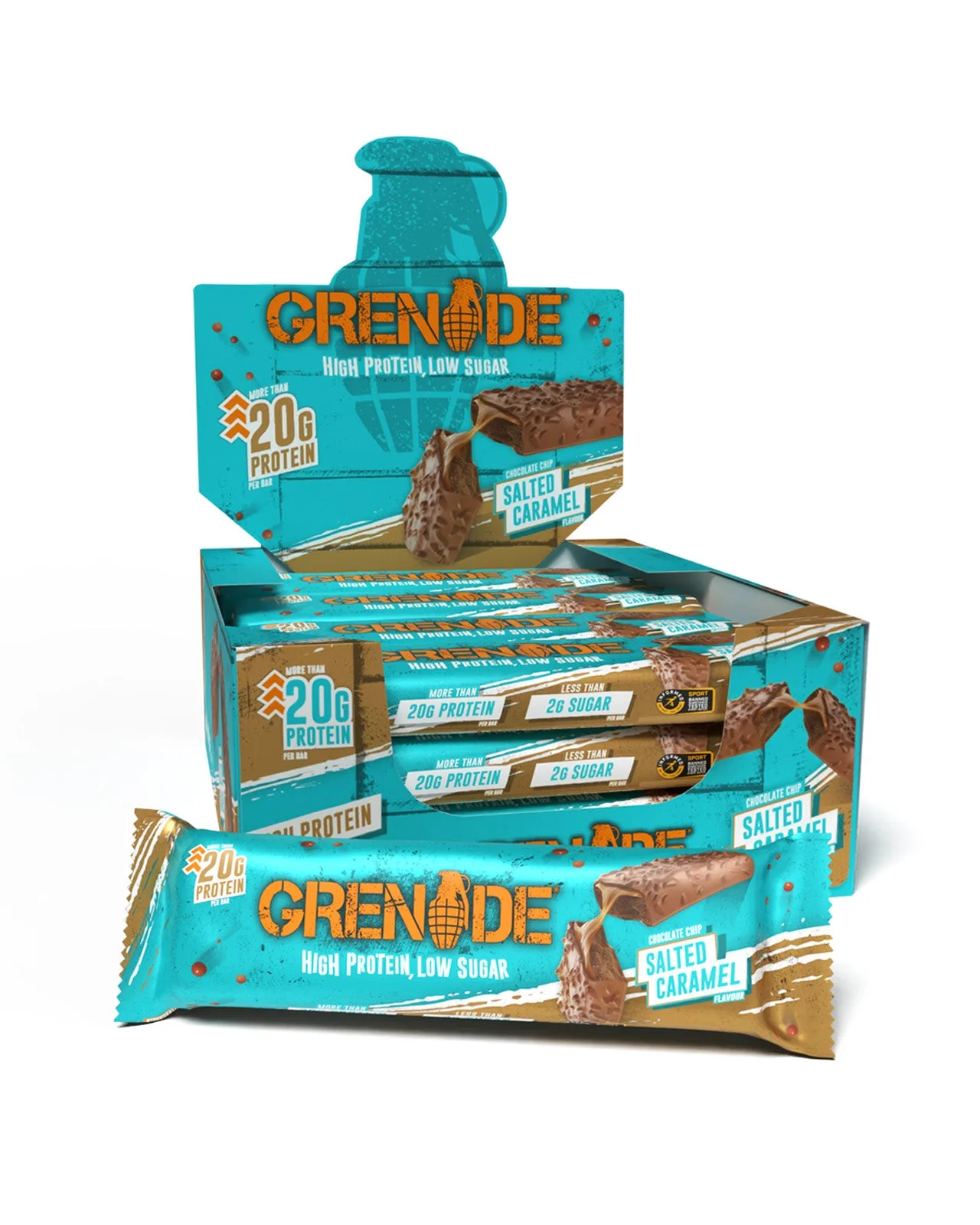
Chocolate Chip Salted Caramel Protein Bar
- Eat your pre-workout bar 30-45 minutes before training.
- Pair with water to aid digestion and hydration.
- Avoid bars with too much fibre or sugar alcohols right before exercise.
Post-Workout: Recovery and Muscle Repair
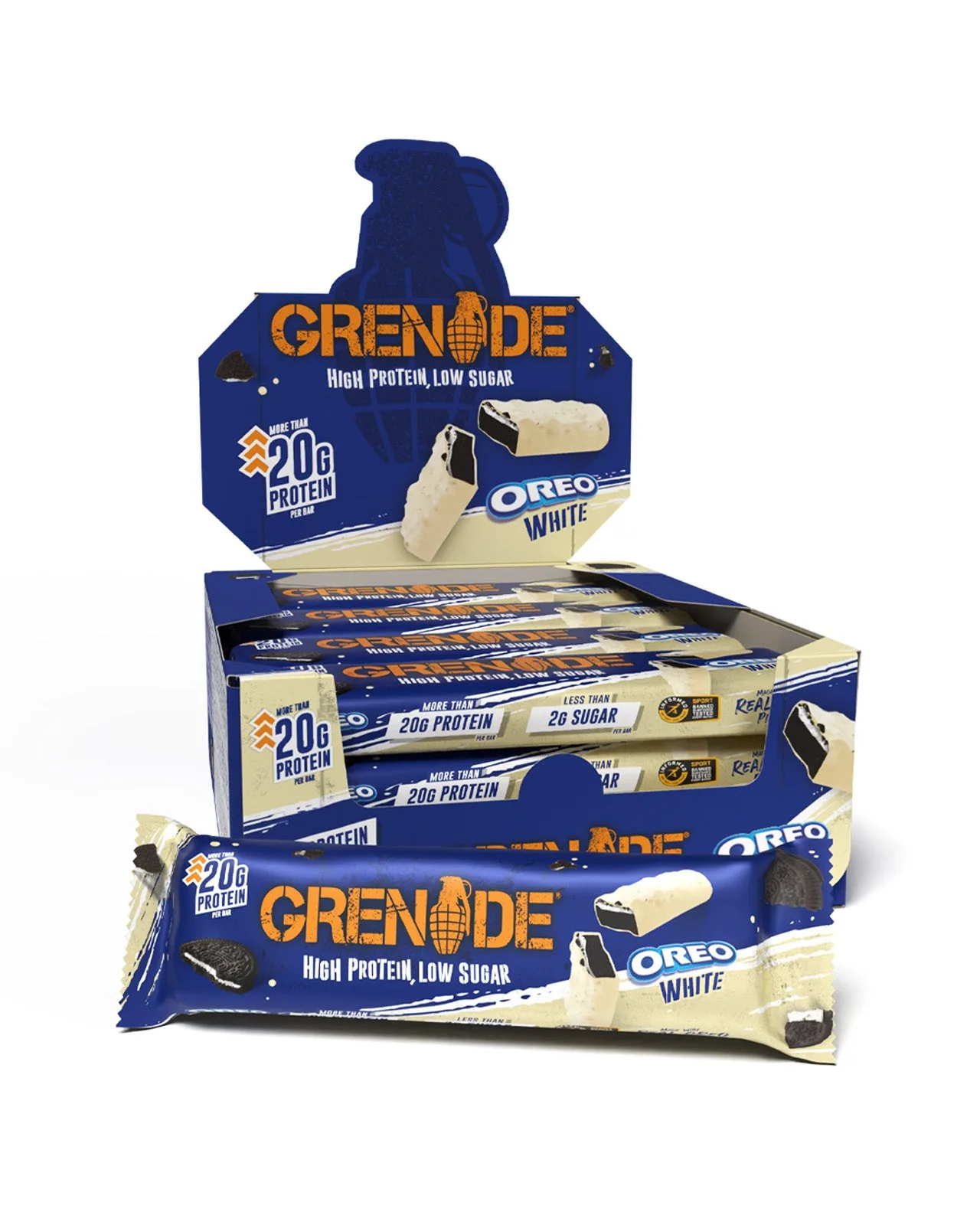
After an intense workout, your muscles are primed for nutrient uptake. A post-workout protein bar should be rich in protein to kickstart muscle repair and contain some carbohydrates to replenish glycogen stores. The OREO White Protein Bar is a popular post-workout option because it packs 20g of protein and a delicious taste that feels like a treat after a hard session.
If you prefer a classic flavor that never gets old, the Chocolate Chip Cookie Dough Protein Bar also works well post-workout. Its protein content supports muscle recovery, while the carbohydrates help restore energy levels. For best results, consume your post-workout bar within 30-60 minutes after finishing your exercise.
- Aim for a 3:1 or 4:1 carb-to-protein ratio after endurance workouts.
- For strength training, focus on higher protein (20-25g) and moderate carbs.
- Drink plenty of water to aid protein synthesis and recovery.
Intra-Workout: Sustaining Energy During Long Sessions
For workouts lasting longer than 90 minutes, such as marathon training or extended cycling, an intra-workout snack can help maintain energy and prevent muscle breakdown. While protein bars are not typically designed for mid-workout consumption, some soft, easily digestible options can work if you take small bites and chew thoroughly.
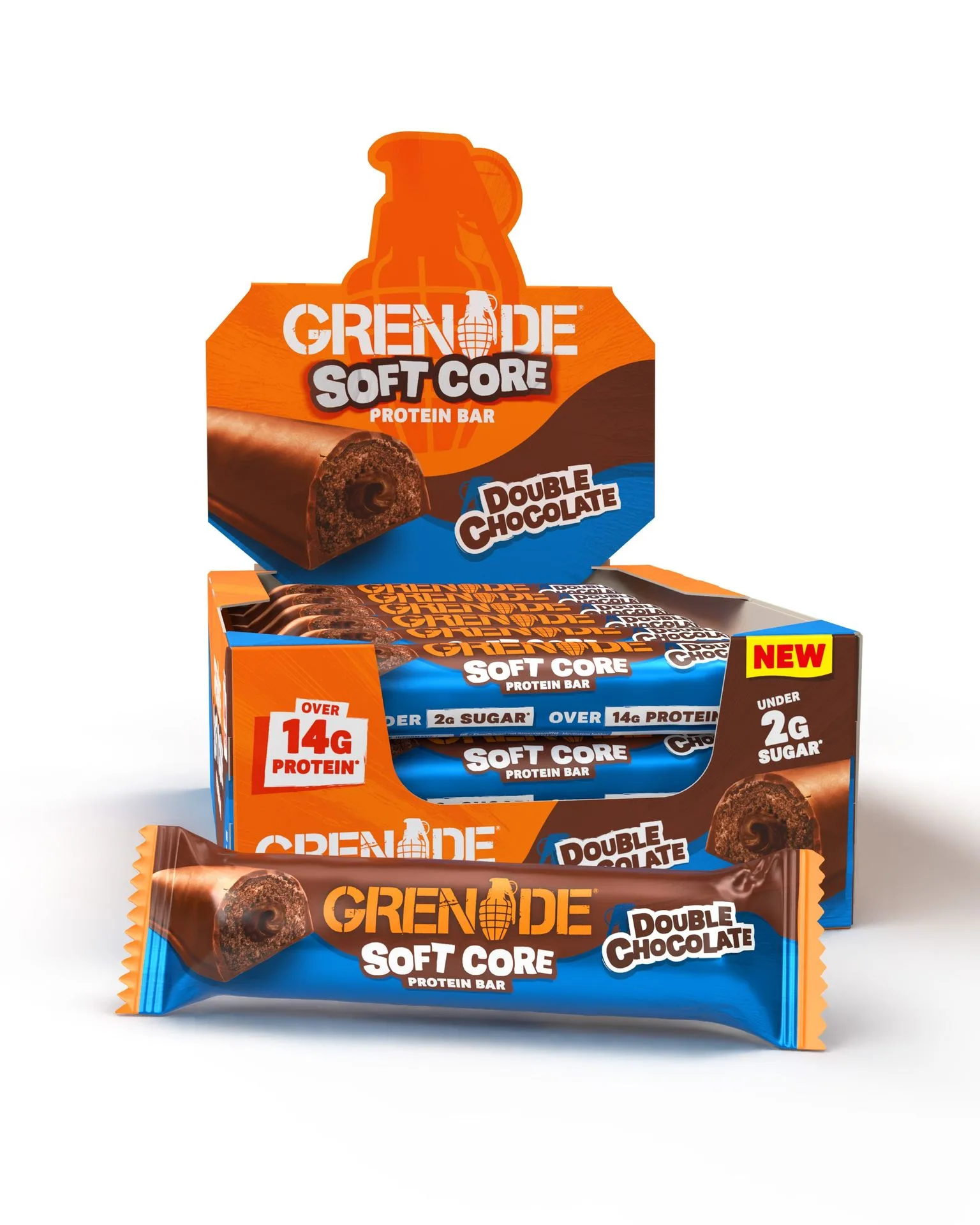
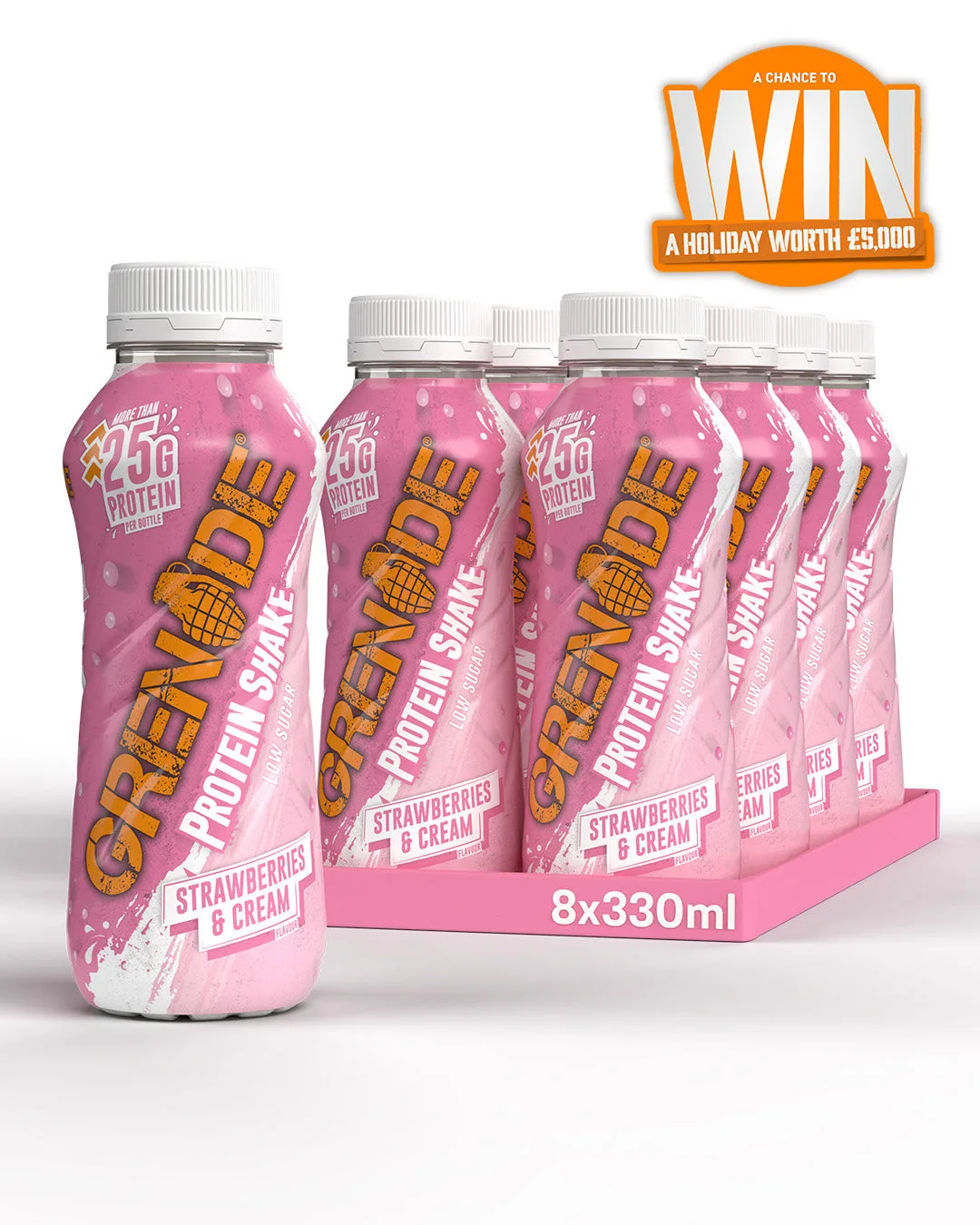
The Soft Core Double Chocolate Protein Bar has a softer texture that makes it easier to eat during exercise compared to harder bars. Its protein content provides a steady stream of amino acids, which can help delay fatigue. However, if you prefer a liquid option during your session, bottled protein shakes like the Strawberries and Cream Protein Shake (8 Pack) 330ml are a faster, more convenient alternative.
- Stick to small portions during exercise to avoid stomach upset.
- Choose bars with simple ingredients and low fibre content.
- Alternate between bars and shakes for variety and easier digestion.
Matching Bars to Workout Types
Different workouts demand different nutritional strategies. For high-intensity interval training (HIIT) or CrossFit, you need quick energy and fast recovery. A bar like the Chocolate Chip Salted Caramel Protein Bar works well because it provides both carbs and protein without weighing you down. For steady-state cardio, such as jogging or cycling, a lighter bar with more carbs and less fat is ideal.
For strength training and bodybuilding, prioritize protein content. The OREO White Protein Bar or the Chocolate Chip Cookie Dough Protein Bar both deliver solid protein numbers to support muscle growth. If you are doing yoga or Pilates, a smaller, lower-calorie bar can provide a gentle energy boost without making you feel full.
- HIIT: balanced carb-protein bar like Chocolate Chip Salted Caramel.
- Strength: high-protein bar (20g+) like OREO White Protein Bar.
- Cardio: lighter bar with more carbs and less fat.
- Yoga/Pilates: small, low-fibre bar for gentle energy.
Tips for Timing Your Protein Bar
Timing is everything when it comes to workout nutrition. Eating too close to exercise can cause cramping, while eating too early may leave you hungry mid-session. A good rule of thumb is to eat a pre-workout bar 30-60 minutes before training. For post-workout, aim to consume your bar within 30 minutes to an hour after finishing.
If you are stacking multiple supplements, consider pairing your bar with a creatine monohydrate product like the Creatine Monohydrate - Unflavoured for added strength and power benefits. Creatine works well with protein to enhance muscle recovery and performance over time.
- Pre-workout: 30-60 minutes before exercise.
- Post-workout: within 30-60 minutes after exercise.
- Intra-workout: only for sessions over 90 minutes.
- Pair with creatine for extra strength gains.
Finding the right protein bar for your workout doesn't have to be complicated. By considering your exercise type, timing, and nutritional needs, you can turn a simple snack into a powerful performance tool. Whether you need a pre-workout boost or post-workout recovery, Grenade has a bar that fits your goals. Explore our full range of protein bars and discover your perfect fitness pairing today.