Quick Answer
To plan a successful board game night with Stonemaier Games, start by choosing a game that matches your group's size and experience, then prepare your space and snacks in advance. Use a step-by-step approach to ensure everyone has fun and knows the rules.
Hosting a board game night is a great way to bring friends and family together for an evening of strategy and laughter. With Stonemaier Games' acclaimed titles like Scythe and Wingspan, you can offer a memorable experience that goes beyond typical party games.
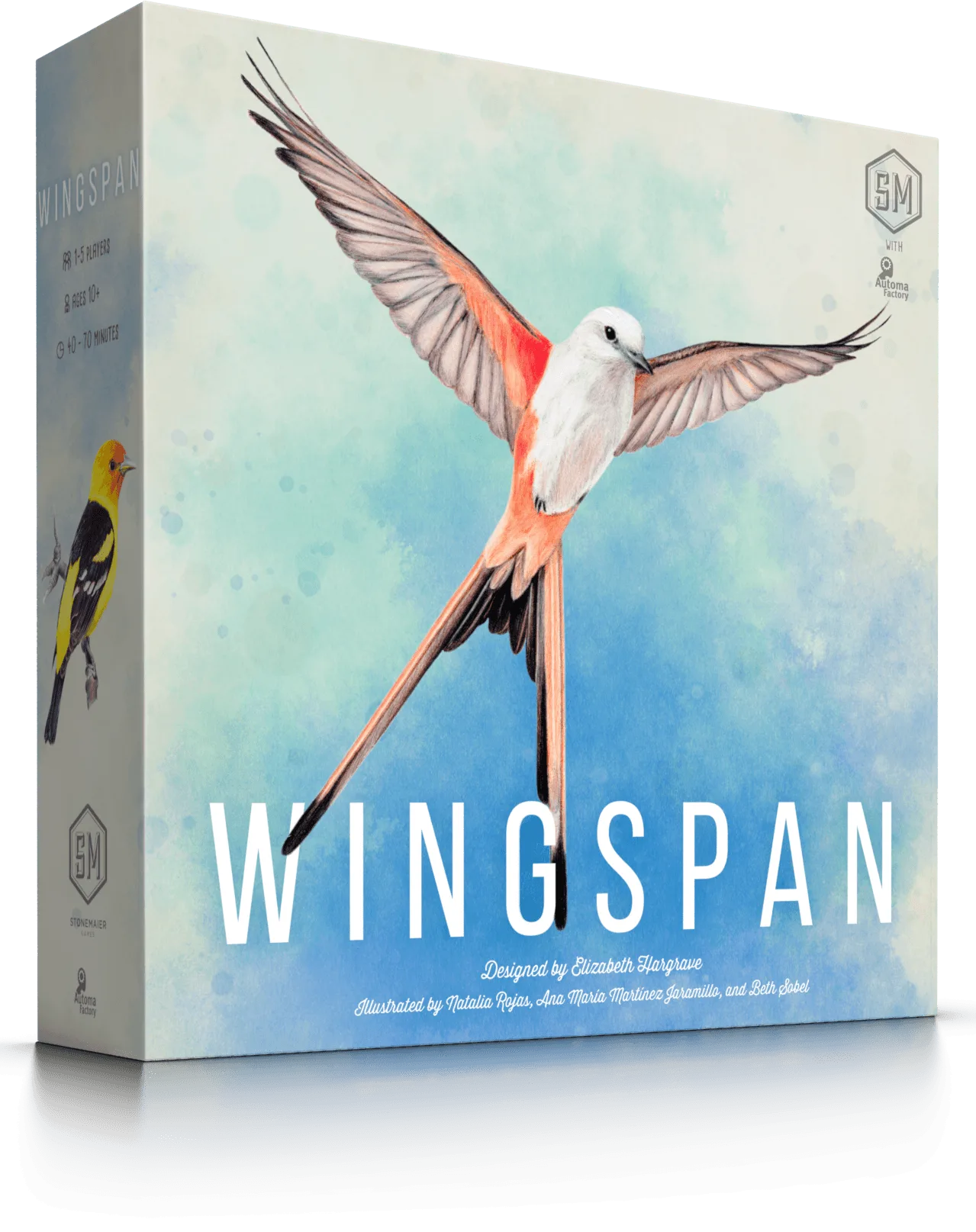
Wingspan
This guide walks you through the essential steps to plan a board game night, from selecting the right Stonemaier game to setting up a comfortable gaming area. Whether you're a seasoned host or new to the hobby, these tips will help you create a smooth, enjoyable event.
Step 1: Choose the Right Stonemaier Game
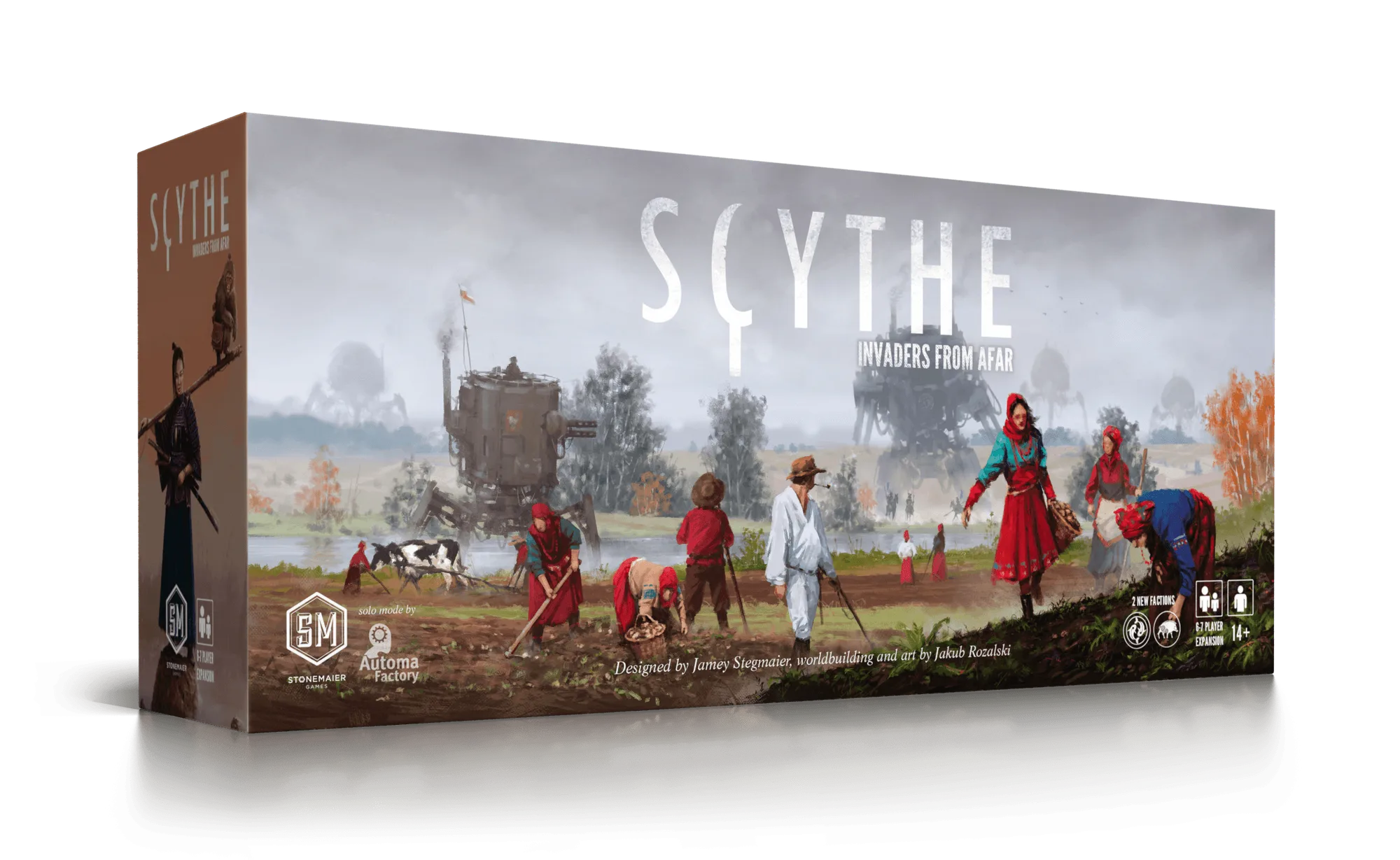
The first step is to pick a game that fits your group. Consider the number of players, their experience with board games, and the length of time you have. Stonemaier Games offers a range of options: Scythe is a deep, engine-building game for 1-5 players that takes about 115 minutes, ideal for experienced gamers. For a lighter, nature-themed experience, Wingspan is a popular choice that appeals to a wide audience.
If your group is large or includes casual players, you might prefer a game with simpler rules or a shorter playtime. For example, Rolling Realms is a fast-paced dice game that works well as a filler. Always check the player count and complexity before choosing.
- Check the game's player count and estimated playtime to ensure it fits your evening.
Step 2: Prepare Your Space
A comfortable playing area is crucial. Make sure you have a table large enough to spread out the board and components, and provide good lighting so players can see the details. If you have a big group, consider having multiple tables or a side area for snacks to keep the game area clean.
Arrange chairs so everyone can reach the board and their player pieces. Have a designated area for rulebooks and reference cards, and keep pens and paper handy for scoring. A tidy, organized space helps players focus and enjoy the game.
- Test the table size with the game's footprint before the night to avoid surprises.
Step 3: Plan Your Player List and Invitations
Decide who to invite based on the game's player count. Scythe supports up to 5 players, while Wingspan allows up to 5 with expansions. Send invitations well in advance, and ask guests to RSVP so you can plan seating and snacks. If you have more players than the game allows, consider splitting into groups or choosing a game with a higher player count.
For a mix of experience levels, pair seasoned players with newcomers to help teach the rules. You can also assign a 'rules expert' to each table to avoid bottlenecks. Remember, the goal is to have fun, so be flexible with player count and game selection.
- Create a group chat to coordinate schedules and share the chosen game's overview.
Step 4: Plan Snacks and Drinks
Snacks are a key part of any game night, but choose wisely to avoid greasy fingers on components. Offer finger foods like pretzels, veggie sticks, or chips, and have napkins and wet wipes available. Drinks should be in spill-proof cups or placed on a separate table to protect the game.
Consider a potluck style where each guest brings a snack. This reduces your workload and gives variety. Keep the game area clear of food and drinks to prevent accidents. A designated snack table is a simple solution.
- Provide coasters and encourage players to keep drinks away from the board.
Step 5: Teach the Rules Clearly
Before starting, take time to explain the rules. If you're not confident, watch a how-to-play video or read the rulebook thoroughly. Start with a brief overview of the game's objective and main actions, then walk through a sample turn. Use the game's components to demonstrate.
Encourage questions and be patient. For complex games like Scythe, consider playing a practice round or using the game's Automa (solo) mode to learn. Stonemaier Games often provides helpful player aids and reference cards to simplify learning.
- Assign a 'rules master' who knows the game well to keep the pace smooth.
Step 6: Set the Mood and Manage Time
Create a welcoming atmosphere with background music (instrumental works best) and comfortable temperature. Make sure your schedule allows enough time for the game, including setup and cleanup. For longer games, plan a break halfway through so players can stretch and socialize.
Keep an eye on the clock and be ready to wrap up if time runs short. Many Stonemaier games have adjustable end conditions or you can agree on a stopping point. The goal is to enjoy the evening, not to force a finish.
- Use a timer to remind players of time, but be flexible if everyone is having fun.
Your Step-by-Step Game Night Plan
- Select the Game: Choose a Stonemaier game that fits your group's size and experience. For 1-5 players who like strategy, Scythe is a solid pick; for a broader audience, consider Wingspan. Check the player count and complexity before committing.
- Prepare the Space: Set up a clean, well-lit table with enough room for the board and components. Arrange seating so everyone can reach the game. Do a trial setup before the event to avoid space issues.
- Invite Players: Send invitations early and confirm the number of players. Aim for a group that matches the game's player count. Have a backup game in case more people show up than expected.
- Plan Snacks and Drinks: Offer easy-to-eat finger foods and place drinks away from the game area to prevent spills. Use a separate snack table to keep components clean.
- Teach the Rules: Give a clear explanation of the rules, using visual aids and examples. Be patient and encourage questions. Consider a practice round for complex games like Scythe.
- Set the Mood and Manage Time: Create a comfortable atmosphere with music and breaks. Keep an eye on the clock and be ready to adjust if needed. The goal is fun, not finishing at all costs.
Stonemaier Games That Shine on Game Night
- Scythe: Scythe is an engine-building, asymmetric, competitive board game set in an alternate-history 1920s period. It plays 1-5 players in about 115 minutes and features art & worldbuilding by Jakub Rozalski. Scythe is perfect for a dedicated game night with experienced players who enjoy deep strategy and immersive themes.
- Wingspan Bundle: This bundle includes Wingspan and its expansions: Americas, European, Oceania, and Asia. The Wingspan Bundle offers variety and replayability, making it a great choice for groups that want to play multiple sessions or try different expansions.
- Rolling Realms Promo: Minigolf: Expand your copy of Rolling Realms with this set of 6 promo cards inspired by the minigolf game inside the original core game. Requires Rolling Realms core game. This promo pack adds a fun twist to Rolling Realms, a fast and light game that can serve as an opener or filler during your game night.
With careful planning and the right Stonemaier game, your board game night can be a hit. Remember to prioritize fun and flexibility, and don't be afraid to adapt your plan based on your group's energy. Now, gather your friends and roll the dice!