Quick answer
Set up a game of hide and seek with an interactive plush pet like Kupcake the Kitten or Pogo the Puppy, using the included Seeker Wand to track them by sound.
Why interactive plush pets make hide and seek more engaging
Traditional hide and seek relies on visual spotting or verbal clues. Interactive plush pets add an audio layer: the Seeker Wand emits a sound only the pet can hear, and the pet calls out in response. This turns the game into a listening exercise, which helps toddlers develop auditory tracking skills and patience.
Choosing between Kupcake the Kitten and Pogo the Puppy
Both plush pets work with the same Seeker Wand, so you can mix and match. Kupcake the Kitten is a soft, cuddly cat, while Pogo the Puppy is a playful dog. The choice comes down to your child's animal preference. Note that both require 5 AAA batteries (not included), so have extras ready.
How to play hide and seek with plush pets
- Insert batteries: Open the battery compartment on both the plush pet and the Seeker Wand. Insert 5 AAA batteries into each (not included). Common mistake: using old or mismatched batteries can cause weak sound. Test both devices before starting.
- Choose a hider and seeker: One person (often an adult or older sibling) hides the plush pet while the child covers their eyes. The hider should choose a spot that is safe and accessible, like behind a cushion or under a low table. Checkpoint: ensure the hiding spot is not too high or in a place where the child could get hurt reaching.
- Activate the Seeker Wand: Give the child the Seeker Wand. Show them how to press the button to emit the sound that only the plush pet can hear. The pet will call out when it detects the sound. Common mistake: pressing the wand too quickly or repeatedly can confuse the pet. Teach slow, deliberate presses.
- Follow the sounds: The child moves around the room, pressing the wand and listening for the pet's call. Encourage them to get closer to the sound. Checkpoint: if the child gets frustrated, give verbal hints like 'warmer' or 'colder' to keep the game fun.
- Celebrate the find: When the child finds the hiding plush pet, celebrate with a hug or a small cheer. Let them hide the pet next to practice the other role. Common mistake: skipping the celebration can reduce motivation. Always acknowledge the success to build confidence.
Plush pets for hide and seek
-
Hide & Seek Pals - Kupcake the Kitten: Kupcake the Kitten works with the Seeker Wand, which emits a sound only the animal can hear. This sound-based tracking helps toddlers practice listening and direction-finding without needing to read or count.
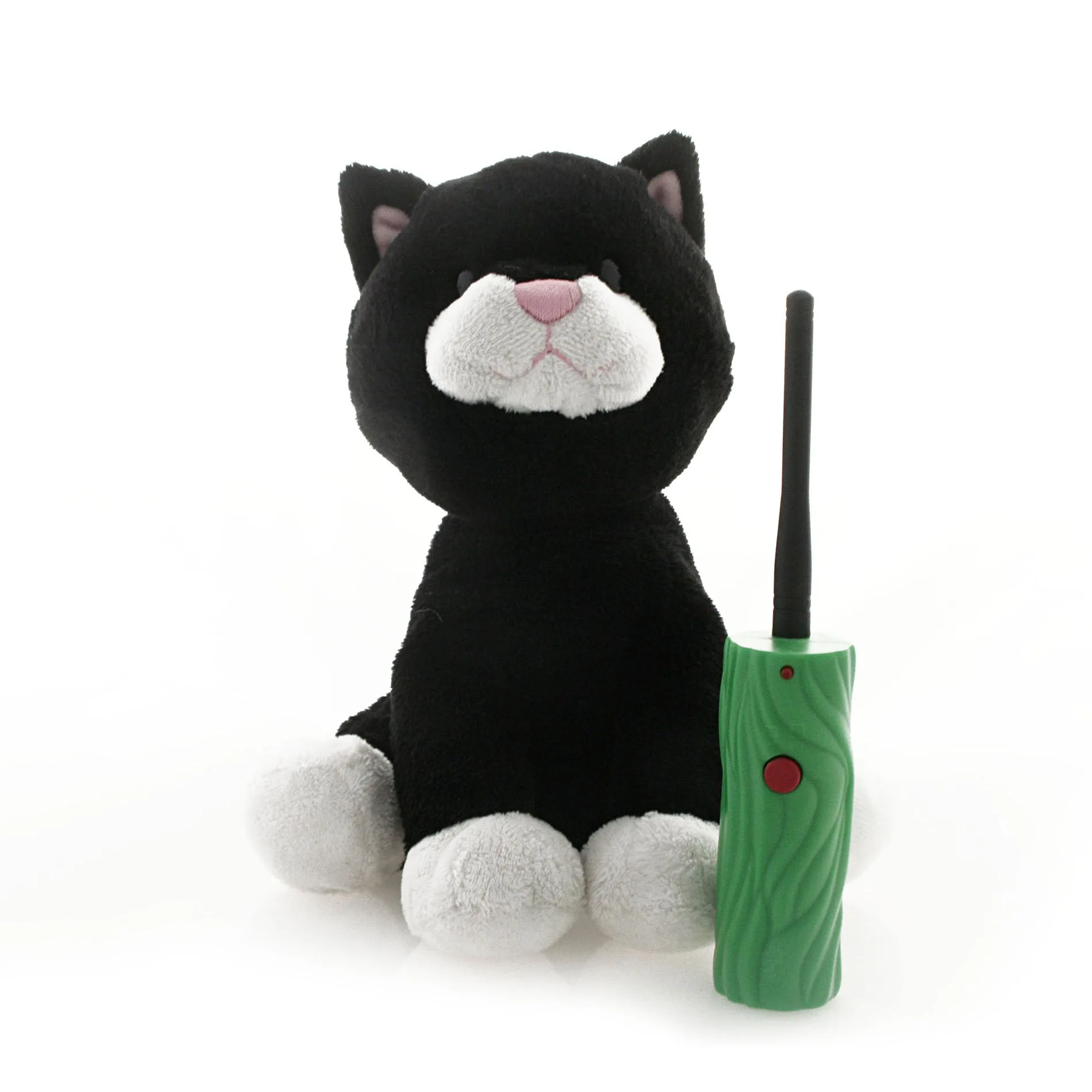
Hide & Seek Pals - Kupcake the Kitten
-
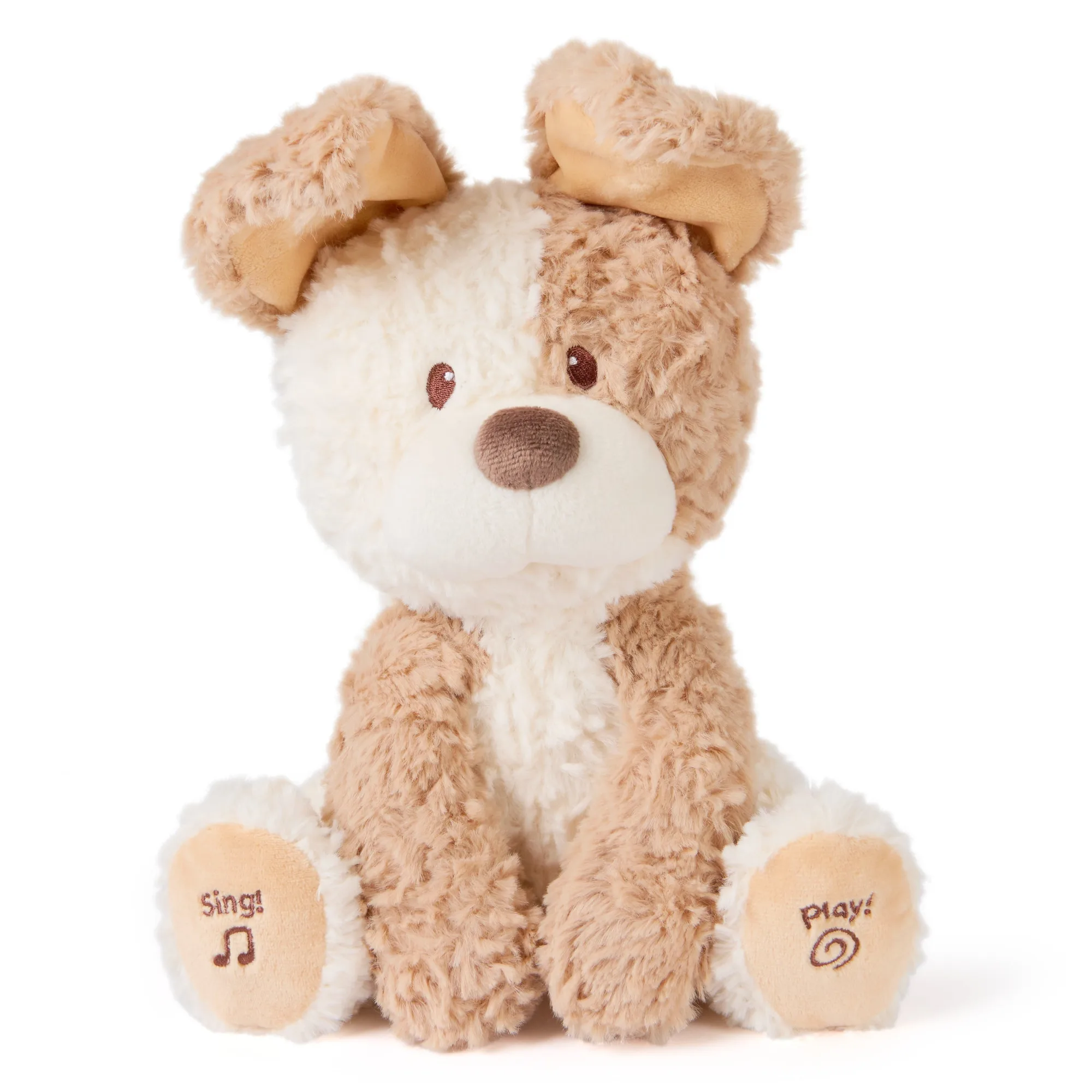
Hide & Seek Pals - Pogo the Puppy: Pogo the Puppy also responds to the Seeker Wand and calls out when it hears the sound. The dual-audio feedback (wand sound + pet call) keeps young children engaged and reinforces cause-and-effect learning.
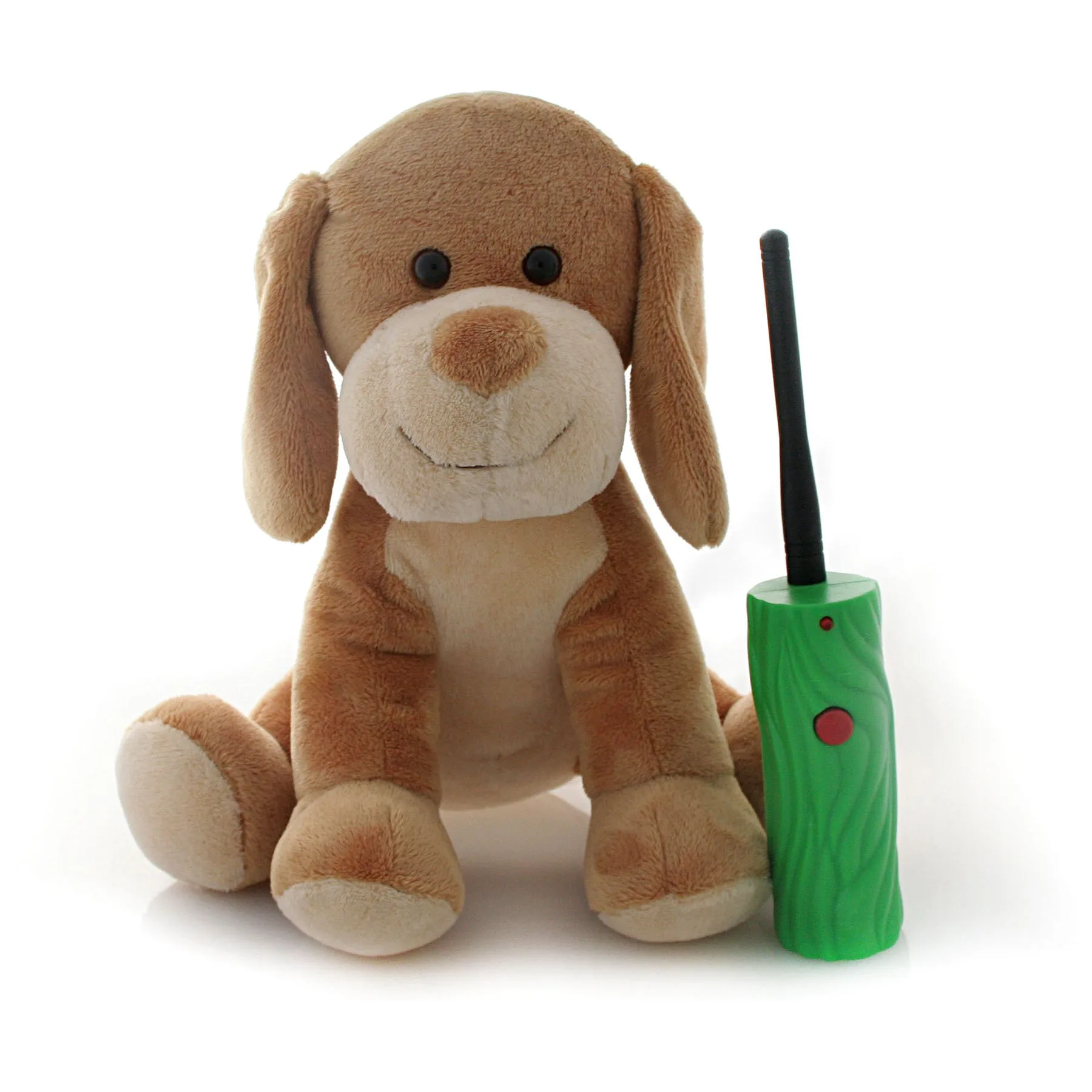
Hide & Seek Pals - Pogo the Puppy