A road trip is an adventure filled with freedom, scenic views, and the open road. But before you hit the highway, one essential item should be on your packing list: a well-prepared first aid kit. Whether you're driving cross-country or just a few hours to a campsite, you never know when a minor injury or unexpected health issue might occur. Having the right supplies can make all the difference between a minor setback and a major emergency.
In this guide, we'll walk you through the essential items to include in your road trip first aid kit, how to customize it for your specific needs, and tips for keeping it accessible and organized. With a little planning, you can ensure that you and your passengers are prepared for any medical situation that comes your way.
Why a Dedicated Road Trip First Aid Kit Matters
Many drivers rely on the basic first aid kit that comes with their vehicle, but these are often minimal and may not meet the needs of a long journey. A road trip involves hours of driving, exposure to new environments, and activities like hiking or swimming that can lead to injuries. A dedicated car first aid kit ensures you have the right supplies for common road trip mishaps, such as cuts, scrapes, burns, blisters, and allergic reactions.
Moreover, a road trip first aid kit should be organized and easy to access. During an emergency, you don't want to be digging through a cluttered trunk. By preparing a kit specifically for your trip, you can place it in a convenient spot, like under the seat or in the glove compartment, and know exactly where everything is.
- Customize your kit based on the length of your trip and planned activities.
- Check your kit before every trip to replace used or expired items.
Essential Items for Your Road Trip First Aid Kit
When assembling your road trip first aid kit, think about the types of injuries and health issues that are most common during travel. Cuts and scrapes from outdoor activities, burns from cooking or campfires, blisters from hiking, and headaches or motion sickness are all possibilities. Your kit should include a variety of supplies to address these scenarios.
Start with the basics: adhesive bandages in multiple sizes, sterile gauze pads, medical tape, antiseptic wipes, and a pair of tweezers. Add a digital thermometer, pain relievers, antihistamines for allergies, and anti-diarrheal medication. Don't forget a CPR mask and a first aid manual for reference. For more advanced situations, consider including a tourniquet and hemostatic dressing, especially if you're traveling to remote areas.
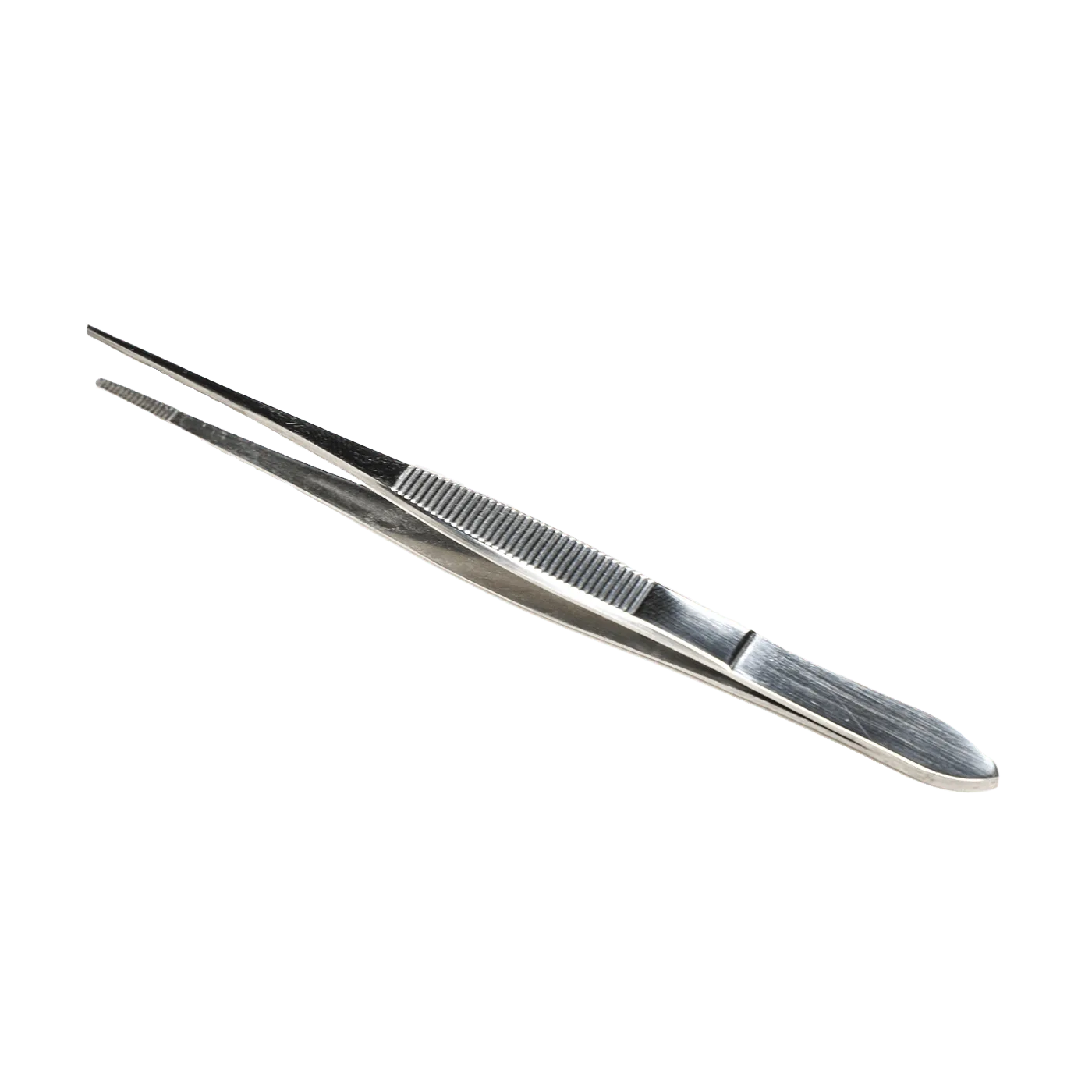
tweezers
- Include a list of emergency contacts and any personal medical information.
- Pack medications in their original packaging with clear labels.
- Add a small pair of scissors to cut tape and clothing if needed.
Specialized Additions for Road Trip Scenarios
Beyond the basics, certain products can be invaluable on a road trip. For example, a burn from a car engine or campfire can happen quickly. A Burn MOD is a compact, specialized dressing that soothes and protects minor burns, making it a smart addition to your kit. Similarly, blisters are a common annoyance for travelers who do a lot of walking or hiking. A Mini Blister MOD provides pre-sized blister dressings that are easy to apply and help prevent infection.
Another essential for any road trip is a reliable multi-tool. The Leatherman Skeletool RX is designed with first responders in mind, featuring a seatbelt cutter and a glass breaker, which could be lifesaving in a car accident. It also includes a knife and pliers for everyday tasks. Having a multi-tool like this can help you handle a variety of situations, from cutting a seatbelt to opening a can of food.
- Consider a lightstick for signaling or illumination during nighttime breakdowns.
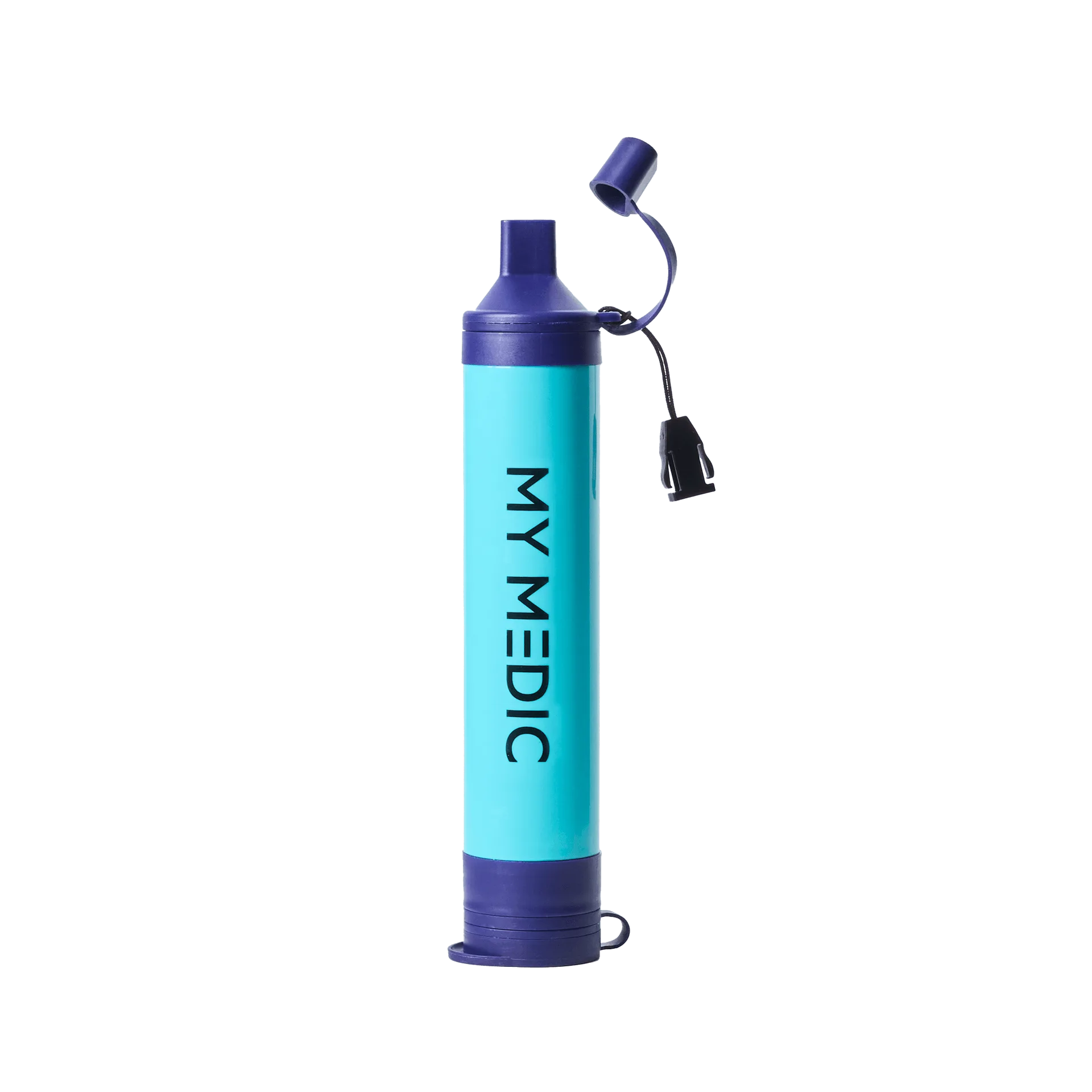
- Pack a water purification tool like the SuperStraw if you'll be in remote areas.
- Include an antiseptic spray for quick wound cleaning on the go.
How to Organize and Store Your Kit
Organization is key to a functional first aid kit. Use a durable, waterproof bag with multiple compartments to keep items sorted and visible. A dedicated first aid bag not only protects your supplies but also makes it easy to grab and go. You can find a variety of bags and cases that are designed for travel, with clear pockets and labels.
Place your kit in an easily accessible location in your car, such as under a seat or in the trunk with a marker on the outside. Make sure all passengers know where it is and how to use it. If you're traveling with children, ensure the kit is out of their reach but accessible to adults. Regularly check your kit for expired items and restock as needed.
- Use a red cross or other recognizable symbol to identify your kit.
- Keep a smaller version in your glove compartment for quick access to bandages and wipes.
- Review the contents of your kit before each trip to ensure nothing is missing.
Tips for Customizing Your Kit for Your Trip
Every road trip is different, so your first aid kit should be tailored to your specific plans. If you're heading to a beach, include sunscreen and aloe vera gel. For a camping trip, add insect repellent and sting relief. For a ski trip, pack hand warmers and a thermal blanket. If you have family members with medical conditions, include their specific medications and any necessary supplies, such as an EpiPen or insulin.
Consider the duration of your trip. A weekend getaway might only need a basic kit, while a two-week expedition requires more supplies, including extra dressings and medications. Also, think about the number of people traveling. More passengers mean more potential for injuries, so adjust your quantities accordingly.
- Keep a list of your kit's contents and check it off as you pack.
- Store your kit in a cool, dry place to prevent damage from heat or moisture.
- If you're traveling internationally, research local medical facilities and emergency numbers.
Preparing a road trip first aid kit is a simple yet vital step in ensuring a safe and enjoyable journey. By including essential supplies, adding specialized items like the Burn MOD or Mini Blister MOD, and organizing everything in a reliable bag, you'll be ready for any minor mishap or more serious emergency. Don't wait until you're on the road—start building your kit today. Check out our selection of first aid supplies to find everything you need for your next adventure.