Keys are among the most frequently used metal objects in your daily carry, yet they are often neglected when it comes to maintenance. Over time, exposure to moisture, sweat, and environmental elements can lead to rust and corrosion, which not only damages the keys themselves but also compromises the smooth operation of your key organizer. Whether you own a sleek key holder or a multi-tool setup, understanding key rust prevention is essential to keep your EDC looking and functioning like new.
Rust forms when iron or its alloys (like steel) react with oxygen and moisture. Your keys, key rings, and even the screws on your organizer are vulnerable. The good news is that with a few simple habits and the right accessories, you can significantly slow down or even prevent corrosion. In this guide, we’ll cover practical tips for metal key holder care, from choosing the right materials to cleaning techniques and storage solutions.
Why Keys and Key Organizers Rust: Understanding the Culprits
The primary cause of rust on keys and key organizers is moisture. This can come from rain, humidity, sweat from your pocket or bag, or even condensation from temperature changes. When moisture sits on the metal surface for extended periods, it initiates an electrochemical reaction that leads to oxidation. Additionally, salt from sweat or coastal air accelerates corrosion, making it even more important to protect your gear.
Another factor is the quality of the metal. Many standard keys are made from brass or nickel-plated steel, which offer some resistance but are not immune. Key organizers often use stainless steel or aluminum, but the screws, springs, and moving parts can still rust if not properly maintained. Understanding these vulnerabilities helps you take targeted action to protect your investment.
- Avoid storing keys in damp pockets or gym bags without drying them first.
- Keep your key organizer away from direct contact with wet clothing or rain-soaked fabric.
Daily Habits to Prevent Rust on Your Key Organizer
Prevention starts with simple daily routines. After coming inside from rain or a sweaty workout, take a moment to wipe down your keys and key organizer with a dry cloth. This removes moisture before it has a chance to settle. If you live in a humid climate, consider storing your key organizer in a breathable pouch or a dry compartment in your bag rather than leaving it loose in a pocket.
Another effective habit is to periodically apply a thin layer of protective oil or wax to the metal surfaces. A silicone-based lubricant or a light machine oil can be applied to the moving parts of your organizer, such as the hinge or screw mechanism. This not only reduces friction but also creates a barrier against moisture. Avoid using heavy greases that can attract dust and grime.
- Use a microfiber cloth to wipe down your keys and organizer daily.
- Apply a drop of lubricant to the pivot points of your key organizer every few months.
Choosing Rust-Resistant Materials for Your EDC Setup
When selecting a key organizer or accessories, pay attention to the materials used. Stainless steel is highly resistant to rust due to its chromium content, which forms a passive oxide layer. Aluminum is naturally corrosion-resistant and lightweight. Brass and titanium are also excellent choices, though they may come at a higher price point. For your keys themselves, consider having duplicates made in titanium or stainless steel if rust becomes a recurring issue.
If you already own a key organizer made from standard steel, you can still improve its longevity by upgrading certain components. For example, replacing steel screws with stainless steel or brass ones can reduce corrosion at critical points. Additionally, using rust-inhibiting sprays or wipes designed for tools can provide an extra layer of protection. Always test any product on a small area first to ensure it doesn’t damage finishes.
- Look for key organizers made from stainless steel or aluminum for maximum rust resistance.
- Replace steel screws with brass or stainless steel alternatives to prevent localized rust.
How to Clean and Remove Rust from Your Key Organizer
If you spot rust on your keys or organizer, act quickly. For light surface rust, a mixture of white vinegar and water (1:1 ratio) can be applied with a soft cloth. Let it sit for a few minutes, then scrub gently with an old toothbrush. Rinse with clean water and dry thoroughly. For tougher spots, a paste of baking soda and water works as a mild abrasive. Apply it to the rusted area, let it sit for 10 minutes, then scrub and rinse.
For more severe rust, consider using a commercial rust remover or a fine steel wool pad (grade 0000) to gently buff away the corrosion. Be careful not to scratch the surface. After cleaning, immediately dry and apply a protective coating like a silicone spray or a wax-based polish. This will help prevent the rust from returning. Remember to also clean the inside of your key organizer, especially around the screws and hinges where moisture can hide.
- Always dry your keys and organizer completely after cleaning to avoid new rust formation.
- Use a rust-inhibiting spray after deep cleaning to create a protective barrier.
The Role of Accessories in Key Rust Prevention
Your key organizer accessories can also contribute to or prevent rust. For instance, using a USB flash drive or other add-ons made from plastic or anodized aluminum reduces the number of exposed metal surfaces. If you carry a bottle opener or other metal tools, ensure they are coated or made from rust-resistant materials. The CorkSmart 2-in-1 Bottle & Wine Opener, for example, features stainless steel construction that resists corrosion, making it a smart addition to your EDC.
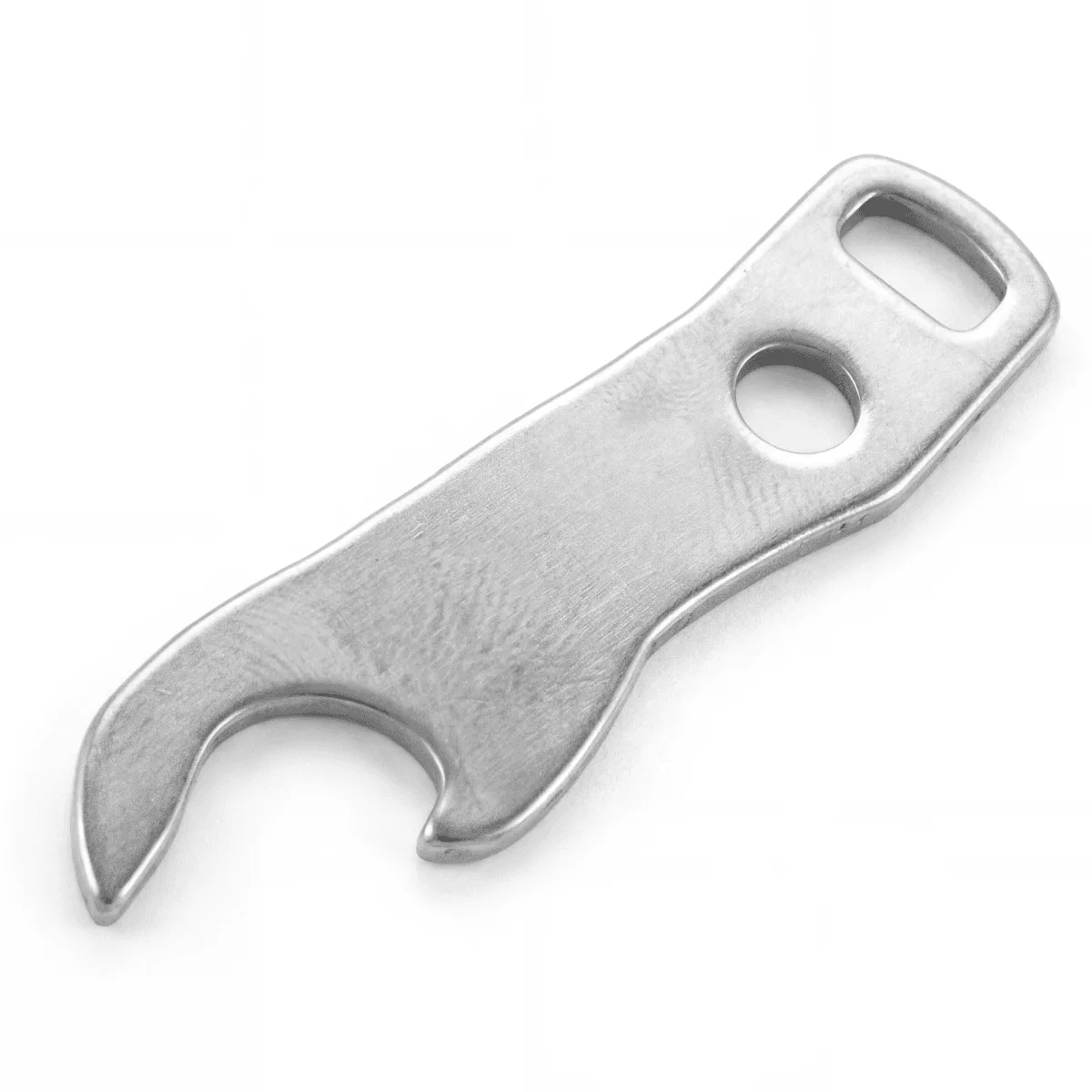
bottle opener
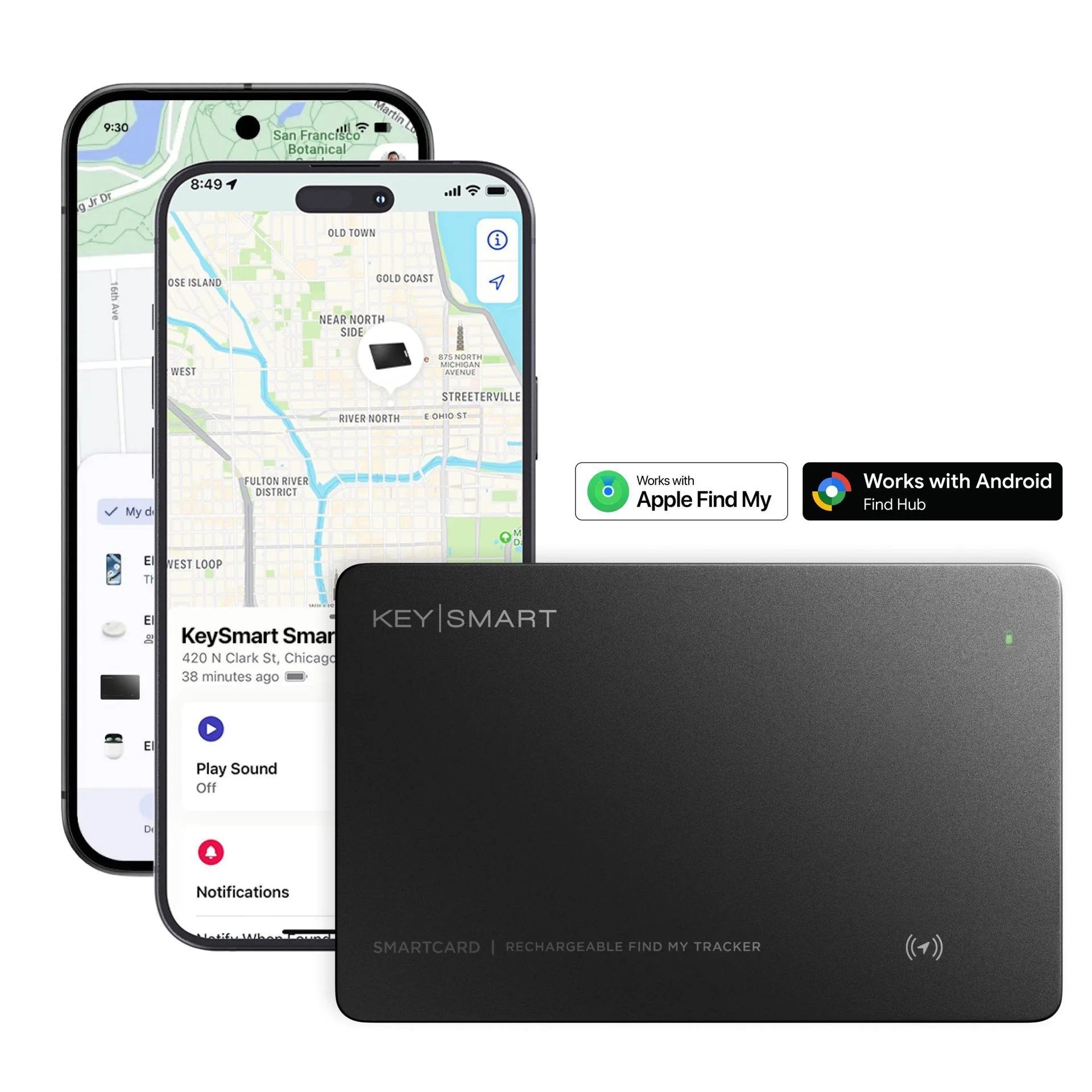
Another helpful accessory is a slim card holder or tracker that keeps your keys organized and reduces metal-on-metal contact. The SmartCard (Gen 3) is a great example—it integrates a Bluetooth tracker into a slim card form that attaches to your key organizer, reducing the need for bulky metal key rings. By minimizing the number of metal components, you lower the overall risk of rust. Additionally, consider using a compact key holder that allows for easy cleaning and drying between uses.
- Choose accessories with plastic or coated metal parts to reduce rust-prone surfaces.
- A slim card tracker like SmartCard can replace bulky metal key rings and reduce corrosion risk.
Storage Tips to Keep Your Key Organizer Rust-Free
How you store your key organizer when not in use plays a huge role in preventing rust. Avoid leaving it in humid environments like bathrooms or near open windows during rain. Instead, keep it in a cool, dry place. A dedicated drawer or a small hook by the door works well. If you carry your keys in a bag, consider using a small silica gel packet inside the compartment to absorb moisture.
For long-term storage, such as when you switch to a different organizer or go on vacation, clean and dry your keys thoroughly before storing them. Wrap them in a soft, dry cloth or place them in a resealable plastic bag with a silica packet. This prevents any residual moisture from causing damage over weeks or months. Taking these extra steps ensures that your key organizer remains in top condition for years.
- Use silica gel packets in your bag or storage drawer to absorb ambient moisture.
- For long-term storage, wrap your key organizer in a dry cloth and seal it in a plastic bag.
By incorporating these key rust prevention strategies into your daily routine, you can extend the life of your key organizer and keep it looking and performing at its best. From choosing rust-resistant materials to cleaning and storing your gear properly, a little care goes a long way. Explore our selection of durable, corrosion-resistant accessories like the CorkSmart 2-in-1 Bottle & Wine Opener or the SmartCard (Gen 3) to build a rust-proof EDC setup that lasts.