Quick answer
Root rot happens when roots sit in waterlogged soil long enough to suffocate and decay, so prevention is about drainage and watering rhythm, not treatment sprays. Water only when the top inch or two of soil is dry, make sure every planter has a way for excess water to escape, and empty saucers or cachepots within an hour of watering. If a plant already smells sour or has mushy black roots, remove the damaged roots, repot into fresh airy mix, and water sparingly until new growth appears.
Most planter plants do not die from a mystery disease. They die because the soil stayed wet too long, the roots ran out of oxygen, and decay set in before anyone noticed. By the time leaves yellow or droop, the problem has usually been building for one to three weeks.
This checklist walks through what root rot actually looks like in a pot, the handful of causes worth checking first, and the corrective steps that work. It also tells you when to stop trying to save a plant, because spending a month nursing a mushy stump is not a good use of your time or your potting mix.
What root rot actually looks like in a planter
Above the soil, root rot is easy to misread. Leaves yellow, wilt, or drop even though the soil feels damp. New growth stalls or comes in small and pale. In bad cases the plant rocks in the pot because the root ball has shrunk and turned soft. None of these symptoms are unique to rot, which is why you should confirm by lifting the plant out rather than guessing from the leaves.
Below the soil the diagnosis is clearer. Healthy roots are firm and usually pale or white. Rotting roots are brown to black, mushy, and slide off when you pull gently. The soil may smell sour or like a drained swamp. If you see white fuzzy patches, that is a fungus growing on dead tissue, not the cause of the problem.
- Check the soil before watering: damp at the surface plus a wilting plant is a rot warning, not a thirst signal.
- Lift the pot out of its cover pot and look at the drainage holes for brown sludge or a blocked screen.
The five root rot causes worth checking first
Overwatering is the most common root rot cause, but it is rarely just about how much water you pour. It is about how long the soil stays saturated. A planter with no drainage holes, a saucer that never gets emptied, or a cachepot that traps water will hold moisture for days. Compacted or old potting mix makes it worse because it loses the air pockets that roots need to breathe.
The other frequent cause is a planter that is simply too large for the plant. A small root ball in a big volume of wet soil cannot drink the water fast enough, so the lower layers stay soggy. Indoor conditions matter too: cool rooms, low light, and winter slowdowns all reduce how quickly a plant uses water, so a schedule that worked in June can drown a plant in January.
- Match pot size to root ball: a pot more than 2 inches wider than the roots holds excess water.
- Refresh compacted mix instead of tamping it down; roots need air spaces as much as moisture.
Root rot prevention checklist for planters
Start with the container. Any planter used for a living plant needs at least one drainage hole, and a saucer or tray underneath that you can empty. Decorative planters without holes work as cover pots, but the planted pot inside must be able to drain freely. If you use a liner, check that it does not seal the bottom or hold a reservoir against the soil.
Water by feel, not by calendar. Push a finger or a wooden skewer two inches into the mix. If it comes out cool and damp with soil sticking to it, wait. When you do water, water thoroughly until it runs out the bottom, then stop. Empty any water that collects in the saucer within an hour. Finally, use a potting mix with perlite, bark, or coarse material rather than dense garden soil, and repot into fresh mix every year or two before it compacts.
- Empty saucers and cachepots after every watering, not the next morning.
- Skip the gravel layer at the bottom of a pot; it raises the saturated zone instead of improving drainage.
- In winter, cut watering frequency before the plant shows stress, not after.
Root rot treatment when you catch it early
If the plant still has firm, pale roots at the edges of the root ball, you can usually save it. Take the plant out, rinse the soil off the roots with room-temperature water, and cut away every brown, mushy root with clean scissors. Trim until you reach firm tissue. Dust the cut ends with cinnamon or a labeled rooting fungicide if you have one, then repot into fresh, airy mix in a clean pot with working drainage.
After repotting, do not water on your old schedule. Give the plant a light watering to settle the mix, then wait until the top inch or two dries before watering again. Keep it in bright, indirect light and out of harsh sun while it rebuilds roots. New growth in two to four weeks is your signal that the plant is recovering. Yellowing that continues for more than a week after repotting usually means the rot was more extensive than it looked.
- Sterilize your scissors with rubbing alcohol between plants so you do not move pathogens around.
- Do not fertilize a recovering plant for at least a month; damaged roots burn easily.
When to stop trying and start over
There is a point where treatment costs more than the plant is worth. If the stem is soft and dark all the way to the soil line, or if the roots are entirely black and falling apart with no firm tissue left, the plant is not coming back. That is not a failure on your part; it is a sign the soil stayed wet too long, and the fix is to change the conditions before you buy a replacement.
Before you replant, deal with the cause. If the planter has no drainage, use it as a cover pot and plant into a nursery pot inside. If the mix was old and compacted, start fresh. If you were watering on a fixed schedule, switch to checking the soil first. Reusing the same pot, the same soggy mix, and the same routine will produce the same result.
- A sour smell plus a soft stem means the plant is gone; compost it and move on.
- Wash and disinfect a pot before reusing it, especially after a plant died in it.
How planter choice affects root rot risk
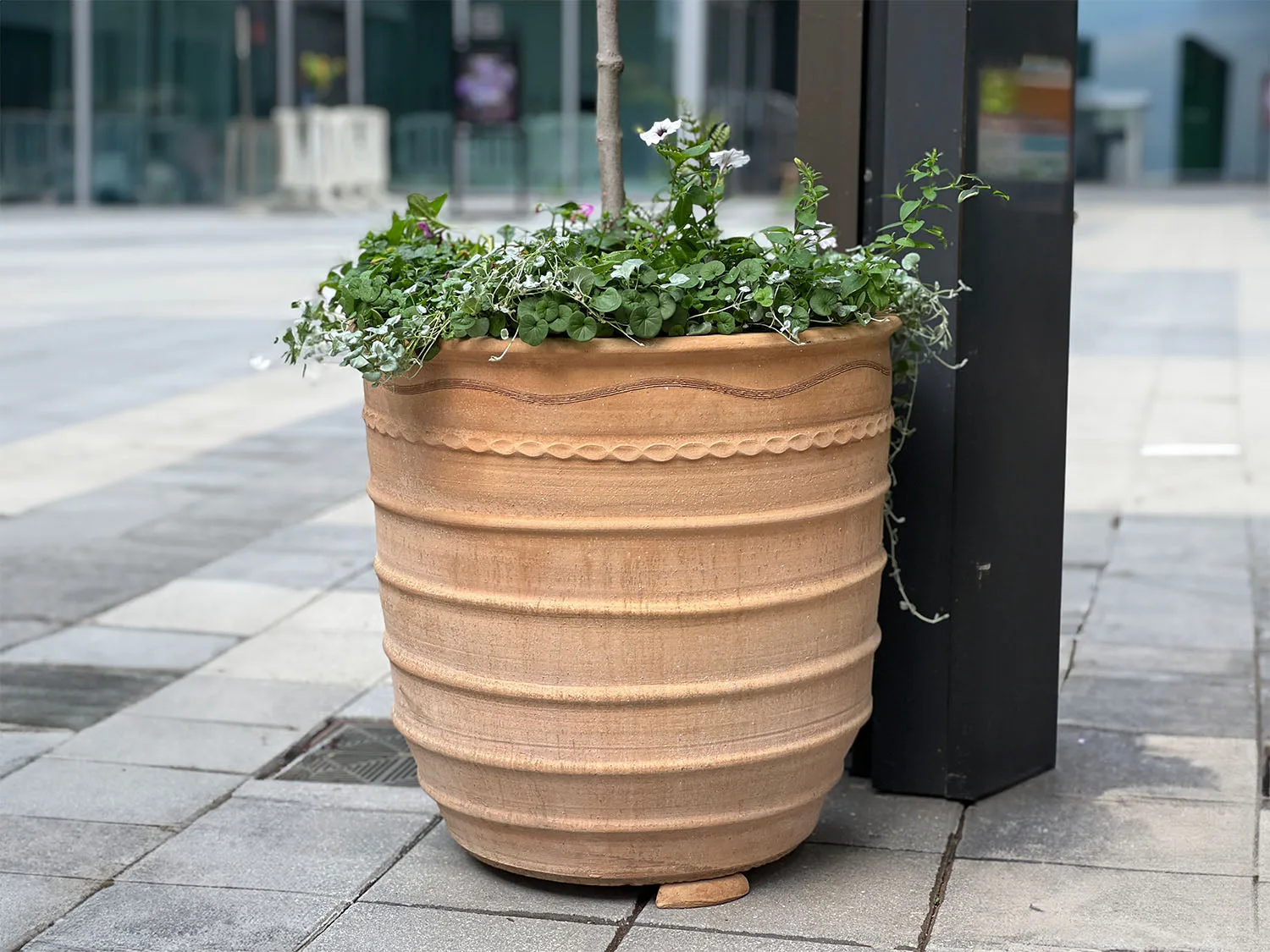
Container material and design change how fast soil dries. Unglazed earthenware and terracotta breathe a little through the walls, which helps in humid rooms but dries out fast in sun. Glazed ceramic and dense composite hold moisture longer, so they need a lighter mix and more careful watering. The single biggest factor, though, is whether the planter can drain and whether you empty what it drains.
Size and shape matter too. A tall narrow planter can leave a wet, airless zone at the bottom that roots never reach. A wide shallow bowl dries faster and is easier to monitor. When you are choosing a new planter, treat drainage holes as non-negotiable for direct planting, and treat a matching saucer or liner as part of the purchase rather than an afterthought.
- For direct planting, choose planters with drainage holes; for hole-free designs, plant into a nursery pot inside.
- In glazed or composite planters, add extra perlite to the mix to keep air moving.
Root rot diagnosis: symptom, cause, action, stopping point
- Yellow leaves with damp soil: The plant wilts or yellows while the mix still feels wet two inches down. This is the classic overwatering root rot pattern, usually caused by a saucer or cachepot holding water against the pot. Empty the saucer, stop watering, and lift the plant to check roots within a day or two.
- Sour smell and mushy roots: Roots are brown to black and slide off when pulled, and the soil smells sour. Cause is prolonged saturation, often from compacted mix or a pot far larger than the root ball. Cut away all mushy roots, repot into fresh airy mix in a clean draining pot, and water lightly until new growth shows.
- Soft dark stem at the soil line: The stem is mushy and dark where it meets the soil, and the root mass is entirely black with no firm tissue. The plant has no healthy tissue left to rebuild from. Stop treatment, discard the plant, and disinfect the pot before replanting. Fix drainage and watering habits before buying a replacement.
Planter details that support good drainage habits
- Volcano Bowl By Plantatorem: Tuscan Sun and Chateau products are earthen stoneware made in a wooden kiln fired at 2200 degrees Fahrenheit, and because of the clay and hand glazing, no two pieces are alike. Dense fired stoneware does not breathe like unglazed terracotta, so soil stays wet longer. Use a chunky, airy mix and check moisture before watering rather than following a fixed schedule.
- English Tumbled Pots Medium: These ceramic planters from the Chelsea Gardener Collection are sold as a set of two and are designed for both outdoor and indoor use, available in Aegean Blue or Aegean Green. A two-pot set lets you keep a spare on hand for repotting a plant you have just treated for root rot, so the recovering plant does not go back into the same wet, compacted mix.
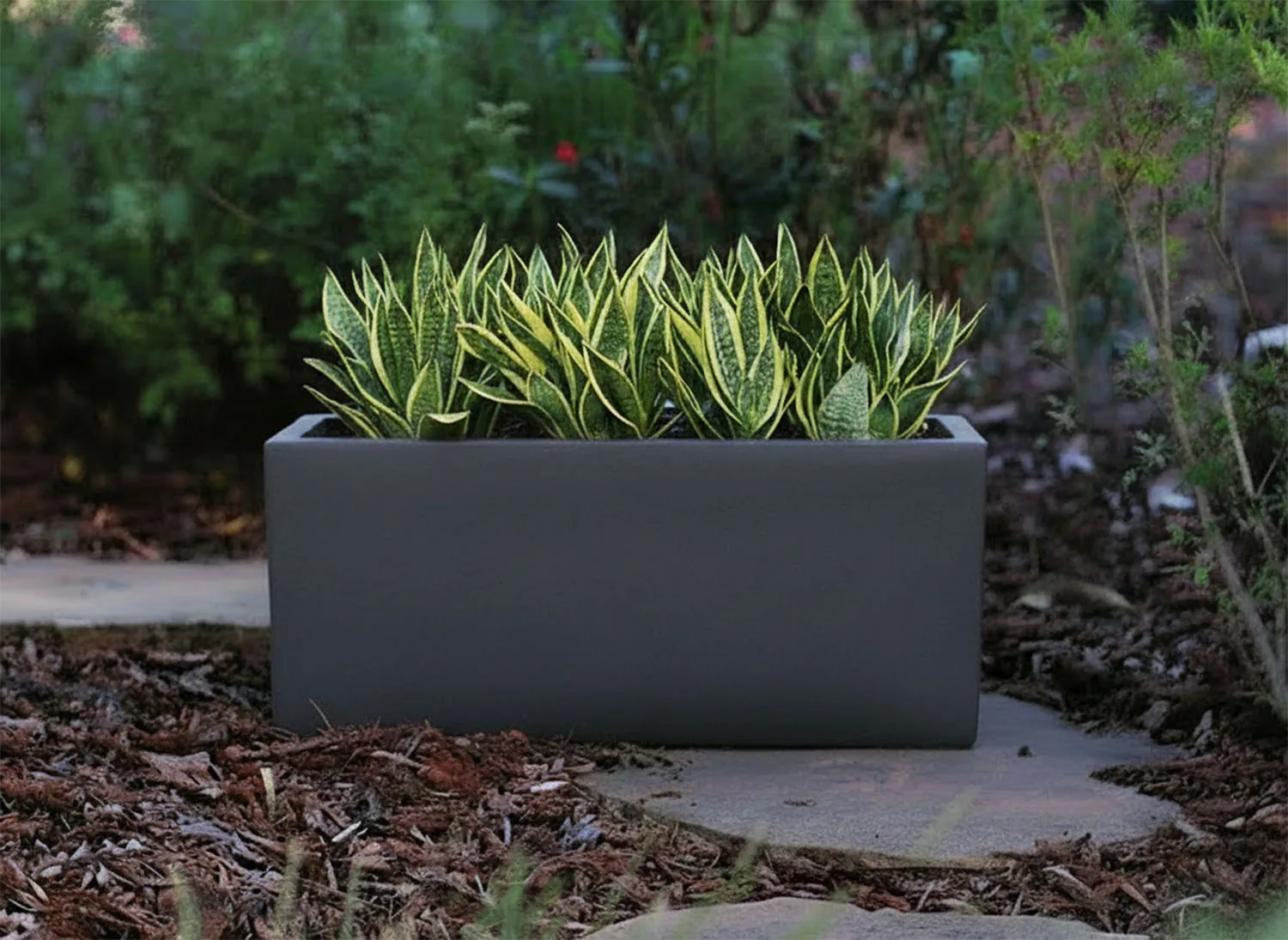
- https://plantatoremez.com/products/rectangular-box-planter-set-of-3-747ba7e1c483075ef66a7efb-2580400https://plantatoremez.com/products/rectangular-box-planter-8fb15ed9691162d3589991bf-2580411Rectangular Box Planter By Plantatorem: The Rectangular Box Planter is a modern urban planter sold as a single pot, available in Black, Dark grey, and White, with sizes from 23.5" L x 10" W x 12" H up to 39.5" L x 15.5" W x 19.5" H. The range of sizes makes it easier to match pot volume to root ball. Choosing a planter only slightly larger than the roots reduces the volume of soil that can stay saturated and lowers root rot risk.
Root rot is a conditions problem, not a plant problem. Keep drainage open, empty standing water, match pot size to root ball, and water by feel instead of by calendar. Do that and most planter plants never reach the point where you have to cut roots out at all.