Quick Answer
Most underwear riding up comes from one of three things: a size that is too large or too small, a cut that does not match how you move, or fabric and hems that cannot hold their shape. Check your waistband and leg fit first, then switch to a cut with an anti-ride hem or a closer second-skin fabric. If a pair still climbs after those changes, that style is simply not the right one for your body and daily routine.
You pull your underwear down, take ten steps, and it is back where it started. Underwear riding up is one of the most common comfort complaints, and it is rarely about how you wash or fold. It is almost always a fit, cut, or fabric issue that you can identify and fix.
This guide separates the symptom from the cause so you can stop guessing. Work through the diagnosis below, apply the corrective action that matches your situation, and know when to stop adjusting and choose a different style instead.
Start With the Waistband and Leg Opening
Before you blame the fabric, check two measurements. The waistband should sit flat without digging in or sliding down when you bend. If it rolls or gaps, the size is wrong. The leg opening should sit close to the thigh without cutting in. A leg hem that is too loose lets fabric travel upward with every step, while one that is too tight pushes the fabric up as you move.
Try this test at home: put the underwear on, squat, and take twenty steps. If the legs climb immediately, the leg opening is the problem. If the waistband slides down first and drags the legs up, the waist size is the problem. Fixing the waist size often solves both symptoms at once.
- Waistband should stay level when you bend and squat.
- Leg hem should touch the thigh without leaving a deep red mark.
- If both areas feel loose, size down before changing styles.
Match the Cut to How You Move
Different cuts ride up for different reasons. Boxer briefs with a loose leg can bunch when you walk or cycle because there is extra fabric to travel. Mini briefs and micro briefs sit closer to the body, so they have less material to shift, but a cut that is too short on the hip can pull when you sit. The right choice depends on your daily movement, not on which style looks best in a drawer.
If you spend the day walking, standing, or cycling, a closer cut with a supportive front and a hem designed to stay put will usually outperform a loose boxer brief. If you sit for long stretches, a classic brief shape with soft seams tends to stay flatter because there is less fabric to fold under you.
- Loose legs plus lots of walking equals more bunching.
- Closer cuts move less but must still fit the hip correctly.
- Test a new cut on a normal day, not a lazy Sunday.
Use Fabric and Hem Details as Your Filter
Fabric affects how well underwear holds its position. Cotton and modal blends feel soft and breathe well, but a plain cotton leg can stretch out over a long day and start to climb. Microfiber and polyamide elastane blends are thinner and lighter, which helps them sit closer to the skin like a second layer. Tencel, a lyocell fabric, is another option that feels smooth and absorbs well, though the cut still matters more than the fiber alone.
Look for specific construction details when you shop. An anti-ride leg hem, a support elastic at the front, and invisible seams around the groin all reduce the chance that fabric will travel. These are practical features, not marketing language, and they show up in the product facts for several HOM styles.
- Anti-ride leg hems reduce upward travel during walking.
- Support elastic at the front keeps the pouch from shifting.
- Thin microfiber sits closer and moves less than loose cotton.
When to Stop Adjusting and Switch Styles
If you have checked the size, tried the correct cut, and still find yourself adjusting every hour, stop. Repeatedly pulling underwear down is a sign that the style does not match your body shape or your movement pattern, and no amount of washing or folding will change that. This is the point to choose another option rather than force a pair to work.
Keep one or two pairs that genuinely stay in place and build from there. A 3-pack of a proven style is a practical way to stop experimenting with single pairs that may not suit you. If a pair rides up on the first wear, return to the diagnosis rather than adding it to your rotation.
- If you adjust more than twice a day, the style is wrong for you.
- Keep the pairs that stay put and replace the ones that do not.
- A multi-pack of a proven fit reduces trial and error.
Riding-Up Diagnosis
- Legs climb, waistband stays put: The leg opening is too loose or the fabric has stretched. Check whether the hem sits close to the thigh without cutting in. If it gaps, size down or choose a style with an anti-ride leg hem, such as the Vineyard Boxer Briefs. If the legs still climb after sizing down, switch to a closer cut like a mini or micro brief.
- Waistband slides down and drags the legs up: The waist size is too large. Measure your waist and compare it to the size chart rather than relying on the size you wore in another brand. A waistband that rolls or gaps when you bend is the clearest sign. Fix the waist first; it often resolves the leg symptom too.
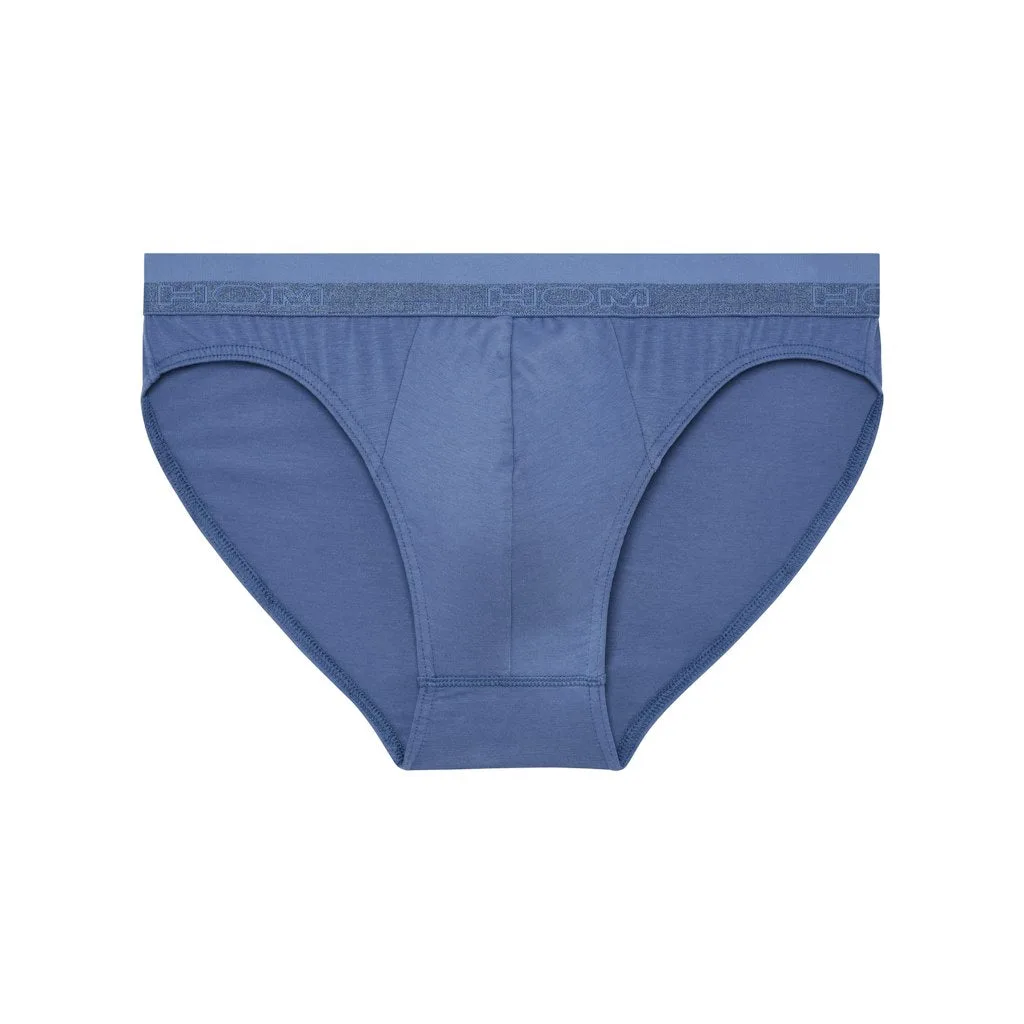
- Everything shifts when you sit or drive: Too much fabric is folding under you. A classic brief or mini brief with soft, invisible seams sits flatter than a loose boxer brief. The Fairmont Mini Briefs use invisible groin seams and a fine elastic band for support. If sitting is your main trigger, choose a closer cut for those days.
- You adjust more than twice a day: Stop adjusting and change styles. Repeated pulling means the cut does not match your body or movement. Keep the pairs that stay in place and replace the rest rather than forcing a fit that never works. Two or more adjustments daily is your signal to switch, not to try harder.
HOM Styles That Address Common Riding-Up Causes
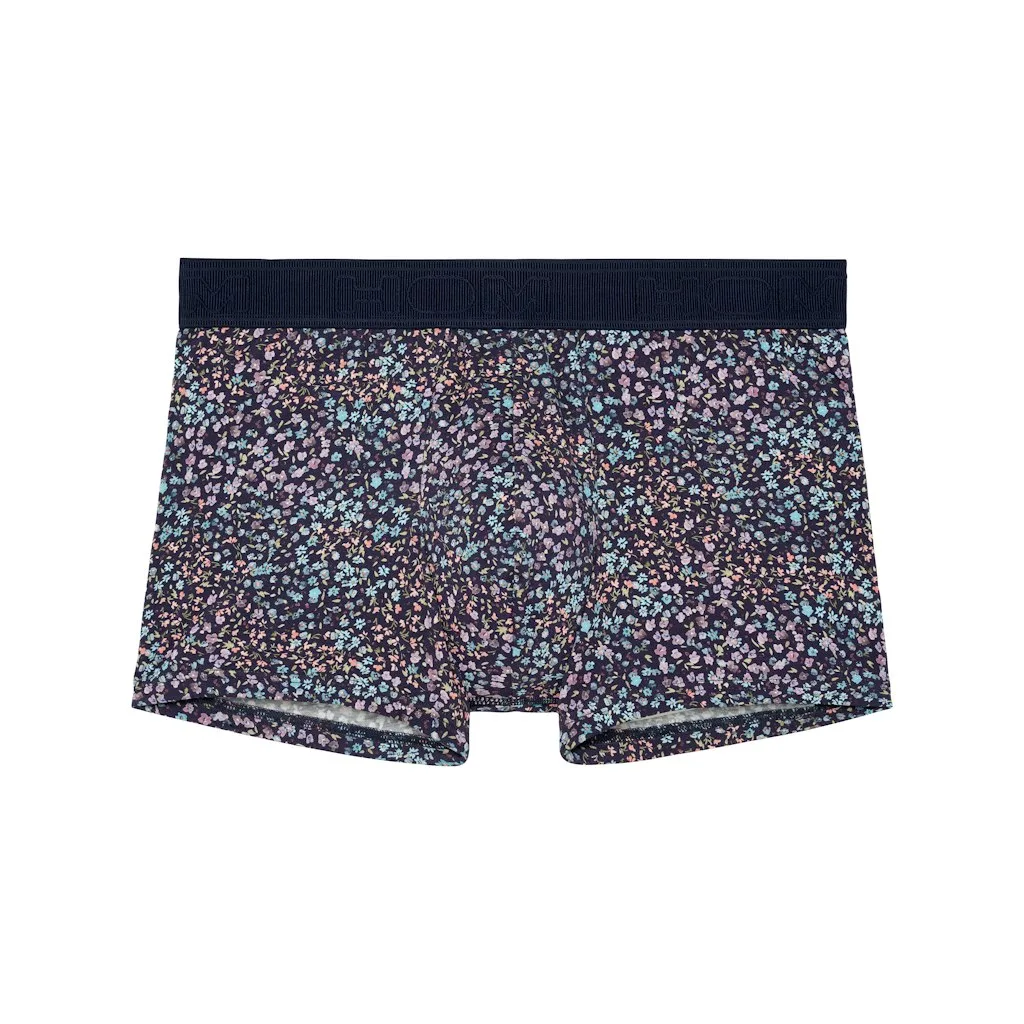
- Vineyard Boxer Briefs | Navy Print 403128-I0RA: These cotton and modal boxer briefs hug the body perfectly and follow your movements, with support elastic at the front and an anti-ride leg hem. The anti-ride hem and front support directly target the two most common bunching points, making this a strong first choice if loose boxer briefs keep climbing.
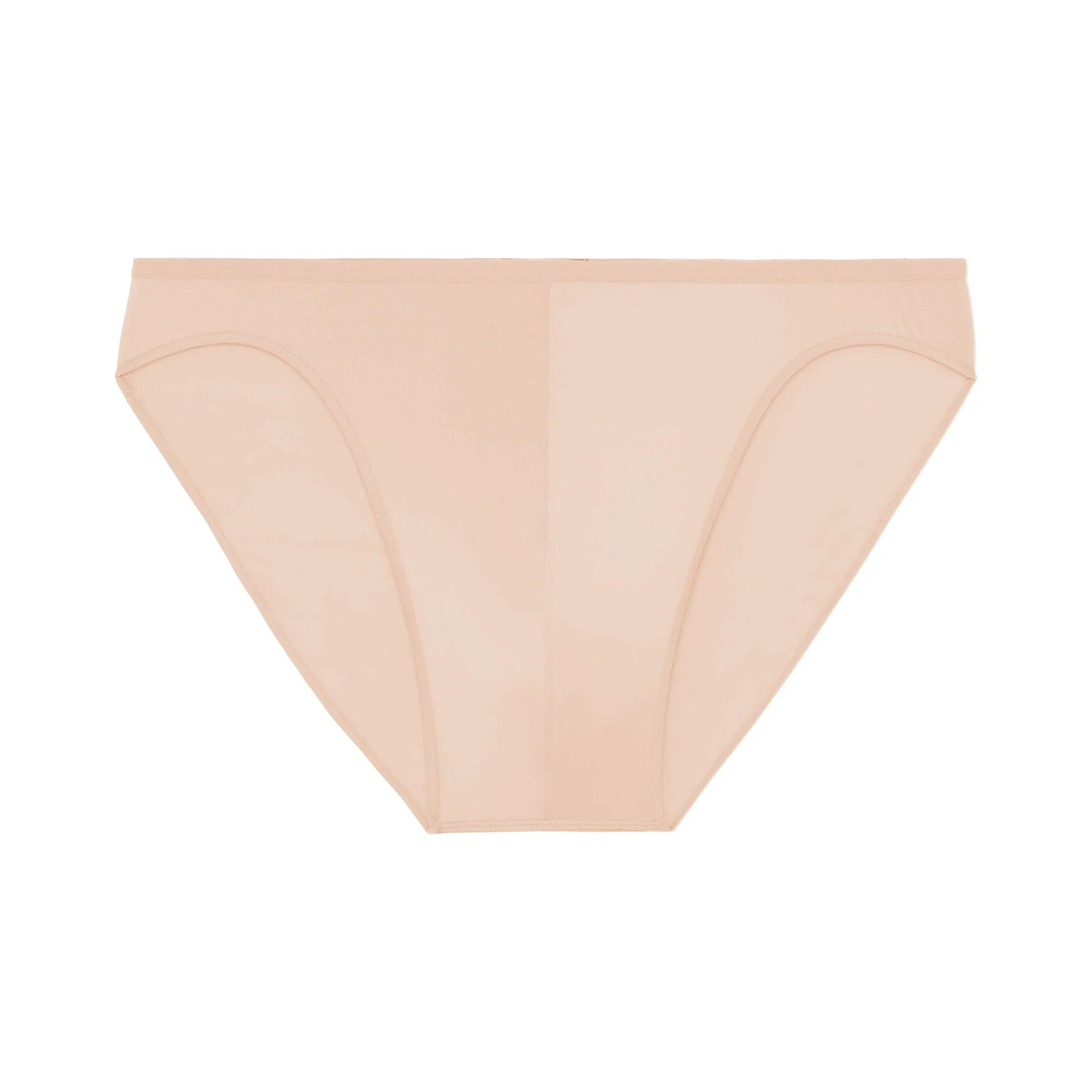
- Plumes Micro Briefs | Skin 404756-00dt: The PLUME HOM micro-briefs are made with polyamide elastane for a thin, light feel, with a thin elastic band and a micro-cut that is slightly shorter on the hips than mini-briefs. The thin fabric and micro-cut leave less material to shift, which suits people who want an invisible second-skin feel under close-fitting clothes.
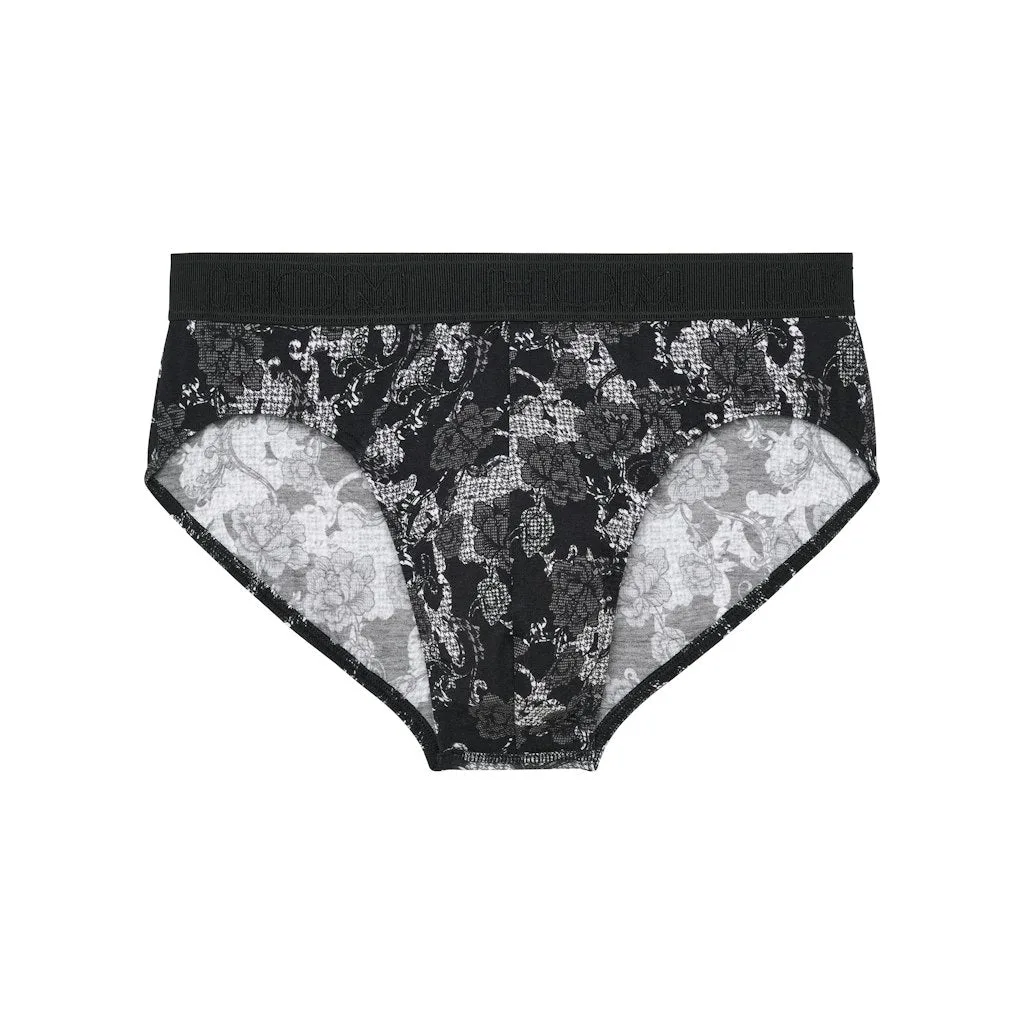
- Fairmont Mini Briefs | Black Print 403070-P004: The FAIRMONT mini briefs combine invisible groin seams with a fine elastic band for practical support, while silky modal cotton hugs the skin softly. Invisible seams and a fine elastic band reduce friction and shifting, a good option if you sit for long periods and find seams fold under you.
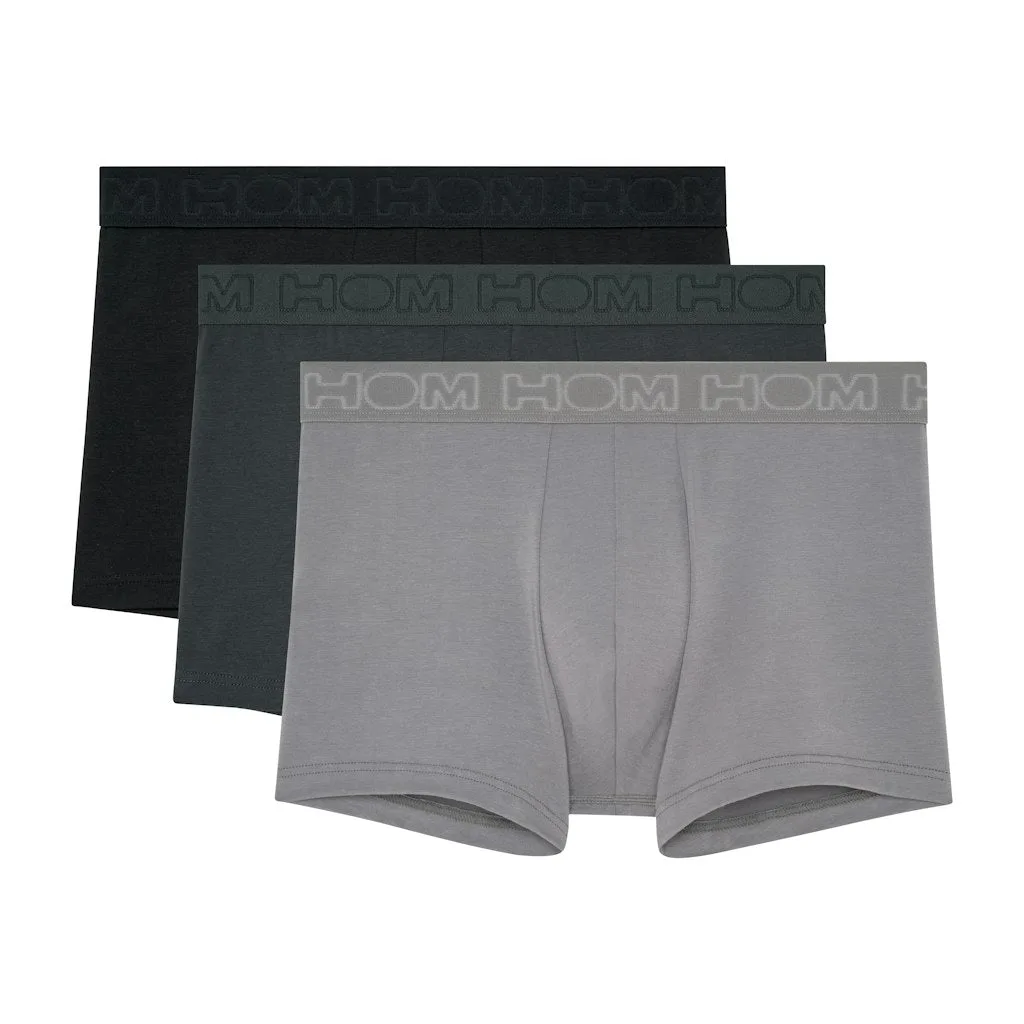
- Armand #2 Boxer Briefs 3-Pack | Black/Grey/Grey 403101-T017: The ARMAND #2 set of 3 cotton boxer briefs is designed to combine softness and comfort at the best value, with three essential colors for everyday wear. A multi-pack lets you test one proven fit across several days without buying single pairs, which is useful when you are narrowing down your correct size.
Underwear riding up is a solvable fit problem, not a personal failing. Check the waist and leg first, match the cut to your movement, and look for anti-ride hems and supportive seams when you shop. If a pair still climbs after that, let it go and keep the styles that stay put.