Quick answer
Prevent underwear odor by starting with breathable, moisture-wicking fabrics, a fit that doesn't trap heat, and a wash routine that actually kills bacteria. If odor persists after those fixes, switch to underwear designed for moisture and airflow, like a trunk or boxer brief with a supportive pouch. See a doctor if odor continues despite good hygiene, as it can signal an infection.
You shower, you use deodorant, you change your underwear daily—and by mid-afternoon, something still smells. That's frustrating, but it's also fixable. Underwear odor is rarely about being unclean. It's usually about trapped moisture, the wrong fabric, or a fit that keeps air from moving.
This guide breaks down the real causes of underwear odor, the fixes that work, and the point where you should stop troubleshooting and choose a different style or see a doctor. You'll also find specific product options that address moisture and support without feeling like a medical device.
Symptom: Odor appears within a few hours of putting on clean underwear
If you notice smell shortly after dressing, the problem is usually moisture and heat trapped against the skin. Bacteria multiply quickly in warm, damp environments, and synthetic fabrics that don't breathe make it worse. Tight fits that hold sweat in the groin area create the same effect.
The fix is to choose underwear that moves moisture away from the body and allows airflow. Look for fabrics labeled moisture-wicking or breathable, and avoid styles that are too tight in the crotch or waistband. Cotton can feel comfortable but holds sweat, so a cotton-synthetic blend often works better for active days.
- Switch to moisture-wicking fabrics for workouts or long days.
- Avoid fabric softener, which can coat fibers and trap odor.
- Give your groin area a moment to dry completely after showering before dressing.
Symptom: Odor lingers even after washing
When clean underwear still smells, the issue is often detergent residue or bacteria that survived the wash. Front-loading washers with too much detergent leave a film that traps odor. Washing in cold water alone may not kill bacteria, especially if you use a gentle cycle.
Wash underwear in warm or hot water with a fragrance-free detergent, and skip fabric softener. If your machine has a sanitize cycle, use it occasionally. Also check that your underwear is completely dry before folding—dampness in drawers can restart bacterial growth.
- Use warm or hot water for underwear loads.
- Add a half-cup of white vinegar to the rinse cycle once a month to break down residue.
- Replace underwear that stays smelly after washing—sometimes the fibers have held onto bacteria.
Symptom: Odor is accompanied by chafing, itching, or redness
If odor comes with skin irritation, the cause may be a fungal or bacterial infection rather than simple sweat. Conditions like jock itch thrive in dark, moist areas and can produce a strong smell. Tight underwear that rubs can also create micro-tears that make infection more likely.
In this case, improving hygiene alone may not be enough. Keep the area clean and dry, wear loose-fitting underwear until irritation clears, and see a doctor if symptoms don't improve in a few days. Over-the-counter antifungal creams can help, but a medical diagnosis is the safest route.
- Don't ignore persistent itching or rash—treat it early.
- Choose underwear with a soft, non-abrasive waistband and flat seams.
- Change out of sweaty workout clothes immediately after exercise.
Symptom: Odor only happens with certain underwear styles
Some styles naturally trap more heat and moisture. Boxers offer airflow but can bunch and cause friction. Briefs provide support but may feel hot if made from non-breathable fabric. Trunks and boxer briefs sit in the middle, but their fit and fabric make a big difference.
If you notice odor mainly with one style, try a different cut or a fabric blend designed for moisture management. For example, a trunk with a contoured pouch can reduce skin-on-skin contact and keep things drier. A boxer brief with a longer inseam can prevent chafing while still allowing some airflow.
- Rotate styles based on activity: breathable boxers for lounging, supportive trunks for work.
- Look for underwear with mesh panels or ventilated zones.
- Avoid styles that are too tight around the waist or thighs.
Symptom: Odor returns quickly even with odor-control underwear
Odor-control underwear can help, but it's not a cure-all. Some products use antimicrobial treatments, but these can wash out over time. If you're still noticing odor within an hour or two, the issue may be your body chemistry, diet, or a medical condition.
At this point, stop buying more underwear and talk to a healthcare provider. Persistent body odor can be a sign of hormonal changes, diabetes, or an infection. Also consider whether your diet (spicy foods, garlic, alcohol) or medications might be contributing.
- Don't rely on odor-control claims alone—pair them with good hygiene.
- Keep a diary of what you eat and when odor flares up.
- If odor is sudden and severe, seek medical advice promptly.
Diagnosis: match your symptom to the right fix
- Odor within hours of dressing: Likely cause: trapped moisture and heat. Switch to moisture-wicking fabrics and a fit that allows airflow. Avoid fabric softener. If odor persists after switching fabrics and improving drying time, move to the next step.
- Odor after washing: Likely cause: detergent residue or bacteria surviving the wash. Use warm or hot water, skip softener, and ensure underwear is fully dry before storing. If smell remains after two proper washes, replace the underwear.
- Odor with itching or rash: Likely cause: fungal or bacterial infection. Keep area dry, wear loose underwear, and see a doctor if it doesn't clear in a few days. Do not rely on odor-control underwear alone for medical symptoms.
- Odor despite odor-control underwear: Likely cause: body chemistry, diet, or a medical condition. Stop buying new products and consult a healthcare provider. Persistent odor is a health signal, not a shopping problem.
Underwear options that help with moisture and freshness
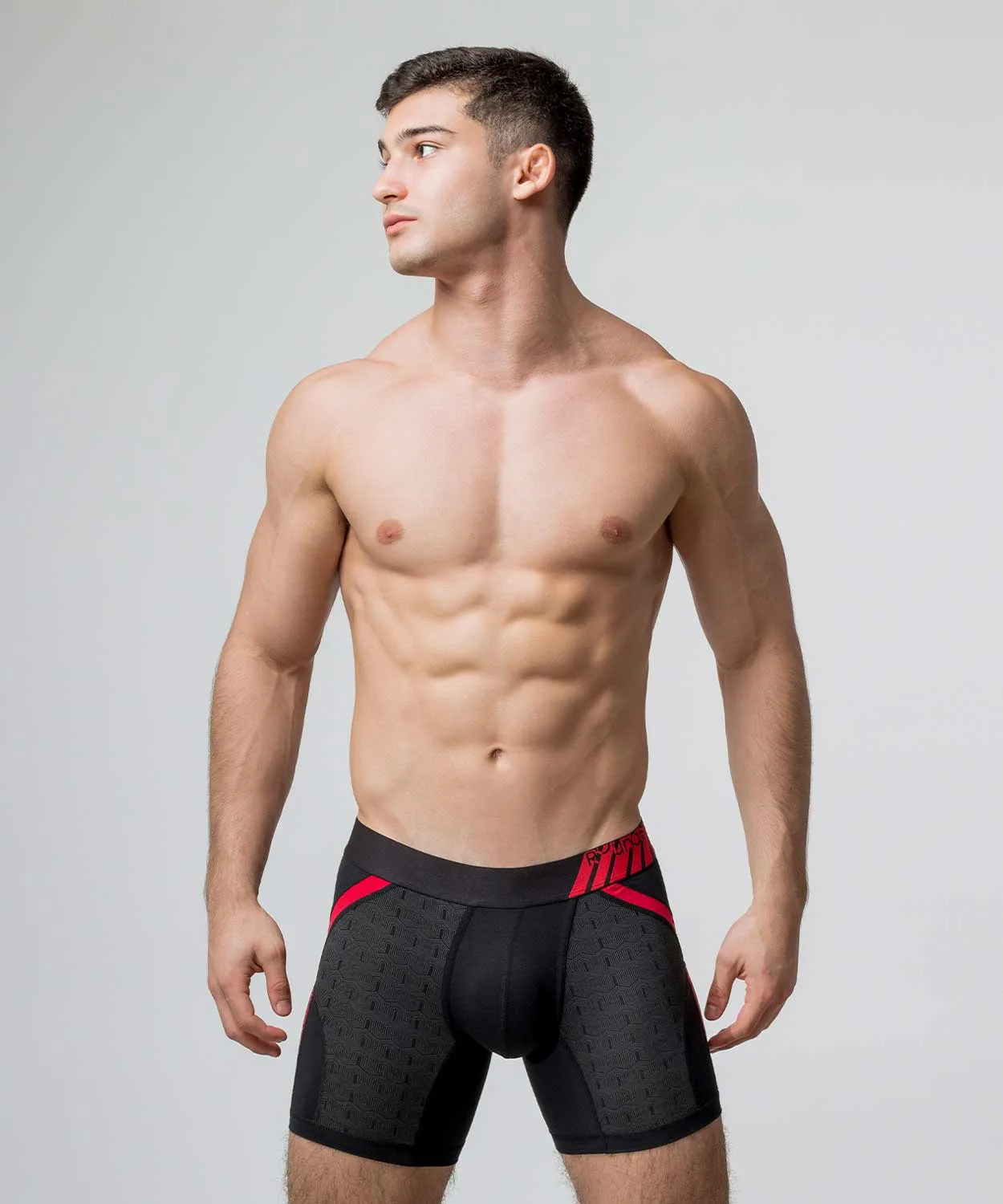
- Basic Padded Boxer Brief: Our original design gives more gluteal volume and definition, adapting perfectly to every body shape. Its design is practical, discreet and comfortable. It can be used as an everyday underwear, for extreme sports or great for sitting down for long periods of time. The long inseam reduces chafing during long periods of sitting or movement, which helps prevent the friction and trapped moisture that lead to odor.
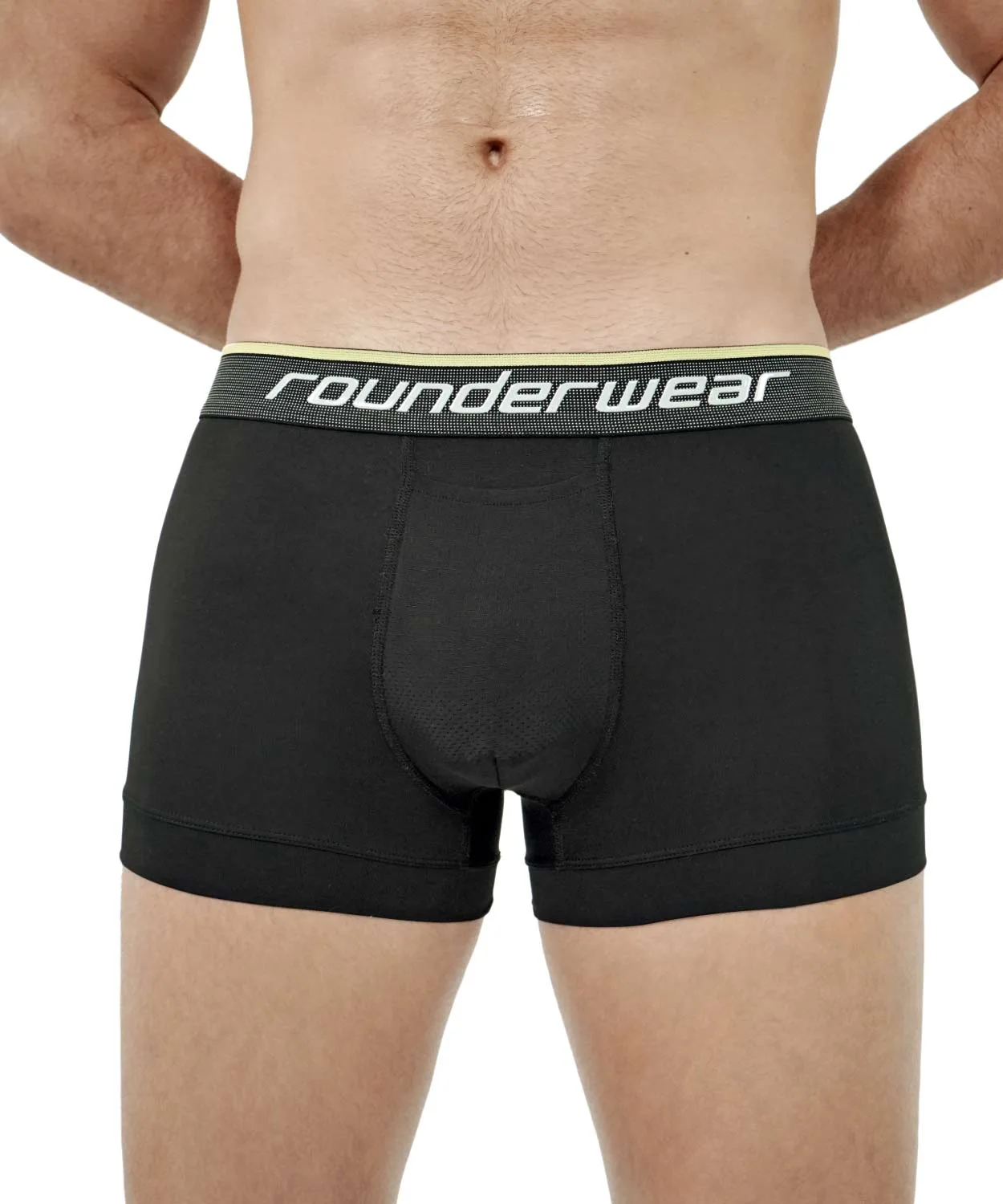
- Anatomic Boxer Brief: Featuring its distinctive sideways pouch so your crown jewels can 'hang' comfortably. The back V-shaped waistband defines your gluteus to look more maximus than ever while the longer inseam is more structured to adapt to your body and thighs. The free-fall pouch reduces skin-on-skin contact and keeps the area drier, which can lower odor-causing bacteria growth.
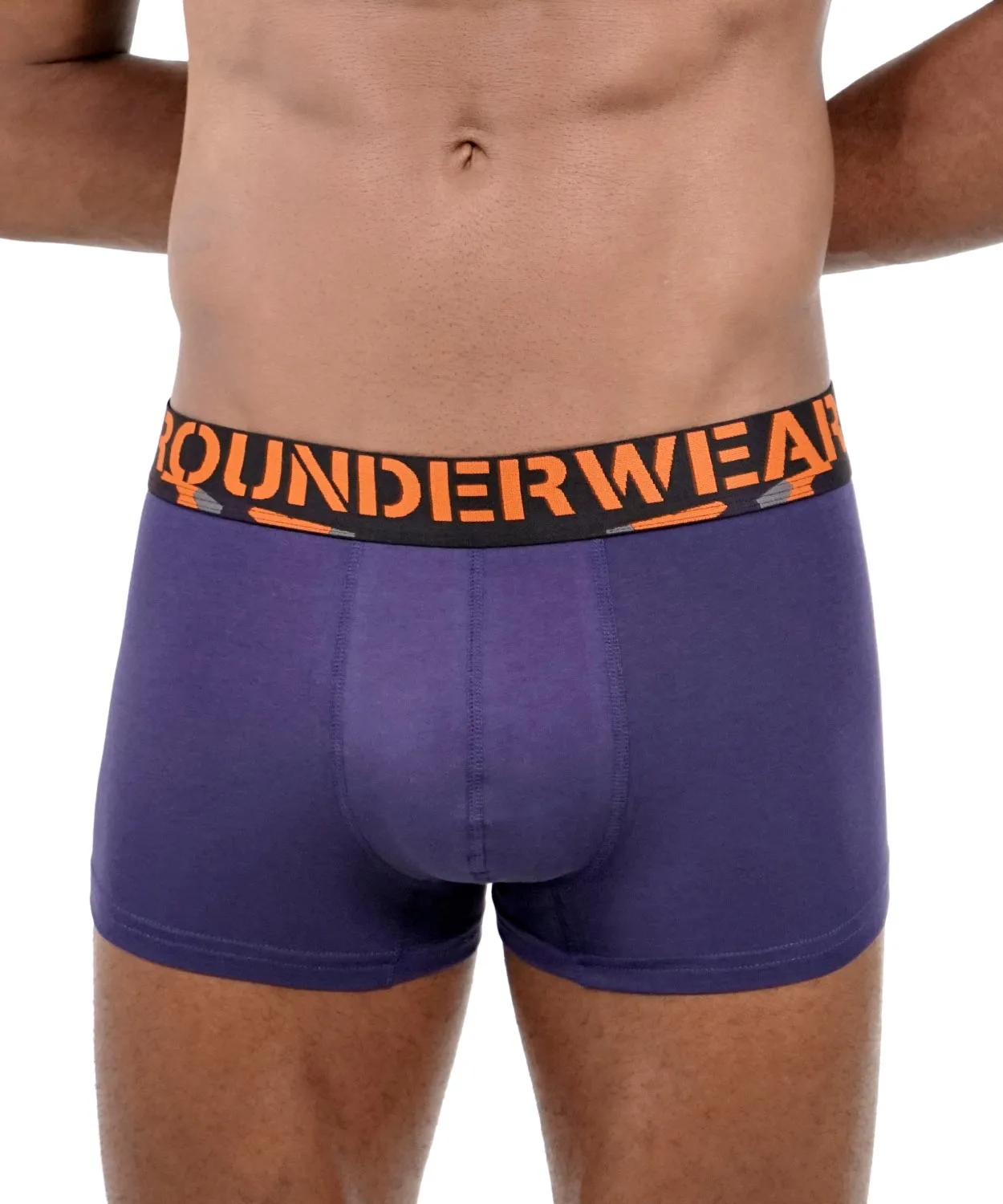
- New Lift Trunk 5-Pack: Its hidden band design creates a push-up effect that lifts your cheeks like they were in their glory days. Box set with Boxer Trunks for every day: Monday, Tuesday, Wednesday, Thursday and Friday. Having a fresh pair for each weekday makes it easy to change daily, which is one of the simplest ways to prevent odor buildup.
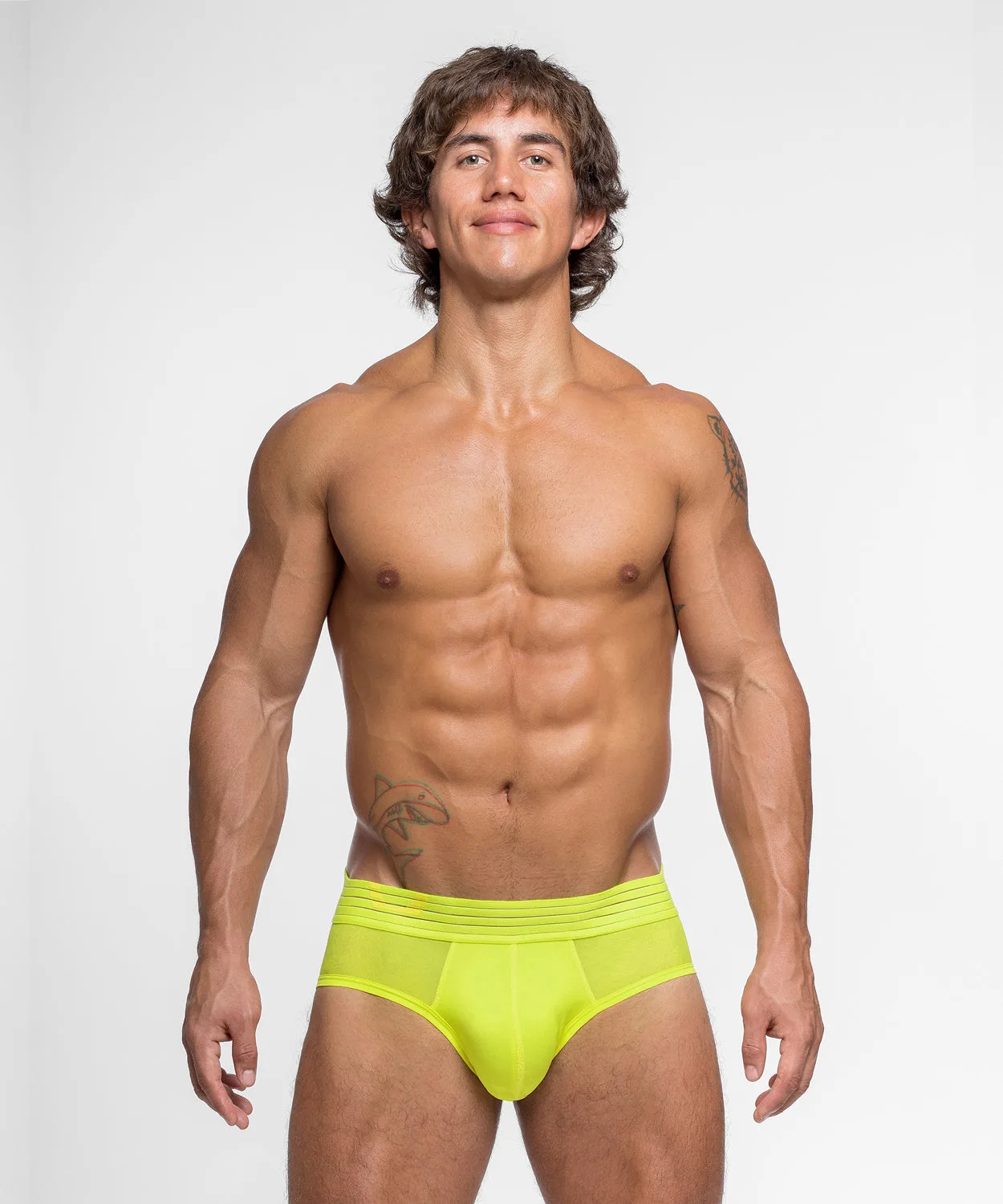
- Lift Lounge Boxer: Designed with your comfort and confidence in mind, these boxers offer secure support where it matters most. Featuring a discreet inner pouch that keeps everything in place, you can relax knowing your 'friend' stays comfortably tucked away. The loose fit and inner pouch provide airflow and support without compression, ideal for lounging or days when you want to minimize heat and moisture.
Preventing underwear odor comes down to managing moisture, choosing breathable fabrics, and washing effectively. If you've tried those steps and still struggle, it's time to see a doctor rather than buy another pair. For everyday freshness, start with a trunk or boxer brief that fits well and wicks sweat—your confidence will thank you.