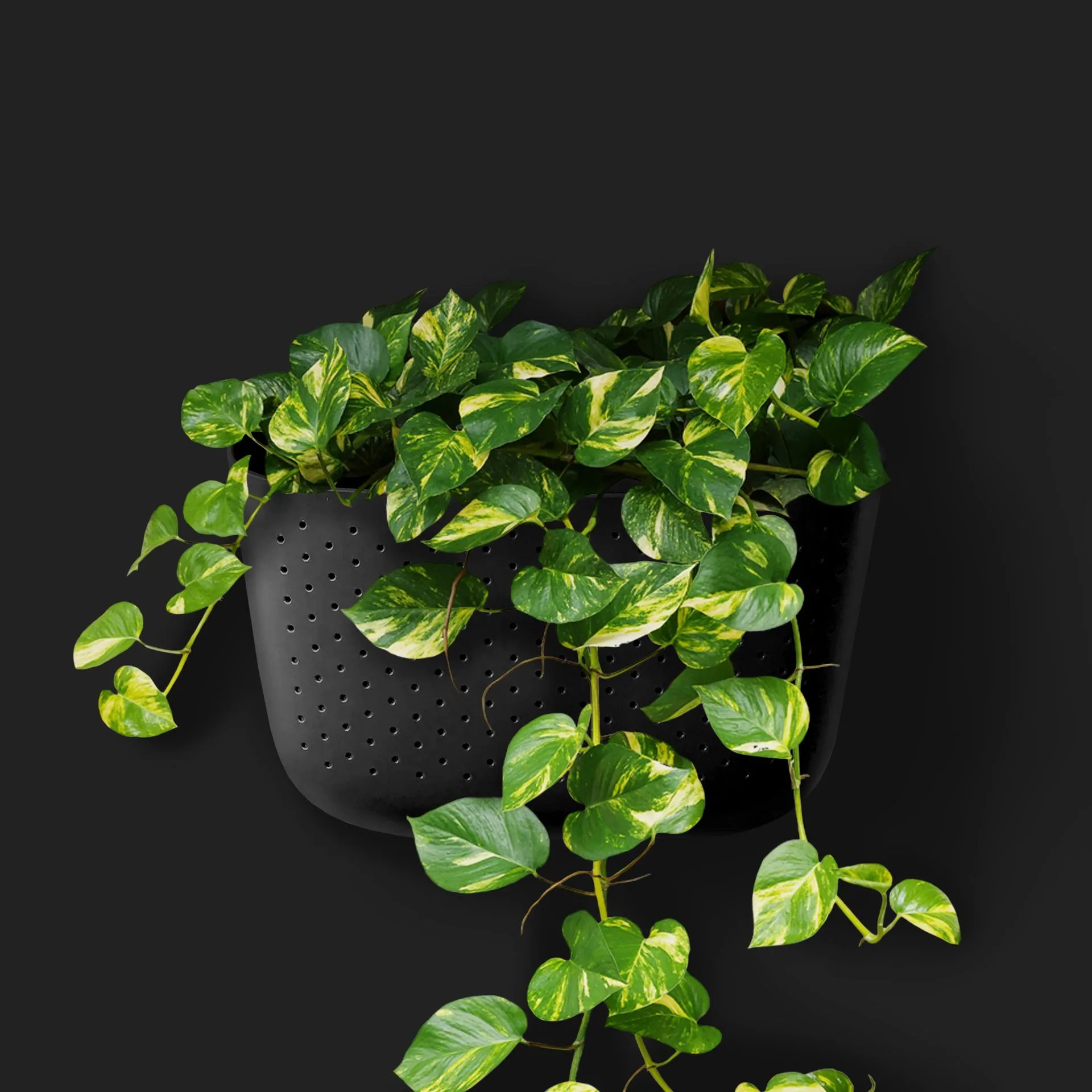
Trailing plants add a lush, cascading elegance to any indoor space. Whether draped over a shelf, hanging in a macrame planter, or climbing a trellis, these plants bring life and texture to your home. But what happens when your pothos, string of pearls, or philodendron gets too long? The answer is simple: propagation. Propagating trailing plants not only helps you multiply your collection for free but also encourages fuller, healthier growth in the mother plant. If you are new to plant propagation, do not worry—this step-by-step guide will walk you through everything you need to know.
Why Propagate Trailing Plants?
Propagation is the process of creating new plants from existing ones. For trailing plants, this is especially rewarding because they are naturally vigorous growers. By taking cuttings, you can keep your plant compact and bushy while generating new plants for friends, family, or your own windowsill. Plus, it is one of the most cost-effective ways to expand your indoor jungle. Many beginners start with common trailing varieties like pothos or devil’s ivy because they root quickly and are very forgiving. Once you master the basics, you can move on to more delicate types like string of hearts or hoya.
When Is the Best Time to Propagate Trailing Plants?
The ideal time to propagate is during the growing season—typically spring and early summer. During this period, plants are actively producing new growth and have more energy to develop roots. That said, you can propagate year-round if your home has consistent warmth and light. Avoid taking cuttings during the winter dormancy or when the plant is stressed (e.g., after a pest infestation or repotting). Always choose a healthy, pest-free parent plant for the best results.
Tools and Materials You Will Need
Before you start, gather the following:
- Clean, sharp scissors or pruning shears
- A small glass or jar (for water propagation)
- Well-draining potting mix (for soil propagation)

potting mix
- Optional: rooting hormone powder
- Labels (if propagating multiple varieties)
Having everything ready makes the process smoother and reduces stress on the cuttings.
Step 1: Select and Cut Healthy Stems
Look for a long, healthy stem on your trailing plant. The stem should have several leaves and at least two to three nodes—those small bumps where leaves and roots emerge. Using your clean scissors, cut just below a node at a 45-degree angle. This increases the surface area for root growth. Remove the lower leaves from the cutting, leaving at least two leaves at the top. If you are propagating a very long vine, you can take multiple cuttings from the same stem—just make sure each cutting has at least one node.
Step 2: Choose Your Propagation Method
Water Propagation: The Beginner’s Favorite
Water propagation is the most popular method for trailing plants because it is visual and easy. Place your cutting in a jar filled with room-temperature water. Make sure the nodes are submerged, but keep the leaves above the water line to prevent rot. Set the jar in a spot with bright, indirect light—a kitchen windowsill or a shelf near a north-facing window works well. Change the water every 3 to 5 days to keep it fresh and oxygenated. Within one to three weeks, you should see small white roots emerging from the nodes. Once the roots are at least two inches long, your cutting is ready for soil.
Soil Propagation: For a Smoother Transition
Some plant parents prefer to root cuttings directly in soil to avoid transplant shock. To do this, dip the cut end of the stem into rooting hormone (optional but helpful) and insert it into a small pot filled with moist, well-draining potting mix. Cover the pot with a plastic bag or dome to create a mini greenhouse—this keeps humidity high. Place it in bright, indirect light and keep the soil consistently damp but not soggy. After a few weeks, you can gently tug on the cutting; if you feel resistance, roots have formed.
Step 3: Care for Your New Plantlets
Once your cuttings have rooted, it is time to transition them to permanent homes. If you used water propagation, pot the rooted cutting into a small container with drainage holes. Use a light, airy potting mix—mixing standard potting soil with perlite or orchid bark improves aeration. Water the new plant thoroughly and place it in a spot with bright, indirect light. For the first week, keep the soil slightly moister than usual to help the roots adjust. After that, resume normal watering for your plant type.
Common Mistakes and How to Avoid Them
- Overwatering: New cuttings are prone to rot. Let the top inch of soil dry out between waterings.
- Too much direct sun: Cuttings have no roots to absorb water, so intense sunlight can dry them out. Stick to bright, indirect light.
- Not enough nodes: Roots grow from nodes, so always include at least two in your cutting.
- Skipping the water change: Stagnant water breeds bacteria. Refresh every few days.
How to Encourage Fuller Growth in Your Trailing Plant
Propagation is not just about making new plants—it can also rejuvenate your existing one. After taking cuttings, the mother plant often becomes bushier and fuller because it redirects energy to side shoots. To encourage even more branching, you can pinch off the growing tip of a vine. Additionally, fertilizing regularly during the growing season with a balanced houseplant fertilizer like the Nutrients Houseplant Mix can provide the essential nutrients for lush, vibrant foliage. Just follow the package instructions to avoid overfeeding.

Nutrients Houseplant Mix
Creative Ways to Display Your Propagated Plants
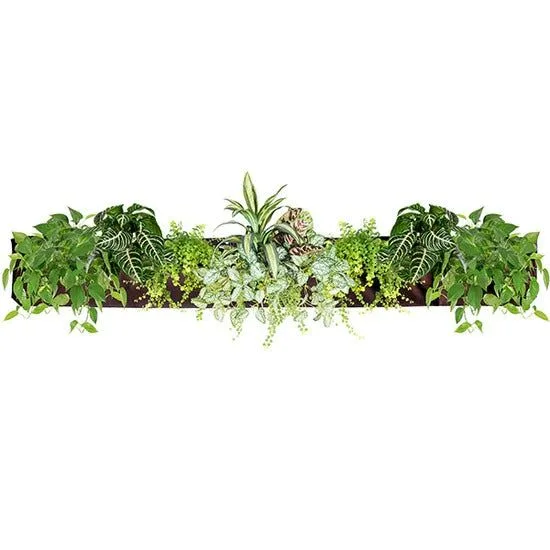
Once your new plants are established, you can use them to decorate your home in fun ways. Hanging planters are a classic choice for trailing varieties—they let the vines spill downward, creating a beautiful green curtain. Wall-mounted planters are another space-saving option that turns your plants into living art. For a unique touch, consider using a Eco Terracotta Wall Planter to showcase your newly propagated pothos or philodendron. The natural terracotta material complements the cascading vines and adds a warm, earthy feel to any room.
Books to Deepen Your Plant Propagation Knowledge
Want to become a propagation pro? There are several excellent books that cover advanced techniques, troubleshooting, and plant care in depth. How To Raise a Plant and Make it Love You Back by Morgan Doane and Erin Harding is a wonderful resource for beginners, filled with practical advice and beautiful photography. For those who want to explore the emotional connection between plants and people, How To Make A Plant Love You by Summer Rayne Oakes offers a unique perspective on plant care and propagation. Both books are available at WallyGro and make great additions to any plant lover’s library.
Frequently Asked Questions About Trailing Plant Propagation
Can I propagate all trailing plants the same way?
Most trailing plants (like pothos, philodendron, and tradescantia) root easily in water or soil. However, succulents like string of pearls prefer soil propagation and require a drier environment. Always research your specific plant’s needs.
How long does it take for roots to appear?
Depending on the plant and conditions, roots can appear in as little as a week (pothos) or up to a month (hoya). Patience is key.
Should I use rooting hormone?
Rooting hormone is optional but can speed up root development and improve success rates, especially for harder-to-root species.
Final Thoughts
Propagating trailing plants is a rewarding and budget-friendly hobby that connects you more deeply with your green companions. With the right tools, a little patience, and the steps outlined in this guide, you will soon have a thriving collection of cascading beauties. Remember to start with healthy cuttings, choose the propagation method that suits you best, and provide consistent care. As you watch those tiny roots grow, you will gain confidence to try more advanced techniques. So grab your scissors, pick a healthy vine, and start propagating today—your future plant jungle awaits.
Ready to expand your plant care toolkit? Explore the How To Raise a Plant and Make it Love You Back book for even more expert tips and inspiring stories to guide your propagation journey.