Muzzles are essential tools for many dog owners, whether for safety during vet visits, grooming, or managing reactive behavior. However, a poorly fitted muzzle can cause discomfort, chafing, or even injury, and may not effectively prevent biting. Proper fitting is crucial for both your dog's well-being and the safety of others.
In this guide, we'll walk you through the steps to measure your dog, choose the right type of muzzle, and ensure a secure, comfortable fit. We'll also share tips for muzzle training and safety, so your dog can wear a muzzle confidently and without stress.
Why Proper Muzzle Fit Matters
A muzzle that is too tight can restrict your dog's breathing, cause painful pressure points, and lead to panic or aggression. Conversely, a muzzle that is too loose may slip off or allow your dog to bite through it, defeating its purpose. Proper fit ensures that your dog can pant, drink water, and even take treats while wearing the muzzle, which is vital for their physical and emotional comfort.
For active dogs, especially those involved in sports or working roles, a well-fitted muzzle is non-negotiable. It allows them to perform tasks without obstruction while keeping everyone safe. Investing time in finding the right fit pays off in the long run, as your dog will be more willing to wear it and less stressed during necessary procedures.
- Always measure your dog's snout circumference, length, and neck size for accurate sizing.
- Choose a muzzle that allows at least 1-2 cm of space for panting and normal jaw movement.
Step-by-Step Guide to Measuring Your Dog
Before purchasing a muzzle, you need accurate measurements. Use a flexible tape measure and follow these steps: First, measure the snout circumference at the widest point, usually just below the eyes. Second, measure the snout length from the eye line to the tip of the nose. Third, measure the neck circumference where the collar sits. Write down these numbers and compare them to the manufacturer's sizing chart.
For dogs with short or flat snouts (brachycephalic breeds), standard muzzles may not fit well. In such cases, look for specialized short-nose muzzles or consult with a professional. It's also helpful to measure your dog a few times to ensure consistency, as any error can lead to an ill-fitting muzzle.
- Measure twice, buy once – accuracy is key.
- If between sizes, choose the larger size for comfort, but ensure it's not too loose.
Choosing the Right Muzzle Type
There are several types of muzzles: basket muzzles, soft muzzles, and grooming muzzles. Basket muzzles are the most comfortable and allow your dog to pant, drink, and even take treats. Soft muzzles restrict panting and are only suitable for short-term use during vet exams or grooming. Grooming muzzles are similar but lighter.
For active dogs, basket muzzles are the best choice because they allow for breathability and comfort during exercise. When selecting a muzzle, consider the material – plastic, wire, or silicone – and ensure it is sturdy yet lightweight. Some muzzles come with adjustable straps for a custom fit, which is ideal for dogs with unusual head shapes.
- Basket muzzles are recommended for extended wear and exercise.
- Avoid soft muzzles for long periods as they restrict panting.
How to Put on a Muzzle and Check the Fit
Once you have the right muzzle, it's time to put it on. Start by letting your dog sniff the muzzle and reward them with treats. Then, gently place the muzzle over your dog's snout, ensuring the nose fits comfortably in the front. Secure the straps behind the head and under the chin, adjusting until snug but not tight. You should be able to fit one or two fingers between the strap and your dog's skin.
Check that your dog can open their mouth and pant freely. The muzzle should not rub against the eyes or restrict vision. If your dog paws at the muzzle or tries to remove it, it may be too tight or uncomfortable. Re-adjust the straps or try a different size. Always supervise your dog when they are first wearing a muzzle to ensure they don't injure themselves.
- The muzzle should not press against the eyes or restrict vision.
- Your dog should be able to pant and take treats through the muzzle.
Muzzle Training: Helping Your Dog Accept the Muzzle
Muzzle training is essential to help your dog feel comfortable and relaxed while wearing a muzzle. Start by associating the muzzle with positive experiences. Place treats inside the muzzle and let your dog eat them. Gradually increase the time your dog wears the muzzle, starting with a few seconds and building up to longer periods. Always reward calm behavior and never force the muzzle on your dog.
Incorporate the muzzle into your dog's routine, such as before walks or playtime, so they learn that wearing it leads to fun activities. For active dogs, you can practice wearing the muzzle during agility training or other sports to distract them. Patience and consistency are key – most dogs will accept a muzzle within a few weeks if introduced positively.
- Use high-value treats to create a positive association.
- Practice in short sessions and gradually increase duration.
Safety Tips for Muzzle Use
While muzzles are safe, there are important precautions to follow. Never leave a muzzled dog unattended, especially in hot weather, as they cannot pant effectively in some muzzle types. Ensure your dog has access to water, and consider using a muzzle that allows drinking. Also, check the muzzle regularly for signs of wear and tear, and replace it if damaged.
Remember that a muzzle is not a substitute for training. It should be used as a management tool while you work on behavior modification. If your dog becomes aggressive or stressed when wearing a muzzle, consult a professional trainer or behaviorist. Additionally, always use a properly fitting collar or harness – such as the Nylon Tracking Dog Harness – to ensure your dog is secure during walks.
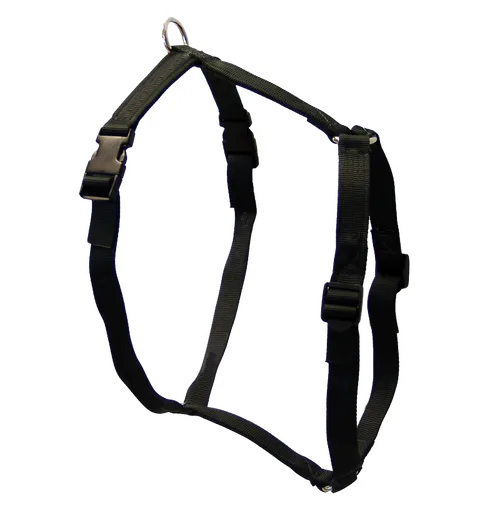
Nylon Tracking Dog Harness
- Supervise your dog at all times when muzzled.
- Never use a muzzle as a punishment.
Muzzle Accessories and Related Products
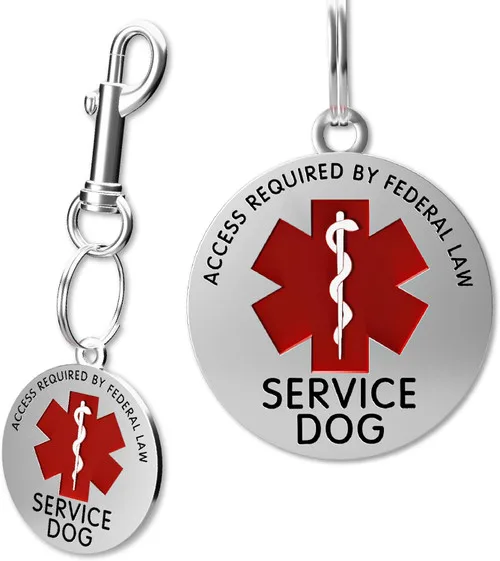
To make muzzle-wearing more comfortable, consider accessories like padded straps or fleece covers. For dogs that need identification, a Working Service Dog Identification Tag with Ball Chain ensures they can be identified even when muzzled. If your dog is involved in sports, a well-fitted harness like the Nylon Tracking Dog Harness provides control without interfering with the muzzle.
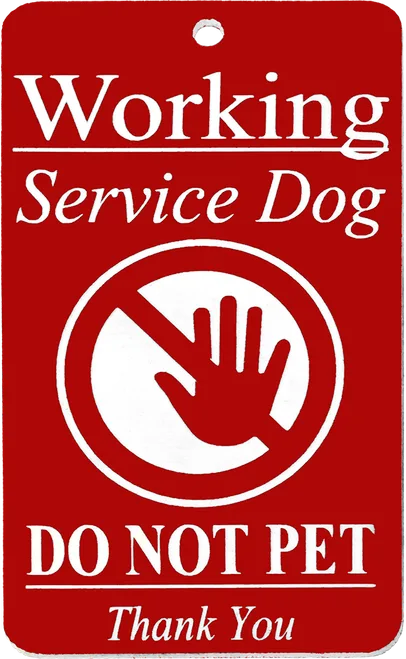
Working Service Dog Identification Tag with Ball Chain
Additionally, ensure your dog's collar or harness is comfortable and properly fitted. For dogs with sensitive skin, a Small Dog Chest & Girth Strap Cover can prevent chafing. These small additions can make a big difference in your dog's comfort and willingness to wear a muzzle.
- Padded straps reduce pressure and increase comfort.
- Use identification tags even when muzzled.
Properly fitting a dog muzzle is a skill every responsible dog owner should master. By measuring accurately, choosing the right type, and training patiently, you can ensure your dog's safety and comfort. Remember to prioritize positive experiences and always supervise muzzled dogs. With the right approach, your dog can wear a muzzle confidently, making necessary activities safer for everyone. For quality training gear and accessories, explore our range of products designed for active dogs.