The M1907 sling is one of the most iconic and functional pieces of military equipment ever designed. Originally issued to U.S. Marines and soldiers throughout the early 20th century, this leather sling provides unmatched stability when shooting from standing, kneeling, or prone positions. But to get the most out of it, you need to know how to fit it correctly to your rifle and your body.
Whether you’re a reenactor, a competitive shooter, or a collector, understanding the proper adjustment of an M1907 sling is essential. A poorly fitted sling can cause discomfort, affect your accuracy, and even damage the leather over time. In this guide, we’ll walk you through the entire process—from identifying the parts to setting the perfect loop for a hasty or tight sling configuration.
Understanding the Parts of an M1907 Sling
Before you start adjusting, it helps to know what you’re working with. The M1907 sling consists of a long leather strap with two or three metal claws (hooks), a sliding keeper, and a buckle. The main strap runs from the front swivel of your rifle, through the rear swivel, and back to itself. The claws hook into the swivels, while the keeper and buckle let you tighten or loosen the loop.
The sling is designed to be used in two primary configurations: the "hasty sling" for quick carry and the "tight sling" for precision shooting. In the hasty setup, the sling wraps around your upper arm to create a stable shooting platform. In the tight configuration, the sling is cinched around your bicep and forearm for maximum support. Both methods rely on the same basic adjustment principles.
- Always inspect your leather sling for cracks or dry rot before use. Conditioning with neatsfoot oil can extend its life.
Step 1: Attach the Sling to Your Rifle
Start by hooking one claw into the front swivel of your rifle, typically located near the barrel band. Then run the strap through the rear swivel (near the buttstock) and back toward the front. The buckle should be positioned near the rear swivel for easiest adjustment. Make sure the leather is not twisted—this is a common mistake that can cause the sling to bind or slip.
If you’re using a reproduction sling, the leather may be stiffer and require a bit of breaking in. For authenticity and durability, many enthusiasts prefer high-quality reproductions like the Texled K98 Sling, which uses a similar design and offers excellent craftsmanship. While not identical to an M1907, the adjustment principles are similar.
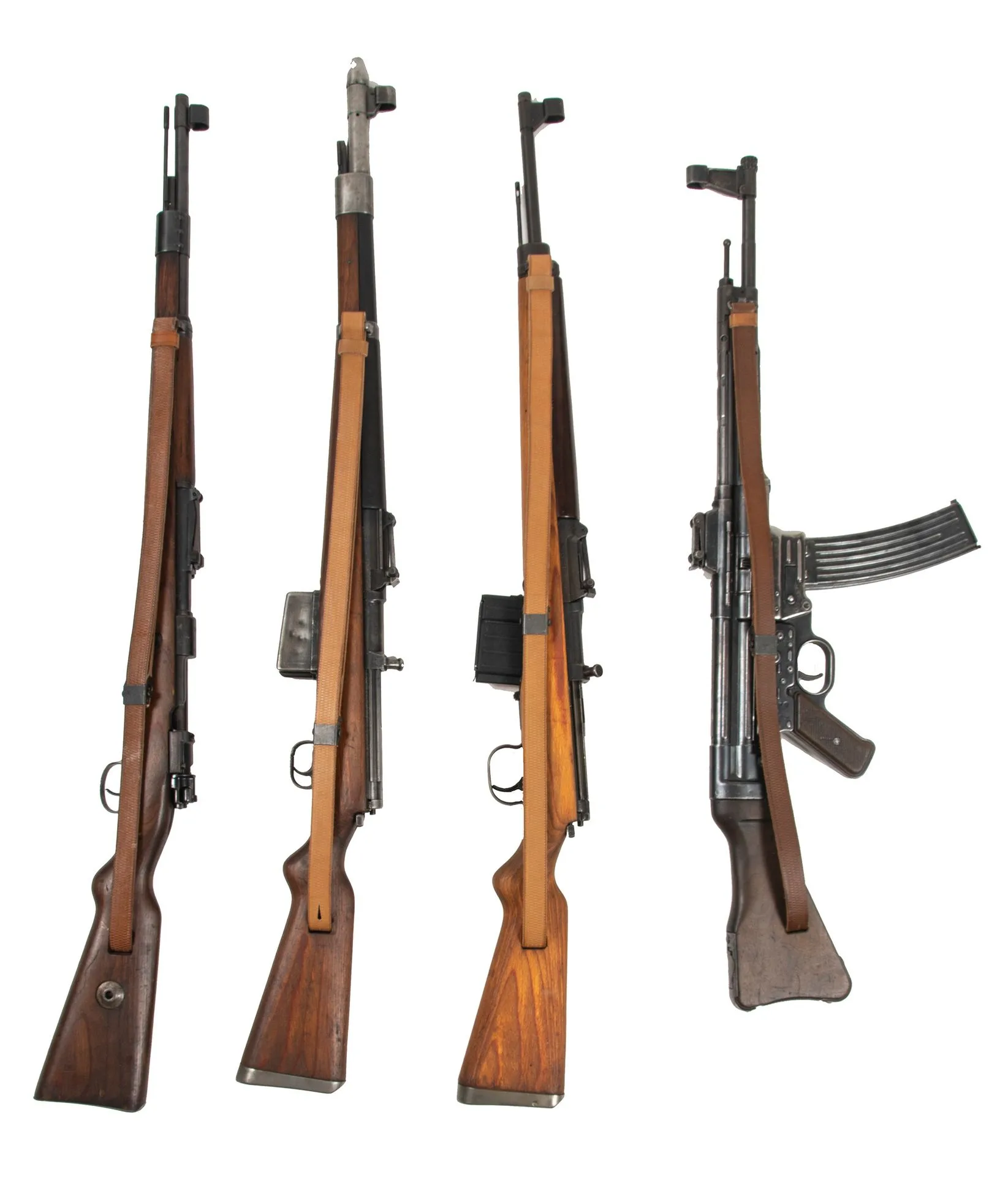
Texled K98 Sling
Step 2: Form the Loop for a Hasty Sling
The hasty sling is the quickest way to use the M1907 for shooting. After attaching the sling to both swivels, slide the keeper forward so that the strap forms a loop large enough to fit your upper arm. The loop should be positioned just above your bicep, not on the shoulder. To check, slip your arm through the loop and bring the rifle up to your shoulder. The sling should feel snug but not cutting off circulation.
If the loop is too loose, the sling won’t provide stability. If it’s too tight, it can restrict blood flow and cause discomfort during extended use. Adjust the buckle and keeper until the loop holds your arm firmly without pinching. A properly fitted hasty sling will allow you to relax your support arm while still keeping the rifle steady.
- For a tighter fit, pull the free end of the strap through the buckle after positioning the loop. This locks the adjustment in place.
Step 3: Adjust for the Tight Sling Configuration
The tight sling (also called the "loop sling") is preferred for precision shooting. Instead of just wrapping around your arm, the sling passes under your armpit and around your bicep, then is cinched tight. To set this up, attach the sling as before, but this time create a loop that goes around your upper arm and also passes under your arm to the front of your shoulder.
This configuration requires more careful adjustment. Start with a larger loop, then tighten the buckle gradually while holding the rifle in your shooting position. The sling should pull your support arm backward, creating tension that stabilizes the rifle. Many shooters find that a leather sling like the https://wildernessworks.shop/products/german-sewing-kit-99201German Sewing Kit’s companion items—though not identical—can offer a similar feel when used with period-correct hardware.
- Don’t overtighten. The goal is steady support, not a tourniquet. You should be able to hold your shooting position for at least 30 seconds without strain.
Common Mistakes and How to Avoid Them
One frequent error is attaching the sling claws backward. The claws should face inward toward the stock, not outward. This prevents them from catching on gear or clothing. Another mistake is using the sling as a carry strap without adjusting the loop—it will be uncomfortable and can cause the rifle to swing awkwardly.
Also, avoid leaving the sling tightly cinched when not in use. This can stretch the leather and distort the shape over time. Store your rifle with the sling loosened, and periodically condition the leather to keep it supple. If you’re looking for additional period-correct gear to complement your setup, consider the German Duffle Bag for carrying your kit or the Old Oak Helmet Cover for a complete field impression.
- Always check that the keeper is positioned correctly—it should sit behind the buckle, not in front of it, to prevent slipping.
Fitting an M1907 sling correctly takes a little practice, but once you get the hang of it, you’ll appreciate the stability and authenticity it brings to your shooting or reenactment experience. Whether you’re setting up a hasty sling for quick drills or a tight sling for precision work, the key is to take your time and adjust incrementally. For a high-quality reproduction that matches the original specifications, check out the German Duffle Bag—it’s the perfect companion for carrying your gear to the range or the field.