Getting a booster car seat installed correctly can feel like a puzzle, but it's one of the most important steps to keep your child safe on the road. The Cosco Finale 2-in-1 booster car seat is a popular choice because it grows with your child, transitioning from a high back booster to a backless booster. But safety depends on proper installation, not just the seat itself.
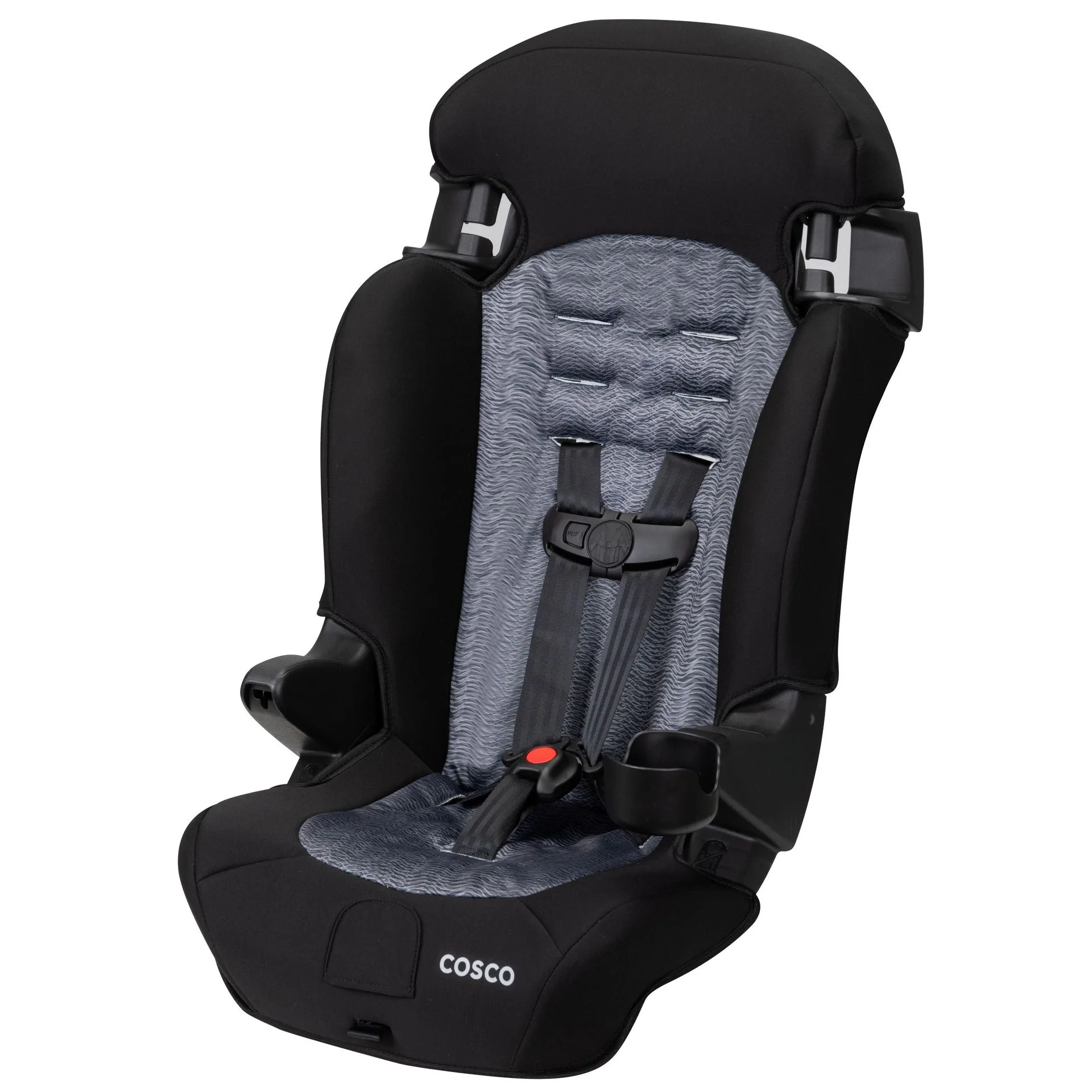
Finale 2-in-1 booster car seat
In this guide, we'll walk you through the installation process for both modes, explain the weight and height limits you need to watch, and share practical tips to avoid common mistakes. Whether you're a first-time parent or just need a refresher, these steps will help you install your Cosco booster seat with confidence.
Understanding the Finale 2-in-1 Booster Seat Modes
The Cosco Finale 2-in-1 booster seat works in two distinct modes: a high back booster with a 5-point harness for younger children, and a backless booster for older kids who can use the vehicle's seat belt. The high back mode is designed for children weighing 22 to 65 pounds and up to 49 inches tall. Once your child outgrows the harness, you remove the back and use it as a backless booster for children 40 to 100 pounds and 38 to 57 inches tall.
Knowing which mode your child needs is the first step to safe installation. Many parents switch too early, thinking their child is ready for a seat belt alone. A good rule of thumb: keep the harness mode until your child reaches the maximum height or weight limit. The high back also provides side impact protection and head support, so it's worth using as long as possible.
- Check your child's weight and height against the limits printed on the seat label before switching modes.
Step-by-Step High Back Booster Installation (Harness Mode)
Start by placing the Cosco Finale 2-in-1 booster car seat on the vehicle seat in a forward-facing position. Thread the vehicle's seat belt through the correct belt path, which is clearly marked on the seat. Pull the seat belt tight, then use your full body weight to press down on the seat while tightening the belt further. The seat should not move more than one inch side-to-side or front-to-back at the belt path.
Next, adjust the harness to fit snugly against your child. The harness straps should be at or just below your child's shoulders, and the chest clip should be at armpit level. Tighten the harness until you cannot pinch any slack at the shoulder. A common mistake is leaving the harness too loose, which reduces crash protection. Always double-check that the seat belt is locked and the seat is stable before each ride.
- Use the vehicle's locking clip if your seat belt doesn't lock automatically — check your car's manual.
- Never use both the lower anchors and the seat belt at the same time unless specifically allowed by the seat and vehicle manuals.
Transitioning to Backless Booster Mode
When your child reaches 40 pounds or outgrows the harness height, you can remove the back of the Finale 2-in-1 booster. Simply press the release button on the back and lift it off. The base becomes a backless booster that positions the vehicle's lap and shoulder belt correctly across your child's body. Place the booster on the vehicle seat and have your child sit all the way back.
The vehicle's shoulder belt should cross the center of the shoulder, not the neck or arm. The lap belt should lie low across the hips, not the stomach. If the seat belt doesn't fit properly, your child may not be ready for this mode. Some children need a high back booster longer because of vehicle seat design. The Cosco Finale's back can also be reinstalled later if needed, but once you remove it, you cannot use the harness again.
- Never use a backless booster with a lap-only belt — a shoulder belt is required for proper positioning.
Common Installation Mistakes and How to Avoid Them
One frequent error is not checking the recline angle. In high back mode, the Cosco Finale 2-in-1 booster should be installed in a slightly reclined position, but not too far back. Most vehicles have a recline indicator on the seat base; use it as a guide. Another mistake is routing the seat belt through the wrong path. The belt path is clearly labeled, but it's easy to miss if you're in a hurry — take the extra minute to confirm.
Also, remember that the Finale 2-in-1 booster does not use lower LATCH anchors in booster mode. In high back mode, you can use LATCH for installation, but once you switch to backless, the seat must be secured by the vehicle seat belt and your child's weight. Many parents forget to remove the LATCH connectors when transitioning, which can cause the booster to shift. Finally, always register your car seat with Cosco so you receive safety recall notices.
- Keep your car seat manual in the glove compartment for quick reference during installation.
Weight and Height Limits: When to Move Your Child
The Cosco Finale 2-in-1 booster car seat has clear limits printed on the side label. For the high back harness mode, the minimum weight is 22 pounds and the maximum is 65 pounds, with a height limit of 49 inches. For the backless booster mode, the range is 40 to 100 pounds and 38 to 57 inches tall. It's important to follow these limits exactly — moving your child too early or too late can compromise safety.
If your child's shoulders are above the top harness slots, or if their ears are above the top of the high back, it's time to switch modes. Similarly, in backless mode, if the vehicle's shoulder belt crosses your child's neck or face, they may need a high back booster for better positioning. Every child grows differently, so check fit regularly rather than relying on age alone.
- Measure your child's height while they are sitting against a wall for accurate shoulder and ear position checks.
Installing the Cosco Finale 2-in-1 booster car seat correctly takes a few extra minutes, but those minutes make a real difference in a crash. By understanding the two modes, following the step-by-step installation, and checking weight and height limits regularly, you'll keep your child safe as they grow. When in doubt, refer to the manual or visit a certified child passenger safety technician — your local fire station or hospital often offers free checks.