Energy drinks are a fast-moving category in the wholesale market, but their taste and quality can degrade quickly if not stored correctly. Whether you're a retailer stocking shelves or a business owner buying in bulk, understanding proper storage conditions is essential to maintain the crisp, refreshing flavor your customers expect. In this guide, we’ll cover the key factors that affect energy drink taste—temperature, light exposure, humidity, and shelf life—and provide actionable tips to keep your inventory at its best.
From the popular Hell Energy Red Grape 24 x 250ml to the tangy Nocco Grand Sour 24x330ml, every energy drink has its own optimal storage needs. By following these best practices, you can reduce waste, improve customer satisfaction, and protect your investment. Let’s dive into the science and strategy behind energy drink storage.
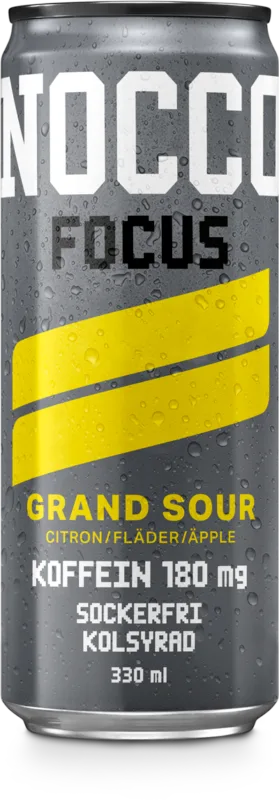
Nocco Grand Sour 24x330ml
Why Storage Matters for Energy Drink Taste
Energy drinks are formulated with a precise balance of caffeine, sugars or sweeteners, acids, and flavorings. When exposed to heat, light, or air, these components can break down, leading to off-flavors, loss of carbonation, and a shorter shelf life. For example, heat accelerates chemical reactions that can make a drink taste flat or metallic, while UV light can degrade certain vitamins and artificial colors, altering the appearance and taste.
For wholesale buyers, improper storage can result in a significant financial loss. A pallet of energy drinks stored in a warm warehouse might lose its appeal within weeks, forcing you to discount or discard it. Understanding these risks helps you implement simple storage protocols that preserve the product’s intended flavor profile from the moment it arrives until it reaches the consumer.
- Heat (above 30°C / 86°F) can cause carbonation loss and flavor degradation.
- Direct sunlight or fluorescent light can break down vitamins and dyes.
- Humidity above 60% can damage packaging and promote mold on cans.
Ideal Temperature for Energy Drink Storage
The optimal temperature range for storing energy drinks is between 10°C and 20°C (50°F–68°F). This cool, stable environment slows down chemical reactions and preserves carbonation. Avoid storing drinks near heat sources like radiators, ovens, or direct sunlight. If you have a climate-controlled warehouse, set the thermostat to around 15°C (59°F) for best results.
For immediate serving, many energy drinks taste best when chilled to 4°C–7°C (39°F–45°F). However, repeated temperature fluctuations (e.g., moving from a cold storage room to a warm retail floor) can cause condensation on cans, which may lead to label peeling or rust. To avoid this, allow drinks to acclimate gradually before displaying them. Products like Hell Energy Red Grape 24 x 250ml are particularly sensitive to heat, so always store them in a cool, dark place.
Light and Humidity: The Silent Enemies
Light exposure, especially UV rays, can degrade the flavor and color of energy drinks over time. Many energy drinks are packaged in opaque cans to block light, but clear bottles or cans with transparent labels are more vulnerable. Store all energy drinks away from windows and fluorescent lighting. If you use open shelving, rotate stock frequently to ensure older products are sold first.
Humidity is another factor often overlooked. High humidity (above 60%) can cause metal cans to rust, especially if they are stored in a damp basement or near a leak. It can also weaken cardboard packaging, leading to stack collapses. Keep your storage area dry with good ventilation. For long-term storage, consider using dehumidifiers in humid climates.
- Store drinks in opaque packaging or closed cardboard boxes to block light.
- Use a hygrometer to monitor humidity levels in your storage room.
- Avoid storing drinks on concrete floors; use pallets to allow air circulation.
Shelf Life and Rotation Best Practices
Energy drinks typically have a shelf life of 9 to 12 months from the production date, but this can vary by brand and formulation. Always check the best-before date on each case or can. For wholesale buyers, implementing a first-in, first-out (FIFO) inventory system is crucial. This ensures that older stock is sold before newer arrivals, reducing the risk of expired products.
When you receive a shipment, inspect the packaging for dents, leaks, or damage. Damaged cans may have compromised seals, leading to faster spoilage. For high-turnover items like Nocco Grand Sour 24x330ml, maintain a consistent ordering schedule to keep inventory fresh. If you have slow-moving flavors, consider promoting them or discounting them before they near their expiration date.
- Label each pallet with the arrival date and best-before date.
- Conduct monthly inventory checks to remove near-expiry products.
- Keep a log of storage conditions to track any quality issues.
Special Considerations for Different Packaging
Energy drinks come in various packaging types—aluminum cans, plastic bottles, and glass bottles—each with unique storage needs. Aluminum cans are the most common and offer good protection against light and air, but they are prone to denting. Plastic bottles can be more flexible but may allow some oxygen ingress over time, affecting carbonation. Glass bottles are inert but heavier and more fragile.
For wholesale buyers, storing cans in their original shipping cartons adds an extra layer of protection. Avoid stacking cartons too high to prevent crushing. If you store drinks in a refrigerated display case, ensure the temperature is consistent and the case is not overfilled, which can block airflow. Products like Hell Energy Red Grape 24 x 250ml are typically sold in cans, making them easy to stack and store, but always handle with care to avoid dents.
Common Mistakes to Avoid
One of the most common mistakes is storing energy drinks in a garage or shed that experiences extreme temperature swings. Another is placing them near cleaning chemicals or strong-smelling items, as the packaging can absorb odors. Additionally, freezing energy drinks can cause the liquid to expand and burst the can or bottle, creating a mess and ruining the product.
Finally, don’t assume that all energy drinks have the same storage requirements. Some premium brands may use natural ingredients that are more sensitive to heat or light. Always read the manufacturer’s storage recommendations on the packaging. By avoiding these pitfalls, you can ensure that every can of Nocco Grand Sour 24x330ml you sell tastes as fresh as the day it was produced.
- Never store drinks in direct sunlight or near heat sources.
- Avoid storing drinks in uninsulated outdoor sheds or garages.
- Do not freeze energy drinks—thawing can cause flavor loss.
Proper storage of energy drinks is a simple yet powerful way to protect your inventory and delight your customers. By controlling temperature, light, and humidity, and by following FIFO rotation, you can ensure that every sip of Hell Energy Red Grape 24 x 250ml or Nocco Grand Sour 24x330ml delivers the vibrant taste your buyers expect. Start implementing these tips today, and explore our full range of energy drinks to find the perfect additions to your wholesale order.