Proper storage of tactical gear is often overlooked, yet it is crucial for maintaining the functionality and longevity of your equipment. Whether you are a professional operator, a weekend warrior, or a preparedness enthusiast, how you store your gear can mean the difference between reliable performance and unexpected failure when you need it most.
In this guide, we will cover the essential principles of tactical gear storage, from controlling environmental factors to organizing your gear for quick access. We'll also highlight specific products from Tactical Tailor that can help you store and protect your investment.
Why Proper Storage Matters
Tactical gear is designed to withstand harsh conditions, but improper storage can degrade materials over time. Moisture, extreme temperatures, and UV exposure can weaken nylon, corrode metal components, and compromise the integrity of your gear. By storing your equipment correctly, you not only extend its lifespan but also ensure it performs as expected when you need it.
Additionally, organized storage saves time. When your gear is neatly arranged and protected, you can quickly grab what you need without rummaging through piles of equipment. This is especially important for those who rely on their gear for work or emergencies.
- Prevents mold, mildew, and rust
- Maintains the structural integrity of fabrics and buckles
- Ensures quick and efficient access to your gear
Environmental Control: The Key to Preservation
The environment where you store your tactical gear plays a significant role in its preservation. Aim for a cool, dry, and dark space. High humidity can cause mold and mildew, while excessive heat can weaken adhesives and plastics. UV light from windows can fade colors and degrade materials, so opt for a storage area without direct sunlight.
Consider using silica gel packets or a dehumidifier in your storage area to control moisture. If you store gear in a garage or attic, check for temperature fluctuations and consider climate control options. For long-term storage, you might also want to invest in breathable storage bags that protect against dust while allowing air circulation.
- Ideal temperature: 60-75°F (15-24°C)
- Relative humidity: 30-50%
- Avoid attics and basements with high humidity
Organizing Your Gear for Quick Access
Organization is not just about neatness; it's about readiness. Group your gear by category—such as load-bearing equipment, pouches, and accessories—and store them in clearly labeled containers. Use modular storage solutions like shelving units, pegboards, or clear bins to keep everything visible and accessible.
For items that are used together, like a plate carrier and its accessories, consider storing them as a set. This reduces the time spent searching for components. Additionally, regularly rotate your stored gear to ensure that you are familiar with its condition and to prevent items from being forgotten.
- Use clear bins to easily identify contents
- Label shelves and containers
- Store frequently used gear at eye level
Protecting Your Gear with the Right Accessories
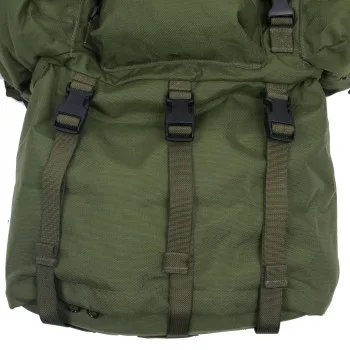
Investing in protective accessories can significantly enhance the storage of your tactical gear. For example, the Storm Flap Ruck Mod from Tactical Tailor provides an extra layer of protection for your rucksack's main compartment, keeping out rain and debris. This is especially useful if you store your pack in a less-than-ideal environment.
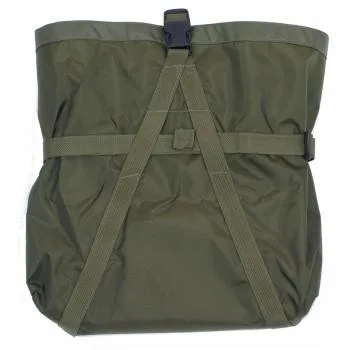
Storm Flap Ruck Mod
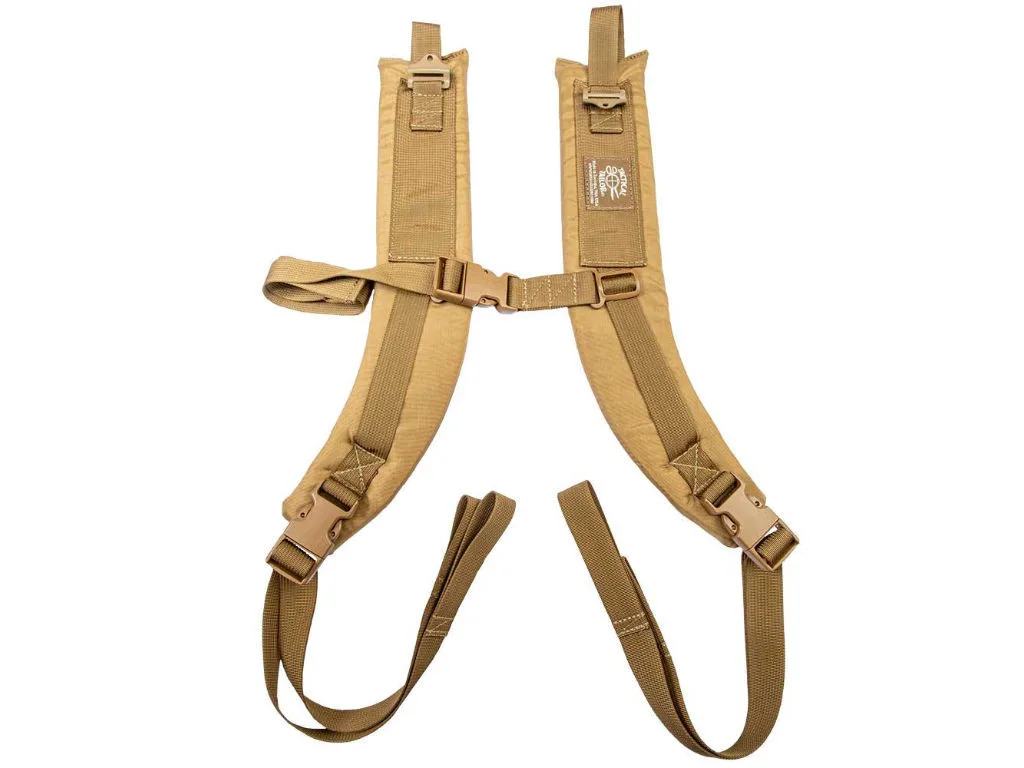
Another useful item is the Stress Point Reinforcement Ruck Mod, which reinforces high-wear areas of your pack, preventing damage that can occur during storage and handling. By adding these modifications, you can extend the life of your rucksack and keep it in top condition.
Stress Point Reinforcement Ruck Mod
Additionally, the 5 Pocket Combo Ruck Mod can help you organize small items within your pack, ensuring that everything has a designated place and reducing clutter.
- Use ruck mods to add protection and organization
- Consider using pouches to keep small items together
- Regularly inspect your gear for signs of wear
Special Considerations for Different Types of Gear
Different types of tactical gear have unique storage requirements. For example, plate carriers should be stored flat to prevent deformation of the plates and padding. Load-bearing belts should be hung or rolled to avoid creases. Pouches and small accessories can be stored in bins or on pegboards, but ensure they are not crushed under heavier items.
For items like the Ergo Super Belt, it's best to hang it to maintain its shape. Similarly, the Rogue SAPI Side Plate Pocket should be stored with the plates removed to avoid stress on the fabric. Always follow the manufacturer's recommendations for storage when available.
- Store plate carriers flat, not folded
- Hang belts to maintain their shape
- Remove plates from side plate pockets before storage
Seasonal Storage and Rotation
If you have seasonal gear, such as cold-weather or hot-weather items, consider rotating your storage to keep them fresh. This also gives you an opportunity to inspect and clean your gear before putting it away. For long-term storage, it's a good practice to periodically check on your equipment, especially if it's stored in a location with fluctuating conditions.
Create a checklist to ensure that all gear is clean, dry, and in good condition before storage. This proactive approach can prevent small issues from becoming major problems.
- Rotate seasonal gear to prevent degradation
- Inspect gear at least twice a year
- Clean and dry gear before storing
Proper storage is an investment in the longevity and reliability of your tactical gear. By following these guidelines and using protective accessories like the Storm Flap Ruck Mod and Stress Point Reinforcement Ruck Mod, you can ensure your equipment is always ready when you need it. Take the time to organize and protect your gear today, and it will serve you well for years to come.