Quick Answer
To use a CAT tourniquet, place it 2-3 inches above the wound, tighten the strap, twist the windlass until bleeding stops, secure it, and note the time. Practice these steps before an emergency so you can act fast when every second counts.
Severe bleeding can cause death within minutes, making a tourniquet one of the most critical tools in any first aid kit. The Combat Application Tourniquet (CAT) is widely used by military and civilian responders because it is compact, effective, and can be applied with one hand. Knowing how to use it properly is not just for professionals—anyone can learn these skills and potentially save a life.
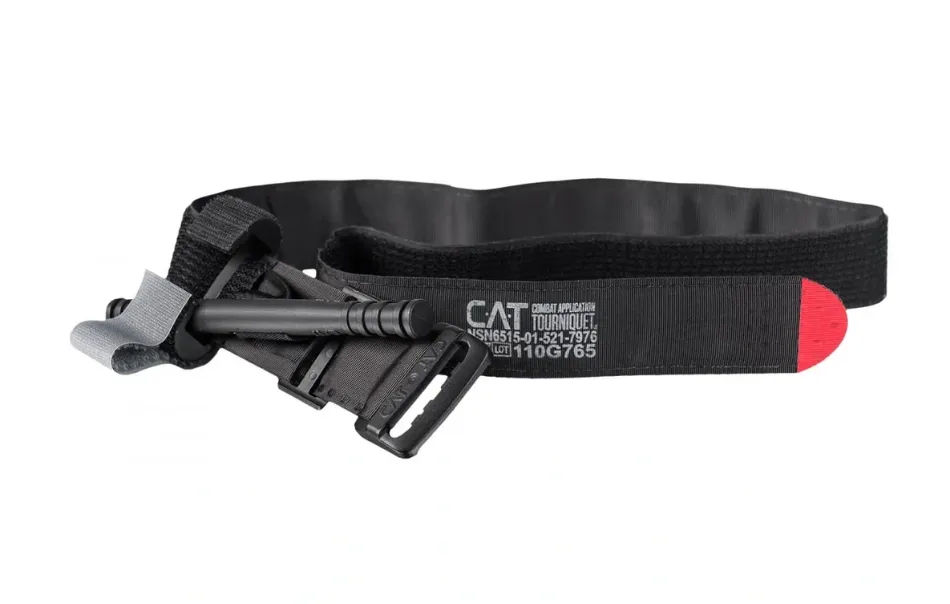
Combat Application Tourniquet (CAT)
This guide walks you through the correct application steps, highlights common mistakes, and explains when a tourniquet is necessary. We also mention related products from Blaze Defense Systems that can complement your emergency preparedness.
When to Use a Tourniquet
Tourniquets are for life-threatening bleeding from an arm or leg that cannot be controlled by direct pressure. This includes injuries from vehicle crashes, industrial accidents, or violent incidents where severe bleeding is obvious. If blood is spurting, pooling, or soaking through dressings quickly, a tourniquet is appropriate.
Do not use a tourniquet for minor bleeding or injuries to the head, torso, or joints. For those areas, apply direct pressure and seek emergency care. Always call for professional help immediately. A tourniquet is a temporary measure—it is not a replacement for advanced medical treatment.
- Signs: blood pooling on the ground, clothing soaked with blood, or amputation.
- Time: note the time of application clearly for medical responders.
Preparing Your Tourniquet
Before an emergency, inspect your CAT tourniquet. Ensure the windlass is intact, the strap is not frayed, and the buckle works. Keep it accessible in a designated pouch or pocket. Practice applying it to yourself and others so you can do it under stress.
If you carry a tourniquet, consider also carrying a bleeding control kit that includes dressings and hemostatic agents. A comprehensive approach increases the chances of survival.
- Check your tourniquet monthly for signs of wear.
- Store it in a location you can reach with either hand.
Step-by-Step CAT Tourniquet Application
- Step 1: Position the Tourniquet: Place the CAT 2-3 inches above the wound, between the injury and the heart. Do not place it over a joint. If the wound is on the forearm or lower leg, place it above the elbow or knee. Checkpoint: Ensure the tourniquet is not on a joint.
- Step 2: Tighten the Strap: Pull the strap through the buckle and tighten it firmly. The strap should be snug but not yet stopping blood flow. This prepares for the windlass action. Mistake to avoid: Leaving the strap too loose, which reduces effectiveness.
- Step 3: Twist the Windlass: Turn the windlass rod until bleeding stops. This may take several rotations. You should see blood flow slow or cease. If bleeding continues, twist more. Checkpoint: Bleeding must stop. If not, continue twisting.
- Step 4: Secure the Windlass: Lock the windlass in place using the clip on the strap. This prevents loosening. Ensure the windlass does not unwind. Mistake to avoid: Forgetting to secure the windlass, which can cause rebleeding.
- Step 5: Note the Time: Write the time of application on the tourniquet or on the patient's forehead. This information is critical for medical providers to decide next steps. Checkpoint: Time is recorded clearly.
- Step 6: Seek Emergency Care: Transport the patient to advanced medical care immediately. Do not remove the tourniquet unless instructed by a professional. Continue to monitor the patient for shock. Remember: The tourniquet stays on until help takes over.
Related Products from Blaze Defense Systems
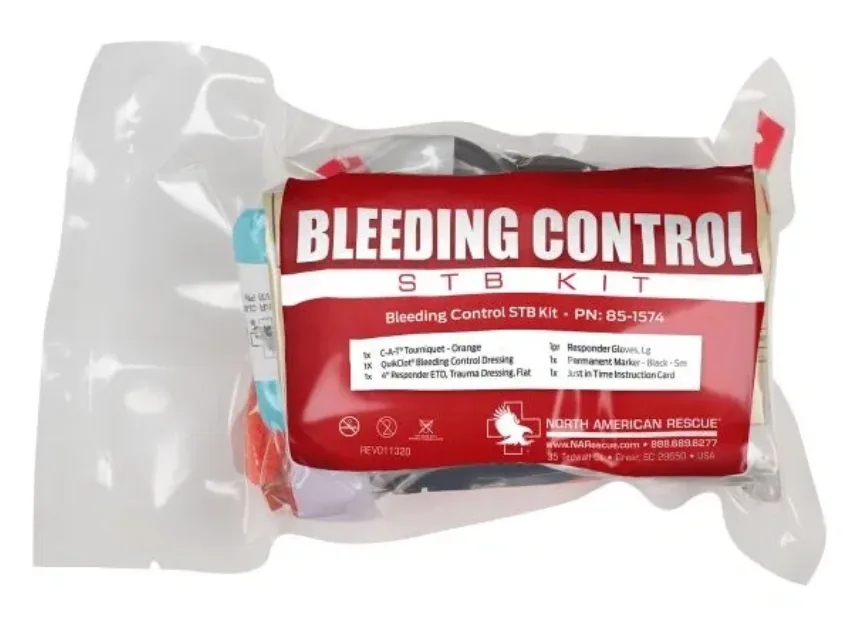
- Bleeding Control Kit - Stop The Bleed (STB): Life threatening bleeding can occur from emergency situations in our communities everyday. From vehicle crashes and incidents involving farming equipment or public transportation to accidental injuries from natural disasters like tornadoes or inflicted injuries from intentional acts of violence like shootings and bombings, uncontrolled bleeding can result in death within minutes – even before emergency medical... This kit provides additional supplies like dressings and hemostatic agents to manage bleeding until help arrives.
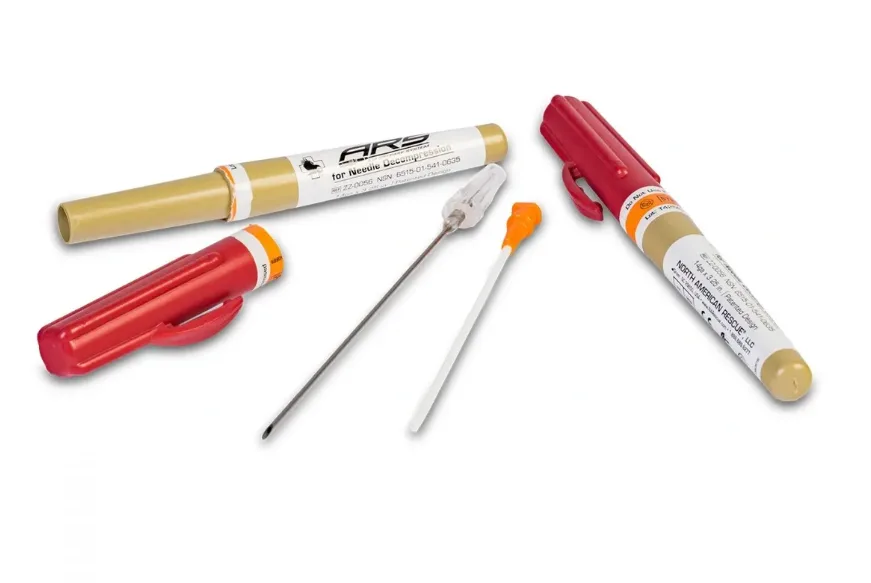
- ARS FOR NEEDLE DECOMPRESSION (3.25 IN.): For the upgraded ARS for Needle Decompression from North American Rescue, the best minds in the field were applied to the best available data. The result? Our patented design improves the probability of success when managing casualties who present with signs and symptoms of a tension pneumothorax. To achieve this end, we participated in a two-year collaboration with pre-hospital providers. ). We applied the... This advanced tool is for trained responders dealing with chest injuries, complementing airway management in trauma scenarios.
Proper CAT tourniquet application can save a limb or a life. Practice these steps regularly, keep a tourniquet in your kit, and consider adding a bleeding control kit for a complete response. Stay prepared, stay safe.