Quick answer
To protect art prints from sun damage, frame them behind UV-filtering glass or acrylic and hang them away from direct sunlight. Rotate prints seasonally if they’re in bright rooms, and avoid placing them opposite south- or west-facing windows. Even indirect UV exposure adds up over time, so consistent care matters more than any single fix.
Sunlight can fade inks and yellow paper faster than you might expect. If you’ve ever moved a framed print and noticed a ghost of its former color, you’ve seen UV damage in action. The good news: you don’t need a museum budget to protect your art. A few smart choices about framing, placement, and rotation will keep your prints looking sharp for years.
This guide walks you through the exact steps to shield your prints from sun damage, from choosing the right glazing to adjusting your display habits. We’ll also cover what to do if a print is already showing signs of fading, and how to store pieces you’re not currently hanging.
Step 1: Choose UV-filtering glazing for your frame
The single most effective way to prevent print fading is to frame your art behind glazing that blocks ultraviolet light. Look for glass or acrylic labeled “UV-filtering” or “99% UV protection.” Standard glass offers almost no UV defense, and even some acrylics let UV rays through. If you’re having a custom frame made, ask specifically about the glazing’s UV rating—it’s often an upgrade, but a worthwhile one.
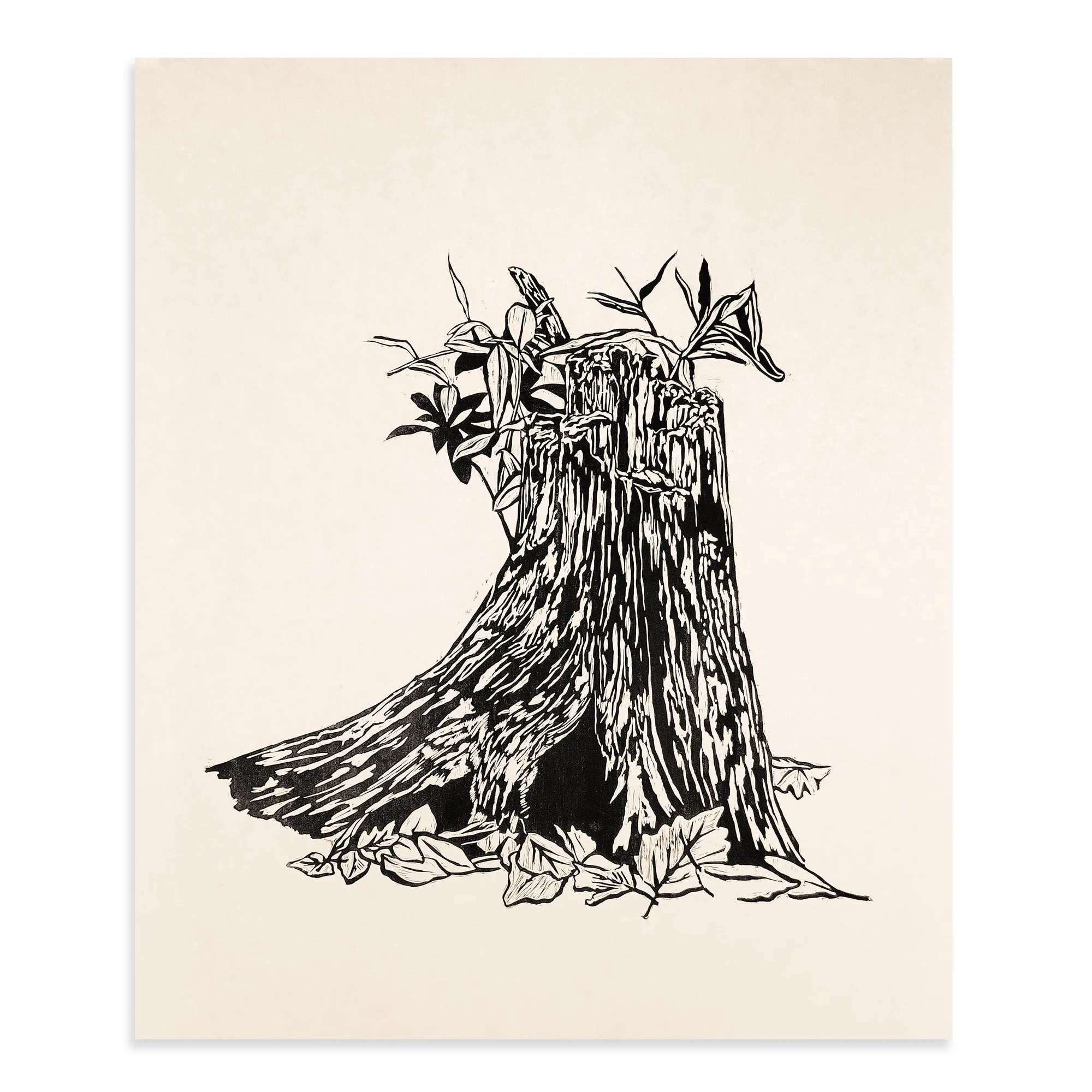
For pieces like the Log Hollow Woodcut Print, which is printed on Okawara paper, UV glazing is especially important. That paper’s natural fibers can yellow with prolonged sun exposure. A UV-filtering frame slows that process dramatically. If you’re framing on a budget, prioritize UV glazing over fancy mats—protecting the art matters more than decoration.
Log Hollow Woodcut Print
- Check the label: “UV-filtering” or “99% UV protection” are the keywords.
- Acrylic is lighter and shatter-resistant; glass is heavier but less prone to scratching.
- If you already own a frame, you can often buy UV glazing separately and swap it in.
Step 2: Hang prints away from direct sun
Even the best glazing can’t block 100% of UV, so placement is your second line of defense. Avoid hanging prints on walls that receive direct sunlight for hours a day—typically south- and west-facing walls in the northern hemisphere. If you love a bright room, choose interior walls or spots that get only indirect, filtered light. Sheer curtains or UV window film can help, but they’re not a substitute for smart placement.
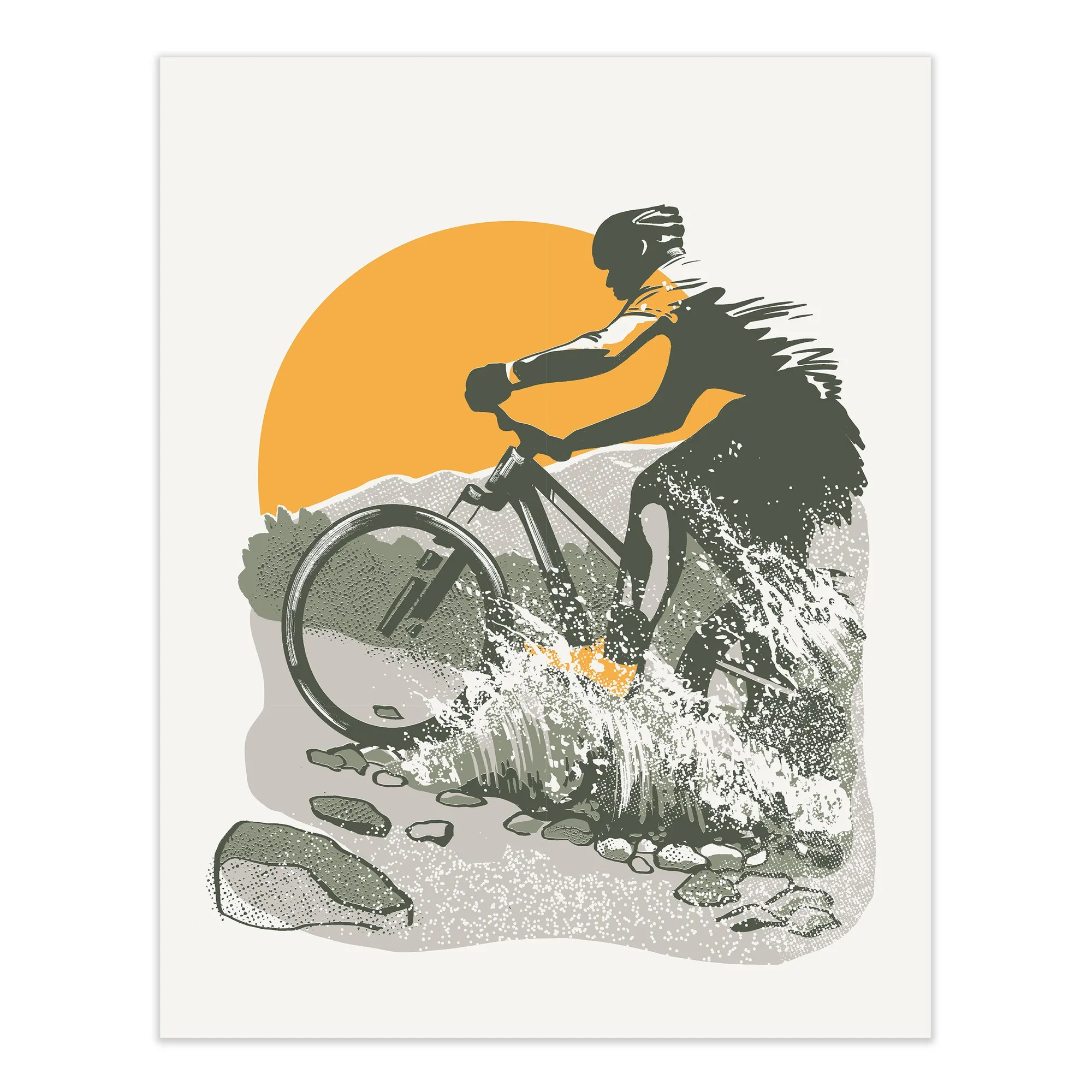
A common mistake is hanging art opposite a window “because it looks nice.” That’s exactly where sunbeams land. Instead, put prints on adjacent walls where light grazes the surface rather than hitting it head-on. For smaller pieces like the Water Crossing Screenprint, you have more flexibility—rotate them into darker spots if you notice any change in color.
Water Crossing Screenprint
- Use a compass app to identify south- and west-facing walls.
- Sheer curtains reduce UV but don’t eliminate it.
- Rooms with skylights can be surprisingly bright—treat them like direct sun.
Step 3: Rotate prints seasonally
If you can’t avoid a bright spot entirely, rotate your prints every three to six months. This spreads out UV exposure so no single piece takes the full hit. It also gives you a chance to refresh your space and enjoy different pieces. Store the rest in a cool, dark, dry place—ideally a flat file or archival box. Avoid attics and basements, where humidity swings can cause their own damage.
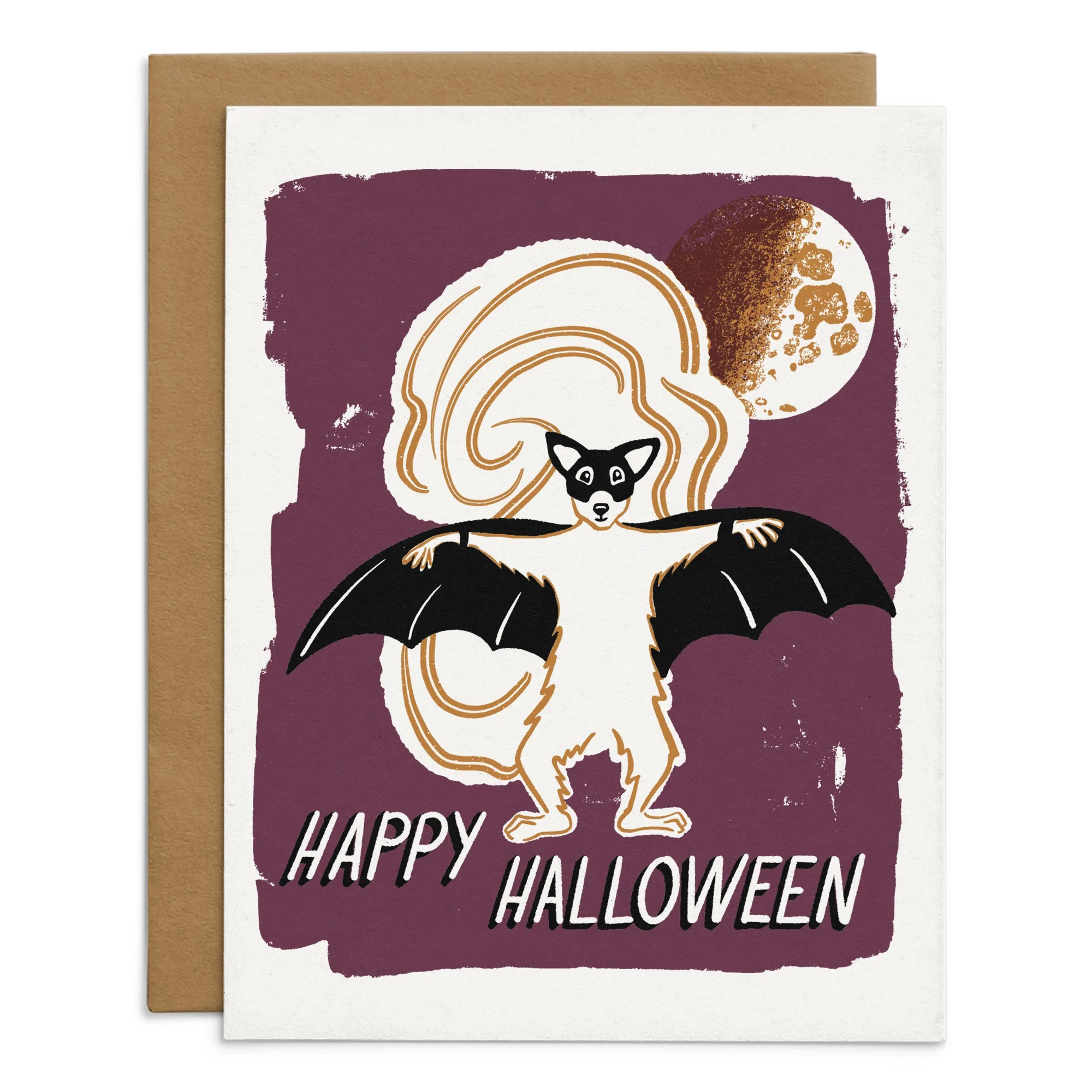
Rotation is especially useful for prints you love but can’t frame with UV glazing right away. For example, the Happy Halloween White Squirrel In A Bat Costume Card is small and easy to tuck into a rotation. Just make sure you note which pieces are sun-sensitive—woodcut and screenprints with rich inks tend to show fading first.
- Set a calendar reminder to swap prints each season.
- Store rotated prints flat, interleaved with acid-free tissue.
- Keep a simple log of where each print has hung to track exposure.
Step 4: Use UV film or curtains as a backup
If you’ve already framed your prints and can’t move them, UV-filtering window film is a practical retrofit. It’s applied directly to glass and blocks a significant portion of UV rays. Combined with curtains or blinds during peak sun hours, it can meaningfully slow fading. Just remember: film reduces UV but doesn’t make your art invincible. It’s a supplement, not a solution.
For renters or anyone who can’t modify windows, heavy curtains drawn during the brightest part of the day are a simple, reversible option. Pair them with a UV-filtering frame if possible. The goal is to stack defenses so that no single exposure event—like a particularly sunny week—causes noticeable damage.
- Look for film that blocks at least 99% of UV rays.
- Install film on the inside of windows for best results.
- Curtains alone help, but they’re most effective when closed during peak hours.
Step 5: Handle and store prints with care
Sun damage isn’t the only threat—improper handling can accelerate fading and yellowing. Always hold prints by the edges or wear cotton gloves. Oils from your fingers can attract dust and cause uneven aging. When storing, use acid-free sleeves or boxes. Avoid plastic wrap, which can trap moisture and cause mold. If you’re framing yourself, make sure the mat and backing are acid-free and lignin-free.
For prints like the Log Hollow Woodcut Print, which is on Okawara paper, acid-free storage is non-negotiable. That paper is absorbent and will readily pick up impurities from cheap cardboard. If you’re not ready to frame, keep it in an archival sleeve in a flat, dark drawer. Check it once a year for any signs of foxing or discoloration.
- Cotton gloves prevent oils and fingerprints.
- Acid-free materials cost a bit more but add years to your print’s life.
- Never store prints in damp basements or hot attics.
Your sun-protection checklist
- Assess your walls: Use a compass app to find south- and west-facing walls that get direct sun. Move prints to interior or north-facing walls when possible. Checkpoint: If you can’t move a print, plan to add UV glazing or film.
- Upgrade glazing: Replace standard glass with UV-filtering glass or acrylic. Look for 99% UV protection and ensure the frame backing is acid-free. Checkpoint: If the glazing doesn’t specify a UV rating, assume it offers little protection.
- Rotate and store: Swap prints every 3–6 months, especially in bright rooms. Store off-duty pieces flat in acid-free sleeves in a cool, dark place. Checkpoint: Set a seasonal reminder so rotation actually happens.
- Add window film or curtains: Apply UV-filtering film to windows or use heavy curtains during peak sun hours. This is a backup, not a replacement for framing. Checkpoint: Film reduces UV but doesn’t block 100%, so combine with other steps.
- Handle with care: Wear cotton gloves when touching prints. Avoid fingers on the image area and never store prints in damp or hot spaces. Checkpoint: If you see yellowing or foxing, isolate the print and consult a conservator.
Product facts to keep in mind
- Log Hollow Woodcut Print: Printed from a 31" woodblock onto a 38" x 32" sheet of Okawara Paper from Hiromi Papers in Japan. Okawara paper is absorbent and can yellow with UV exposure, so UV glazing and acid-free storage are especially important for this piece.
- Water Crossing Screenprint: Screenprint on Soft White 100 lb. paper, capturing a mountain biking scene. Screenprints often use vivid inks that can fade in direct sun, so rotating this piece or framing it with UV protection will help preserve its vibrancy.
- Happy Halloween White Squirrel In A Bat Costume Card: Features a bright white squirrel in a bat costume against a moody, moonlit wine-colored background. Small cards are easy to rotate or tuck into a dark display, making them simple to protect from sun damage without reframing.
Protecting art prints from sun damage comes down to consistent, layered habits: UV glazing, smart placement, seasonal rotation, and careful storage. You don’t have to turn your home into a darkroom—just make a few deliberate choices. Your prints will thank you with years of rich, unfaded color.