Quick answer
Start with one short, repeatable bushwalk on the same day each week, let your kids help choose the route and the snack, and protect that slot from screen time and errands. Consistency matters more than distance.
Why the first walk should be shorter than you think
Most families abandon outdoor habits because the first outing is too ambitious: a long drive, a steep track and a late return. A 45-minute local walk that ends while everyone still has energy is far more likely to be repeated next weekend.
Aim for a loop rather than an out-and-back route. Children who can see the finish approaching are less likely to negotiate a turnaround, and a loop naturally limits how far you commit.
When the weather or the season works against you
In Australia, heat, storms and bushfire risk can close tracks with little notice, so check conditions and fire danger ratings the day before rather than assuming a favourite spot is open. On unsuitable days, keep the habit alive with a shorter local walk at a cooler time, or a backyard nature session instead of cancelling the week entirely.
If your family is new to an area, choose formed tracks and check local park advice before venturing further. The habit is the goal; the location is negotiable.
Where screens fit without becoming the enemy
Screens are not the problem by themselves; the issue is that they compete for the same free hours. Treat the weekly walk as a fixed appointment, and let screens fill the time around it rather than replacing it.
A simple rule helps: the walk happens first, and the reward is something the walk itself provides, such as a favourite snack at the halfway point or a photo your child chooses to take.
Seven steps to make bushwalks a family habit
- Pick a fixed weekly slot: Choose a day and time that rarely clashes with sport, parties or work, and put it in the family calendar as a real appointment. Common mistake: leaving the walk as a vague weekend intention, which gets pushed aside by chores. If the slot is not in the calendar, it is not yet a habit.
- Choose a short local loop: Select a formed track within a short drive of home that takes 45 to 60 minutes at a child's pace. Check park websites for closures and fire danger before you go. Common mistake: choosing a scenic destination that makes the drive longer than the walk. The best first walk is the one you can repeat without planning.
- Let your kids help plan: Give each child one decision: the route, the snack or the game for the car. This builds ownership and reduces resistance. Common mistake: planning everything yourself and then wondering why the walk feels like your project, not theirs. One genuine choice per child is enough.
- Set a simple kit routine: Pack water, hats, sunscreen, a basic first-aid item and a snack the night before, and keep the bag by the door. Common mistake: treating every walk as a major expedition with new gear, which adds cost and friction. A ready bag removes the main excuse for skipping.
- Walk at kid pace and stop often: Let children lead the pace and pause for rocks, insects and questions. A slow walk that finishes happy beats a fast one that ends in tears. Common mistake: pushing for distance or a time target that turns the outing into a test. Distance is not the measure; willingness to return is.
- Add one small nature ritual: Repeat the same simple activity each week, such as a photo of the same tree, a sound count or a leaf collection. Rituals give children something to anticipate. Common mistake: introducing a new elaborate activity every time, which makes the habit feel like a performance. Repetition is what turns an outing into a tradition.
- Review after four weeks: After a month, ask each child what they liked and what to change, then adjust the day, route or snack rather than abandoning the plan. Common mistake: quitting after one difficult walk instead of adjusting one variable. Change one thing at a time and keep the slot.
A book that supports the habit
-
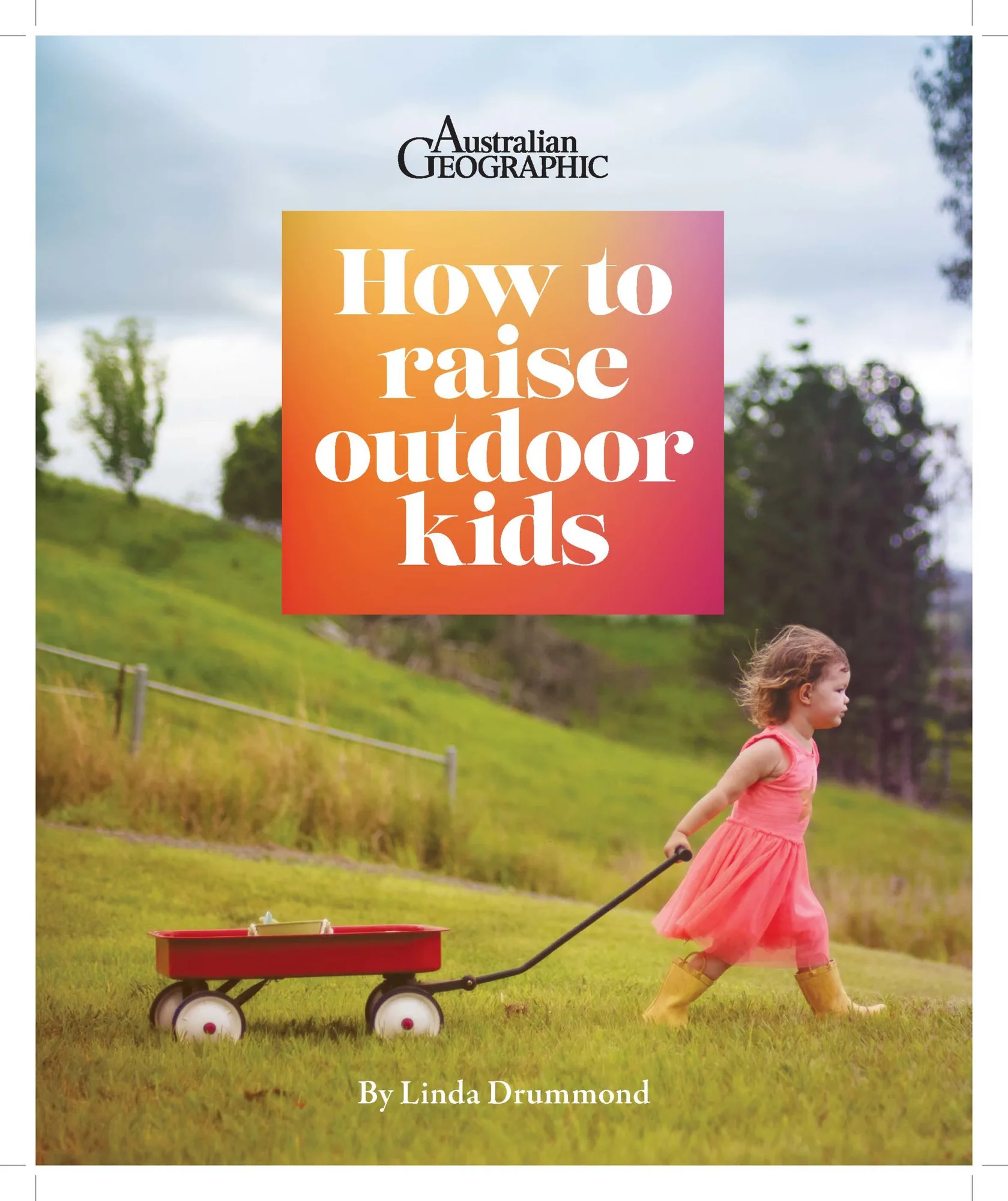
How to Raise Outdoor Kids: A book of activities and practical advice on getting kids off screens and into nature, with science-based reasons for why it matters. Useful when you want fresh activity ideas and a plain explanation of the benefits to share with reluctant walkers.
How to Raise Outdoor Kids