Standing in the coffee aisle or browsing online, you’ve probably stared at a coffee bag label and wondered what all those terms really mean. Words like "single origin," "roast date," and "flavor notes" can feel like a secret language. But once you learn how to read a coffee bag label, you’ll make smarter buying decisions and enjoy a much better cup at home.
Whether you’re a casual drinker or an aspiring home barista, understanding the information on a coffee bag label helps you choose beans that match your taste preferences and brewing method. In this guide, we’ll break down every key element—from roast dates to origin details—so you can confidently pick your next bag.
Why the Roast Date Matters Most
The single most important piece of information on any coffee bag label is the roast date. Coffee is a fresh product—like bread or vegetables—and its flavor peaks within a specific window after roasting. Most specialty coffee roasters print a "roasted on" date rather than a "best before" date. Ideally, you want beans that were roasted within the last two to four weeks.
Freshly roasted coffee releases carbon dioxide for several days after roasting, which is why many bags have a one-way valve. This gas protects the beans from oxygen. If you brew coffee too soon after roasting (within 1-3 days), it can taste flat or overly bright. Waiting about 5-14 days after the roast date usually gives the best flavor. Always check the roast date first—it’s your best guarantee of freshness.
- Look for a "roasted on" date, not just a "best before" date.
- Aim to use beans within 2–4 weeks of the roast date for peak flavor.
- Store beans in an airtight container away from light and heat.
Decoding Origin: Single Origin vs. Blends
The origin section of a coffee bag label tells you where the beans were grown. Single origin coffee comes from one specific country, region, or even a single farm. This lets you taste the unique characteristics of that place—often called "terroir." For example, Ethiopian coffees might have floral and fruity notes, while Colombian coffees are often nutty and balanced.
Blends, on the other hand, combine beans from multiple origins to create a consistent, balanced flavor profile. Roasters blend to achieve a specific taste that works well for espresso or milk drinks. If you’re exploring, start with a single origin like our Discovery Beans to experience distinct regional flavors. Blends are great for everyday brewing when you want reliability and harmony in your cup.
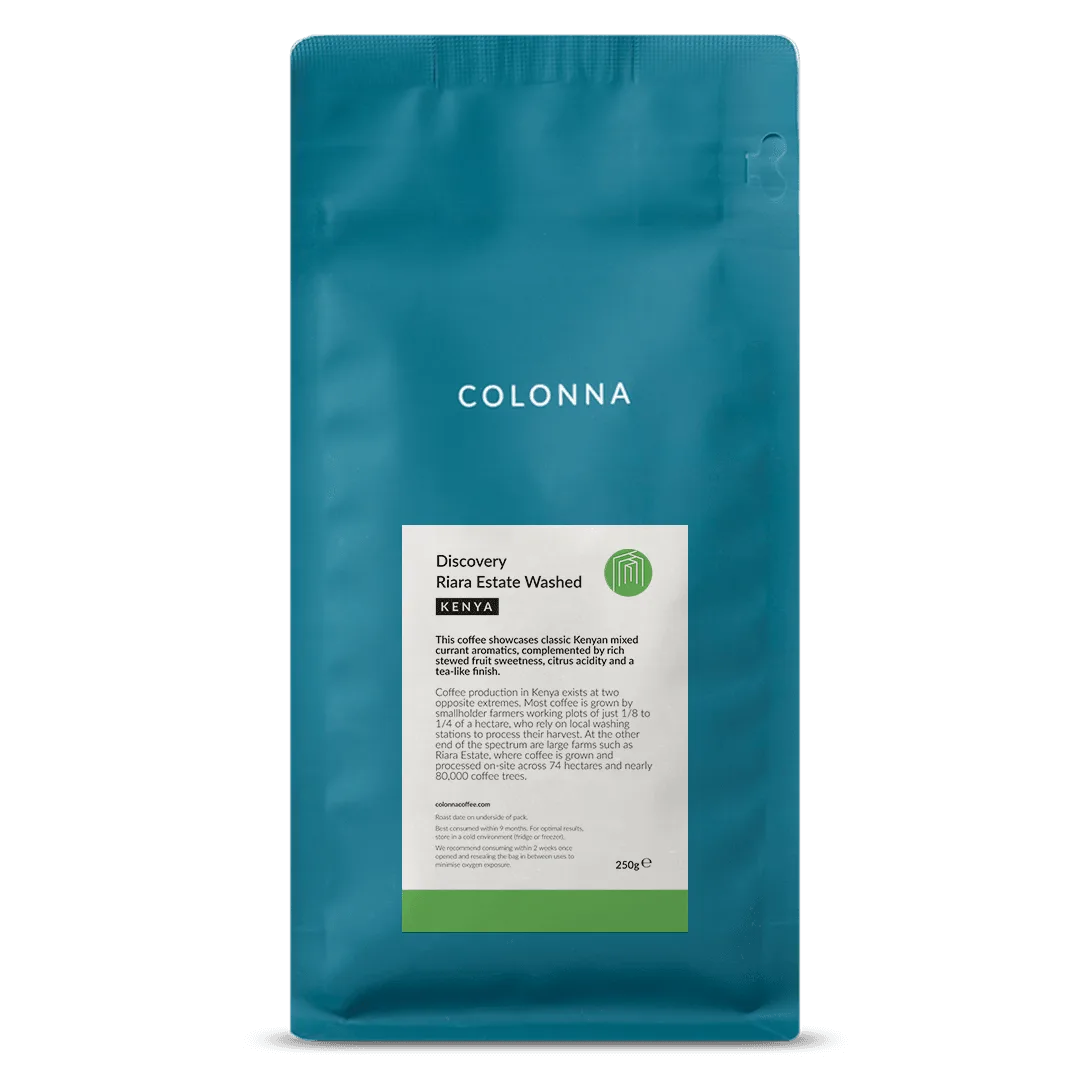
Discovery Beans
- Single origin: taste the unique flavor of a specific place.
- Blends: consistent, balanced flavor ideal for espresso or milk drinks.
- Look for the country, region, and sometimes farm name on the label.
Understanding Flavor Notes and Tasting Terms
Flavor notes on a coffee bag label describe what you might taste—like "chocolate," "berry," "caramel," or "citrus." These aren’t added flavors; they come from the bean’s natural compounds and how it was processed and roasted. Light roasts tend to highlight fruity and floral notes, while dark roasts bring out chocolatey, nutty, or smoky flavors.
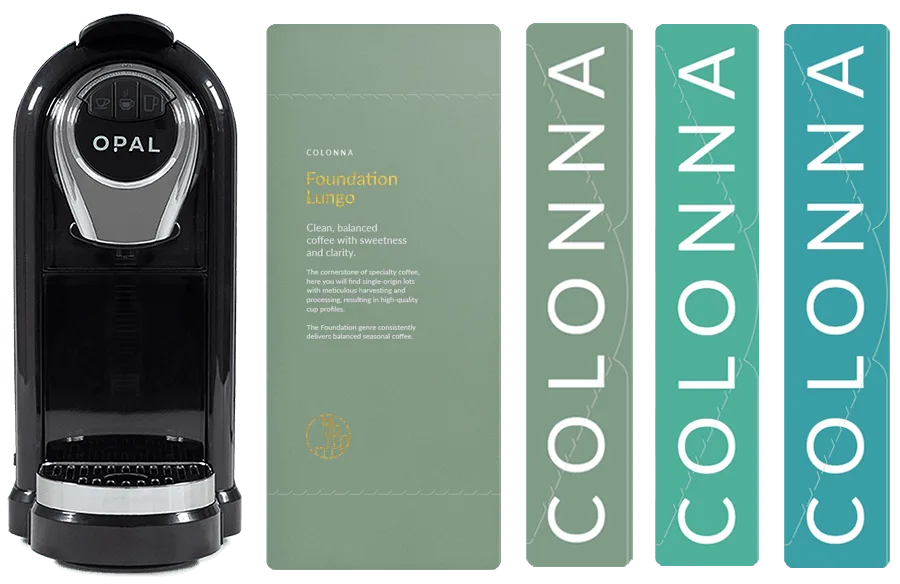
Don’t be intimidated if you don’t taste exactly what’s written. Flavor notes are a guide, not a guarantee. Your palate will develop over time. To get the most out of your beans, pair the flavor notes with your brewing method. Bright, acidic coffees shine in pour-over or filter brewing, while chocolatey, full-bodied coffees work beautifully in espresso. For a convenient espresso option, try our https://beansyai.shop/products/discovery-espresso-capsules-with-machine-133581Discovery Espresso Capsules (With Machine) for consistent flavor every time.
- Flavor notes come from the bean’s natural chemistry, not additives.
- Light roasts = fruity/floral; dark roasts = chocolatey/nutty.
- Match flavor notes to your brewing method for best results.
Roast Level: Light, Medium, or Dark?
The roast level is often clearly marked on a coffee bag label. Light roasts are roasted for the shortest time, preserving the bean’s original flavors and acidity. Medium roasts strike a balance between origin character and roast flavor, making them very versatile. Dark roasts are roasted longer, producing a bold, smoky, and often less acidic cup.
Your choice depends on personal preference and how you brew. Light roasts are excellent for filter methods like pour-over or AeroPress. Medium roasts work well for both filter and espresso. Dark roasts are classic for espresso and milk-based drinks. If you’re new to specialty coffee, start with a medium roast to explore a wide range of flavors without overwhelming bitterness.
- Light roast: bright, acidic, complex origin flavors.
- Medium roast: balanced, versatile, crowd-pleasing.
- Dark roast: bold, smoky, low acidity, great for espresso.
Processing Method: Washed, Natural, or Honey?
The processing method describes how the coffee cherry’s fruit is removed from the bean after harvest. This step dramatically affects flavor. Washed (or wet) processing removes all fruit before drying, resulting in a clean, bright cup with pronounced acidity. Natural (or dry) processing dries the bean inside the fruit, leading to a fruitier, fuller-bodied, and sometimes winey flavor.
Honey processing is a hybrid that leaves some fruit mucilage on the bean during drying, creating a sweet, syrupy body with moderate acidity. Many specialty roasters include this information on the coffee bag label. If you see "natural" on a bag from Ethiopia, expect blueberry or strawberry notes. A washed Colombian might taste like apple or caramel. Exploring these differences is one of the joys of specialty coffee.
- Washed: clean, bright, high acidity.
- Natural: fruity, full-bodied, complex.
- Honey: sweet, syrupy, balanced.
Other Key Details: Altitude, Varietal, and Certifications
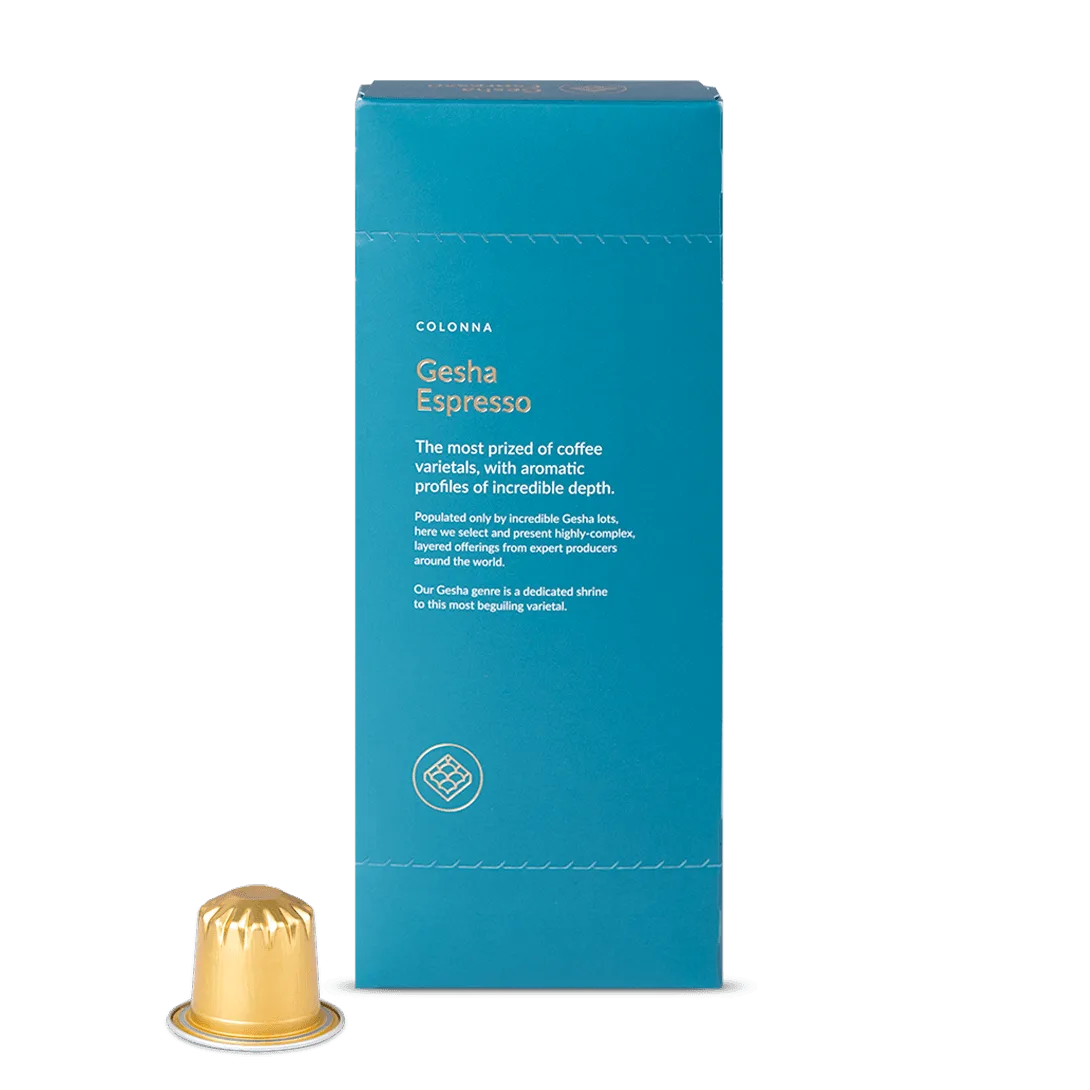
Higher altitude coffee is often denser and develops more complex sugars, leading to brighter acidity and more nuanced flavors. Many coffee bag labels list the elevation in meters above sea level. Varietal (like Bourbon, Typica, or Geisha) is the coffee plant’s subspecies—similar to grape varieties in wine. Different varietals can taste dramatically different even from the same farm.
Certifications like Fair Trade, Organic, or Rainforest Alliance indicate ethical and environmental standards. While these don’t directly affect flavor, they reflect the roaster’s values. At Colonna Coffee, we prioritize quality and traceability. For a deeper dive into the science behind your brew, check out The Physics of Espresso Coffee—a fascinating read for any coffee lover who wants to understand the art and science in their cup.
- Higher altitude often means brighter, more complex flavor.
- Varietal names hint at flavor potential (e.g., Geisha = floral).
- Certifications signal ethical sourcing but don’t guarantee taste.
Next time you pick up a bag of coffee, take a moment to read the label. Look for the roast date, origin, flavor notes, and processing method. These details unlock a world of flavor and help you choose beans that suit your taste and brewing style. Ready to put your knowledge into practice? Explore our selection of freshly roasted beans and discover your new favorite brew today.