Quick Answer
To read RPG dice, look at the number sitting face-up on the table after the die stops rolling. The shape tells you how many sides it has, and the notation (like d20 or 2d6) tells you which die to roll and how many. Read the top face, add any modifiers, and announce the total.
If you have ever sat down at a tabletop game and watched everyone grab a handful of strange-shaped dice, you know the feeling: excitement mixed with a little confusion. Which one is the d20? Why does the d8 look like a crystal? And what does 2d6 actually mean?
This beginner dice guide walks you through every polyhedral die in a standard set, shows you exactly how to read the result, and explains the common notation you will see on character sheets and in rulebooks. By the end, you will be able to pick up any die and know what to do with it.
What Each Polyhedral Die Is Called and What It Does
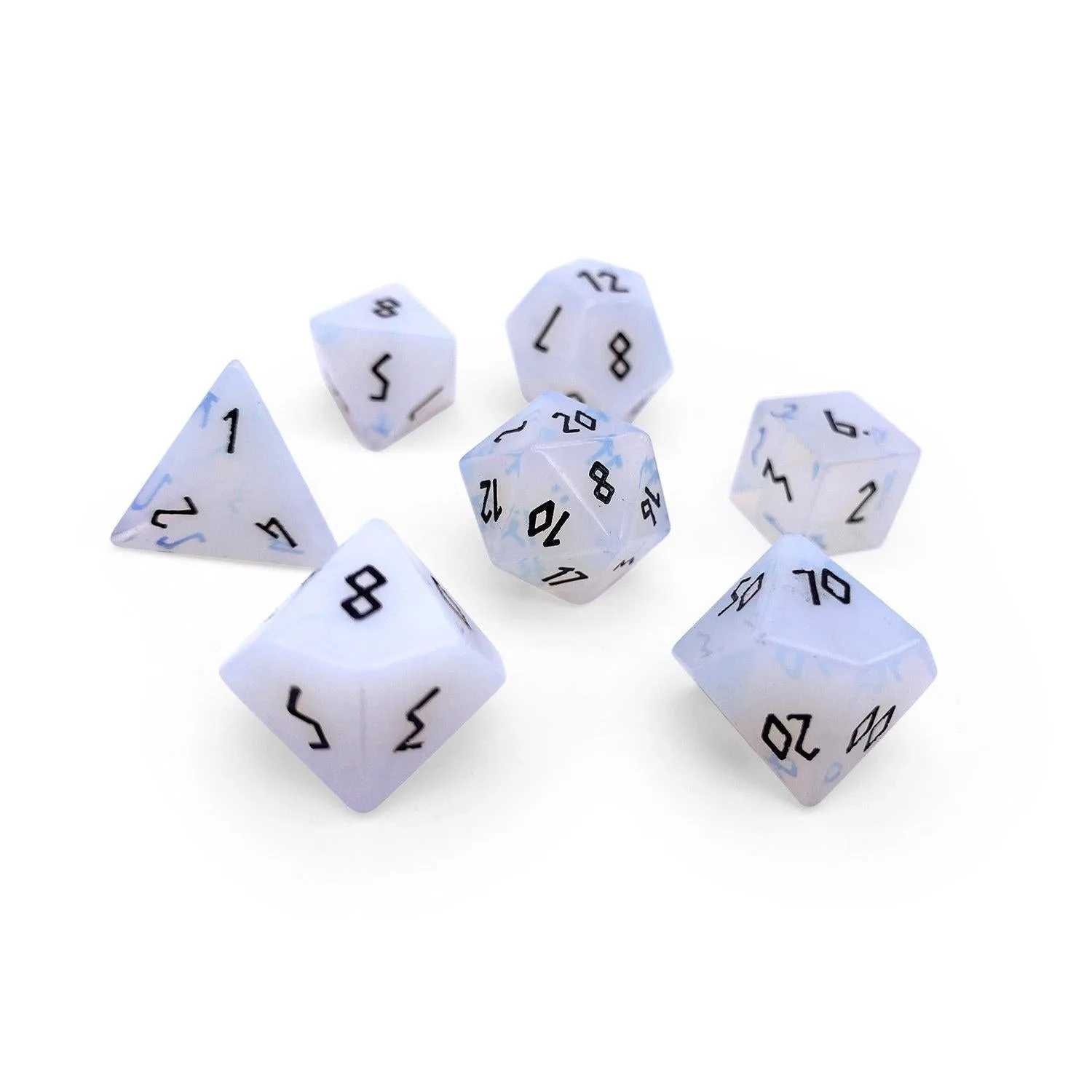
A standard RPG dice set contains seven dice: d4, d6, d8, d10, d12, d20, and a percentile d10 (often marked 00–90). The 'd' stands for die, and the number tells you how many sides it has. So a d20 is a twenty-sided die, and a d6 is the familiar six-sided cube you already know from board games.
Each die serves a different purpose. The d20 handles most skill checks, attack rolls, and saving throws. The smaller dice like d4, d6, d8, d10, and d12 usually determine damage, healing, or random effects. The percentile die pairs with a regular d10 to generate numbers from 1 to 100, which some games use for random tables or percentage chances.
- The d20 is the only die you roll for most core actions in Dungeons & Dragons and similar games.
- The d4 is a pyramid shape and reads from the bottom edge, not the top face.
- The d10 and percentile d10 are often sold together to make percentile rolls easy.
How to Read the Number on Any Die
For most dice, the result is the number on the face pointing straight up after the roll. The d4 is the exception: because it has no top face, you read the number that appears upright at the bottom edge of the pyramid. For all other standard dice, simply glance at the top face.
Some dice use numerals, while others use pips (dots) like a traditional six-sided die. Either way, the value is the same. If a die lands cocked against a book or another die, most tables reroll it. It is a good habit to roll on a flat, clear surface so every result is unambiguous.
- Always read the face pointing up, not the one facing you.
- If the die is tilted or resting on an edge, reroll it.
- For d4, look for the number that is upright at the base.
Understanding Dice Notation Like 2d6 and 1d20+3
Dice notation is a shorthand that tells you exactly what to roll. The number before the 'd' is how many dice to roll, and the number after the 'd' is how many sides each die has. So 2d6 means roll two six-sided dice and add them together. A lone d20 means roll one twenty-sided die.
Modifiers come after a plus or minus sign. If your character sheet says 1d20+3, you roll the d20 and add 3 to the result. If it says 2d6-1, you roll two d6s, add them, then subtract 1. This notation appears everywhere in RPG rulebooks, so learning to read it quickly will speed up your turns.
- The number before 'd' is the quantity of dice; the number after is the type.
- Add or subtract modifiers after rolling and totaling the dice.
- When in doubt, say the notation out loud: 'two d six' means 2d6.
Rolling and Interpreting Results at the Table
Once you know which die to roll, the process is simple: pick it up, roll it on a flat surface, and read the top face. For attack rolls and checks, you compare your total against a target number set by the game master. For damage, you simply report the number you rolled plus any modifiers.
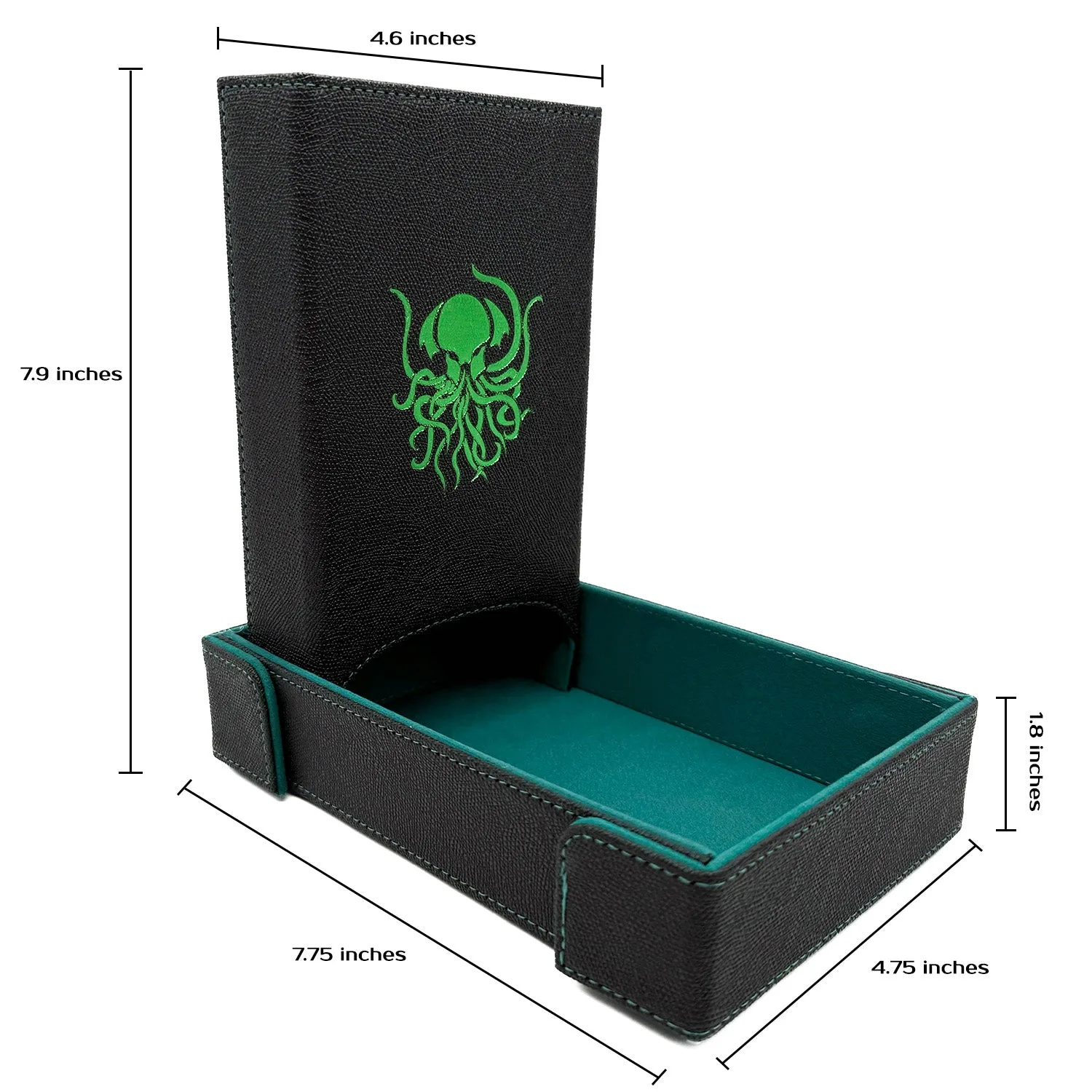
Many groups use a dice tray to keep rolls contained and protect the table. A tray also makes it easier to see the result clearly, especially with small dice. If you are rolling multiple dice, such as 4d6, roll them together and add the values. Announce both the individual dice and the total if your group likes transparency.
- Roll on a flat, bounded surface so dice do not scatter.
- State the total, not just the individual dice, to keep the game moving.
- If a die lands on the floor, reroll it—most tables consider floor rolls invalid.
Special Dice You Might Encounter
Beyond the standard seven, some games use specialty dice like the d100 (percentile), d30, or even d2 (often a coin flip). The d100 is usually two d10s rolled together: one for tens and one for ones. A result of 00 and 0 often means 100, not 0, so check your rulebook.
Some dice are designed for specific visual or tactile preferences. For example, Norse Foundry offers a range of materials from aluminum to gemstone, and each has its own feel and weight. The way you read them does not change, but heavier dice may need a sturdier rolling surface to avoid dents in a wooden table.
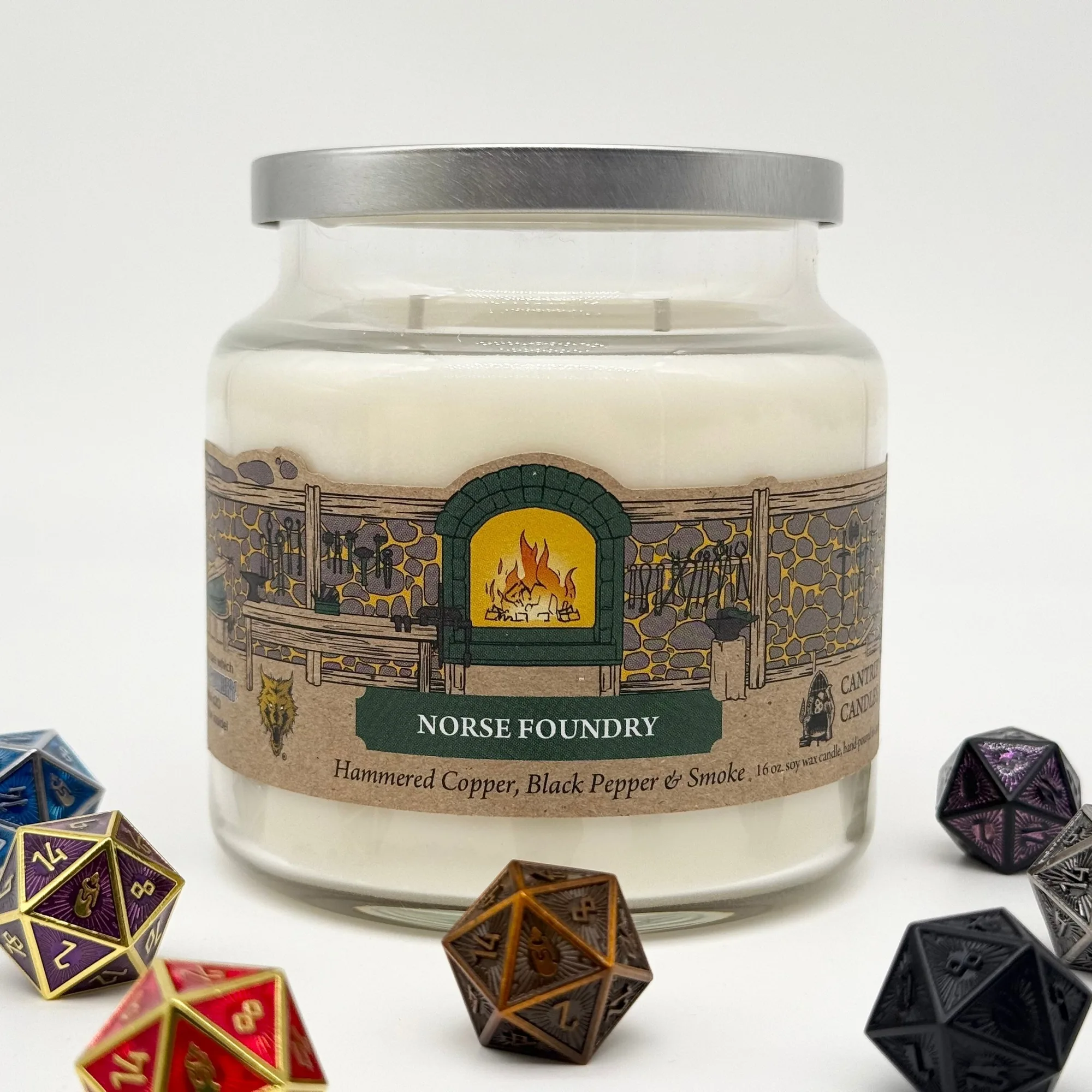
Norse Foundry
- Percentile dice: one die shows tens, the other shows ones.
- A d2 is any die where you assign two outcomes, like odd/even on a d6.
- Heavier metal dice roll with more force—use a tray to protect furniture.
Your First Roll: Step-by-Step
- Find the right die: Look at the notation on your character sheet or the game master's instruction. If it says d20, pick up the twenty-sided die. If it says 2d6, pick up two six-sided dice. Checkpoint: confirm the number of sides matches the number after the 'd'.
- Roll on a flat surface: Roll the die or dice onto a clear, flat area like a dice tray or table. Avoid rolling onto uneven surfaces or near loose objects that could cause a cocked result. Common mistake: rolling on a soft surface like a bed or carpet, which can make the die land tilted.
- Read the top face: For all dice except the d4, read the number on the face pointing straight up. For a d4, read the number upright at the bottom edge of the pyramid. Checkpoint: if the die is not flat, reroll it.
- Add your modifiers: If the notation includes a plus or minus number, add or subtract it from the die result. For multiple dice, add all the dice together first, then apply the modifier. Common mistake: forgetting to add a proficiency bonus or ability modifier to a d20 roll.
- Announce the total: Tell the game master your final number clearly. If you rolled multiple dice, you can state the individual results and the total, but the total is what matters for the outcome. Next step: wait for the game master to describe what happens based on your roll.
Dice That Help You Learn by Feel
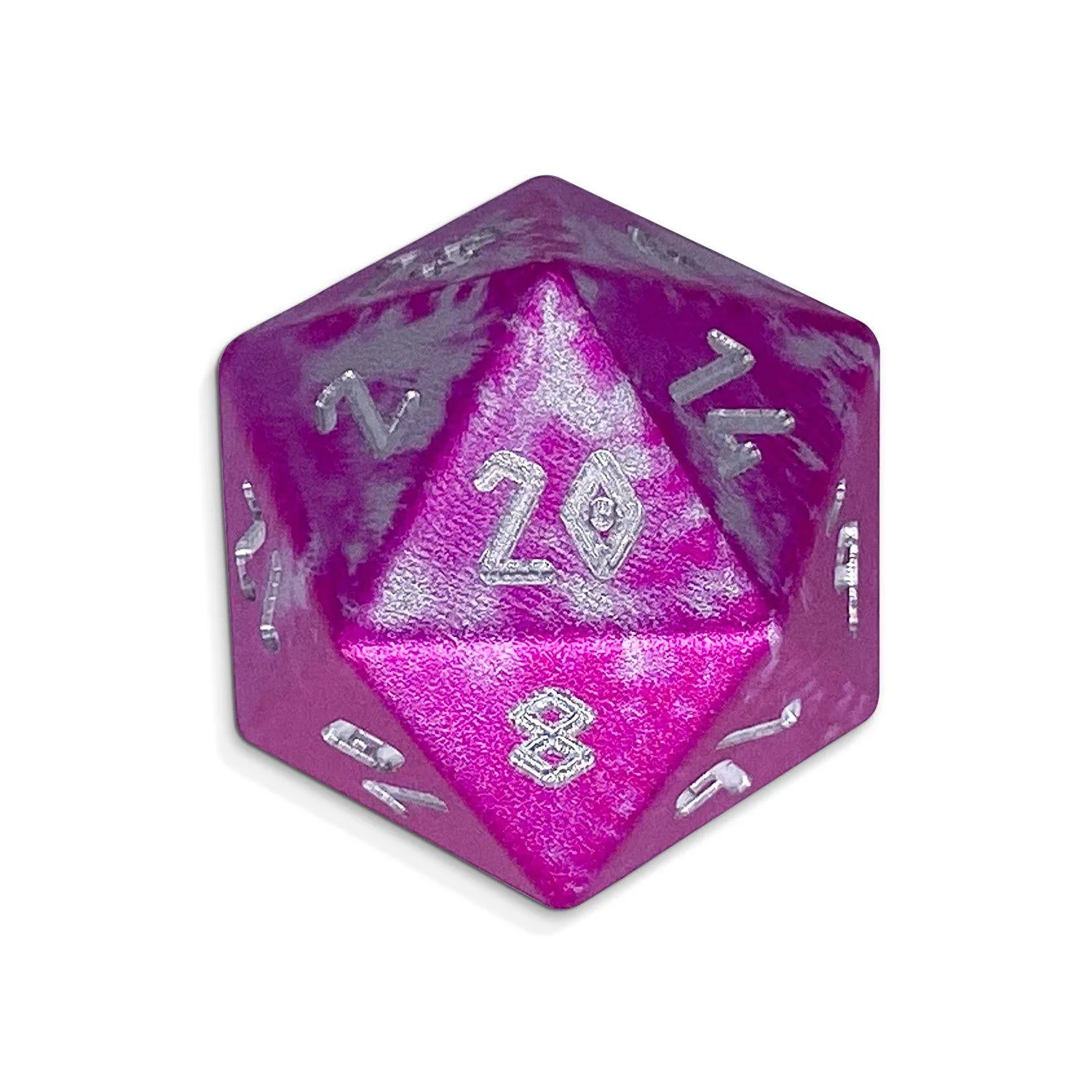
- Court Jester - Single D20 6063 Aluminum Wondrous Dice: This single D20 is approximately 20mm and made of 6063 Aircraft Grade Aluminum, with a bold battle-inspired aesthetic. A metal d20 has a satisfying weight and lands decisively, which can make reading the top face easier for beginners who are still getting used to polyhedral shapes.
- Rose Quartz - Black Font Pebble RPG Set Gemstone Dice: This seven-piece RPG set is made from rose quartz, a gemstone formed by cooling magma, and features a calming pink hue with black font. The high-contrast black numerals on a light stone make the numbers easy to read at a glance, which is helpful when you are learning to identify each die quickly.
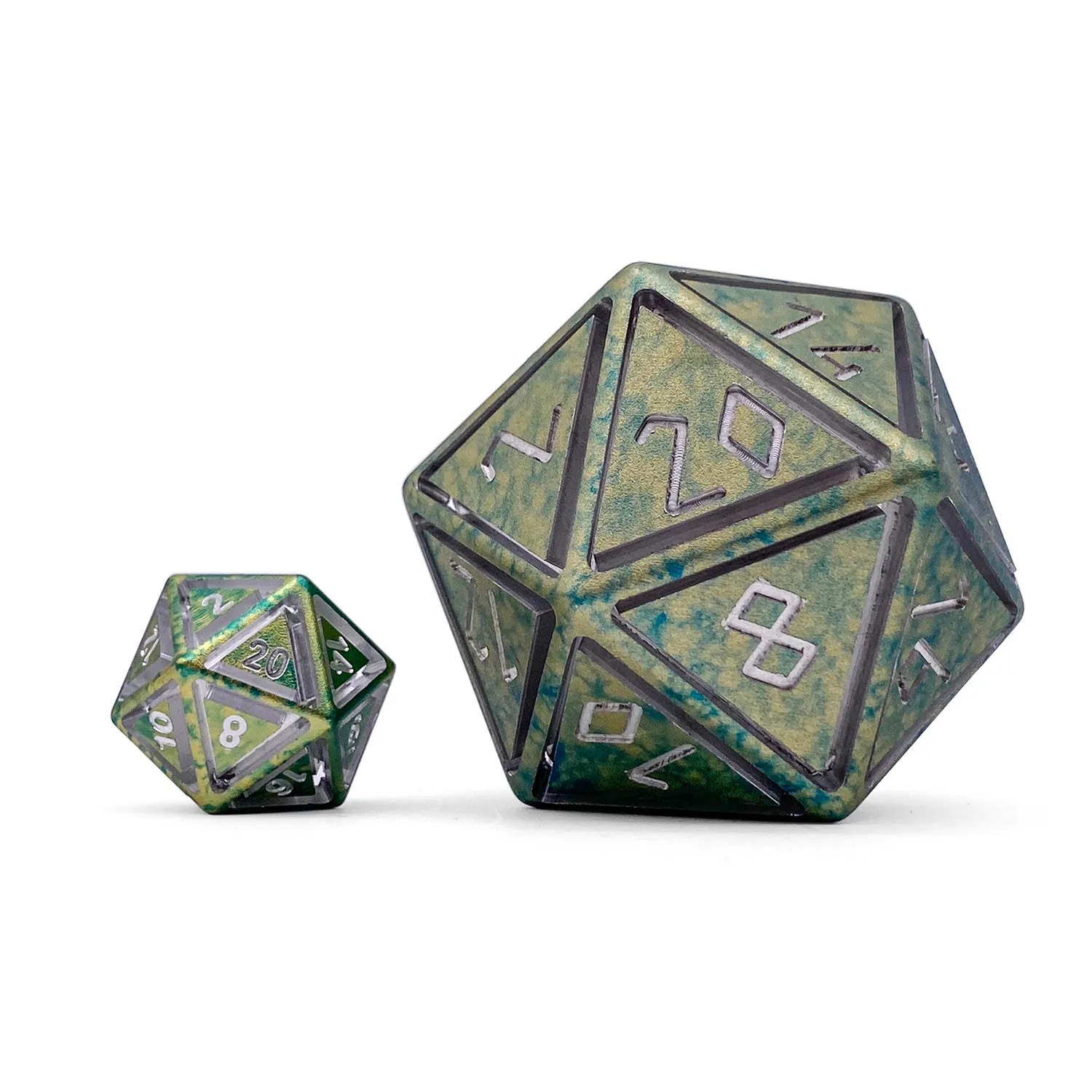
- Fireball - Boulder® 45mm D20 Metal Dice: This 45mm D20 metal die is described as truly massive, with a brushed metal finish and larger numbers for better visibility. The oversized size and clear numerals make it an excellent teaching tool for new players who struggle to see standard 20mm dice.
Reading RPG dice comes down to three things: knowing which die to pick up, reading the top face (or bottom edge for d4), and adding any modifiers. Practice with a standard set a few times before your first session, and the notation will become second nature. Before long, you will be rolling with confidence and focusing on the story instead of the shapes.