Walking into the world of baobab supplements can feel like learning a new language. With terms like prebiotic, wild-harvested, and raw powder popping up on every label, it’s easy to get overwhelmed. But reading baobab product labels doesn’t have to be complicated. In fact, once you know what to look for, you can quickly spot the high-quality products that will actually support your gut health and everyday energy.
Whether you’re a seasoned superfood enthusiast or just starting your journey with baobab, understanding labels is your secret weapon. From ingredient lists to sourcing claims, this guide will walk you through everything you need to know so you can make confident, informed choices every time you shop.
Why Baobab Labels Matter More Than You Think
Baobab fruit powder is a natural powerhouse, packed with fiber, vitamin C, and antioxidants. But not all baobab products are created equal. Some contain added sugars, artificial flavors, or fillers that dilute the benefits. The label is your first line of defense against low-quality products that promise the world but deliver little.
When you know how to read a baobab label, you can quickly identify products that are pure, minimally processed, and ethically sourced. This is especially important for gut health, where the quality of prebiotic fiber directly impacts your digestive system. A well-formulated baobab product can soothe bloating, support regular bowel movements, and provide steady energy without the crash.
- Look for baobab powder as the first ingredient—this indicates a high concentration of the fruit.
- Avoid products with long lists of unrecognizable additives or artificial sweeteners.
Key Ingredients to Look For on Baobab Labels
The best baobab supplements combine the fruit with other gut-friendly ingredients. For example, ginger and turmeric are known for their anti-inflammatory properties, while apple cider vinegar can aid digestion. When scanning a label, check for these complementary ingredients that enhance baobab’s natural benefits.
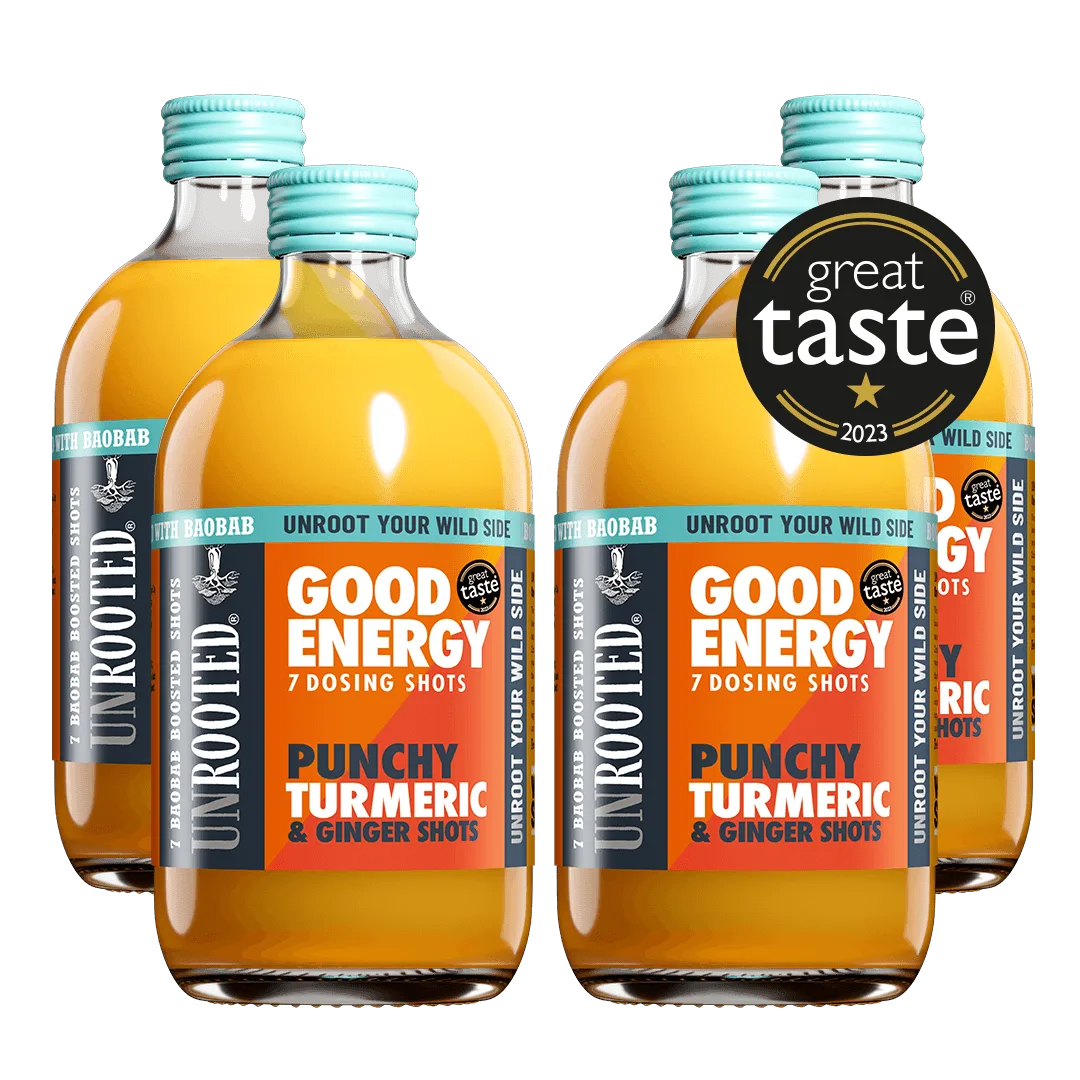
At UNROOTED, products like the Punchy Turmeric, Ginger & Baobab and Apple Cider Vinegar, Ginger & Baobab are excellent examples of well-balanced formulations. They list baobab prominently alongside functional ingredients that support both gut health and energy. Avoid products where baobab is buried deep in the ingredient list—this usually means it’s a minor component.
- Look for baobab as one of the first three ingredients.
- Check for added probiotics or prebiotics—these boost digestive benefits.
- Avoid added sugars; baobab is naturally sweet and doesn’t need them.
How to Spot Quality Sourcing and Processing Claims
Baobab is traditionally wild-harvested in Africa, and the best products use fruit that is hand-picked and sun-dried to preserve nutrients. Labels that say wild-harvested, organic, or raw are good indicators of quality. Also, look for third-party certifications like Non-GMO or gluten-free if you have dietary restrictions.
Processing matters too. Baobab powder should be cold-pressed or low-temperature dried to retain its vitamin C and fiber content. If a label mentions high heat processing, the nutrients may be compromised. For a convenient option, the Good Fibre Baobab Fruit Powder Sachets are a great example of a pure, single-ingredient product that’s easy to take on the go.
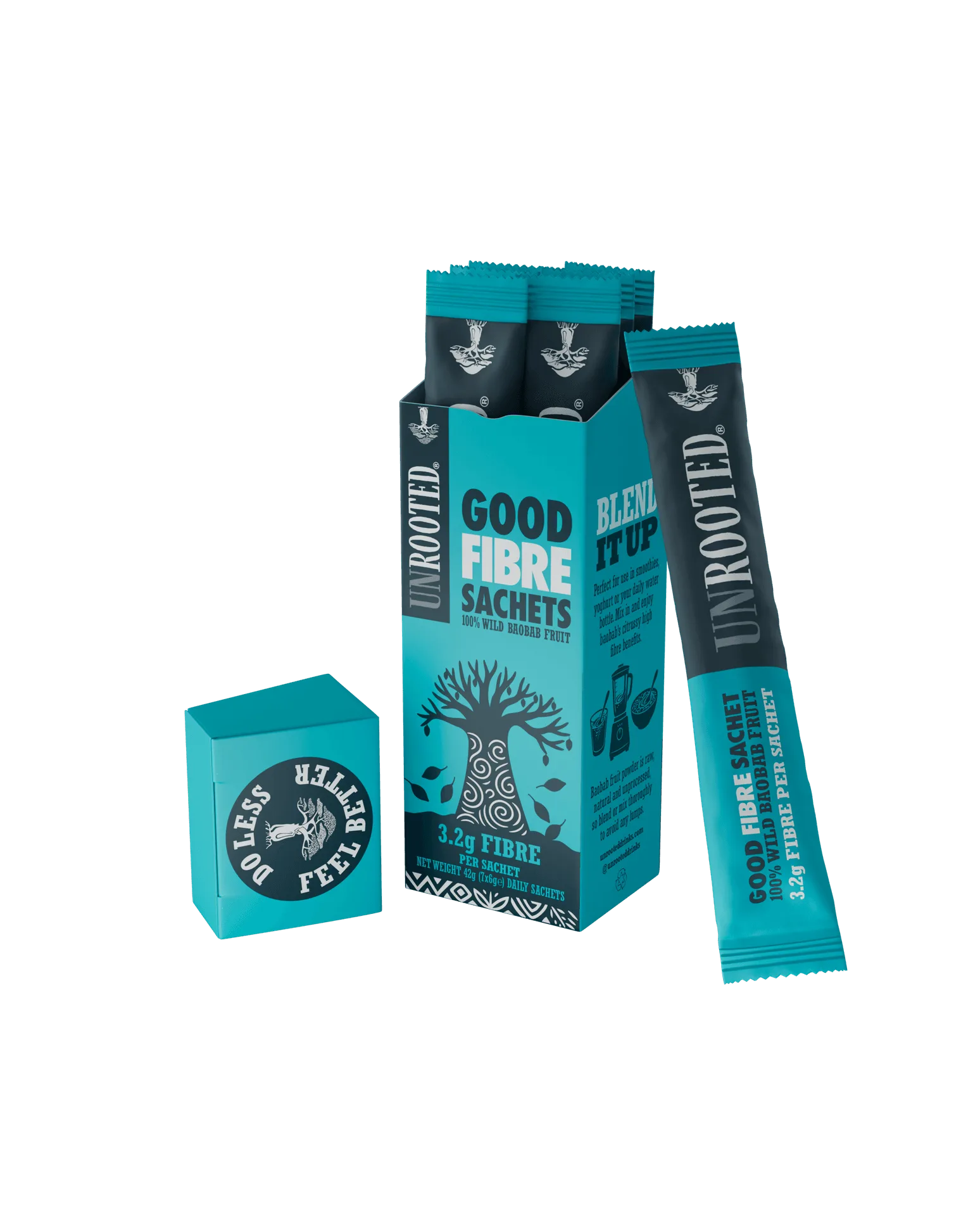
Good Fibre Baobab Fruit Powder Sachets
- Wild-harvested baobab is more sustainable and nutrient-dense.
- Raw or cold-processed labels mean the powder retains its natural enzymes.
Understanding Serving Sizes and Dosage Instructions
A common mistake is ignoring the serving size on the label. Some products recommend one scoop, while others suggest two. Baobab is generally safe, but taking too much at once can cause digestive discomfort due to its high fiber content. Start with the recommended dose and increase gradually as your gut adjusts.
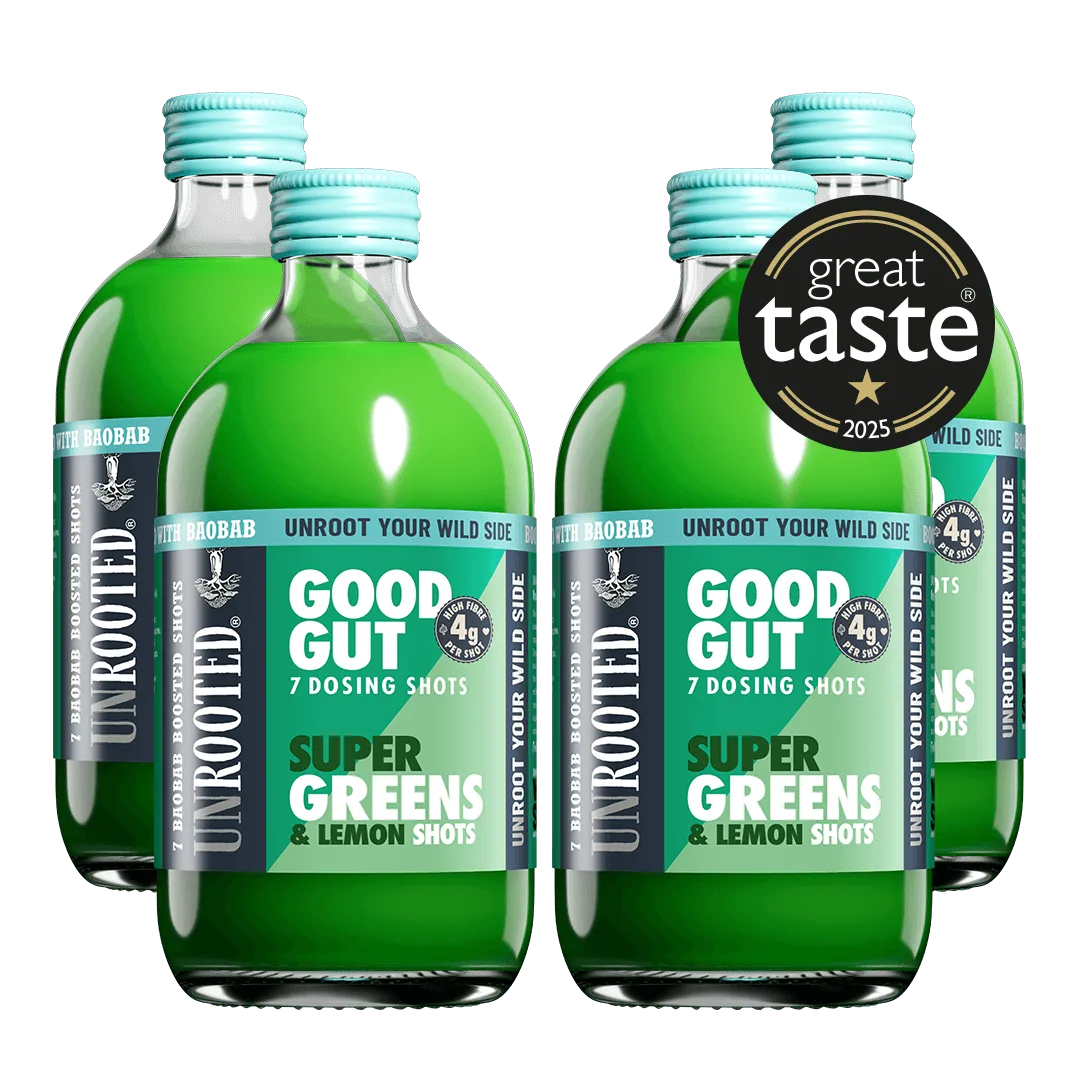
For example, the Variety pack of daily shots offers pre-measured servings that take the guesswork out of dosing. Each shot contains a balanced amount of baobab and other functional ingredients, making it easy to incorporate into your routine without measuring powder or mixing.
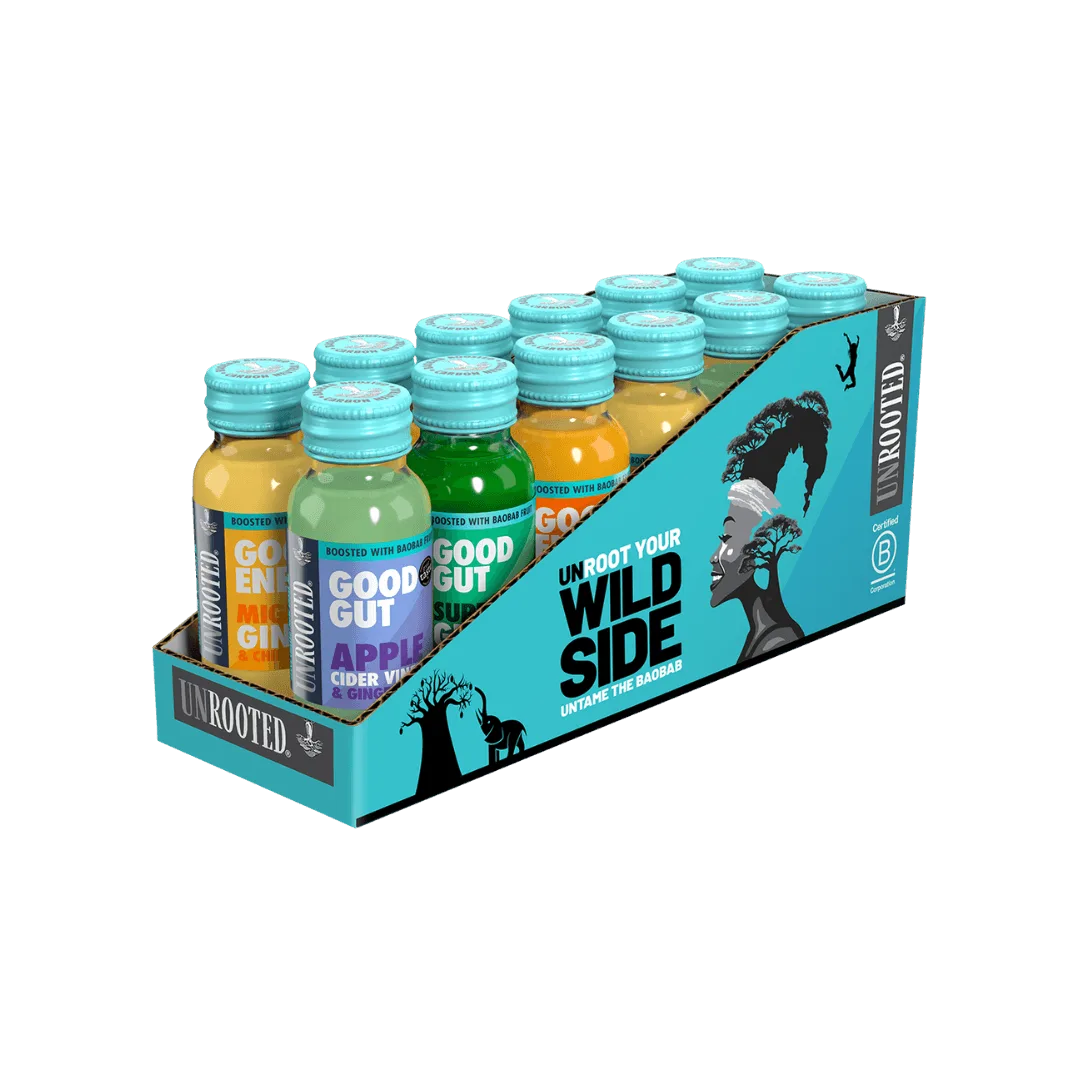
Variety pack of daily shots
- Always start with the smallest recommended serving size.
- Look for products that list baobab in grams (g) for accuracy.
Red Flags to Avoid on Baobab Labels
Some baobab products use marketing buzzwords like superfood or detox without backing them up with real ingredients. Be wary of labels that list baobab extract instead of baobab fruit powder—extracts may be less potent. Also, watch out for added fillers like maltodextrin or silica, which are used to bulk up the product.
Another red flag is vague sourcing language like imported from Africa without specifying the country or region. Transparent brands will tell you exactly where their baobab comes from and how it’s harvested. If a label feels intentionally confusing, it’s probably best to skip it.
- Avoid products with baobab extract—opt for whole fruit powder.
- Steer clear of labels that list sugar or artificial flavors near the top.
Reading baobab product labels doesn’t have to be intimidating. By focusing on ingredients, sourcing, and serving sizes, you can confidently choose products that truly support your gut health and energy levels. Whether you prefer a pure powder or a blended shot, UNROOTED offers a range of transparently labeled options to fit your lifestyle. Start exploring the Variety pack of daily shots to find your perfect match and experience the difference that quality makes.