Walking down the beer aisle, you’re faced with a sea of labels boasting acronyms like ABV, IBU, and SRM. For anyone new to alcohol-free beer, these terms can feel like a secret code. But understanding what they mean is the key to picking a brew that matches your taste—whether you crave a crisp lager, a fruity ale, or a hoppy pale ale. In this guide, we’ll break down the most common beer label terms and show you how they apply to non-alcoholic beers, so you can shop with confidence.
With the rise of alcohol-free craft brewing, labels have become more informative and consumer-friendly. Brands like Days Brewing Co are leading the way by clearly displaying alcohol content (0.0% ABV), hop bitterness (IBU), and even calorie counts. Once you know what to look for, you’ll never be fooled by marketing hype again. Let’s dive into the essential beer label jargon.
What Does ABV Mean on a Beer Label?
ABV stands for Alcohol by Volume. It’s the standard measure of how much alcohol (ethanol) is present in a beverage relative to the total volume. For traditional beers, ABV can range from 3% to 12% or more. But for alcohol-free beers, the legal definition varies by country. In the UK, a beer labeled as alcohol-free must contain no more than 0.05% ABV. Days Brewing Co proudly displays 0.0% ABV on all its products, meaning they are truly alcohol-free—not just low alcohol.
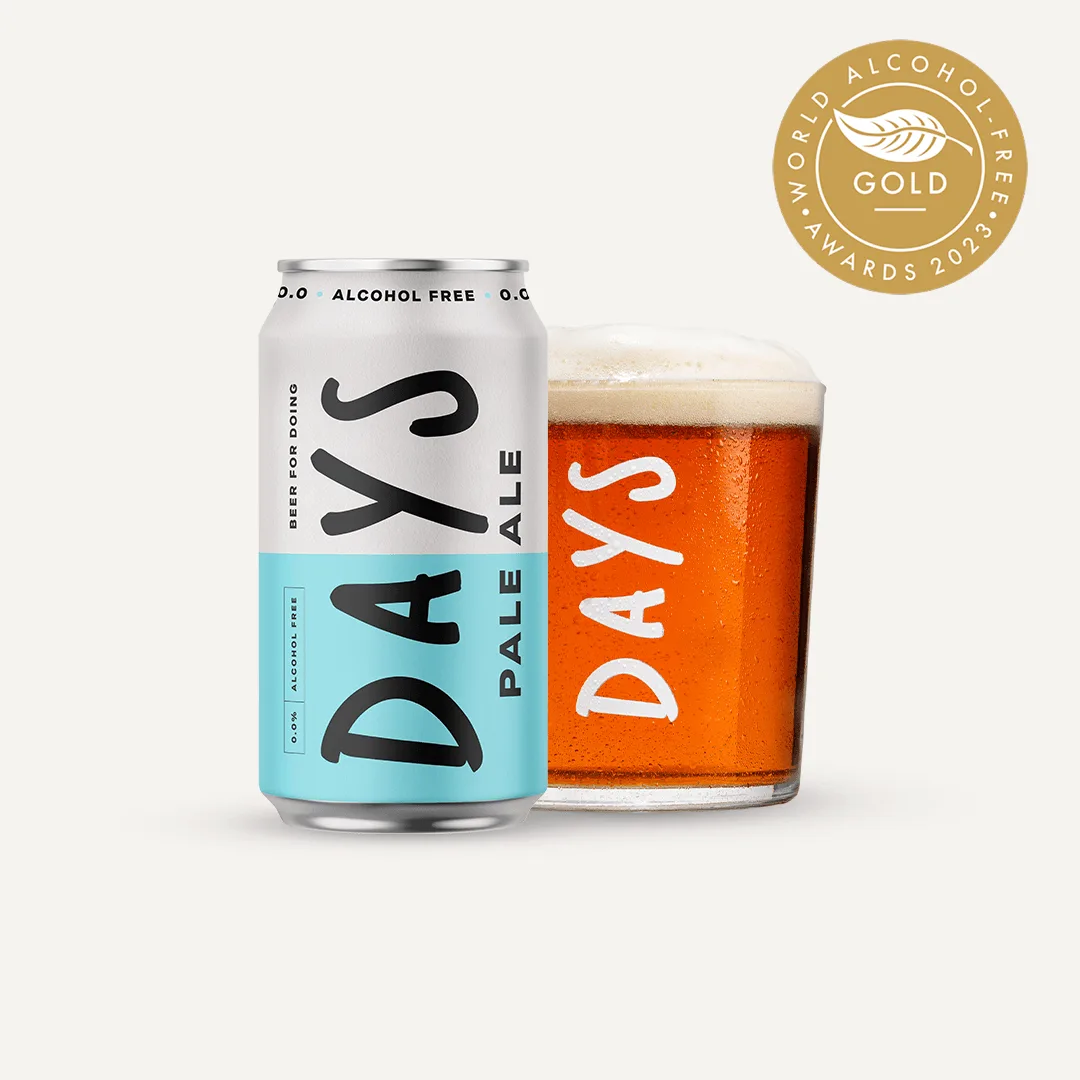
Why does ABV matter for non-alcoholic beer drinkers? If you’re avoiding alcohol entirely for health, religious, or personal reasons, checking the ABV is crucial. Some ‘non-alcoholic’ beers still contain trace amounts (up to 0.5% ABV). Days’ commitment to 0.0% ABV ensures you get the full beer experience without any alcohol. For example, their Days Pale Ale and Days Peach Lager both show 0.0% ABV, so you can enjoy them anytime, anywhere.
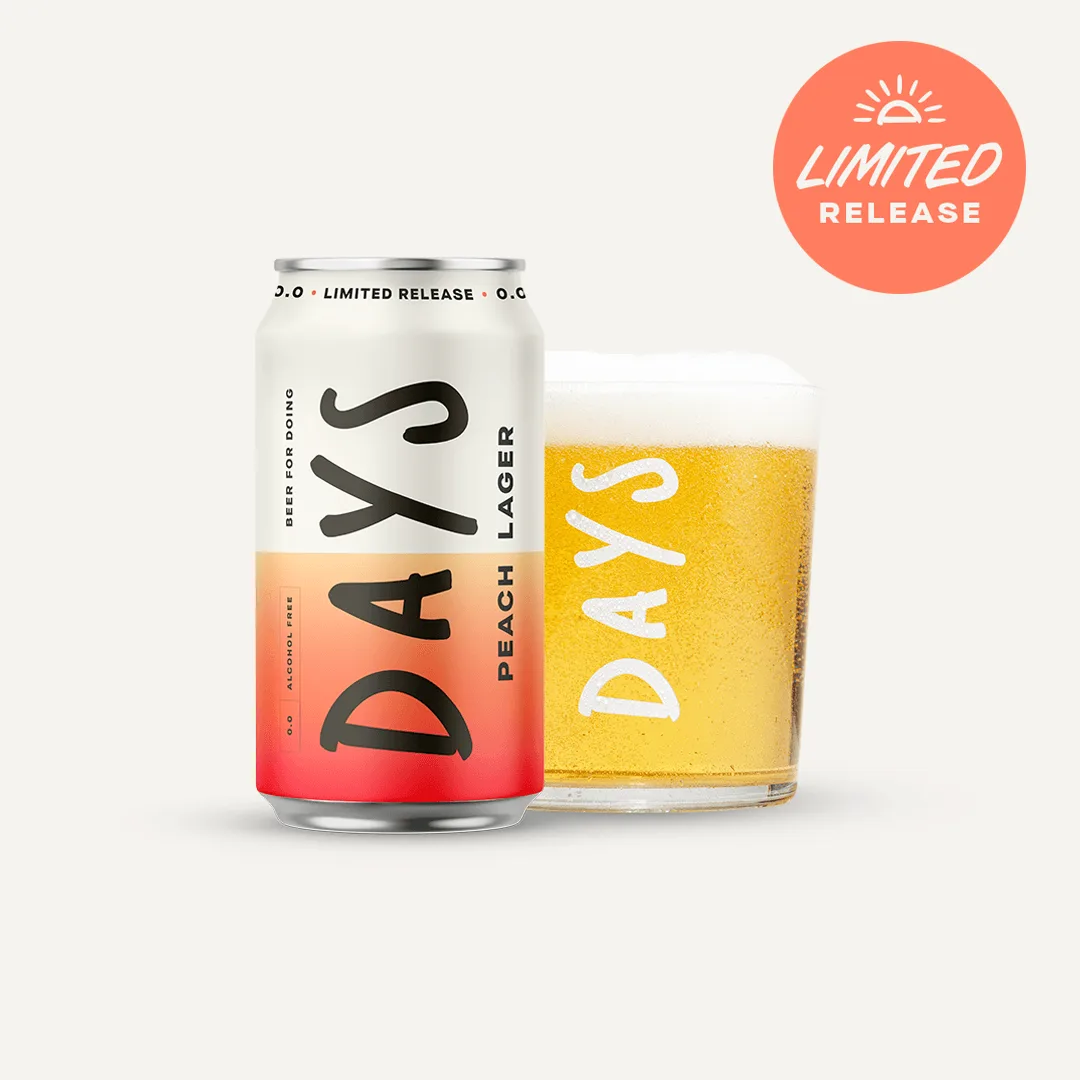
Days Peach Lager
Decoding IBU: Bitterness in Alcohol-Free Beer
IBU stands for International Bitterness Units. It measures the concentration of bittering compounds (mainly from hops) in beer. The scale typically runs from 0 to 100+, with higher numbers indicating more bitterness. A classic American IPA might have an IBU of 60–80, while a light lager could be as low as 8–12. For alcohol-free beers, IBU can vary widely, and it’s a great indicator of whether you’ll enjoy the taste profile.
Why is IBU important for 0.0% beer? Because alcohol-free brews often rely on hops for flavour depth, especially in styles like pale ales. Days Brewing Co’s Days Pale Ale is a hop-forward option with a moderate IBU that delivers a satisfying bitterness without being overwhelming. On the other hand, their Days Passion Fruit Lager balances a lower IBU with fruity sweetness, making it perfect for those who prefer milder flavours. Knowing the IBU helps you choose a beer that matches your bitterness tolerance.
- Low IBU (0–20): Light, crisp, and easy-drinking (e.g., Days Peach Lager).
- Medium IBU (20–40): Balanced with noticeable hop character (e.g., Days Pale Ale).
- High IBU (40+): Bold and bitter, typical of IPAs and strong ales.
Calories, Carbs, and Ingredients: What Else to Look For
Beyond ABV and IBU, modern beer labels often include nutritional information. For health-conscious drinkers, calories and carbohydrates are key. Alcohol-free beers generally have fewer calories than their alcoholic counterparts because alcohol itself is calorie-dense. A standard 330ml can of Days Lager contains around 60–70 calories, compared to 150+ in a regular lager. Checking the label helps you track your intake without sacrificing flavour.
Ingredients lists are also worth scanning. Many alcohol-free beers use malted barley, hops, yeast, and water—just like traditional beer. Some add fruit purees or natural flavours, as seen in Days Peach Lager and Days Passion Fruit Lager. Look out for added sugars or preservatives if you prefer a cleaner brew. Days Brewing Co keeps their recipes simple and transparent, so you always know what’s in your glass.
Other Beer Label Terms You Should Know
Here are a few more acronyms and terms that appear on beer labels: SRM (Standard Reference Method) measures colour, from pale straw to deep black. OG (Original Gravity) and FG (Final Gravity) indicate the beer’s density and potential alcohol content—less relevant for 0.0% beers but interesting for homebrewers. ‘Best before’ dates are crucial for freshness, especially for hoppy styles. Finally, ‘vegan-friendly’ or ‘gluten-free’ labels help those with dietary needs.
When shopping for alcohol-free beer, you might also see terms like ‘dealcoholized’ or ‘non-alcoholic’. Dealcoholized means the beer was brewed normally then had alcohol removed, while non-alcoholic can refer to beers brewed to stay below 0.5% ABV. Days Brewing Co uses a unique fermentation process that naturally stops at 0.0% ABV, so you get authentic beer taste without any compromise. Their Starter Pack is an excellent way to sample different styles and learn which label terms matter most to you.
How to Use Label Knowledge to Choose Your Next 0.0% Beer
Now that you understand ABV, IBU, calories, and other label details, you can confidently navigate the alcohol-free beer aisle. Start by deciding what you’re in the mood for: a light, refreshing lager (look for low IBU and 0.0% ABV), a fruity brew (check for fruit ingredients like peach or passion fruit), or a bold pale ale (higher IBU, hop-forward). Days Brewing Co offers a range of options to suit every palate.
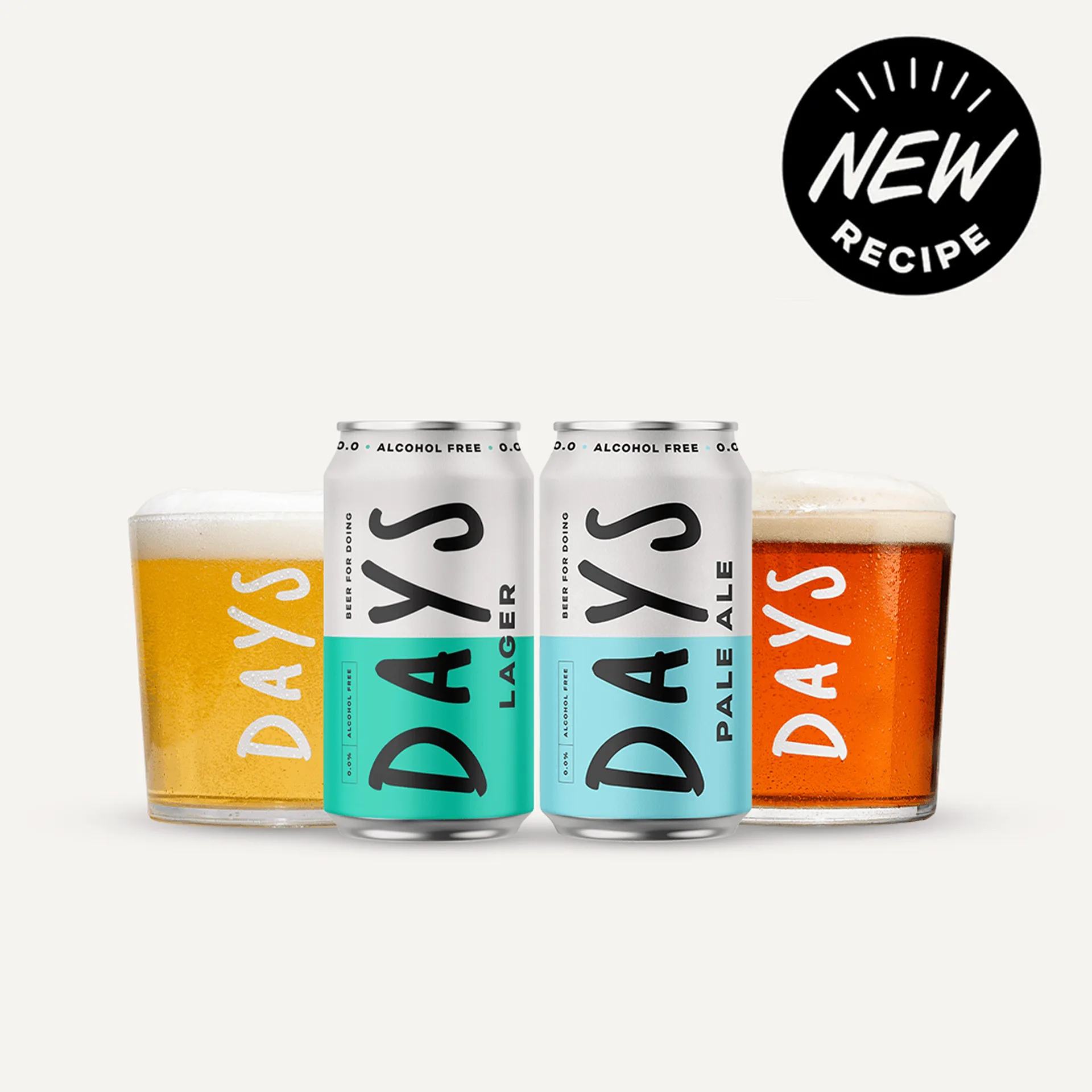
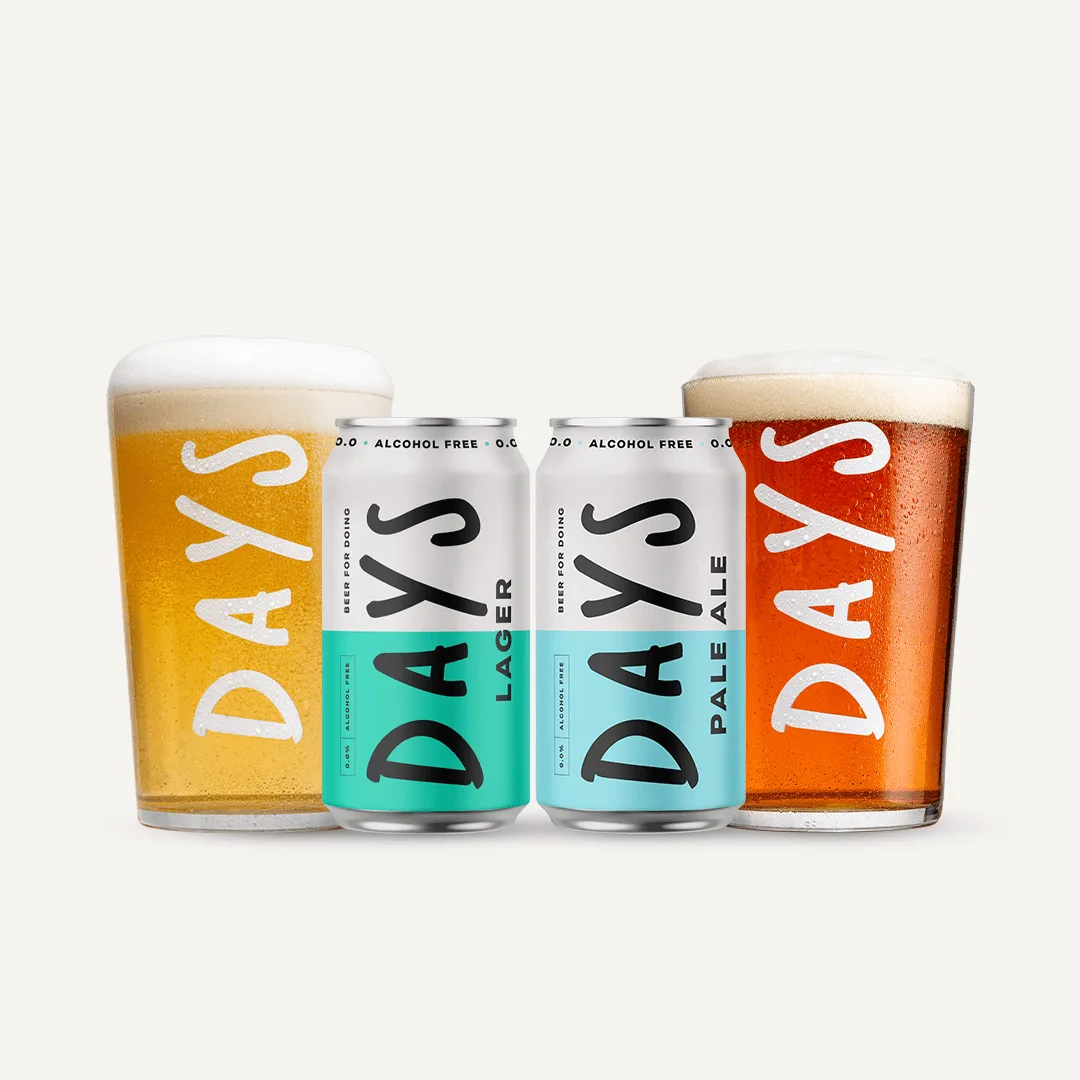
For example, if you’re hosting a summer BBQ, you might grab a mix of Days Peach Lager and Days Pale Ale to please a crowd. Or, if you’re new to alcohol-free beer, the Days Mixed Lager, Pale Ale & Peach Cans Pack lets you compare three styles side by side. By reading labels, you’ll discover that alcohol-free beer is just as diverse and flavourful as traditional beer—without the alcohol.
Next time you pick up a can of Days Brewing Co, take a moment to look at the label. Notice the 0.0% ABV, the IBU, and the simple ingredients list. That small act of reading turns you from a casual drinker into an informed enthusiast. Ready to put your label-reading skills to the test? Explore the Days Mixed Lager, Pale Ale & Peach Cans Pack and taste the difference that quality and transparency make.