In any great mystery, the truth is often hidden in plain sight. While words can deceive, the body rarely lies. Learning to read body language like a detective is one of the most powerful skills you can develop for solving puzzles, uncovering secrets, and outsmarting opponents. Whether you are interrogating a suspect in a murder mystery game or analyzing a character's motives in an immersive box set, nonverbal communication gives you an edge.
Body language clues include facial expressions, posture, gestures, and eye movements. By training yourself to notice these subtle signals, you can detect deception, build rapport, and piece together the story behind the crime. In this guide, we will explore the key techniques detectives use to read people and how you can apply them to your mystery game experience.
Why Body Language Matters in Mystery Games
Mystery games are built on layers of storytelling, and every character has a role. The best players know that the clues are not just in the evidence envelopes but also in how characters behave. A nervous laugh, crossed arms, or averted gaze can reveal more than a written confession. Developing detective skills means paying attention to these details and using them to form hypotheses.
When you play a game like the Baker's Dozen Premium Game, you are immersed in a narrative where every interaction counts. The characters' body language can hint at their guilt, innocence, or hidden knowledge. By practicing observation, you turn yourself into a more effective sleuth and enjoy a deeper, more rewarding experience.
- Watch for clusters of behavior rather than isolated gestures.
- Compare a character's words with their physical signals for inconsistencies.
- Practice in low-stakes situations, like watching TV interviews or people-watching.
Key Body Language Clues Every Detective Should Know
Detectives rely on a set of universal body language clues to assess truthfulness and emotional state. One of the most telling areas is the face. Micro-expressions—brief, involuntary facial movements—can flash for a fraction of a second and reveal true feelings. A quick grimace when someone says they are happy might indicate discomfort or deceit.
Posture also speaks volumes. Leaning away, crossing arms, or turning the body toward an exit can signal defensiveness or a desire to escape. On the other hand, open palms and relaxed shoulders suggest honesty and openness. In a game like The Final Act: Murder at the Talent Show, observing these cues during character interactions can help you identify the culprit before the final reveal.
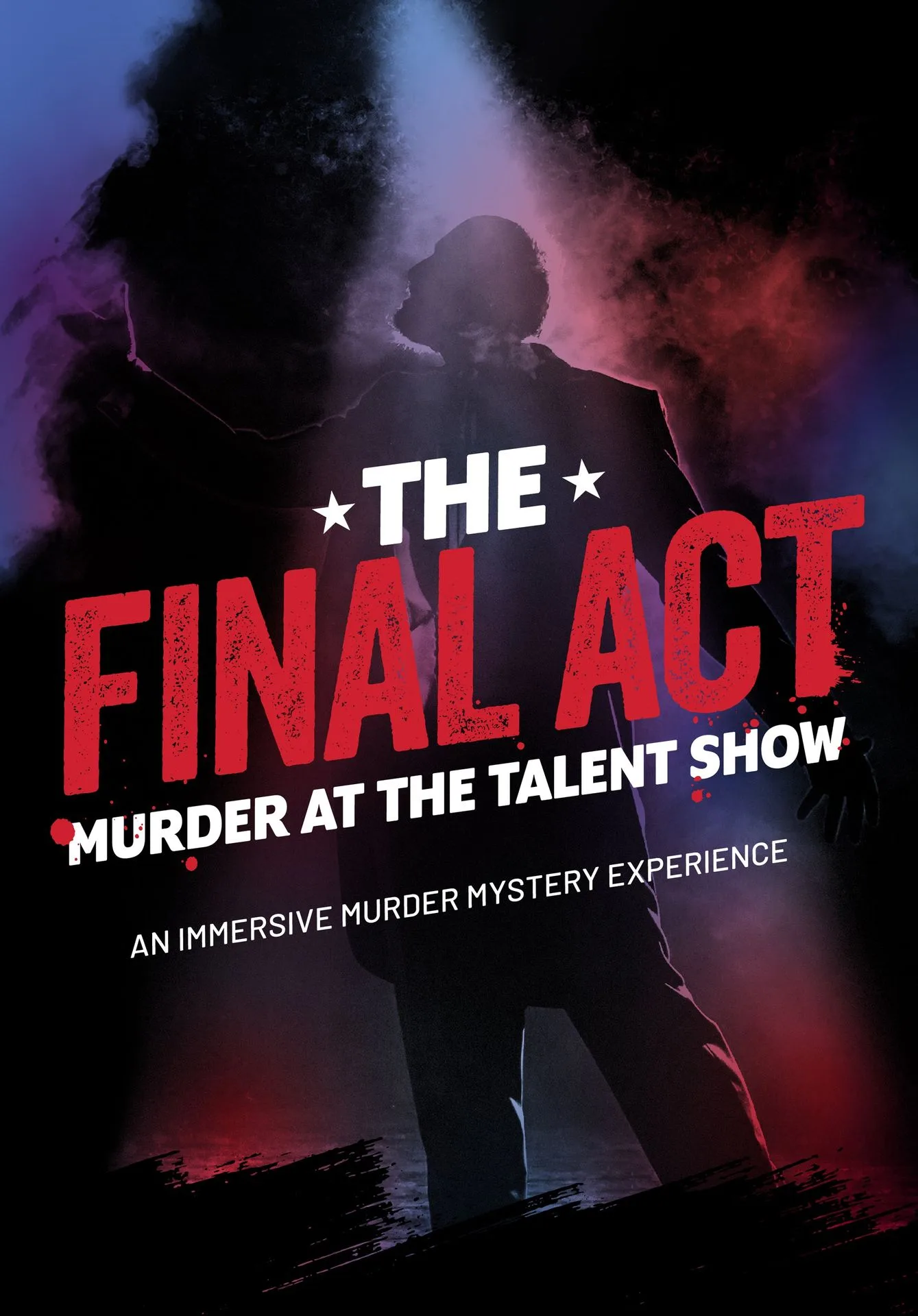
The Final Act: Murder at the Talent Show
- Pay attention to hand movements: touching the face or neck often indicates anxiety.
- Notice foot direction—people point their feet toward what they are interested in.
- Look for changes in breathing rate or visible tension in the jaw.
How to Practice Reading People for Mystery Game Success
Like any skill, reading body language improves with practice. Start by observing people in everyday settings—coffee shops, meetings, or even television dramas. Try to guess their emotional state based on nonverbal cues alone. Over time, you will build a mental library of signals that you can apply during your mystery game sessions.
Another effective method is to replay a game you have already completed, focusing solely on character body language. For example, in the Mallory Rock Box Set, take notes on how each suspect behaves during key scenes. You may discover clues you missed the first time. This exercise sharpens your observation and deepens your appreciation for the game's design.

Mallory Rock Box Set
- Use a notebook to jot down observations during gameplay.
- Discuss your interpretations with fellow players to compare insights.
- Watch body language tutorials online to learn from experts.
Applying Body Language Skills to Specific Mystery Games
Different mystery games offer unique opportunities to practice body language reading. In immersive box sets, you often receive character bios and physical evidence. Combining these with your observation of character interactions can unlock new layers of the story. For instance, if a character avoids eye contact when discussing a victim, that may be a red flag.
The Death at the Dive Bar game presents a gritty setting where body language clues are abundant. Pay close attention to how suspects react to accusations or evidence. Their micro-expressions and posture shifts can guide your investigation. Similarly, in the Fine Art Foul Play Premium Game, the high-stakes art world demands sharp perception of nonverbal cues among suspects who are skilled at deception.
- Review character descriptions for clues about their typical behavior.
- Use body language to prioritize which suspects to interrogate further.
- Remember that cultural differences can affect gestures and expressions.
Reading body language like a detective transforms your mystery game experience from passive to active. You become a sharper observer, a better storyteller, and a more formidable sleuth. Ready to put your skills to the test? Explore the Death at the Dive Bar game and see if you can spot the liar before the final reveal.