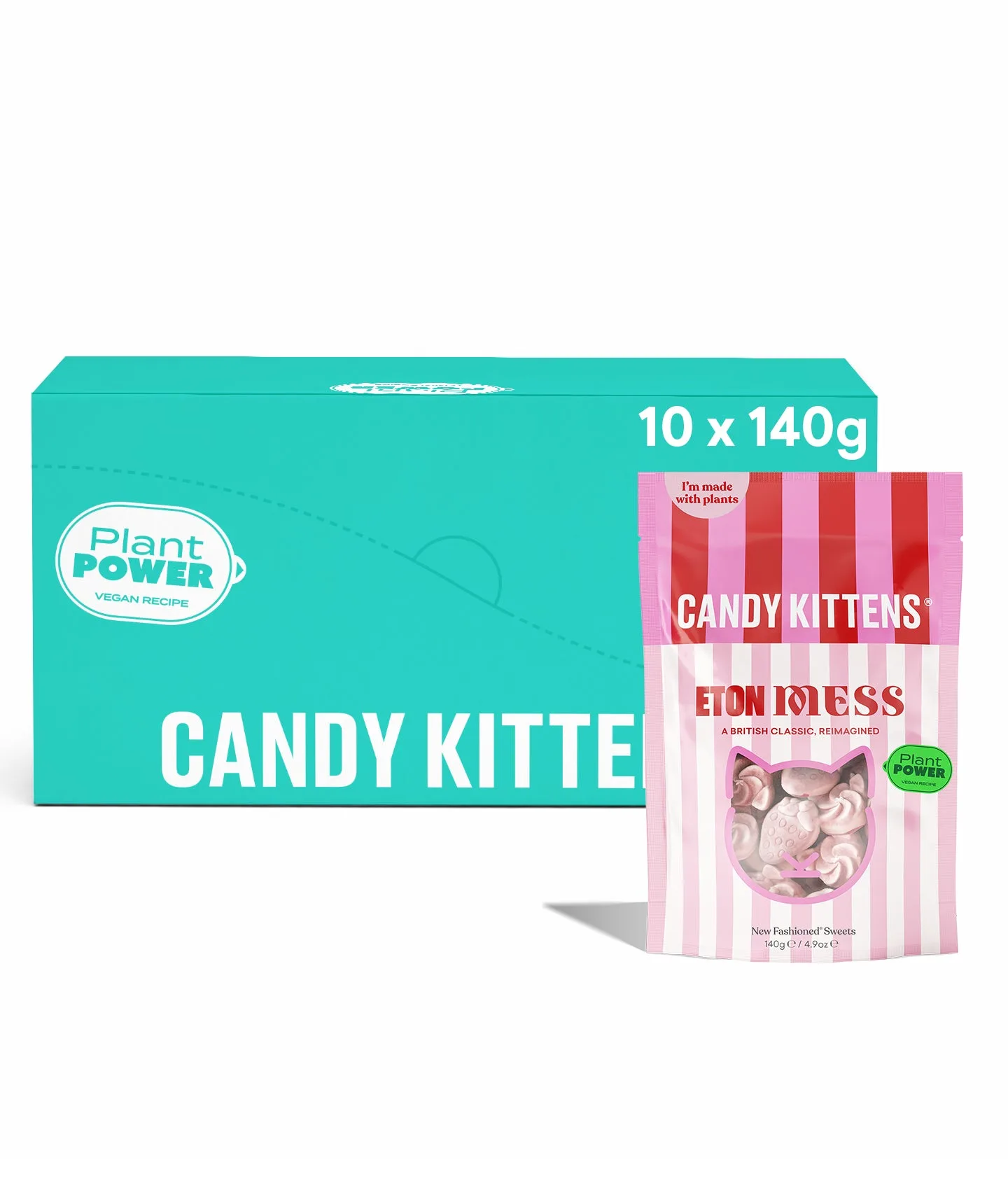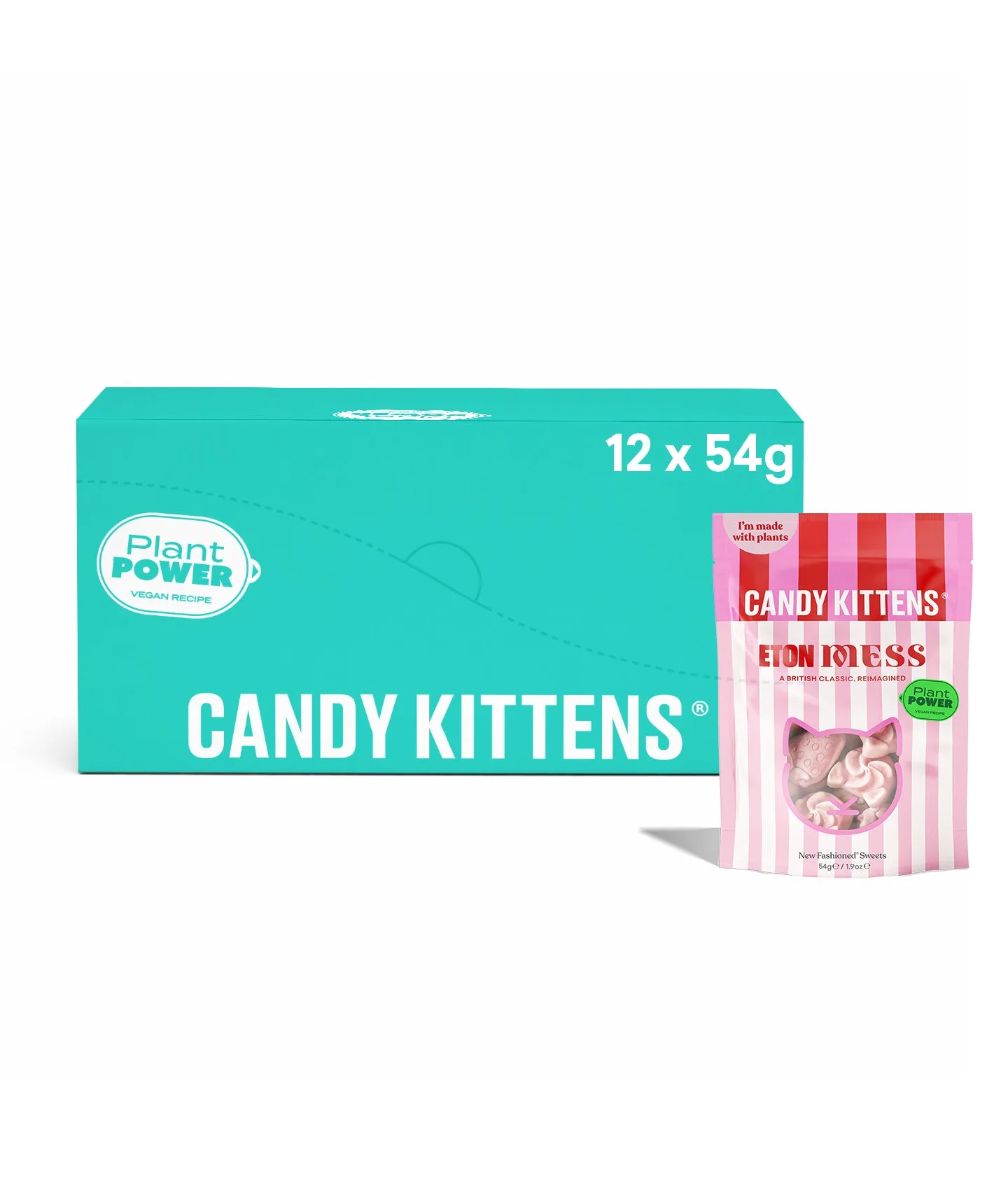
When you pick up a bag of sweets, the colorful packaging and tempting flavors often grab your attention first. But have you ever flipped the pack over to read the fine print? Candy labels contain a wealth of information that can help you make smarter choices—whether you're avoiding allergens, checking for vegan-friendly ingredients, or simply curious about what gives your favorite treat its taste. Understanding how to read candy labels is a valuable skill for any confectionery lover.
In this guide, we'll break down the key sections of a candy label, from ingredients lists and allergen warnings to nutritional panels and serving sizes. By the end, you'll be able to confidently navigate any sweet wrapper and pick the perfect treat for your needs. Let's unwrap the secrets of candy label reading together.
The Ingredients List: What to Look For
The ingredients list is the most important part of any candy label. By law, ingredients must be listed in descending order by weight, meaning the first few items make up the bulk of the product. For most candies, sugar or glucose syrup tops the list, followed by flavorings, colorings, and preservatives. If you're looking for natural options, scan for terms like 'natural flavors' or 'fruit juice concentrate' instead of artificial additives.
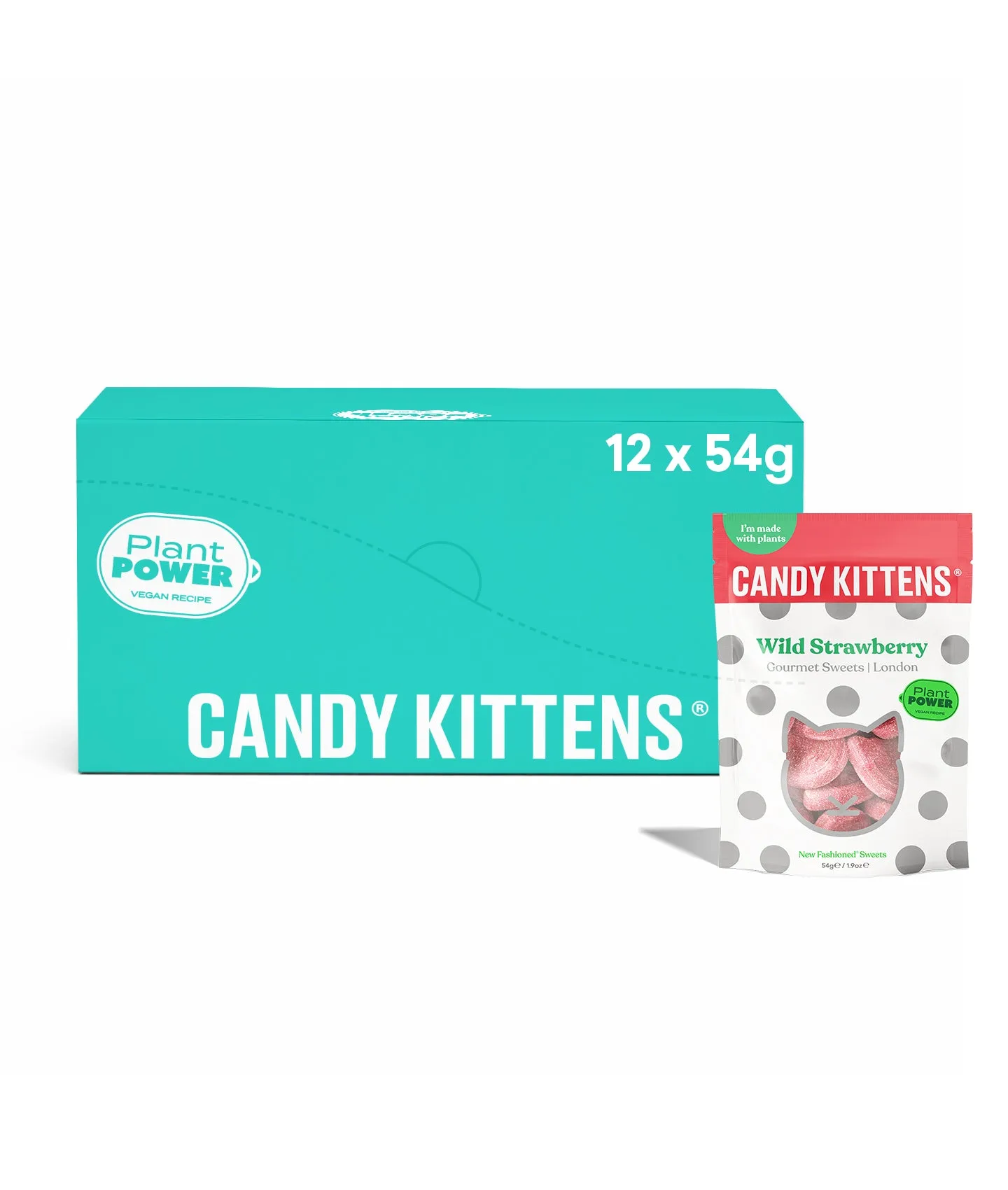
At Candy Kittens, we pride ourselves on using high-quality, natural ingredients. For example, our https://trytaste.shop/products/wild-strawberry-54g-x-12-131248Wild Strawberry 54g x 12 packs are made with real fruit juice and no artificial colors. When you see 'concentrated strawberry juice' near the top of the list, you know you're getting a genuine fruit taste. Always check for hidden sugars like 'dextrose' or 'maltodextrin' if you're monitoring your intake.
- Look for real fruit juice or puree instead of artificial flavorings.
- Watch for multiple sugar sources—they can add up quickly.
- Check the order: the first three ingredients make up the majority of the candy.
Allergen Information: Keep Yourself Safe
Allergen warnings are a critical part of candy label reading. Common allergens like milk, nuts, soy, and gluten must be clearly stated, often in bold or a separate 'Contains' statement. Some labels also include 'May contain traces of' warnings for cross-contamination risks. If you have a severe allergy, always look for certified allergen-free seals or contact the manufacturer directly.
Candy Kittens takes allergens seriously. For instance, our Very Cherry sweets are free from gluten and are suitable for many dietary needs. However, always double-check the label as recipes can change. If you're shopping for someone with allergies, our A British Classic Reimagined Mixed Box includes clear allergen info on each pouch, making it easy to pick safe treats.
- Look for 'Contains' and 'May contain' statements near the ingredients.
- Check for certification logos like 'Gluten-Free' or 'Vegan' if you have strict dietary needs.
- When in doubt, visit the brand's website for detailed allergen guides.
Nutritional Information: Beyond the Sugar Rush
The nutrition facts panel tells you about calories, fat, sugar, and other nutrients per serving. Pay attention to the serving size—it might be smaller than you think. Many candies list a serving as a few pieces, but you may eat the whole bag. Multiply the numbers accordingly. For sugar, the UK guideline suggests no more than 30g of free sugars per day, so compare that to the label.
Candy Kittens' Sour Watermelon Giant Bag, for example, provides clear per-serving data. With a generous 200g bag, you can easily portion out a sensible serving. If you're counting calories or sugar, look for lower-sugar options or smaller pack sizes. Remember, candy is a treat—enjoy it mindfully.
- Always check the serving size before calculating calories or sugar.
- Compare sugar content to daily recommended limits.
- Use the % Reference Intake (%RI) to see how one serving fits your diet.
Decoding Claims: 'Natural,' 'Vegan,' and 'No Artificial Additives'
Front-of-pack claims can be helpful but also confusing. Terms like 'natural flavors' or 'no artificial colors' are regulated, but they don't always mean the candy is healthy. 'Vegan' means no animal-derived ingredients, while 'gluten-free' is a strict standard. Always cross-check these claims with the full ingredients list to ensure they match your expectations.
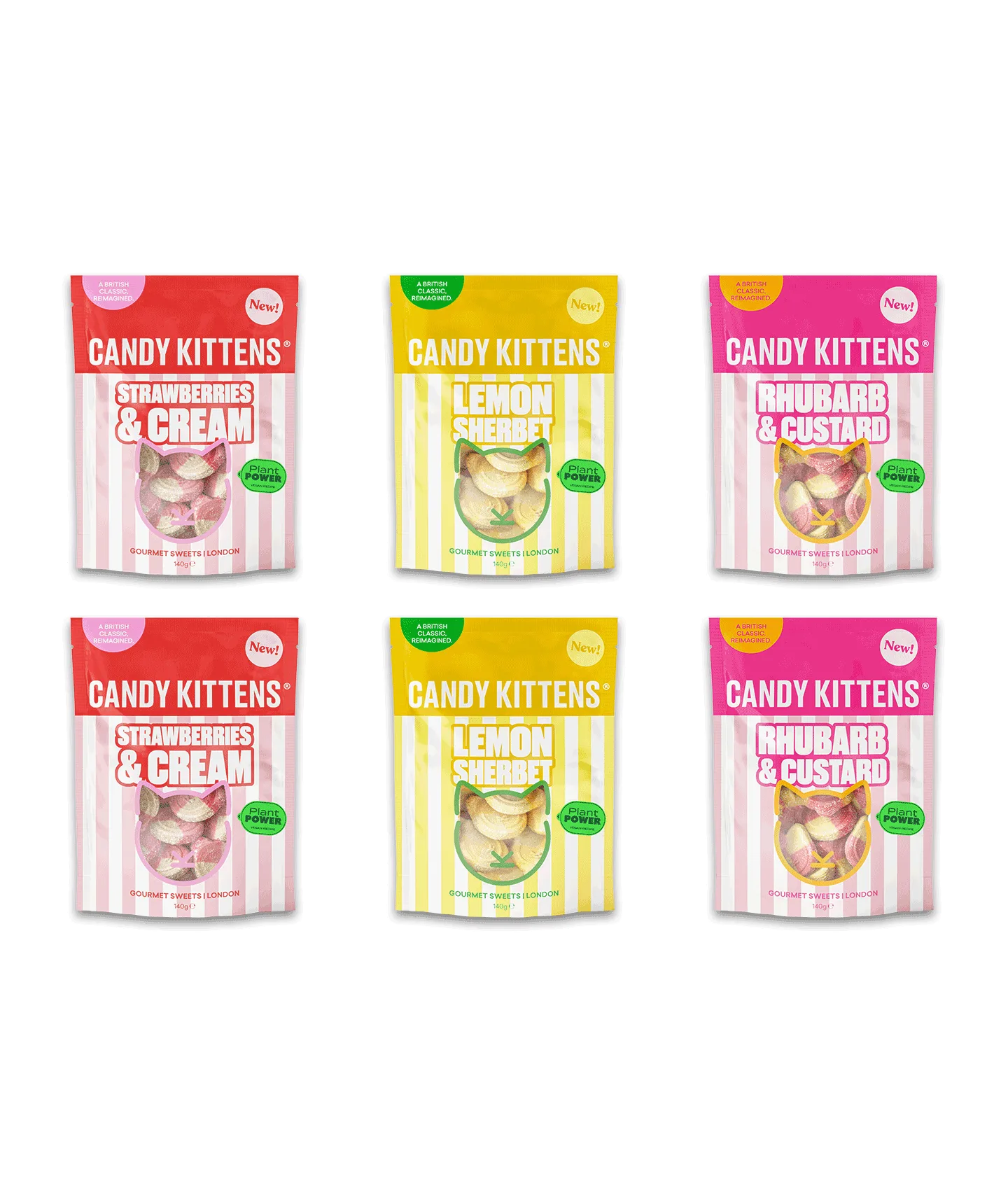
Candy Kittens is known for its vegan-friendly sweets. Our Wanderlust box, for instance, is clearly labeled as suitable for vegans and contains no gelatin. If you see a 'natural' claim, look for supporting details like 'made with real fruit juice' rather than vague phrases. Being label-savvy helps you choose candies that align with your values.
- Verify 'vegan' claims by checking for milk, honey, or gelatin in the ingredients.
- Look for specific certifications like the Vegan Society logo.
- Don't rely on front labels alone—always read the back.
Next time you pick up a bag of sweets, take a moment to read the label. Whether you're checking for allergens, counting sugar, or looking for natural ingredients, a little knowledge goes a long way. At Candy Kittens, we make it easy with clear labeling and high-quality ingredients. Explore our full range of treats and discover your new favorite—start with the Wild Strawberry 54g x 12 for a classic, natural flavor you can trust.