Quick answer
Read a Dr. Althea ingredient label in three passes: first check the INCI order to see which ingredients dominate, then find the active percentage (like 15% niacinamide) to judge strength, and finally check the formula texture and allergens against your own skin. The label tells you what is inside and roughly how much, but it never promises results. Use it to compare products, not to diagnose your skin.
Why the order of ingredients matters more than the headline actives
Korean skincare labels follow the same INCI convention as most global markets: ingredients are listed from highest to lowest concentration until you reach 1%, after which order is flexible. That means the first five to seven names tell you what the product mostly is — usually water, glycerin, butylene glycol, and other humectants or solvents. If a hero ingredient like niacinamide appears near the top, the formula is likely built around it. If it appears near the bottom, the product may still contain it, but at a level that is more supporting than starring.
A common mistake is assuming every ingredient after the first few is negligible. Preservatives, pH adjusters, and antioxidants often sit below 1% yet still matter for stability and safety. The order rule is a guide, not a full quantitative breakdown.
How to find the real niacinamide percentage on a label
When a product name includes a number like 15%, that number usually refers to the concentration of the named active in the formula. On a Dr. Althea label, look for the ingredient list and check whether niacinamide appears among the first few entries — that supports the claim. If the percentage is not printed on the front, scan the full ingredient list for 'niacinamide' and note its position. A 15% claim should place it high, often third or fourth after water and a solvent.
Be careful with labels that list a percentage in the product name but not in the ingredient panel. That is not automatically misleading, but you cannot verify the exact amount from the label alone. Treat the name as a claim and the INCI list as your evidence.
What else to scan before you buy
After the active and its position, check for fragrance, essential oils, and alcohol denat if your skin is reactive. These are not inherently bad, but they are common triggers for sensitive skin. Also look for soothing or barrier-supporting ingredients like panthenol, allantoin, or madecassoside — their presence can offset a strong active. Finally, match the texture description to your routine: a lightweight, fast-absorbing serum suits layering, while a richer formula may be better for night use.
If you are comparing two serums, put their ingredient lists side by side. The one with the active higher up and fewer irritants is usually the more straightforward choice for daily use.
Step-by-step: how to read any Dr. Althea label
- Start with the first five ingredients: Read the INCI list from the top. Water, glycerin, and solvents usually lead. Note where your target active appears — the higher it is, the more of it the formula likely contains. Checkpoint: if the active is in the top five, the product is probably built around it.
- Locate the percentage claim: Find the number in the product name (e.g., 15% niacinamide) and cross-check it against the ingredient panel. The active should appear early in the list to support that claim. Common mistake: trusting a front-of-pack percentage without checking the INCI order.
- Scan for irritants and soothers: Look for fragrance, essential oils, or alcohol denat if your skin is sensitive. Then look for calming ingredients like panthenol or allantoin that can balance a strong active. Checkpoint: if you see more irritants than soothers, patch-test first.
- Match the texture to your routine: A lightweight, fast-absorbing serum layers well under moisturizer and sunscreen. Richer formulas may be better for nighttime. The label often describes texture in the product name or description. Next step: compare two products side by side using the same three checks.
Product facts to keep in mind
- 15% Niacinamide Purity Serum: Dr. Althea's 15% Niacinamide Purity Serum is a concentrated treatment with 15% niacinamide, a potent concentration for targeted brightening and pore care, in a lightweight, fast-absorbing texture. If you want a high-strength niacinamide product, this label shows the percentage directly, so you can compare it against lower-concentration serums without guessing.
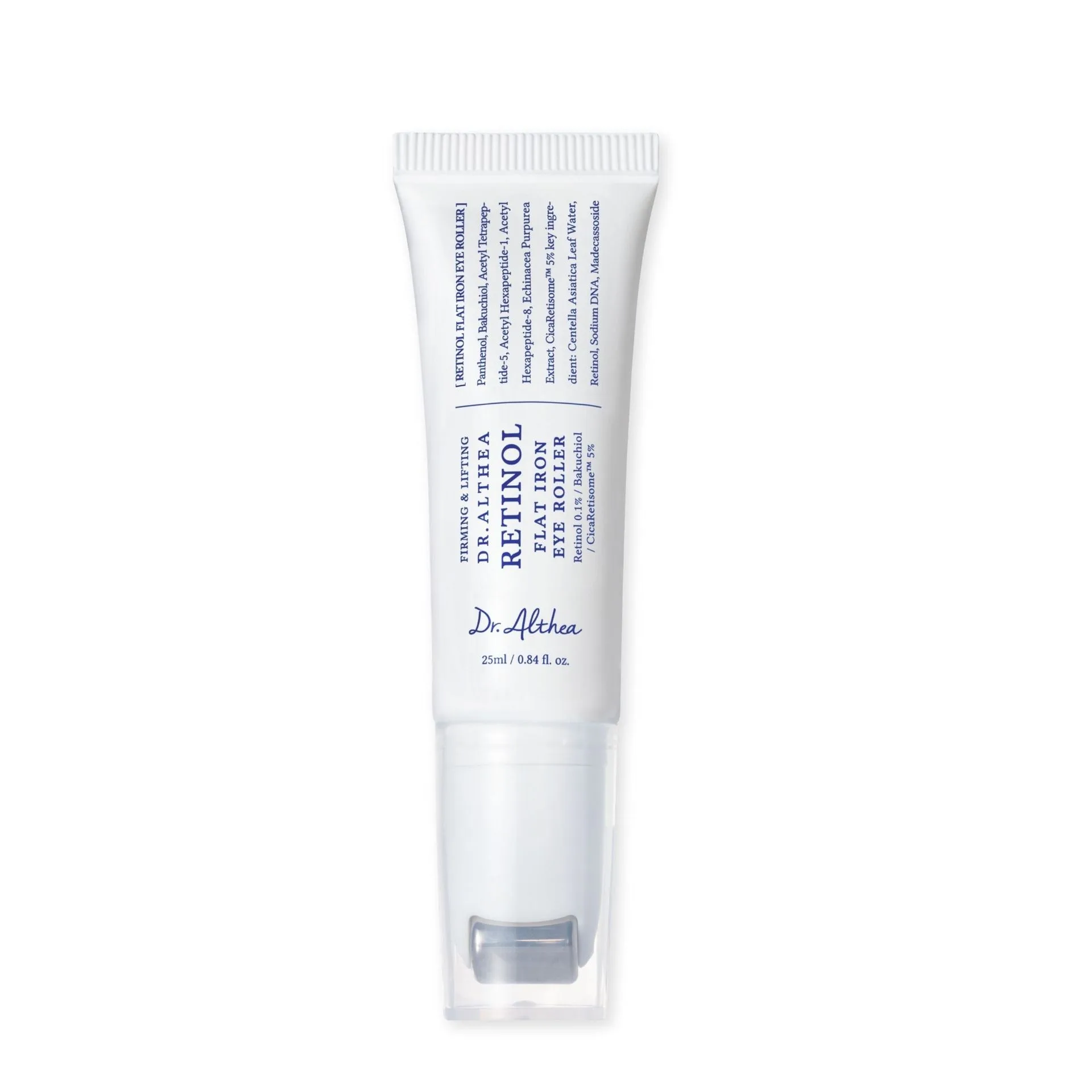
- Retinol Flat Iron Eye Roller: Dr. Althea's Retinol Flat Iron Eye Roller is a targeted tool with a retinol-infused formula and a flat iron-inspired applicator for precise, gentle use around the eyes. Labels for tools and eye products often list the active separately from the device; checking the ingredient panel tells you whether retinol is actually in the formula and where it sits in the order.