Start with the specs that affect fit
A food pan listing can look complete while leaving out the one number that decides whether it works in your line. Before you compare prices, scan for the dimensions that govern fit: length, width, depth, and the shape or profile of the pan. These determine whether it sits properly in a prep table, steam table, or shelving unit.
If a listing gives only a general size name without measurements, treat that as a gap, not a shortcut. You can still evaluate the pan, but you will need to confirm the missing dimensions with the seller before ordering. The same rule applies to depth: a pan described as full-size can still come in several depths, and depth changes both capacity and how the pan sits in a well.
A food pan buying checklist for any listing
- Measurements in stated units: Look for length, width, and depth with units. Without them, you cannot confirm fit in your existing table, well, or rack.
- Material and construction: The material affects weight, heat behavior, and how the pan is cleaned. A listing should name the material rather than describe it only as durable.
- Capacity or volume: Capacity helps you compare pans of different depths. If it is missing, you can estimate from dimensions only when the shape is simple and the measurements are complete.
- Compatibility notes: Check whether the listing names the systems or accessories the pan is designed to work with, such as particular lid styles or rack systems.
- Care and operating instructions: Cleaning method, temperature limits, and handling guidance belong in the listing. If they are absent, ask before you buy rather than assuming.
Why vague descriptions cost more than they save
A listing that says a pan is 'designed for professional food service' tells you the intended setting but not whether it fits your setup. That kind of language is common and not dishonest, but it is not a specification. Use it as context, then look for the concrete details that let you make a decision.
The risk is practical: a pan that is the wrong depth may not sit level in a steam table, and a pan without confirmed care instructions may be cleaned in a way that shortens its life. Reading carefully before purchase is cheaper than replacing pans that never quite worked.
What a typical Cambro listing confirms
-
DESCRIPTION: This Cambro product is described as designed for professional food service environments, with construction reflecting Cambro's commitment to quality. This confirms the intended setting and brand positioning, but it does not replace measurements or care details, so keep reading for those.
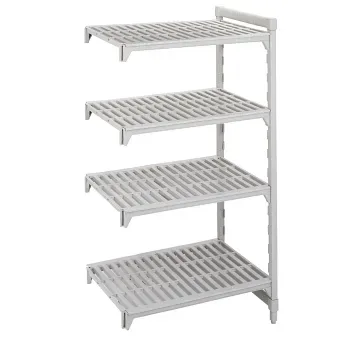
DESCRIPTION
-
DESCRIPTION: The listing states it is part of the Cambro product line and suitable for commercial kitchens, available in a standard configuration. This tells you the pan is intended for commercial use and comes in one standard option, so there is no variant choice to weigh.
-
DESCRIPTION: The description notes it is designed to support efficient food handling and storage tasks. This is a use-case statement rather than a specification, so treat it as a starting point and verify dimensions and care details separately.
When the listing leaves gaps
Some listings, including the Cambro record shown here, do not include dimensions, material composition, or care instructions in the supplied description. That does not mean the information is unavailable from the manufacturer, but it does mean you should not guess. Ask the seller for the specific measurements and cleaning guidance you need before you order.
A useful habit is to write down the three numbers you need most, such as the depth that fits your steam table well, and check each listing against them. If a listing cannot answer those three questions, it is not ready to be compared on price alone.
How to compare two food pan listings side by side
- Step 1: Confirm the size and depth: Put the stated measurements next to each other. If one listing omits them, mark it as unconfirmed rather than assuming it matches the other.
- Step 2: Check the material: Note whether each listing names the material. Material affects weight, heat tolerance, and cleaning, so a missing material is a real gap.
- Step 3: Look for compatibility details: Check whether either listing names lids, racks, or systems the pan is designed to work with. Compatibility claims should be specific, not implied.
- Step 4: Read the care section: If care instructions are present, compare them. If they are absent from both, plan to request them from the seller before purchase.
- Step 5: Decide what you can verify: Choose the pan whose listing answers your most important questions. A lower price on an unconfirmed pan is not a saving if it does not fit.