Walking through the frozen aisle can feel overwhelming when you're trying to make a healthy choice. Boxes shout 'protein-packed,' 'low-fat,' or 'natural,' but what do those claims really mean? The key to building a better morning lies in your ability to read and understand frozen breakfast nutrition labels. Whether you're meal-prepping for the week or grabbing a quick bite before work, knowing what to look for can save you time, money, and unnecessary calories.
In this guide, we'll break down the most important parts of a nutrition facts panel, explain common marketing terms, and show you how to compare products like a pro. By the end, you'll feel confident picking a healthy frozen breakfast that supports your energy, fitness, and taste preferences.
Start with Serving Size: The Most Overlooked Number
The very first line on any nutrition label is serving size. It tells you how much of the product the rest of the numbers refer to. Many frozen breakfast items, especially sandwiches and bowls, are sold as single servings. But some larger boxes, like a package of sausage links, may list a smaller serving size than you actually eat. Always check this number first. If you eat two servings, you need to double everything else on the label.
For example, a pack of Heat 'n Serve Original Sausage Links might list a serving of three links. If you're eating six, you're getting twice the calories, fat, and sodium listed. Being aware of portion size helps you stay on track with your daily goals without guesswork.
- Look for the serving size at the top of the label.
- Compare it to how much you actually plan to eat.
- Adjust all other numbers if you eat more than one serving.
Calories: More Than Just a Number
Calories provide a measure of how much energy you get from a serving. For a healthy frozen breakfast, most adults aim for 300 to 500 calories per meal. This range gives you enough fuel for the morning without overdoing it. But calories alone don't tell the full story. A 400-calorie breakfast high in sugar and low in protein won't keep you full as long as a 400-calorie meal with balanced protein and fiber.
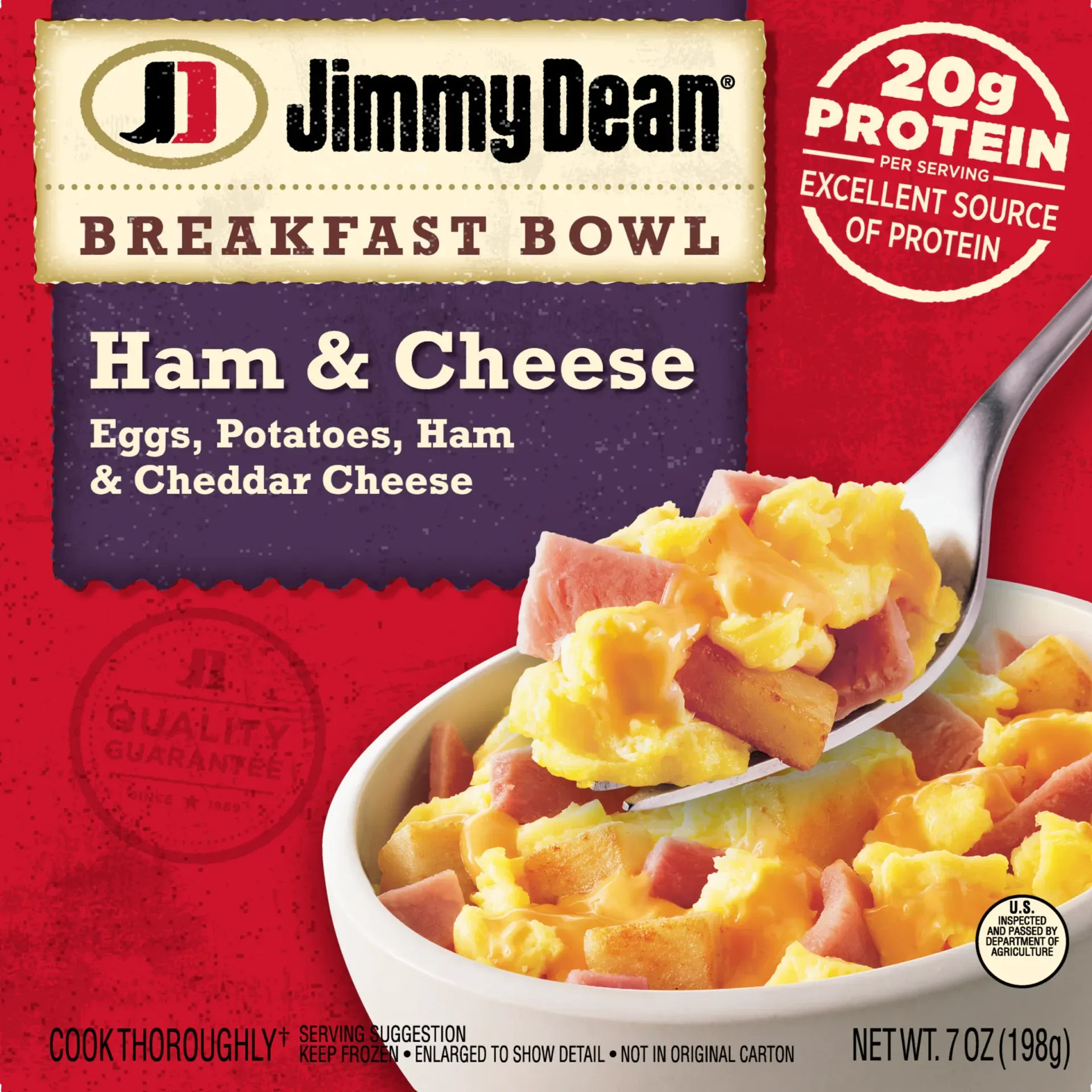
Products like the Sausage Breakfast Bowl offer a satisfying calorie count paired with substantial protein, making them a smart choice for sustained energy. On the other hand, a sugary pastry might have similar calories but leave you hungry an hour later. Always consider what comes with those calories.
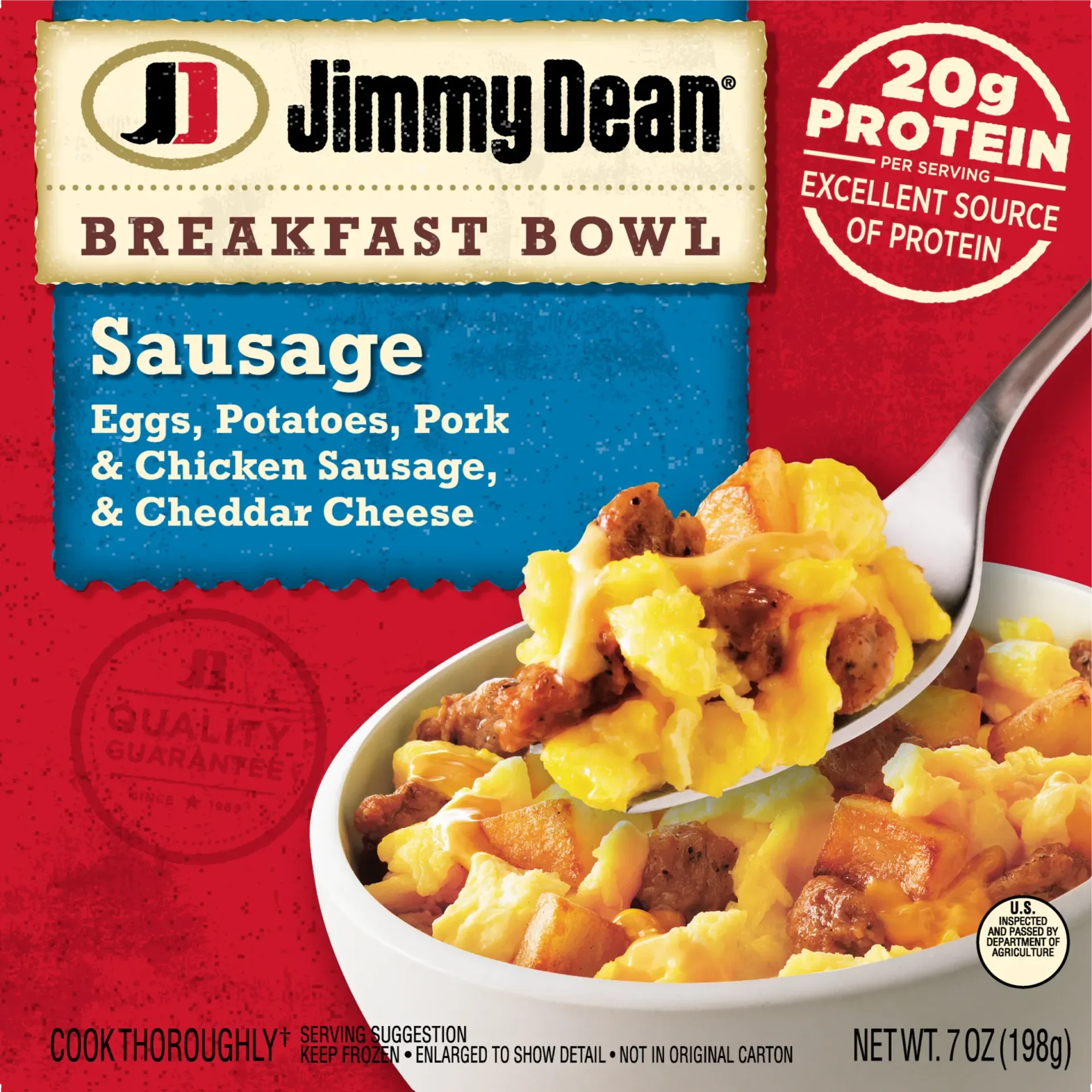
Sausage Breakfast Bowl
Protein: The Satiety Superstar
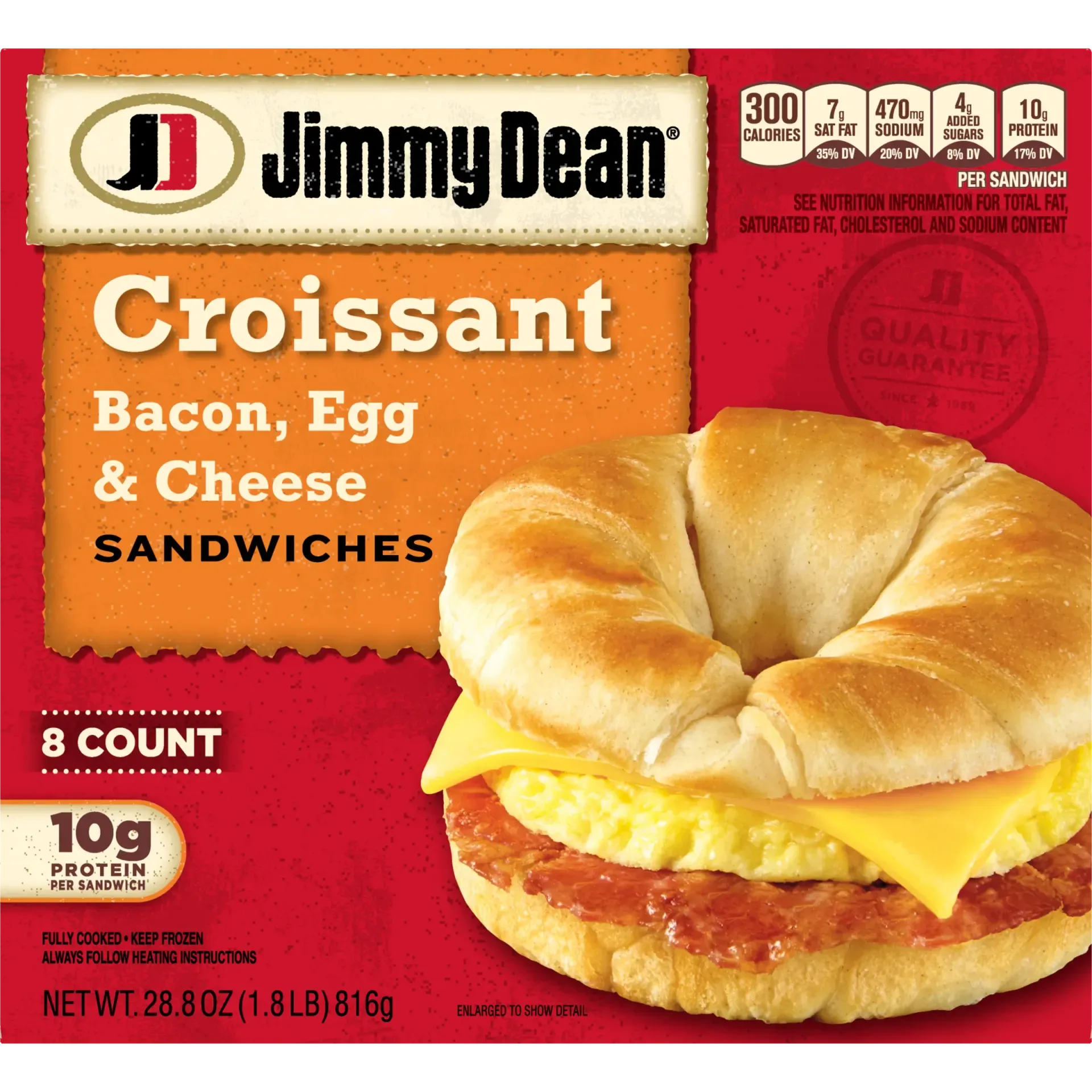
Protein is one of the most important nutrients in a morning meal. It helps build muscle, supports metabolism, and keeps you feeling full until lunch. When reading frozen breakfast nutrition labels, look for at least 10 to 15 grams of protein per serving. Many frozen sandwiches and bowls easily hit this range. For example, the Sausage, Egg & Cheese English Muffin Sandwiches deliver a solid protein punch that can help power your day.
If you're active or following a high-protein diet, aim for 20 grams or more. Ingredients like eggs, cheese, sausage, and bacon are natural protein sources. Be wary of products that list protein but rely heavily on processed fillers. Whole-food ingredients usually indicate better nutritional quality.
- Shoot for 10–15g protein per serving for a balanced breakfast.
- Look for whole-food protein sources like eggs, meat, and cheese.
- Higher protein (20g+) is great for athletes or busy mornings.
Fats: Not All Are Created Equal
Fat is essential for absorbing vitamins and providing long-lasting energy. However, the type of fat matters. Saturated fat should be limited to less than 10% of your daily calories, according to dietary guidelines. For a single frozen breakfast, that means around 3 to 5 grams of saturated fat is reasonable. Trans fat, on the other hand, should be avoided entirely. Most reputable brands, including Jimmy Dean, have eliminated trans fats from their products.
Products like the Applewood Smoked Premium Bacon offer savory flavor with a moderate fat profile that fits into a balanced diet. Don't fear fat—just be mindful of the source. Bacon, sausage, and cheese naturally contain saturated fat, but they also provide protein and taste. Pair them with fiber-rich sides like fruit or whole grains to round out your meal.
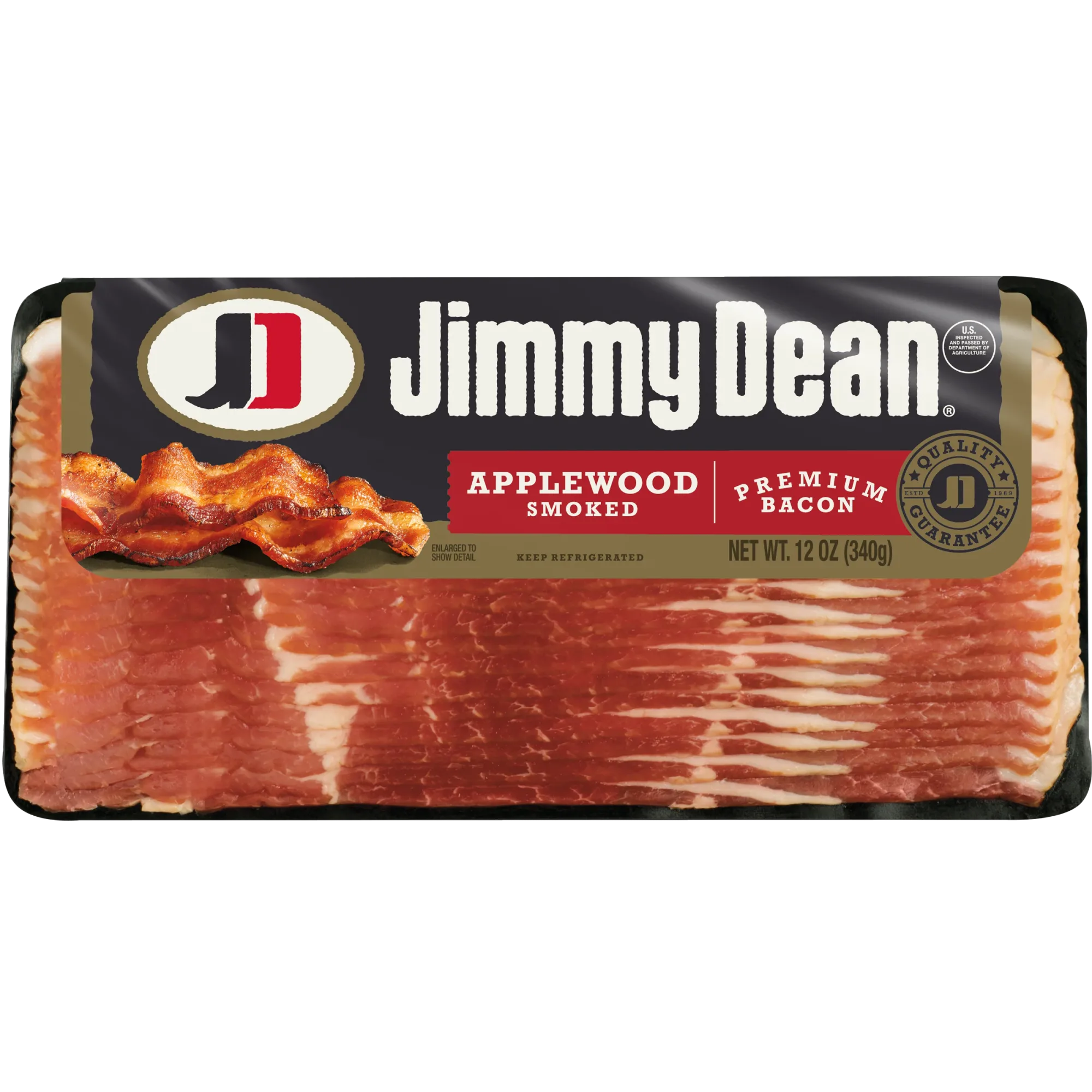
Applewood Smoked Premium Bacon
- Check total fat and saturated fat per serving.
- Avoid any product with trans fat on the label.
- Balance higher-fat items with fruits or vegetables.
Sodium: The Hidden Culprit
Frozen breakfast foods often contain sodium as a preservative and flavor enhancer. While some sodium is necessary, too much can contribute to high blood pressure and bloating. The American Heart Association recommends no more than 2,300 mg per day, with an ideal limit of 1,500 mg. A single frozen breakfast should ideally have 500 to 700 mg of sodium or less.
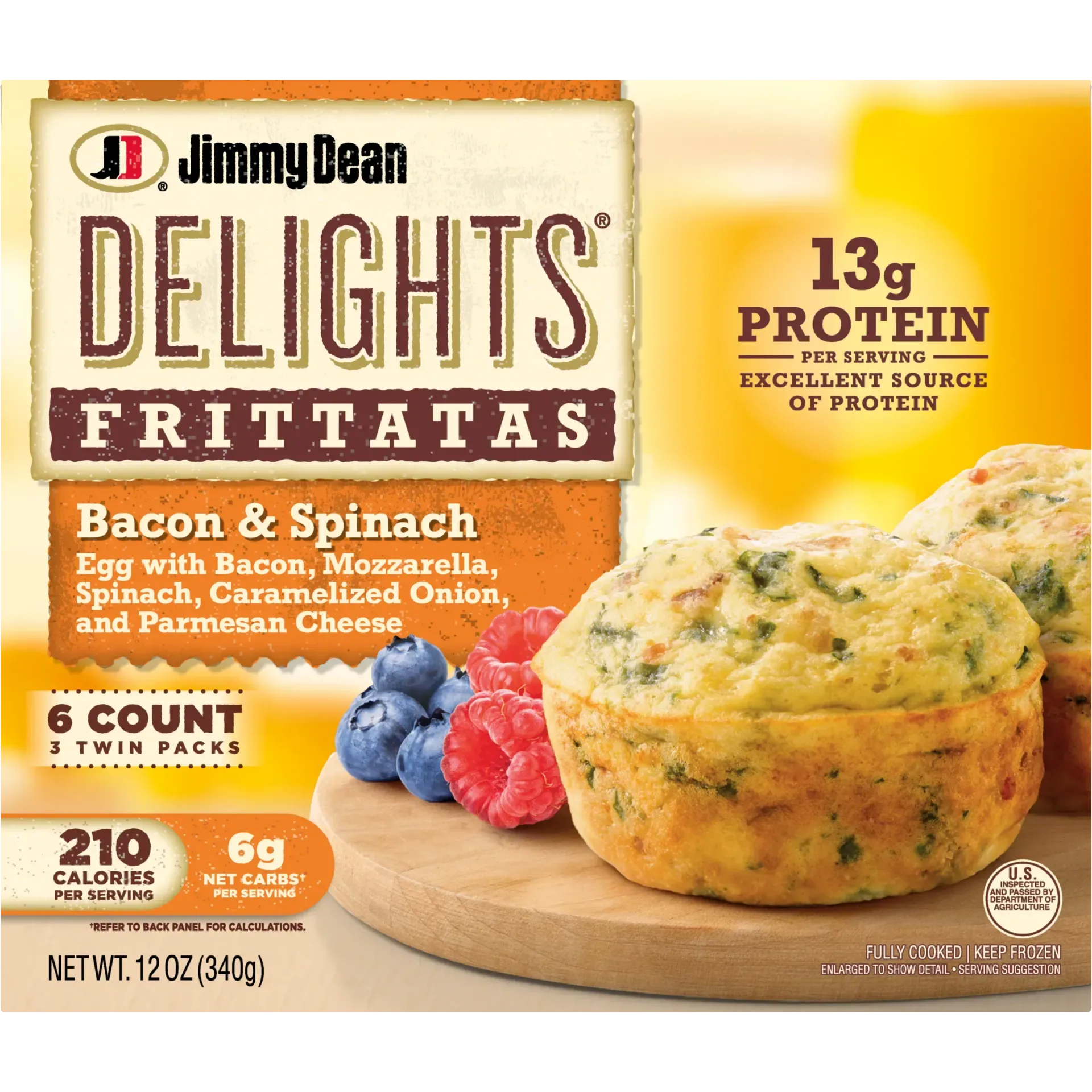
When comparing options, scan the sodium line carefully. Some breakfast bowls and sandwiches can exceed 800 mg per serving. If you're watching your salt intake, look for lower-sodium versions or pair your meal with unsalted sides. The Delights Bacon & Spinach Frittata is a great example of a flavorful option that keeps sodium in check while still delivering protein and veggies.
- Aim for under 700 mg sodium per frozen breakfast serving.
- Compare similar products to find the lowest sodium option.
- Balance with low-sodium foods for the rest of your day.
Carbohydrates and Fiber: The Energy Balance
Carbohydrates provide quick energy, but not all carbs are equal. Look for products with at least 3 to 5 grams of fiber per serving. Fiber slows digestion and helps you feel full longer. Added sugars, on the other hand, spike your blood sugar and can lead to energy crashes. The nutrition label lists total carbohydrates, then breaks out dietary fiber and sugars. Below that, you'll often see added sugars—try to keep this number under 10 grams per breakfast.
Frozen breakfast sandwiches and bowls made with whole grains or vegetables tend to have better carb profiles. For example, the Sausage and Three Cheese Egg Bites offer a lower-carb option that still satisfies. If you're following a keto or low-carb diet, pay extra attention to net carbs (total carbs minus fiber).
- Check total carbs, but focus on fiber and added sugars.
- Look for 3g+ fiber per serving for better satiety.
- Limit added sugars to under 10g per breakfast.
Ingredients List: The Real Story
Beyond the nutrition facts panel, the ingredients list tells you what's actually in your food. Ingredients are listed in descending order by weight. The first few items make up the bulk of the product. Look for recognizable whole foods like eggs, cheese, pork, chicken, or vegetables. Avoid long lists with chemical-sounding names, though some preservatives are safe and necessary for frozen foods.
Jimmy Dean products prioritize quality ingredients. For instance, the Country Mild Premium Pork Sausage is made with simple, high-quality pork and spices. When you see a short ingredient list with items you can pronounce, it's usually a good sign. Also, watch for hidden sugars like corn syrup, dextrose, or maltodextrin, which can add up quickly.
- Check the first 3–5 ingredients—they matter most.
- Prefer products with whole-food ingredients over processed fillers.
- Watch for added sugars under different names (syrup, dextrose, etc.).
Putting It All Together: How to Compare Products
Now that you know what each section means, here's a quick framework for comparing any two frozen breakfast options. First, check serving size and adjust if needed. Then, look at calories—aim for 300–500. Next, check protein (10g+), saturated fat (under 5g), sodium (under 700mg), and added sugars (under 10g). Finally, scan the ingredients list for whole foods and minimal additives.
Using this method, you can quickly decide between a Sausage Breakfast Burrito and another option. Both might look similar, but one might have less sodium or more fiber. Over time, this habit becomes second nature, and you'll build a freezer stocked with healthy frozen breakfast choices that truly support your lifestyle.
- Use a simple checklist: serving size, calories, protein, sodium, sugar, ingredients.
- Compare two products side by side before buying.
- Build a routine so label reading becomes automatic.
Reading frozen breakfast nutrition labels doesn't have to be confusing. By focusing on serving size, protein, saturated fat, sodium, and added sugars, you can make informed choices that keep you energized and satisfied. Start your next grocery trip with confidence—check out the Sausage Breakfast Bowl for a balanced, protein-rich option that ticks all the boxes.