Quick answer
Check the expiration date printed on the crimp or label. Most natural toothpastes last about 12-24 months unopened. Once opened, replace it after 6-12 months or sooner if the texture, smell, or taste changes. When in doubt, throw it out.
Natural toothpaste, like any personal care product, doesn't last forever. Understanding expiry dates helps you maintain oral hygiene and get the full benefits of ingredients like tea tree oil and propolis. Here's how to read those dates and know when to replace your tube.
Unlike conventional toothpaste, natural formulas often lack certain preservatives, so their shelf life can be shorter. Learning to spot the signs of aging toothpaste ensures you're not brushing with a product that's past its prime.
Where to find the expiry date
Most toothpaste tubes have an expiration date printed on the crimp (the flattened end) or on the side of the tube. It may appear as a simple date (e.g., 2027-08) or as a symbol like a jar with an open lid, indicating the period after opening (PAO). Look for 'EXP' or 'Use by'.
If you can't find a date, check the outer box or the tube's crimp. Some brands use a lot code that isn't consumer-friendly; in that case, rely on your purchase date and the general shelf life guidelines.
- Check the crimp first—it's the most common location.
- PAO symbol (e.g., 12M) means months after opening, not from manufacture.
Understanding shelf life
Unopened natural toothpaste typically lasts 12-24 months from the manufacture date. After opening, the clock starts ticking—exposure to air and bacteria can degrade ingredients faster. A rule of thumb: use within 6-12 months of opening.
Some natural toothpastes, like those with baking soda or essential oils, may have a shorter shelf life. Always store your toothpaste in a cool, dry place away from direct sunlight and humidity, like a bathroom cabinet rather than the sink edge.
- Store upside down to keep the paste away from the cap and reduce air exposure.
- Avoid storing near a heat source or in a steamy bathroom.
Signs your toothpaste has expired
Expired toothpaste may separate, become watery, or develop a grainy texture. The color might change, and the smell or taste could become off—less minty or even bitter. If you notice any of these, it's time to replace it.
Using expired toothpaste isn't dangerous, but it's less effective. Active ingredients like tea tree oil or propolis lose potency, so you won't get the antibacterial benefits you expect. For kids, it's especially important to use fresh toothpaste to ensure cavity protection.
- Trust your senses: if it looks, smells, or tastes different, toss it.
- Check the consistency—if it's separated or runny, it's past its best.
When to replace natural toothpaste
Replace your toothpaste when it reaches its expiry date, or earlier if you've had it open for over a year. Also, replace it after an illness, as the tube can harbor germs. For travel sizes, you might finish them quickly, but still check the date.
If you use a toothpaste with a strong flavor like Fresh Mint, you'll notice when it fades. That's a clear sign the essential oils have evaporated. Keep a spare tube in your cupboard so you're never tempted to use an old one.
- Mark the opening date on the tube with a permanent marker.
- Buy smaller tubes if you rarely finish them before the expiry.
Steps to check and replace your natural toothpaste
- Locate the expiry date: Look at the crimp or side of the tube for 'EXP' or a PAO symbol. If absent, note your purchase date and assume a 12-month shelf life after opening. Checkpoint: If you can't find a date, write the purchase date on the tube.
- Assess the condition: Squeeze a small amount and inspect the texture, smell, and taste. Fresh toothpaste should be smooth and have a consistent aroma. Mistake to avoid: Using toothpaste that has separated or changed color.
- Decide to replace or use: If the expiry date has passed or you see signs of aging, replace it. If it's still within date but nearing the end, prioritize using it up. Checkpoint: When in doubt, replace—especially for kids' toothpaste.
- Store properly to extend freshness: Keep your toothpaste in a cool, dry place, tightly capped, and away from direct sunlight. Consider storing upside down. Mistake to avoid: Leaving the cap off or storing near a heat source.
Product freshness considerations
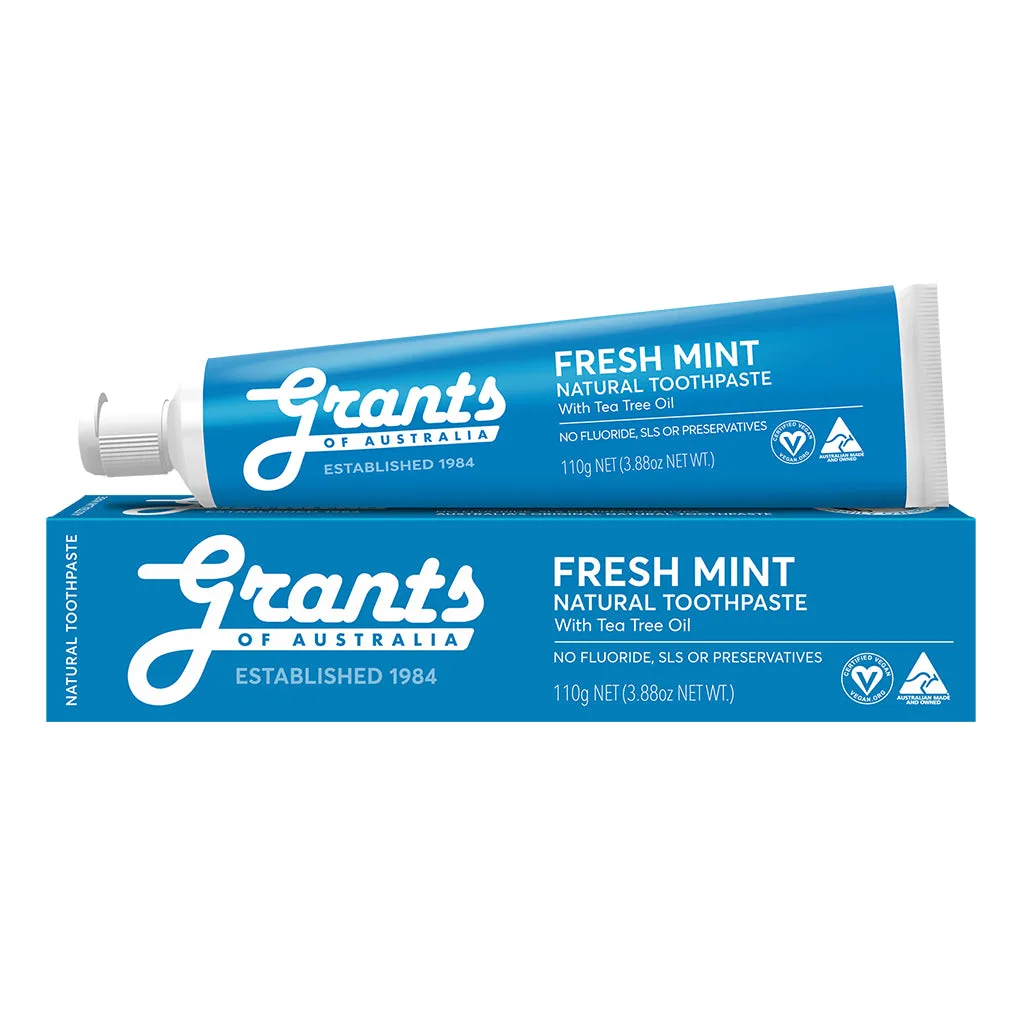
- Fresh Mint Natural Toothpaste: Contains organic tea tree oil & has a strong minty taste for fresh breath. The tea tree oil's antibacterial properties are most effective when fresh, so check the expiry date to ensure you get the full benefit.
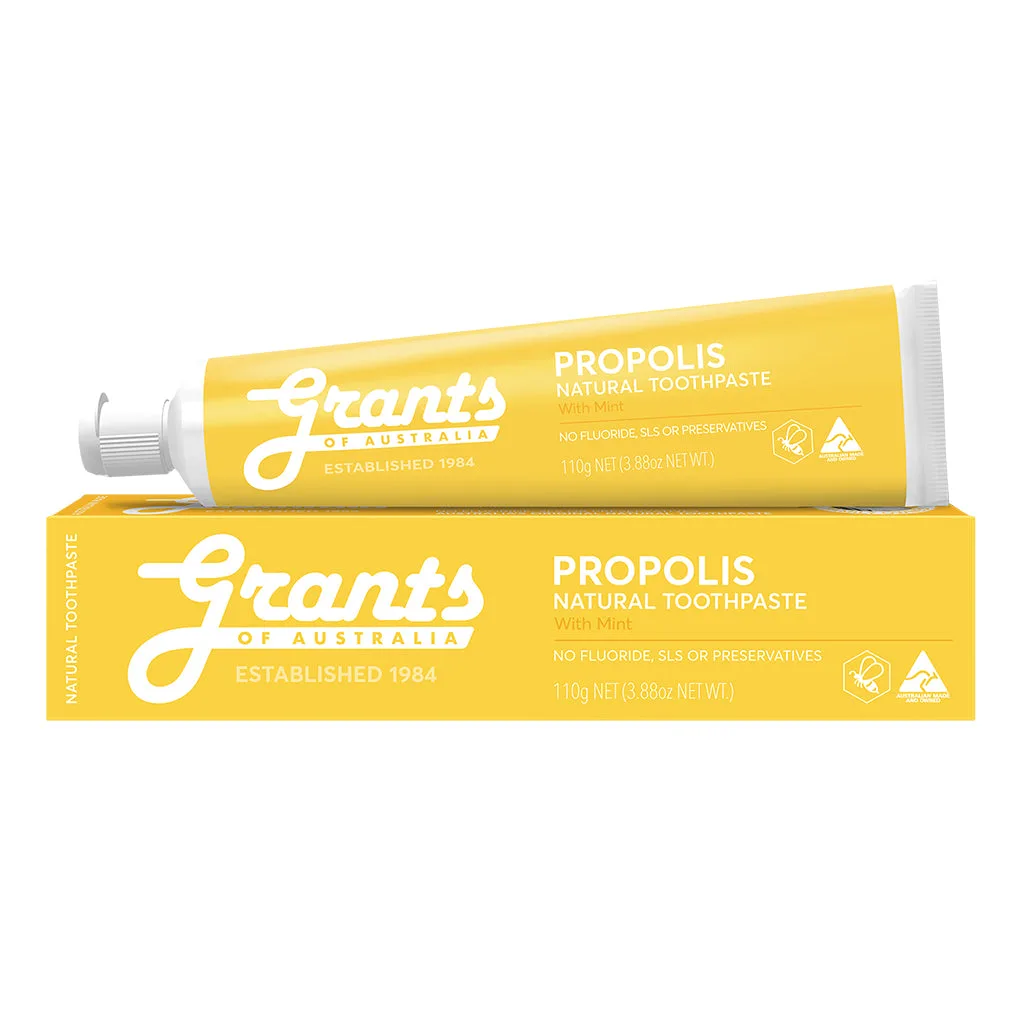
- Propolis Natural Toothpaste: Propolis is made by bees & known for its antibacterial & antiseptic properties. Propolis can degrade over time; using it fresh ensures you get the antimicrobial effects for gum health.
Reading expiry dates and knowing when to replace natural toothpaste is simple once you know where to look. By staying attentive to dates and signs of aging, you'll ensure every brush is effective and fresh. When in doubt, replace your toothpaste—your smile will thank you.