Walking down the oral care aisle, you're faced with a wall of toothpaste tubes, each claiming to be 'natural' or 'safe.' But what does that really mean? Learning to read natural toothpaste labels is an essential skill for anyone who wants to make informed choices about their oral health. With so many products on the market, understanding the ingredients can help you avoid hidden chemicals and select a toothpaste that truly aligns with your values.
In this step-by-step guide, we'll break down the key components of a natural toothpaste label, from active ingredients to certifications. We'll also highlight some excellent Australian-made options, so you can feel confident in your next purchase. Whether you're new to natural oral care or a seasoned enthusiast, this guide will empower you to read labels like a pro.
Step 1: Look for the Active Ingredients
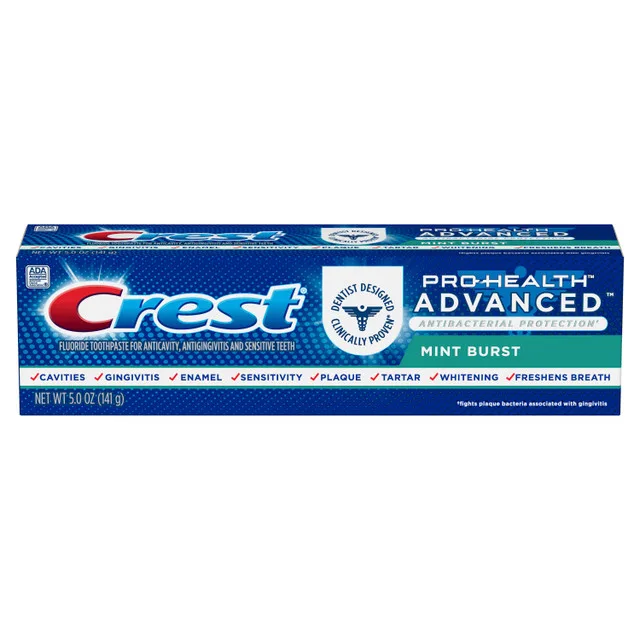
The first thing to check on any toothpaste label is the active ingredients. These are the components that provide the primary benefit, such as cavity protection or whitening. In conventional toothpastes, you'll often see fluoride as the active ingredient. However, many natural toothpastes opt for fluoride-free formulas, using alternatives like hydroxyapatite or natural minerals to strengthen enamel.
If you prefer a fluoride-free option, look for labels that clearly state 'fluoride-free' or 'no fluoride.' For example, the Whitening Peppermint Natural Toothpaste is a popular choice that uses natural ingredients to gently whiten teeth without fluoride. Understanding what each active ingredient does will help you choose a toothpaste that meets your specific needs, whether that's sensitivity relief, whitening, or everyday protection.
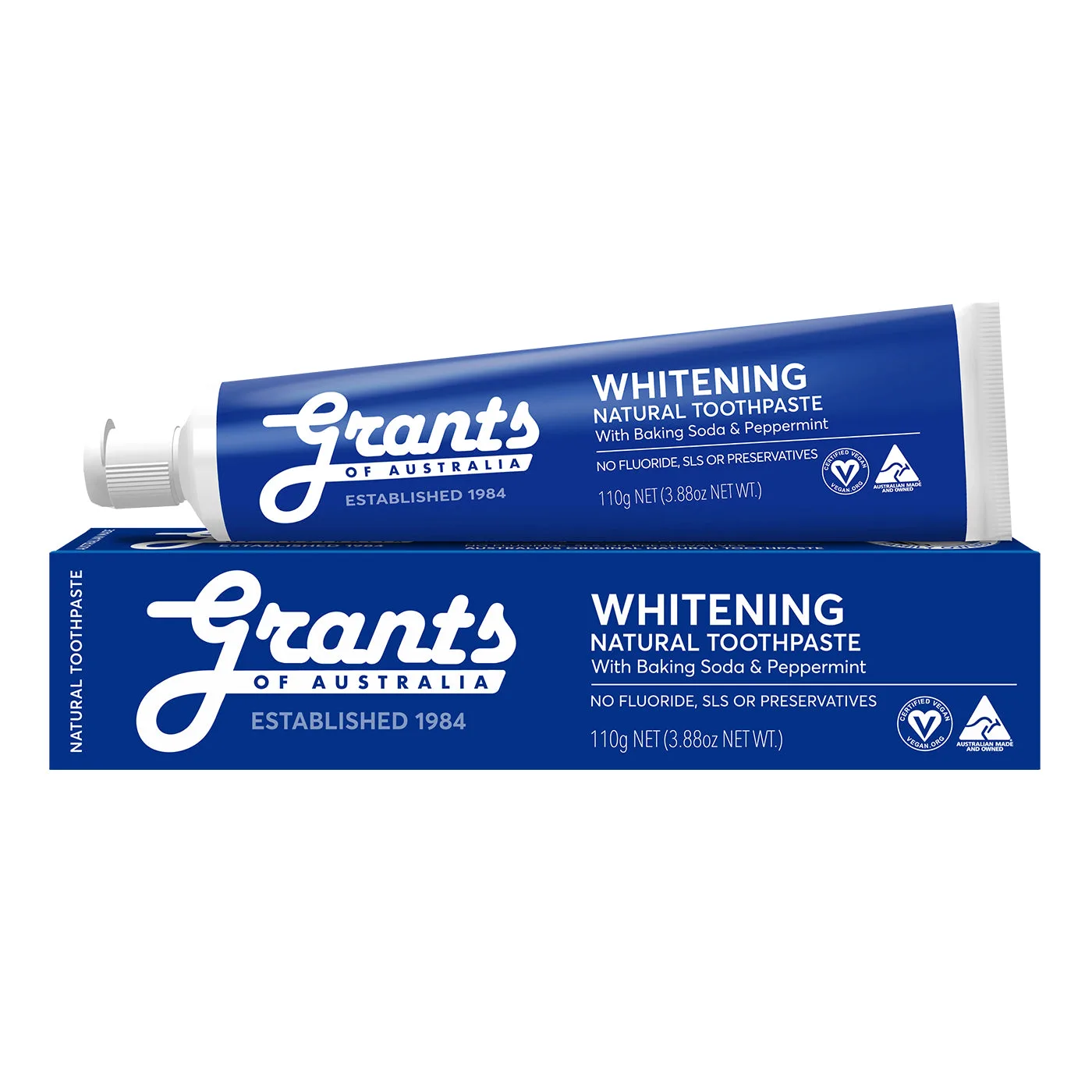
Whitening Peppermint Natural Toothpaste
- Check the 'Active Ingredients' section on the back of the tube.
- If fluoride is listed, decide if you want it or prefer a natural alternative.
- Look for natural whitening agents like baking soda or activated charcoal.
Step 2: Examine the Inactive Ingredients
Inactive ingredients make up the bulk of the toothpaste and include abrasives, humectants, binders, and flavorings. In natural toothpastes, you'll find ingredients like calcium carbonate (a mild abrasive), glycerin (to keep the paste moist), and essential oils for flavor. Avoid toothpastes that contain artificial sweeteners, synthetic dyes, or harsh detergents like sodium lauryl sulfate (SLS), which can irritate sensitive mouths.
Reading the inactive ingredients list can reveal a lot about the product's quality. For instance, the Complete Care Natural Toothpaste is formulated with a blend of natural ingredients that clean effectively without harsh chemicals. By familiarizing yourself with common natural ingredients, you'll be better equipped to spot potentially harmful additives and make a healthier choice for your smile.
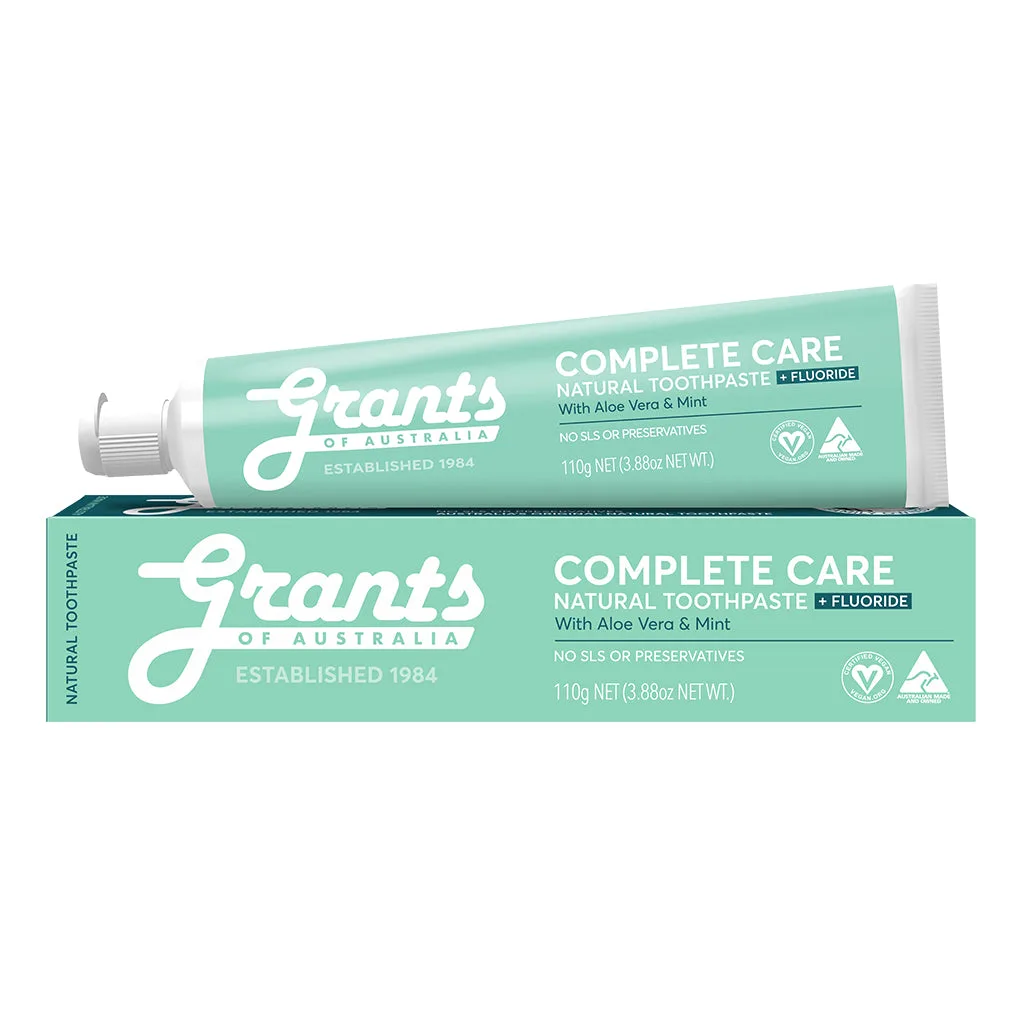
Complete Care Natural Toothpaste
- Be wary of 'sodium lauryl sulfate' (SLS) – it can cause mouth ulcers in some people.
- Look for natural sweeteners like stevia or xylitol instead of aspartame.
- Check for artificial colors and avoid them if possible.
Step 3: Understand the Abrasiveness Level (RDA)
The Relative Dentin Abrasivity (RDA) is a measure of how abrasive a toothpaste is. While this isn't always listed on the label, some natural brands include it. A lower RDA means gentler cleaning, which is important for people with sensitive teeth or enamel erosion. Natural toothpastes often have a lower RDA compared to conventional ones, making them a safer choice for daily use.
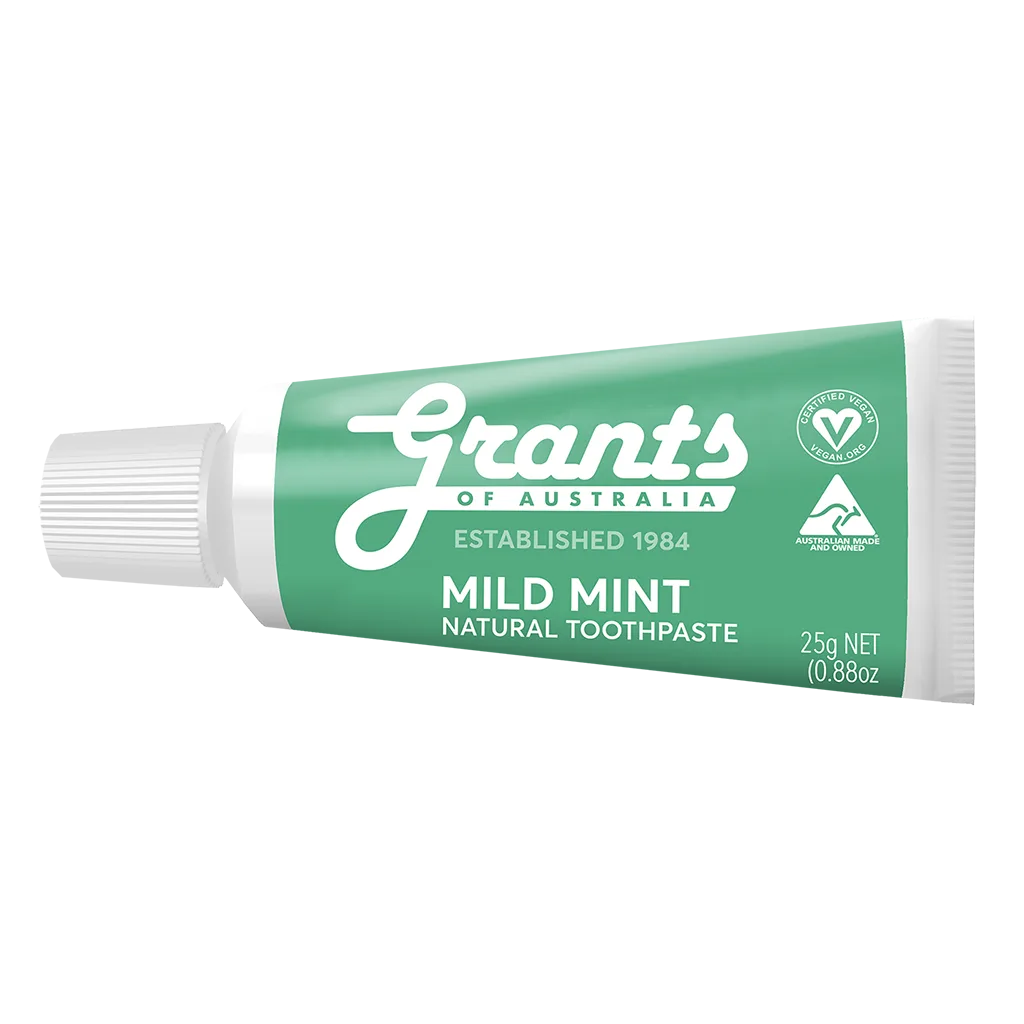
If the RDA isn't listed, you can gauge abrasiveness by the ingredients: baking soda and hydrated silica are common abrasives in natural toothpastes. For a gentle yet effective option, consider the https://grantsofaustralias.com/products/mild-mint-natural-toothpaste-travel-size-332136Mild Mint Natural Toothpaste - Travel Size, which is perfect for those who prefer a mild flavor and a non-abrasive formula. Understanding abrasiveness helps you protect your enamel while still getting a thorough clean.
- Aim for an RDA below 250 for daily use.
- If RDA isn't listed, look for gentle abrasives like calcium carbonate.
- Avoid toothpastes with 'hydrated silica' if you have sensitive teeth.
Step 4: Check for Certifications and Claims
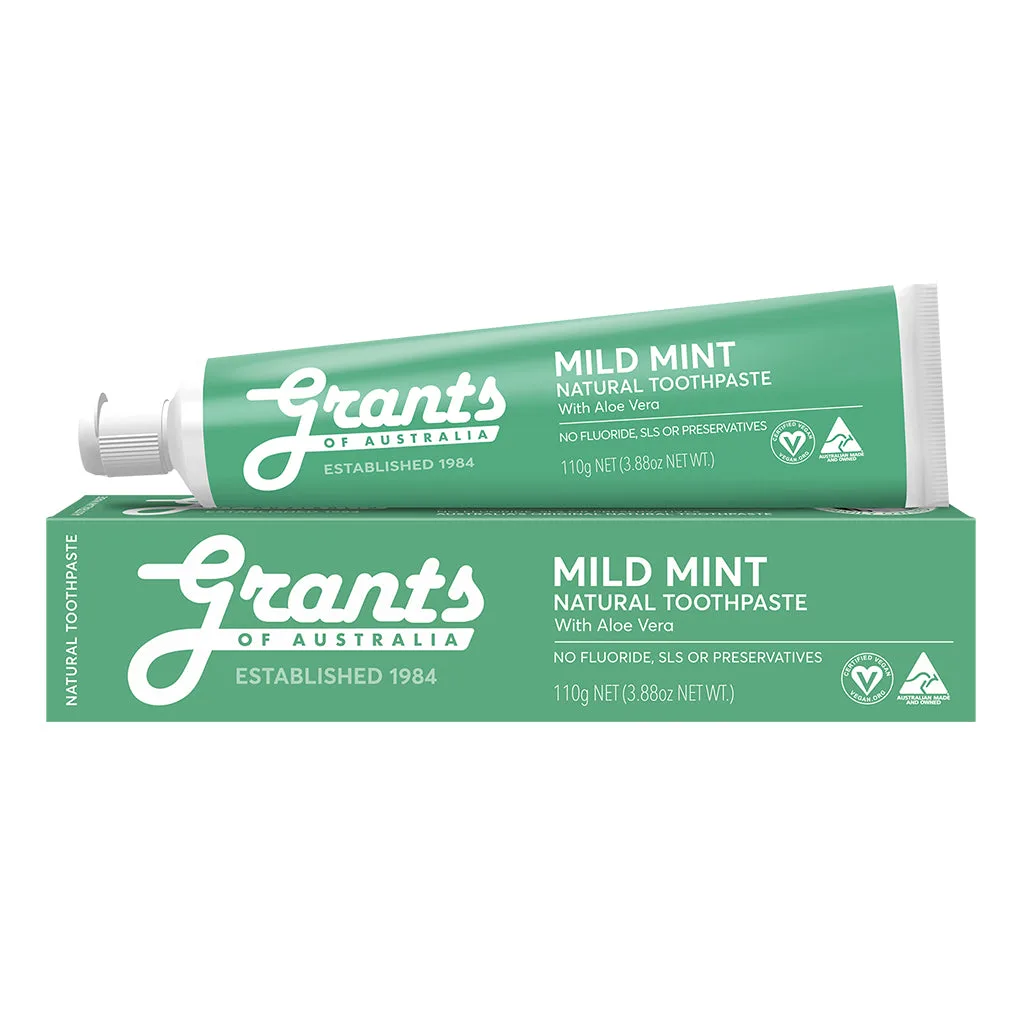
Certifications like 'Certified Organic,' 'Non-GMO,' or 'Vegan' can give you confidence in a product's natural claims. However, not all natural toothpastes are certified, so it's important to read the label carefully. Look for logos from recognized organizations, but also be aware that some certifications have varying standards. Australian-made products often adhere to strict regulations, so checking the country of origin can be a good indicator of quality.
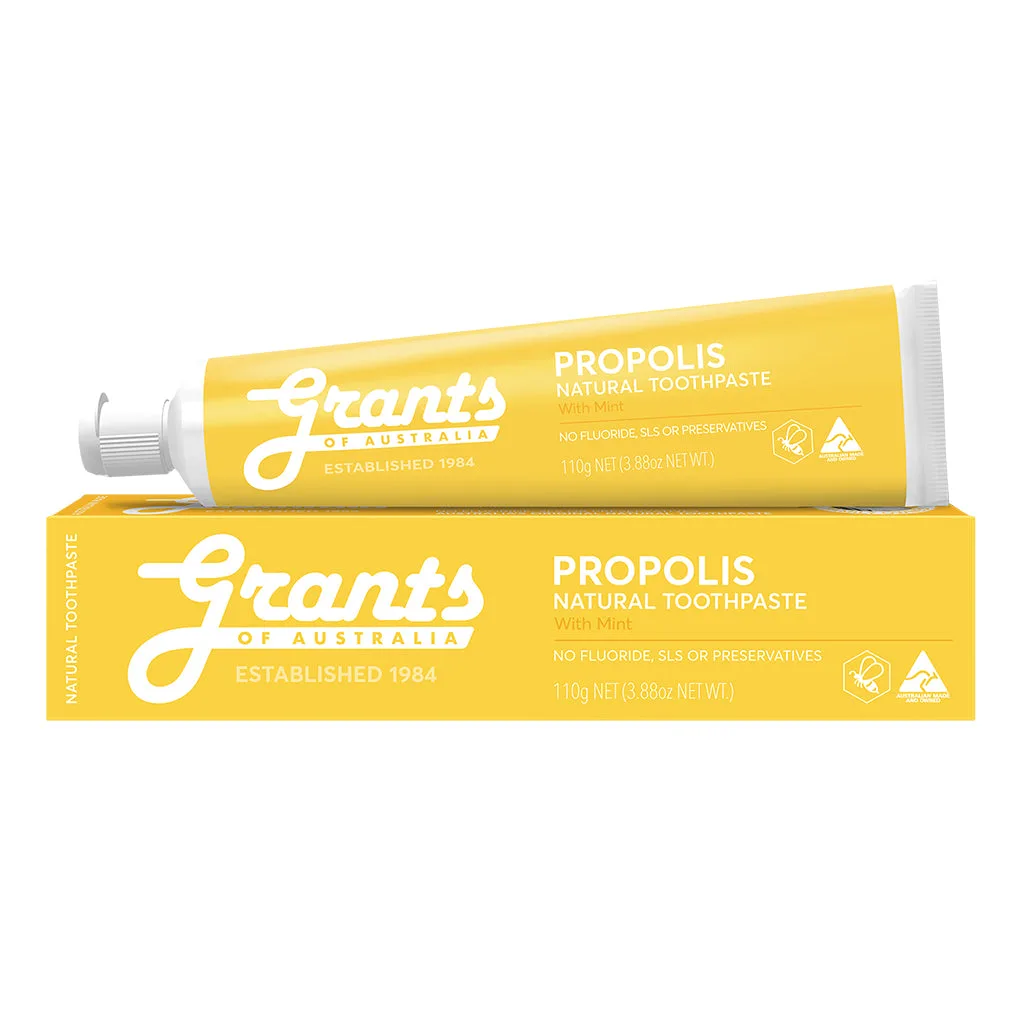
For example, Grants of Australia is an Australian-made brand that prides itself on using natural, ethically sourced ingredients. Their Propolis Natural Toothpaste combines the benefits of propolis with natural mint for a unique oral care experience. When you see 'Australian made' on a label, it often means the product meets high manufacturing standards, giving you extra peace of mind.
- Look for certifications like 'Australian Made' or 'Certified Organic'.
- Research what each certification actually means – they vary by country.
- Don't rely solely on claims like 'natural' – always read the ingredient list.
Step 5: Consider Flavor and Additional Benefits
The flavor of your toothpaste can significantly impact your brushing experience. Natural toothpastes often use essential oils like peppermint, spearmint, or even fruity flavors for kids. If you're transitioning from conventional toothpaste, you might notice a difference in taste – natural flavors are less intense but just as refreshing. Some natural toothpastes also include additional benefits like antibacterial properties from tea tree oil or propolis.
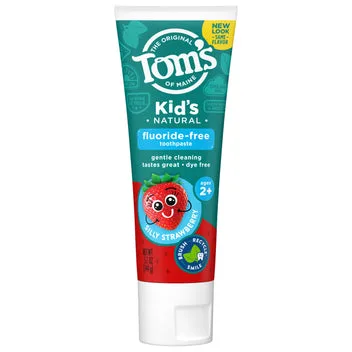
For families, the Kids Strawberry Natural Toothpaste is a great choice, offering a mild, fruity flavor that children love while being free from artificial additives. Meanwhile, adults might enjoy the Whitening Spearmint Natural Toothpaste for a fresh, clean taste with whitening benefits. Choosing a flavor you enjoy ensures you'll look forward to brushing, which is key to maintaining good oral hygiene.
- Try a few different flavors to find one you like – natural flavors can vary.
- For kids, choose a mild flavor that encourages brushing.
- Look for toothpastes with added benefits like antibacterial properties.
Reading natural toothpaste labels doesn't have to be overwhelming. By following these steps, you can confidently select a product that aligns with your values and oral health needs. Remember to check active and inactive ingredients, understand abrasiveness, and look for certifications. And if you're looking for a trusted Australian-made option, explore the range at Grants of Australia – your smile will thank you.