Walking into the world of nootropic coffee can feel like stepping into a foreign language. With terms like lion’s mane, cordyceps, L-theanine, and adaptogens plastered across packaging, it’s easy to get overwhelmed. But here’s the truth: not all labels are created equal, and knowing how to read them can mean the difference between a drink that genuinely boosts your focus and one that’s just expensive flavored water.
Whether you’re a first-time buyer or a seasoned functional coffee enthusiast, learning to decode labels empowers you to make smarter, healthier choices. In this guide, we’ll break down the key sections of a nootropic coffee label — from ingredient lists and dosage claims to certifications and serving sizes — so you can shop with confidence and get the cognitive lift you’re actually paying for.
1. Start with the Ingredient List: What’s Actually Inside?
The ingredient list is your first and most important clue. Nootropic coffee blends typically combine high-quality coffee with functional mushrooms (like lion’s mane, reishi, or chaga), adaptogens (such as ashwagandha or rhodiola), and amino acids (like L-theanine). Look for ingredients that are named clearly — for example, “organic lion’s mane mushroom extract” rather than vague terms like “mushroom blend” or “proprietary mix.”
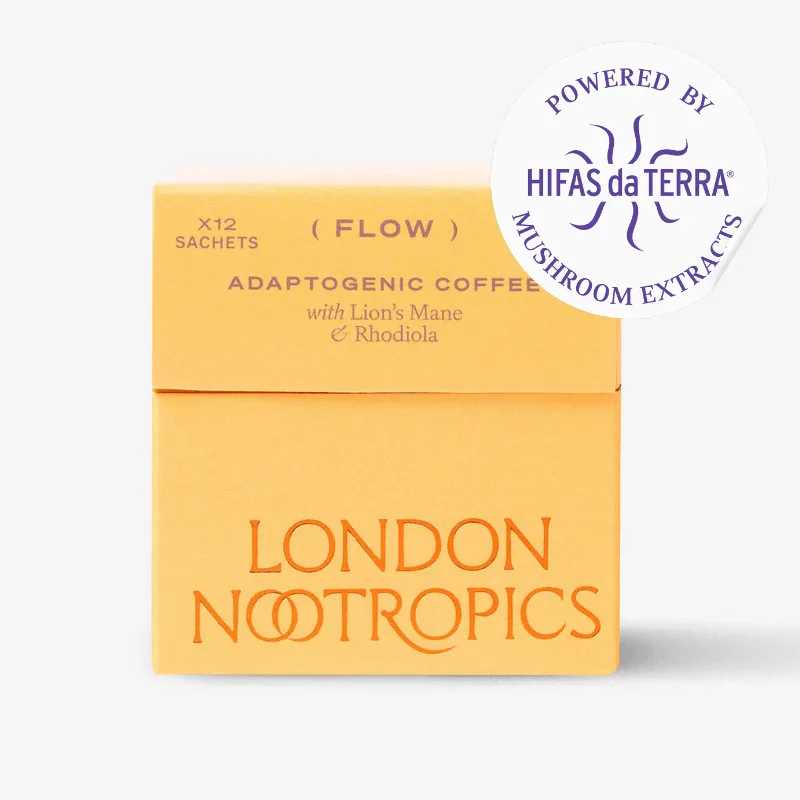
A good rule of thumb: if you can’t pronounce it or don’t recognize it, research it. Avoid blends loaded with artificial flavors, preservatives, or synthetic caffeine boosters. The best products, like those from London Nootropics, prioritize clean, organic ingredients. For instance, their https://coffeehiveai.shop/products/flow-coffee-138596Flow Coffee contains a precise blend of lion’s mane and L-theanine without unnecessary fillers — exactly the kind of transparency you want to see on a label.
- Check for organic certification or third-party testing seals.
- Avoid proprietary blends that hide individual ingredient amounts.
2. Understand Dosage: How Much Active Ingredient Is Enough?
A label might list “mushroom extract” but fail to tell you how much is actually in each serving. This is a red flag. For nootropic effects, research suggests that lion’s mane extract should be dosed at around 500–1000 mg per serving, while L-theanine is effective at 100–200 mg. If the label doesn’t specify milligrams per ingredient, you have no way of knowing if you’re getting a therapeutic dose or just a sprinkle.
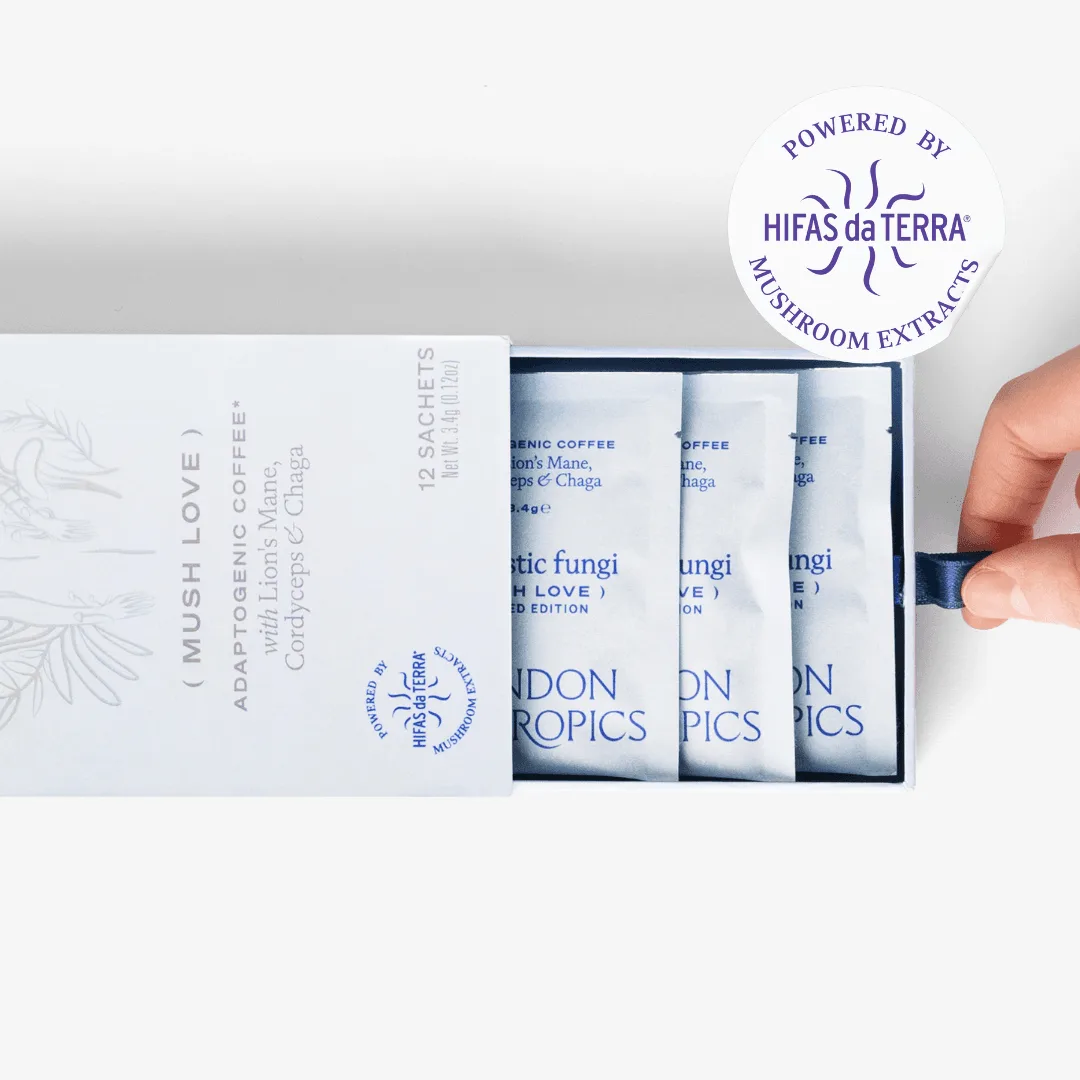
Reputable brands will clearly state the amount of each active ingredient. For example, the 12 Sachet Refill from London Nootropics provides a consistent, measured dose in every sachet, so you know exactly what you’re consuming. When comparing products, look for labels that break down the dosage per serving — this is a sign of a brand that values efficacy and customer trust.
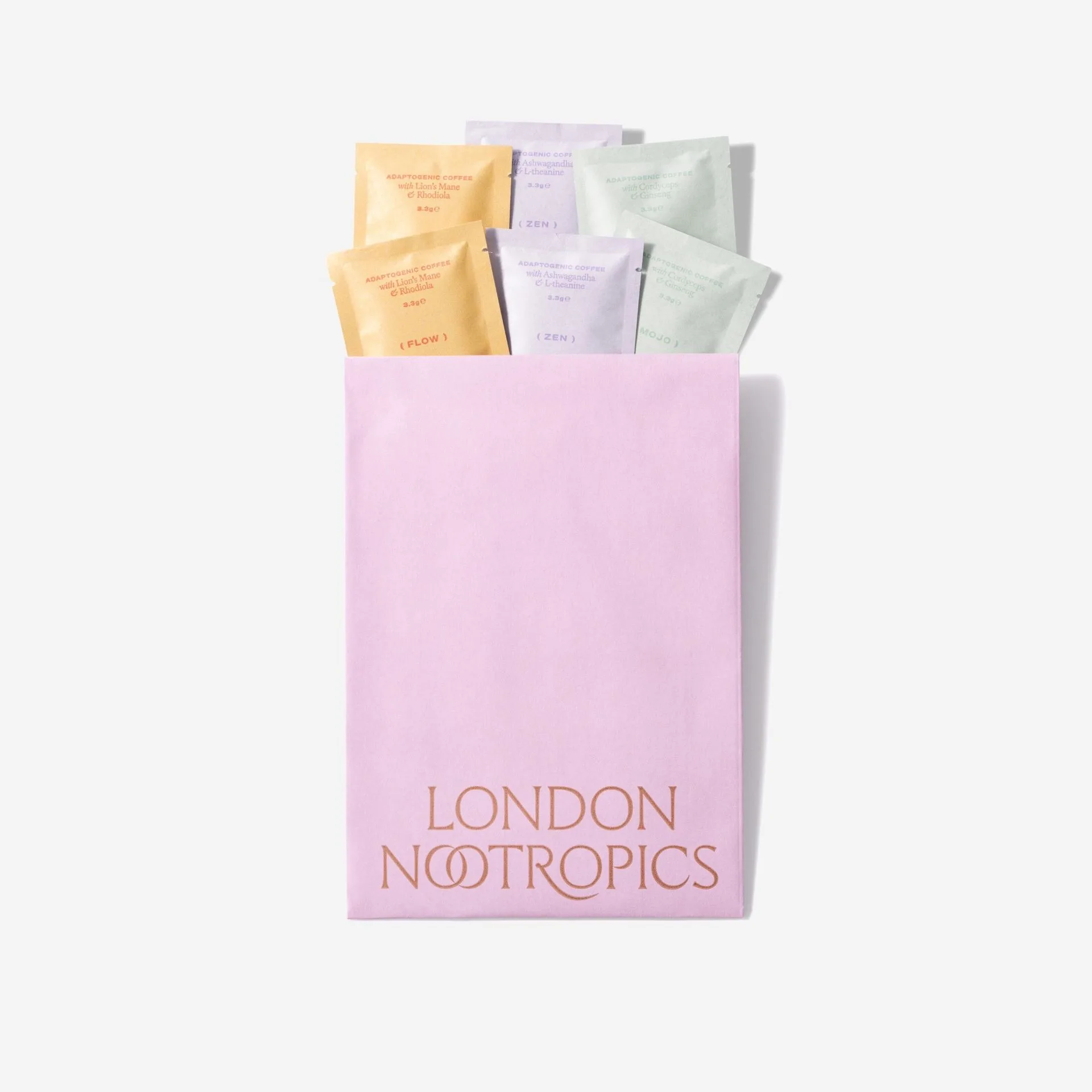
12 Sachet Refill
- Look for specific milligram amounts for each nootropic ingredient.
- Avoid products that only list a “proprietary blend” total without individual breakdowns.
3. Check the Serving Size and How to Use It
Serving size matters more than you think. Some brands recommend one scoop per cup, while others suggest two sachets for a stronger effect. The label should clearly state the serving size (e.g., 1 sachet = 12 g) and the number of servings per container. This helps you calculate cost per dose and avoid accidentally under- or over-consuming.
Also, pay attention to preparation instructions. Some nootropic coffees are designed to be mixed with hot water, while others work best with milk or a milk alternative. The London Nootropics Coffee Travel Cup - Blush Pink is a perfect example of a product that pairs convenience with clear usage guidelines — just add hot water and stir. A well-designed label will make preparation effortless, so you can enjoy your cognitive boost without guesswork.
- Compare the cost per serving across different brands.
- Look for clear brewing instructions on the label.
4. Look for Certifications and Quality Seals
Certifications like organic, non-GMO, gluten-free, and vegan are more than marketing buzzwords — they indicate that the product meets specific quality standards. For nootropic coffee, organic certification is especially important because mushrooms and coffee are both prone to absorbing pesticides and heavy metals from the soil. A certified organic label gives you peace of mind that your brew is clean.
Additionally, look for third-party testing seals or statements like “tested for purity and potency.” These show that the brand is willing to back up its claims with independent verification. When browsing London Nootropics products, you’ll notice many carry clear certifications, reinforcing their commitment to quality. Always prioritize brands that are transparent about their sourcing and testing.
- Organic certification is a must for mushroom coffee.
- Third-party testing ensures the label matches what’s in the package.
5. Beware of Marketing Hype vs. Real Science
Nootropic coffee is a booming market, and some brands rely on flashy claims like “brain-boosting superfuel” or “limitless focus” without backing them up. A pro label reader knows to separate hype from substance. Look for ingredients that have clinical studies supporting their cognitive benefits — lion’s mane for nerve growth factor, L-theanine for calm alertness, and cordyceps for energy.
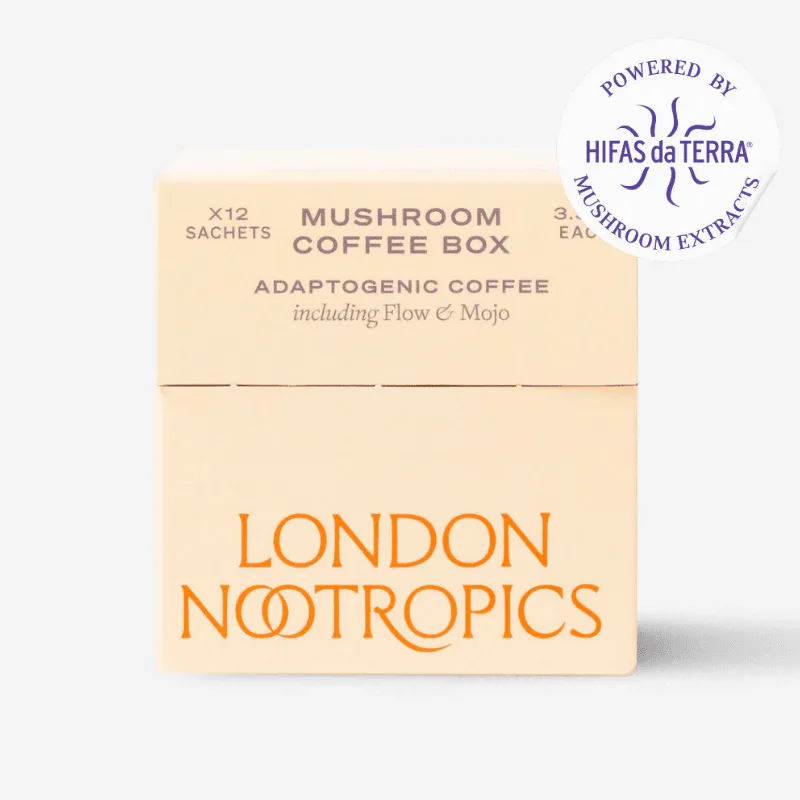
Also, watch for exaggerated caffeine amounts. While caffeine is a well-known nootropic, too much can cause jitters and crashes. A balanced nootropic coffee will have a moderate caffeine content (typically 50–100 mg per serving) paired with calming adaptogens. The London Nootropics Selection Box offers a variety of blends so you can sample different formulations and find what works for your body — a smart way to test real-world effects before committing to a larger purchase.
- Research the active ingredients on PubMed or reputable health sites.
- Start with a sampler or variety pack to see how your body responds.
Reading nootropic coffee labels doesn’t have to be intimidating. By focusing on ingredient transparency, proper dosages, serving sizes, certifications, and scientific backing, you can confidently choose a product that truly supports your cognitive goals. Ready to put your new skills to the test? Explore the London Nootropics Selection Box and taste the difference that quality labeling makes.