Quick Answer
To read off-road wheel specs, start with bolt pattern to confirm fitment, then use offset or backspacing to set clearance and stance. Offset is measured from the wheel's centerline in millimeters, while backspacing is the distance from the mounting surface to the inner lip in inches. Always verify both if you're changing wheel width.
Why Off-Road Wheel Specs Matter
Off-road wheel specs determine whether your wheels will bolt on, clear your brakes and suspension, and handle the way you expect on trails. Getting them wrong can cause rubbing, poor handling, or even unsafe contact with suspension components. That's why understanding offset, backspacing, and bolt pattern is essential before you buy.
Step 1: Identify Your Bolt Pattern
Bolt pattern is the number of lug holes and the diameter of the circle they sit on, written as lug count x diameter (e.g., 5x5.5 or 6x135). This is the first spec to check because it must match your vehicle's hub exactly. You can find it in your owner's manual or by measuring an existing wheel. A bolt pattern guide or wheel lug pattern chart can help, but always verify with a physical measurement.
Step 2: Understand Offset and Backspacing
Wheel offset explained: offset is the distance from the wheel's mounting surface to its centerline, measured in millimeters. Positive offset means the mounting surface is toward the outside (street wheels), negative offset means it's toward the inside (deep dish off-road wheels), and zero means it's exactly at the centerline. Backspacing vs offset: backspacing is the distance from the mounting surface to the inner edge of the wheel, measured in inches. Backspacing is easier to measure with a straight edge, while offset is more standardized across wheel widths. If you change wheel width, offset stays the same but backspacing changes, so you need to recalculate clearance.
Step 3: Measure Your Current Wheels
To measure backspacing, lay the wheel face down, place a straight edge across the inner lip, and measure from the mounting surface to the straight edge. For offset, use the formula: offset = backspacing - (wheel width / 2), then convert to millimeters (1 inch = 25.4 mm). Alternatively, measure from the hub to the wheel's centerline. Always measure in millimeters for offset and inches for backspacing to avoid confusion.
Step 4: Check Clearance and Fitment
Once you know your current specs, decide on new ones. A lower offset (more negative) pushes the wheel outward, increasing track width and stability but risking rubbing on fenders. Higher offset tucks the wheel in, which can cause inner clearance issues with suspension or brakes. Use a wheel offset calculator or consult a fitment expert. Remember that tire size also affects clearance, so consider the whole package.
Step 5: Verify Lug Hardware and Accessories
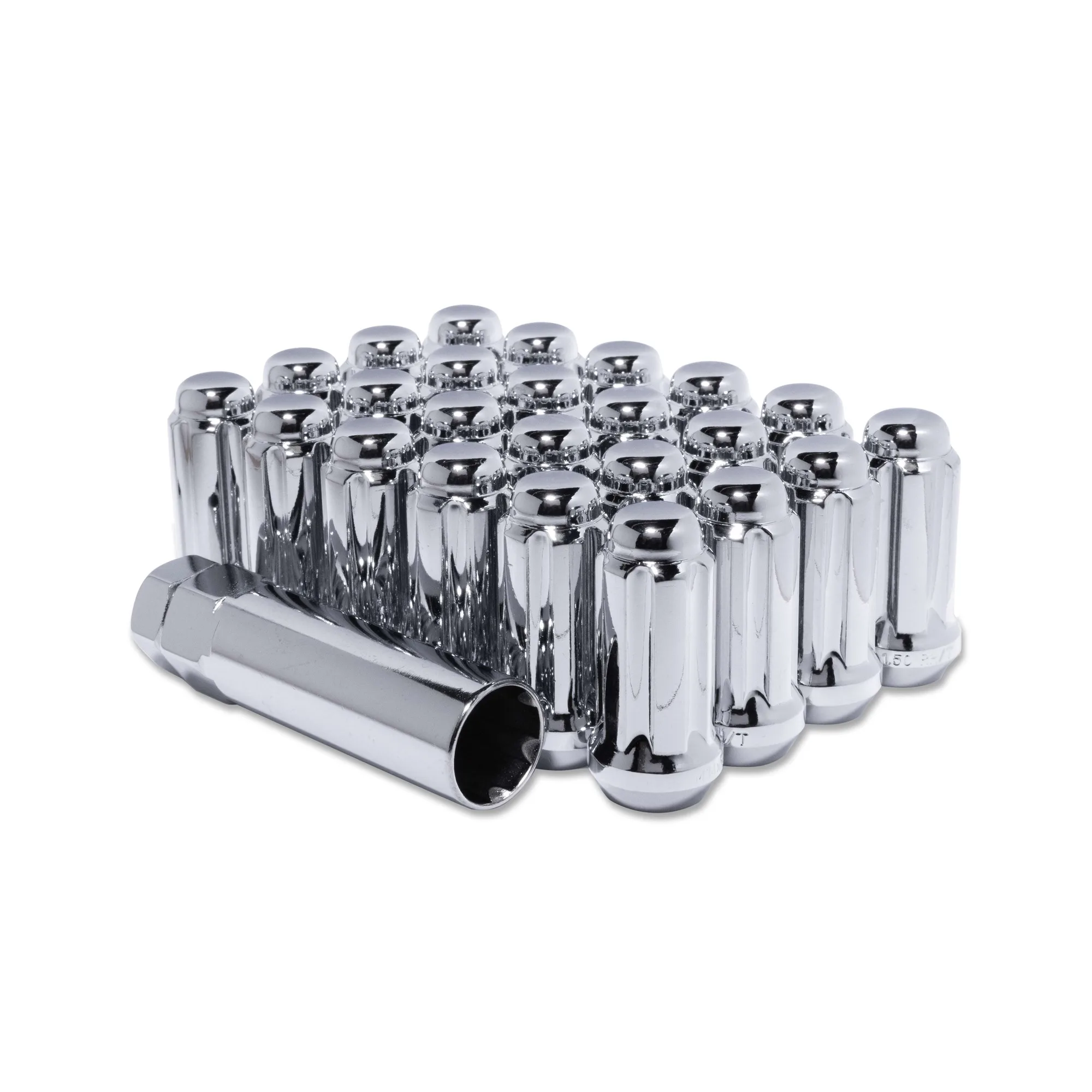
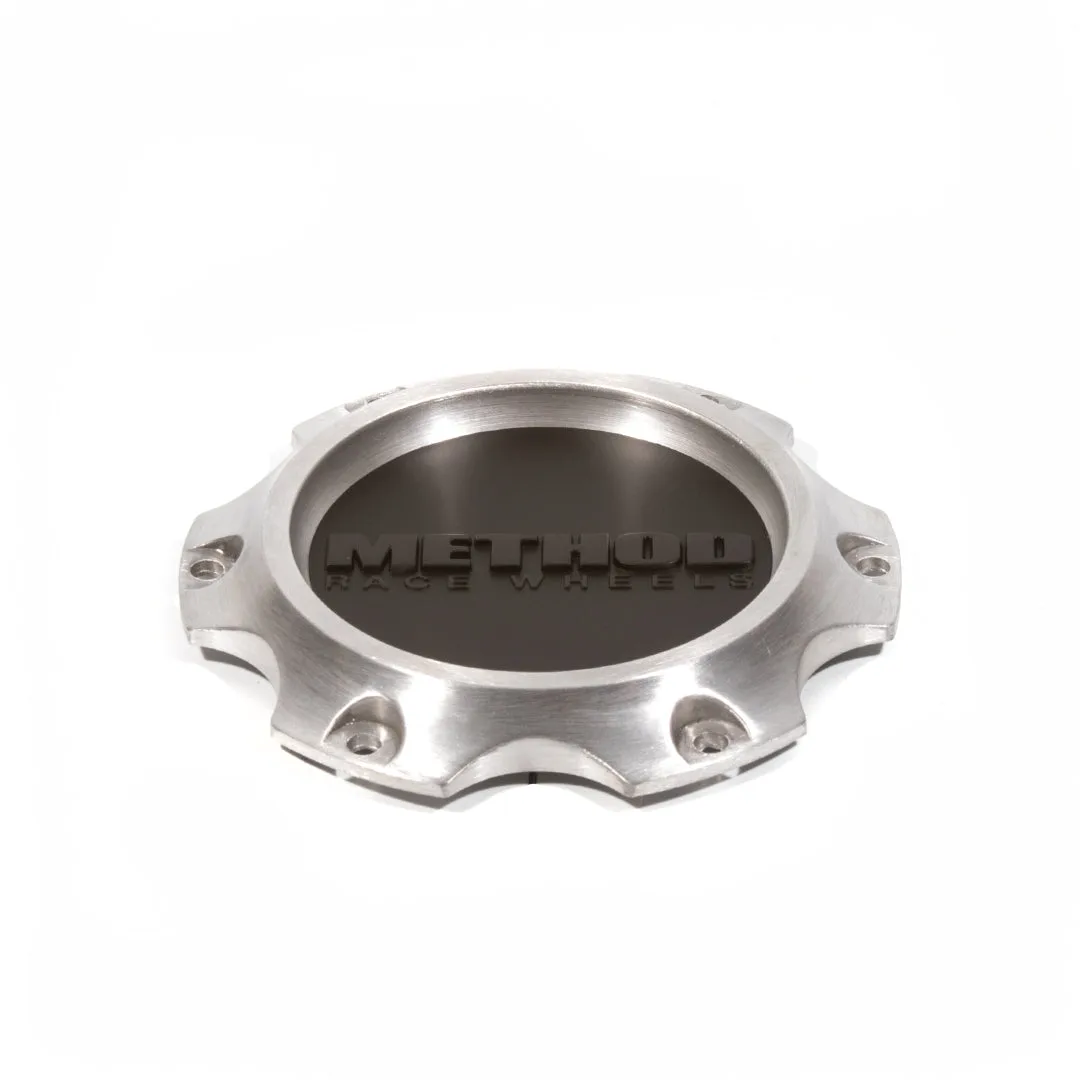
Lug nuts must match your wheel's seat type (cone, ball, or flat) and thread pitch. Method Race Wheels recommends spline lugs for easy installation. If you're buying new wheels, check if you need new lug nuts or center caps. For example, Method's screw-on center cap is cross-compatible with many of their wheels, but always confirm fitment.
Step-by-Step: How to Read Wheel Specs
- Locate the bolt pattern: Find the lug count and circle diameter on your wheel or in your manual. Common patterns include 5x5, 6x5.5, and 8x6.5. Checkpoint: Count the lugs and measure the distance across opposite lug holes to confirm.
- Measure backspacing: Place a straight edge across the inner wheel lip and measure from the mounting surface to the straight edge. Common mistake: Measuring from the outer lip instead of the inner lip.
- Calculate offset: Use the formula: offset = backspacing - (wheel width / 2). Convert to millimeters by multiplying inches by 25.4. Checkpoint: Positive offset means the mounting surface is outward; negative means inward.
- Compare to your vehicle's requirements: Check your owner's manual or online forums for the stock offset and backspacing. Stay within ±10mm offset to avoid clearance issues. Common mistake: Assuming all vehicles of the same model have identical specs.
- Test fit before buying: If possible, mount the wheel and tire on the vehicle and turn the steering wheel lock-to-lock to check for rubbing. Next step: If you can't test fit, consult a wheel fitment specialist.
Method Race Wheels Accessories to Complete Your Setup
- Center Cap | Screw-On | Brushed: Screw-on center cap with brushed aluminum ring, black push-in button, and embossed METHOD logo. Originally on Method 308, 605, 606, 610, 501, and 502 wheels, and cross compatible with many other Method Standard wheel styles. If you need a replacement or spare center cap, this one fits a wide range of Method wheels, ensuring a cohesive look.
- Lug Kit | 4 Wheels | Full Kit - Chrome: Lug kit for four wheels with chrome finish, closed end socket, and spline lugs. Includes lug key and appropriate number of lug nuts based on bolt pattern. Spline lugs are recommended for Method wheels and this kit provides everything needed for a complete installation on four wheels.