Quick Answer
To choose a truly fresh, high-quality olive oil, look for a harvest date (not just a best-by date), a grade like "extra virgin," and certifications such as PDO or PGI that verify origin. For everyday cooking, a robust EVOO with a recent harvest date offers the best flavor and value.
Standing in the olive oil aisle, you're faced with a wall of bottles. Some say 'extra virgin,' others boast 'cold-pressed' or 'first cold press.' A few mention harvest dates, while others carry logos you don't recognize. Understanding these label terms is the key to picking an olive oil that actually tastes fresh and delivers the health benefits you're paying for.
In this guide, we'll break down the most important label claims—harvest dates, grade terms, and certifications—and give you practical rules to apply next time you shop. We'll also show how these factors play out in real products, using examples from Brightland's lineup.
Why Harvest Dates Matter More Than Best-By Dates
Olive oil is a fresh product. Unlike wine, it doesn't improve with age. The harvest date tells you when the olives were picked and pressed, which is the true marker of freshness. A best-by date is typically set two years after bottling, but an oil's peak flavor and antioxidant levels decline significantly after the first year.
When you see a harvest date on a label, you know the oil is from a specific crop year. For example, an oil harvested in November 2025 is from that year's crop. The closer the harvest date is to the current date, the fresher the oil. If a bottle doesn't list a harvest date, it's often a sign that the producer isn't prioritizing freshness—or that the oil may be older.
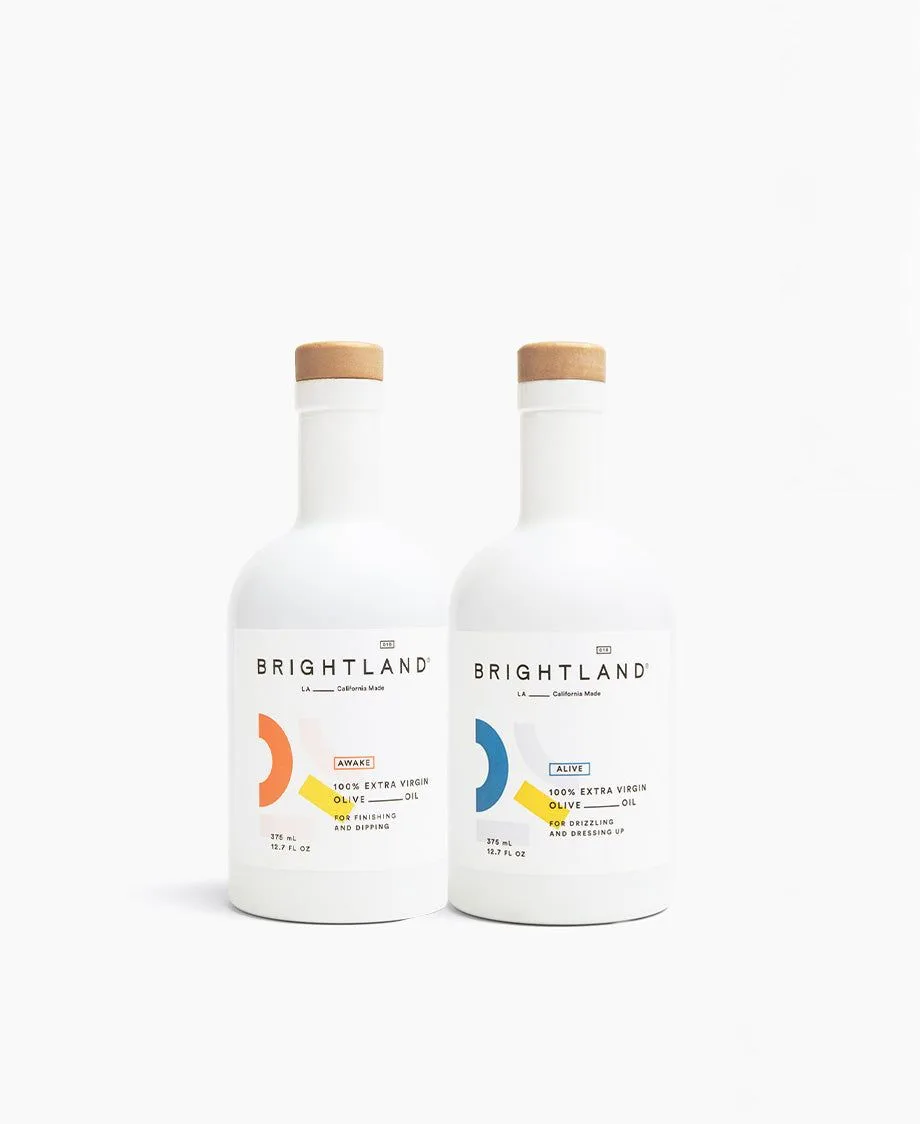
Look for a harvest date that is within the last 12 months for the best flavor. Some producers, like Brightland, print the harvest year on the bottle. For instance, their Awake Extra Virgin Olive Oil is made from early harvest olives, which are picked green and yield a more peppery, polyphenol-rich oil.
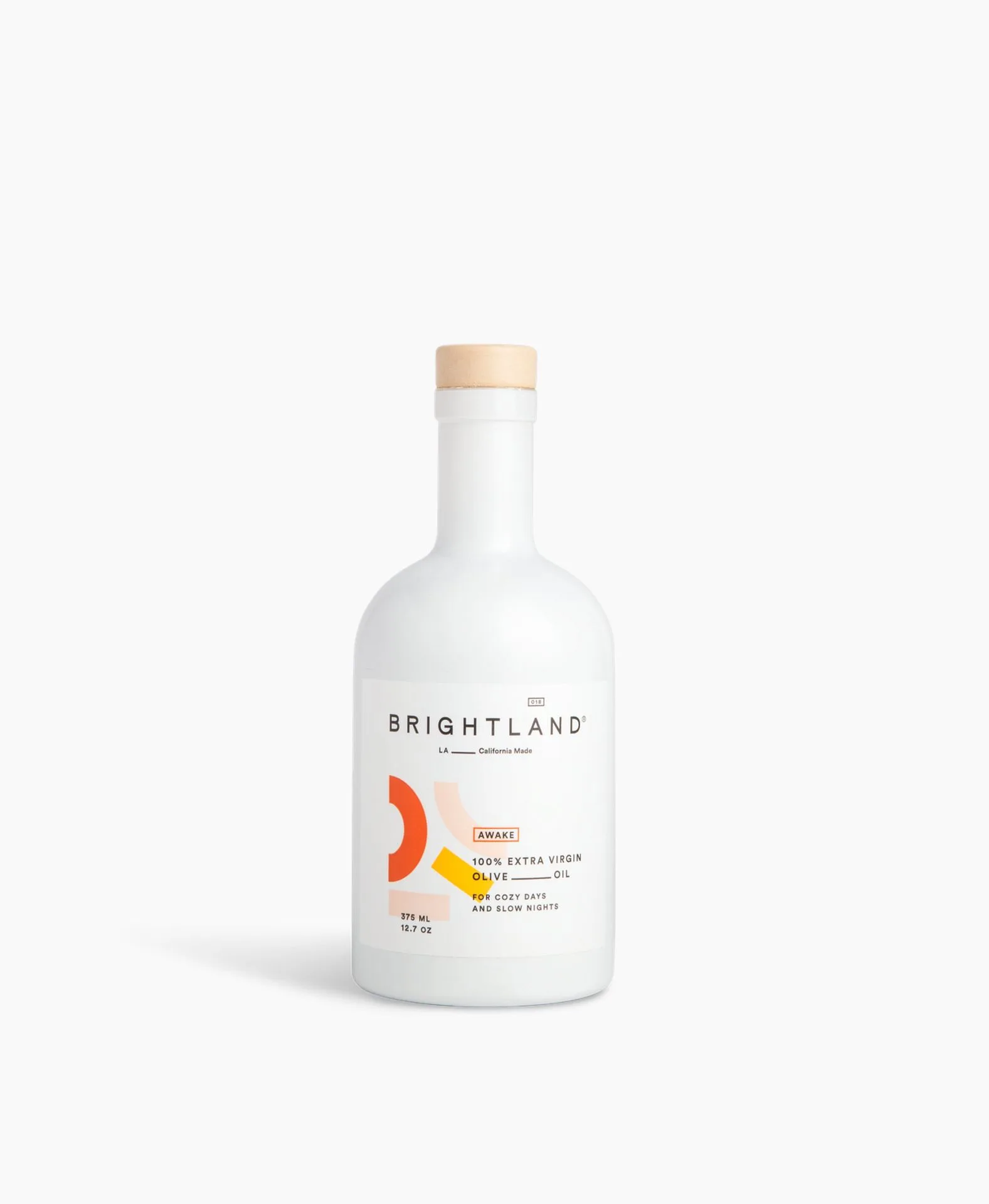
Awake Extra Virgin Olive Oil
- Check the harvest date: aim for within the last year.
- If no harvest date is listed, be wary—the oil could be old.
- Early harvest oils (like Awake) tend to have a more robust, peppery flavor.
Decoding Grade Terms: Extra Virgin, Virgin, and Beyond
The grade of olive oil is determined by chemical tests and sensory evaluation. 'Extra virgin olive oil' (EVOO) is the highest grade, meaning the oil is free of defects and has a fruity flavor, with acidity below 0.8%. 'Virgin olive oil' has slightly higher acidity and minor flavor defects. 'Pure' or 'light' olive oil is refined and lacks the health benefits and flavor of EVOO.
When you see '100% extra virgin olive oil' on a label, it means the bottle contains only EVOO, not a blend with refined oils. Some brands, like Brightland, emphasize this by stating '100% Extra Virgin Olive Oil' on their bottles. Their Awake EVOO, for example, is made from early harvest, cold-pressed California Arbosana and Lecciana olives, giving it a vivid peppery bite.
Be cautious of terms like 'cold-pressed' or 'first cold press.' While they indicate the oil was extracted without heat, they don't guarantee quality. All extra virgin olive oils are cold-pressed by definition, so this is more of a marketing reassurance than a differentiator.
- Always look for 'extra virgin' as the grade.
- Avoid oils labeled 'light' or 'pure'—they're refined.
- Check for '100% extra virgin' to ensure no blending.
Certifications: PDO, PGI, and Other Seals
Geographical indications like PDO (Protected Designation of Origin) and PGI (Protected Geographical Indication) are European certifications that tie a product to a specific region and production method. PDO is stricter: the entire process—from growing to bottling—must occur in the designated region. PGI is more flexible, allowing some steps elsewhere. These labels help protect traditional products and guarantee authenticity.
For example, Brightland's Castelvetrano Extra Virgin Olive Oil is pressed from Nocellara del Belice olives in Sicily's Valle del Belice. While it doesn't carry a PDO label, it is a single-origin, single-varietal oil that reflects the region's character. If you see a PDO or PGI seal, it's a sign of traceability and quality, but its absence doesn't mean the oil is poor—especially for non-European producers.
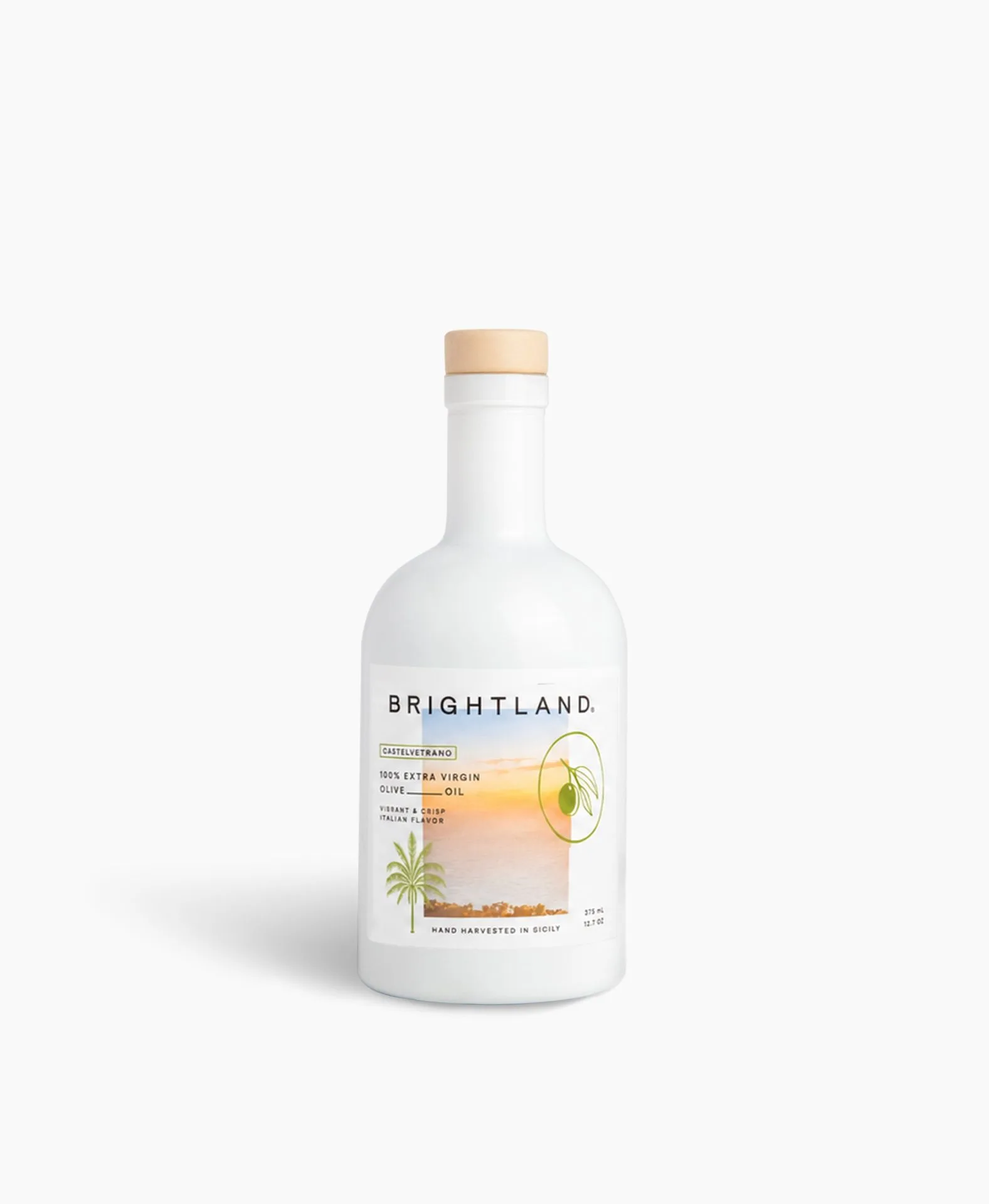
Castelvetrano Extra Virgin Olive Oil
Other certifications to look for include organic, non-GMO, and kosher. These are about farming practices and processing. While not directly related to freshness, they can indicate a producer's commitment to quality and transparency.
- PDO and PGI are European origin certifications; PDO is more rigorous.
- Absence of PDO/PGI doesn't mean low quality—check for origin info.
- Organic and non-GMO seals address farming, not freshness.
Decision Rules for Choosing Olive Oil
- Rule 1: Prioritize Harvest Date: Look for a harvest date within the last 12 months. If absent, consider it a red flag and prefer brands that disclose it. Freshness is the #1 indicator of quality.
- Rule 2: Check the Grade: Choose 'extra virgin' and verify it's 100% EVOO. Avoid 'light' or 'pure' oils. Grade determines flavor and health benefits.
- Rule 3: Understand Certifications: PDO/PGI are nice but not essential. Look for origin information on the label to ensure traceability. Certifications are helpful, not mandatory.
Brightland Product Facts
- Awake Extra Virgin Olive Oil: Awaken your taste buds with our most robust, highest polyphenol 100% Extra Virgin Olive Oil. Made with love from early harvest, cold-pressed California Arbosana and Lecciana olives, Awake is milled with intention for peak freshness and a vivid peppery bite. The early harvest and high polyphenol content mean a fresher, more peppery oil that stands up to bold dishes and delivers more antioxidants.
- Castelvetrano Extra Virgin Olive Oil: Your favorite snacking olive, pressed. Back by popular demand after selling out twice: Castelvetrano is a vibrant, crisp, 100% extra virgin olive oil pressed from Nocellara del Belice olives. Lovingly hand-harvested early and cold-pressed in Sicily's Valle del Belice, this single-origin, single-varietal EVOO will transport you to the hillsides of Sicily with every pour. Single-origin and single-varietal oils like this offer a distinct flavor profile that reflects a specific place—great for finishing dishes or drizzling.
Which Oil Should You Choose?
Best for
- Cooks who want a robust, peppery oil for everyday drizzling and dipping (e.g., Awake EVOO)
- Foodies seeking a single-origin, single-varietal oil for finishing and tasting (e.g., Castelvetrano EVOO)
Not for
- Those who prefer a mild, neutral oil for high-heat cooking—choose a refined or light olive oil instead
- Budget shoppers who don't want to pay a premium for freshness and origin
Reading olive oil labels doesn't have to be confusing. By focusing on harvest dates, grade terms, and certifications, you can confidently pick a bottle that delivers fresh flavor and quality. Whether you choose a robust EVOO for cooking or a delicate single-origin for finishing, understanding the label is your first step to a better olive oil experience.