Walking through the supplement aisle or scrolling through an online store can be overwhelming when you're faced with dozens of protein powder options. Every tub promises muscle growth, recovery, and great taste. But the real story is on the label. Understanding how to read a protein powder label is essential for choosing a product that aligns with your health goals, dietary needs, and taste preferences.
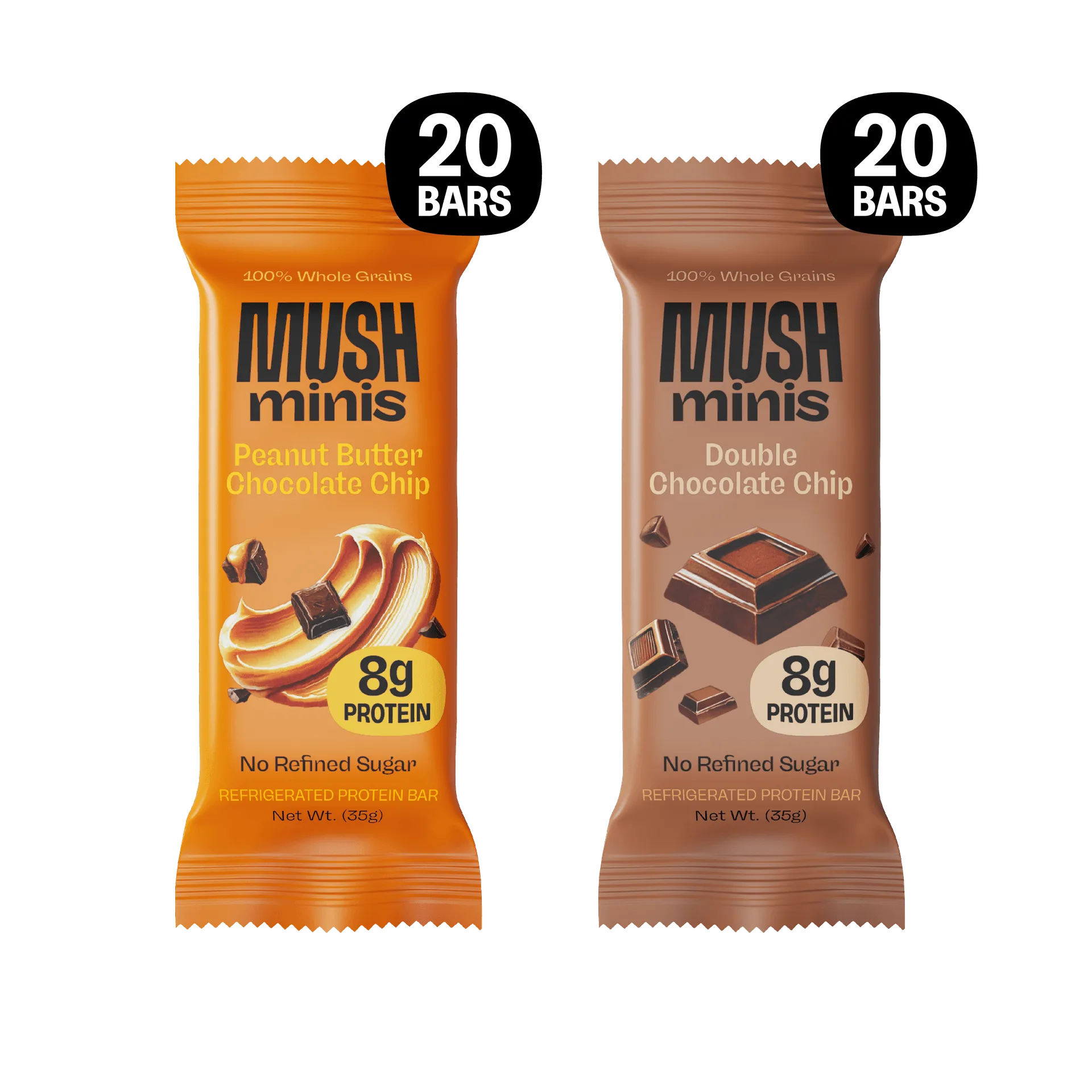
Single flavor protein powders, like Mocha Latte or https://simpleplate.shop/products/peanut-butter-chocolate-chip-78708https://simpleplate.shop/products/peanut-butter-chocolate-chip-78720https://simpleplate.shop/products/peanut-butter-chocolate-chip-78723Peanut Butter Chocolate Chip, simplify the decision-making process by focusing on one delicious profile. However, even within this category, ingredient lists vary widely. In this guide, we'll break down the key components to look for, explain the difference between whey and casein, and help you identify quality markers that matter.
Why the Ingredient List Matters More Than the Nutrition Panel
Many shoppers fixate on the protein grams per serving, but the ingredient list reveals the true quality of a protein powder. Ingredients are listed in descending order by weight, so the first few items make up the bulk of the product. For a single flavor protein powder, you want to see a high-quality protein source as the first ingredient—such as whey protein concentrate, whey protein isolate, or micellar casein. Avoid products where sugar, fillers, or artificial flavors appear near the top.
Also watch for hidden additives like maltodextrin, gums, and artificial sweeteners that can affect texture and digestion. A clean label with recognizable ingredients often indicates a more premium product. For example, a single flavor protein powder like Banana Bread should list banana powder or natural flavor as a minor ingredient, not as a primary filler.
- Look for a protein source as the first ingredient (e.g., whey isolate, casein).
- Avoid products with sugar, maltodextrin, or hydrogenated oils in the top five ingredients.
- Choose brands that use natural flavors and minimal additives.
Whey vs. Casein: Which Protein Source Is Right for You?
Two of the most common protein sources in single flavor protein powders are whey and casein. Both are derived from milk, but they digest at different rates. Whey protein is fast-absorbing, making it ideal for post-workout recovery. It spikes amino acid levels quickly, which helps repair muscle tissue. Casein, on the other hand, digests slowly, providing a steady release of amino acids over several hours. This makes it a great choice for a nighttime shake or meal replacement.
Some products blend both to offer the benefits of each. For instance, a single flavor protein powder like Maple Cinnamon might combine whey concentrate and micellar casein to support both immediate and sustained protein delivery. Understanding this difference helps you pick the right powder for your schedule and fitness goals.
- Whey: fast digestion, best post-workout.
- Casein: slow digestion, ideal before bed or between meals.
- Blends offer versatility but check the ratio to match your needs.
Key Ingredients That Signal Quality in Single Flavor Protein Powders
Beyond the protein source, several other ingredients can indicate a high-quality product. Look for digestive enzymes like lactase or protease, which help break down lactose and protein, reducing bloating. Also check for added fiber, such as inulin or chicory root, which can improve satiety and gut health. Natural sweeteners like stevia or monk fruit are preferable to artificial ones like sucralose or aspartame.
Flavoring is another clue. A single flavor protein powder like Birthday Cake should rely on natural flavors and a touch of vanilla extract rather than a long list of chemical additives. The best products also avoid hydrogenated oils and trans fats. If you see "grass-fed" or "non-GMO" on the label, those are additional markers of quality that many consumers seek.
- Digestive enzymes (lactase, protease) improve tolerance.
- Fiber additives (inulin, chicory root) support fullness.
- Natural sweeteners (stevia, monk fruit) are healthier choices.
- Grass-fed and non-GMO labels indicate higher sourcing standards.
How to Spot Hidden Sugars and Fillers
Even single flavor protein powders can contain surprising amounts of added sugar. Sugar goes by many names on labels: cane sugar, brown rice syrup, dextrose, maltodextrin, and fruit juice concentrate. Aim for products with less than 5 grams of sugar per serving. Some powders use sugar alcohols like erythritol or xylitol, which are lower in calories but can cause digestive discomfort in large amounts.
Fillers like maltodextrin and cellulose gum add bulk but offer no nutritional value. They can also make your shake feel chalky or thick. A quality single flavor protein powder like Dark Chocolate should have a short ingredient list—protein, cocoa, natural flavor, and a sweetener. If you see more than 10 ingredients, it's worth scrutinizing each one.
- Watch for hidden sugars: cane sugar, dextrose, maltodextrin.
- Limit sugar alcohols if you have a sensitive stomach.
- Short ingredient lists (under 10 items) are usually better.
Reading the Nutrition Facts: Protein Per Serving and Beyond
The nutrition facts panel tells you how much protein you're getting per scoop. For most active adults, 20–30 grams per serving is a good target. But also check the serving size—some brands use a large scoop to inflate the numbers. Look at the calories per gram of protein: a ratio of 10–15 calories per gram of protein is typical for a lean powder. Higher ratios may indicate more fat or carbs.
Don't ignore the micronutrients. Some single flavor protein powders are fortified with calcium, iron, or vitamin D. These can be beneficial if you have dietary gaps. For example, a product like Apple Pie might include cinnamon extract (an antioxidant) and a touch of calcium. Use the label to see if you're getting more than just protein.
- Aim for 20–30g protein per serving.
- Check serving size—some brands use large scoops.
- Look for added vitamins and minerals for extra value.
By learning to read protein powder labels, you can choose a single flavor protein powder that truly supports your health and fitness journey. Focus on the ingredient list, protein source, and sugar content to find a clean, effective product. Ready to try a high-quality option? Explore our Mocha Latte single flavor protein powder for a delicious and nutritious choice that checks all the boxes.