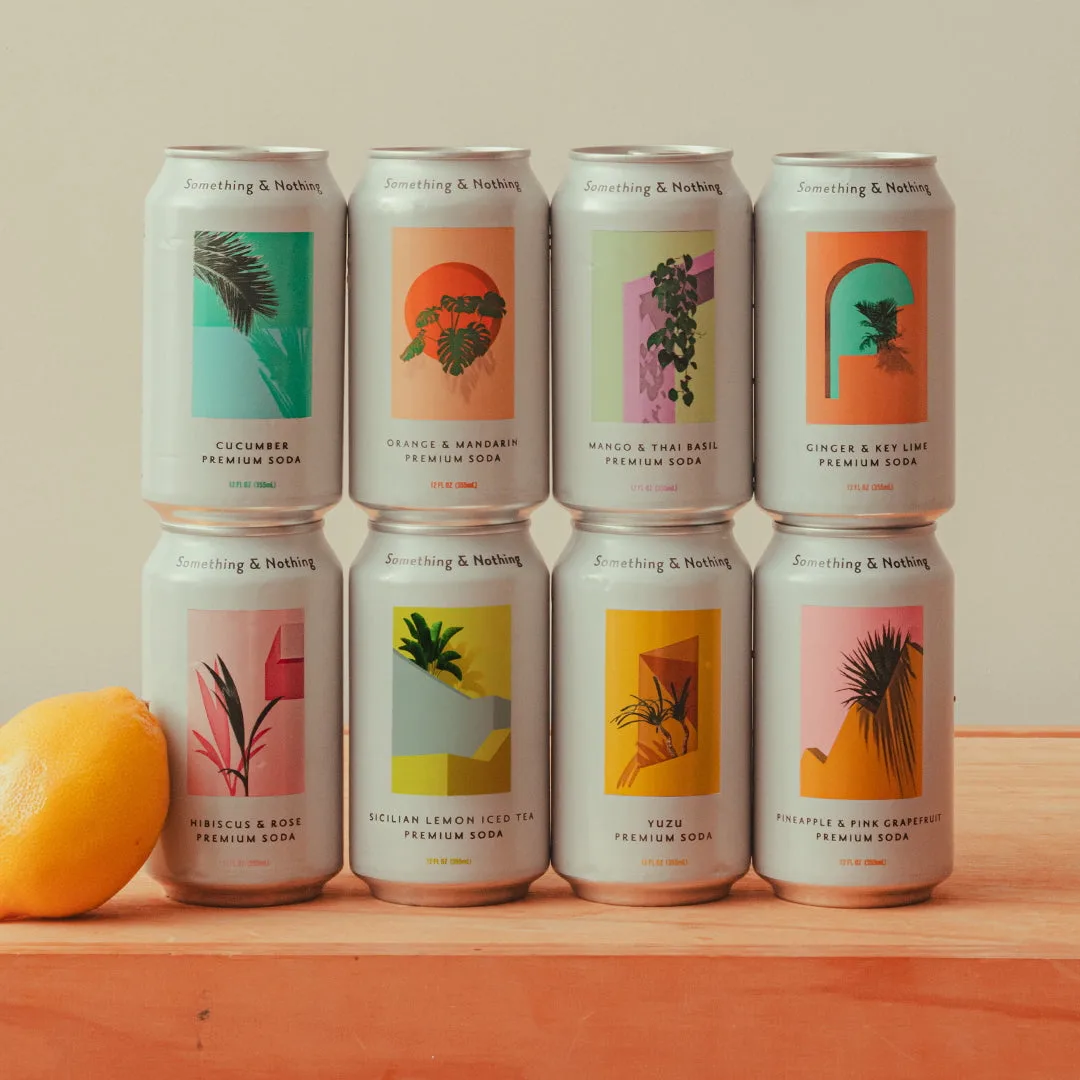
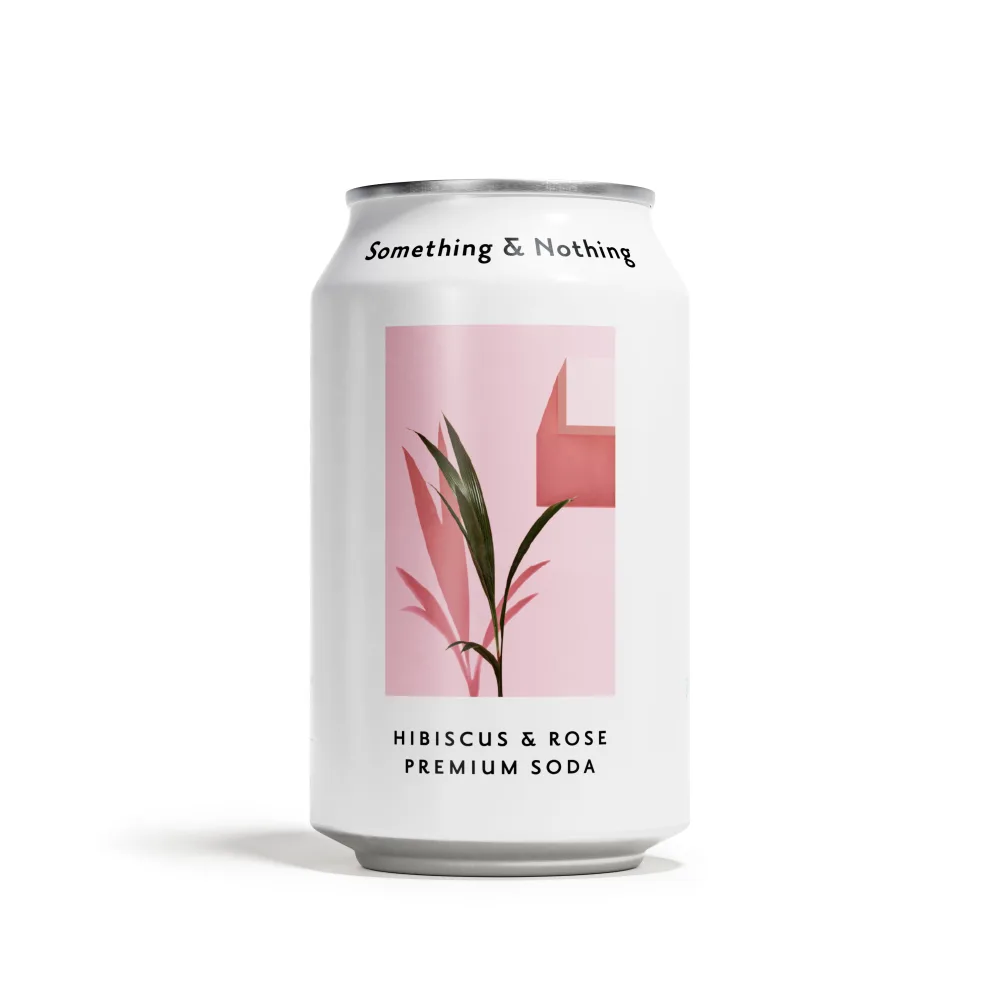
Walking down the beverage aisle can feel like decoding a secret language. With bold claims like "natural," "low sugar," and "craft brewed," it is easy to get lost in the marketing noise. But if you care about what goes into your body, learning to read soda labels is an essential skill. Whether you are a health-conscious consumer or a curious flavor explorer, understanding ingredients, nutrition facts, and label claims empowers you to choose drinks that align with your values.
Premium sodas, like those from Something & Nothing, often stand out for their transparency and high-quality ingredients. However, not all labels are created equal. This guide will walk you through the key sections of a soda label, highlight what to look for and what to avoid, and help you make smarter, more satisfying choices. By the end, you will be able to spot a truly premium soda from a mass-produced one at a glance.
Decoding the Ingredient List: What’s Really Inside Your Soda?
The ingredient list is your first clue to a soda’s quality. Ingredients are listed in descending order by weight, meaning the first few items make up the bulk of the drink. In most conventional sodas, you will find carbonated water, high-fructose corn syrup or sugar, caramel color, phosphoric acid, and natural or artificial flavors. Premium sodas, on the other hand, often use real cane sugar, fruit juices, and botanical extracts.
Look for recognizable, whole-food ingredients. For example, Something & Nothing’s Cucumber soda features real cucumber juice and a blend of botanicals, avoiding artificial additives. If you see a long list of chemical-sounding names, it is a sign the product is heavily processed. Also, watch for hidden sugars like dextrose, maltose, or agave nectar, which can add up quickly. A short, clean ingredient list is usually a hallmark of quality.
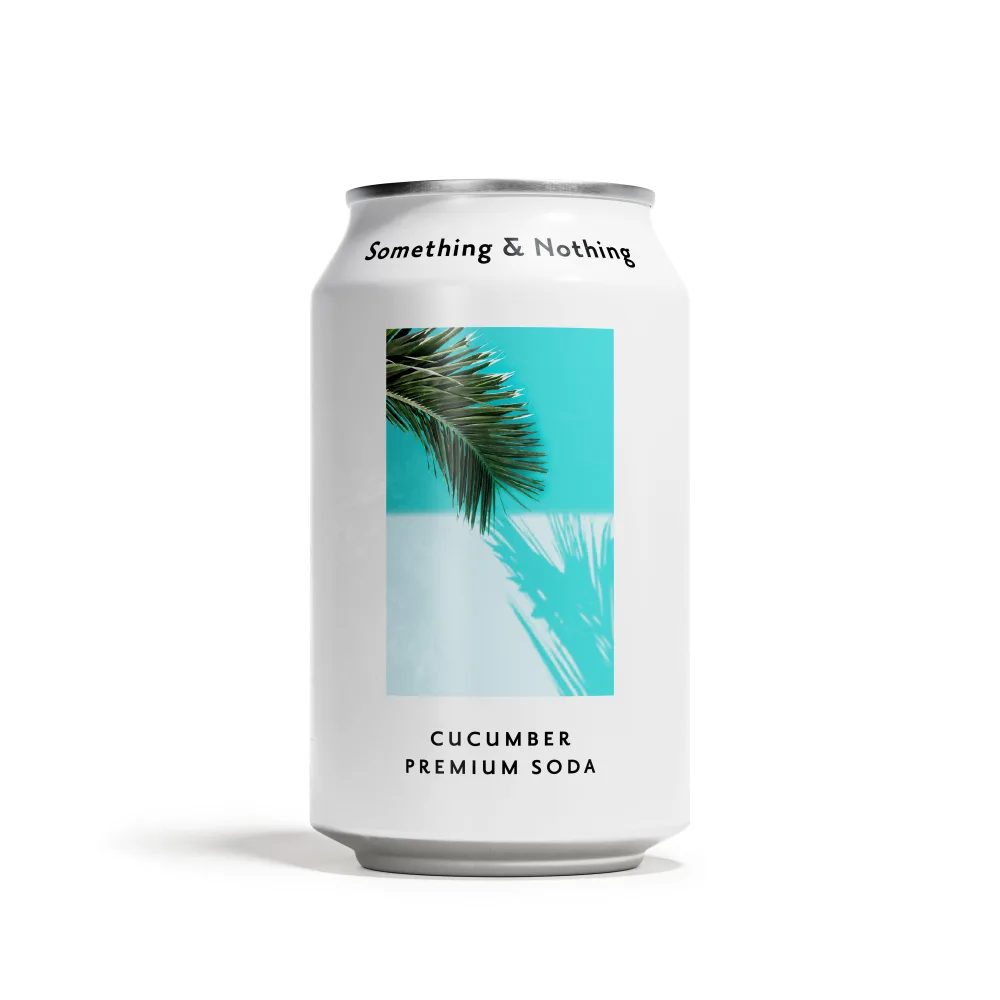
Cucumber
- Check the first three ingredients — they reveal the soda’s foundation.
- Avoid artificial colors and preservatives like Red 40 or sodium benzoate.
- Look for specific fruit or botanical extracts instead of vague "natural flavors."
Nutrition Facts: Beyond Calories and Sugar
The nutrition facts panel is where many shoppers focus, but it offers more than just calorie counts. Pay attention to serving size — some bottles contain two or more servings, so the numbers you see may double or triple. Total sugars are important, but also check for added sugars, which the FDA now requires to be listed separately. The American Heart Association recommends limiting added sugars to 36 grams per day for men and 25 grams for women.
Premium sodas often contain less sugar and no artificial sweeteners. For instance, Something & Nothing’s Ginger & Lime soda uses real ginger and lime juice with a modest amount of cane sugar, providing a crisp, refreshing taste without overloading on sweetness. Also, look at sodium content — some sodas add salt for flavor, which can be a concern for those monitoring blood pressure. A well-crafted premium soda should have a balanced, moderate nutritional profile.
- Always check serving size — a small bottle may contain two servings.
- Compare added sugars to your daily limit to avoid overconsumption.
- Low sodium is generally better, especially if you drink soda regularly.
Marketing Claims: What Do “Natural,” “Craft,” and “Premium” Really Mean?
Terms like "natural," "craft," and "premium" are not strictly regulated, so they can be used loosely. "Natural" generally means no artificial ingredients or added colors, but it does not guarantee low sugar or organic. "Craft" often implies small-batch production and unique flavors, but mass-produced brands sometimes co-opt the term. "Premium" typically indicates higher-quality ingredients and more thoughtful recipes.
To cut through the hype, look beyond the front label. Check the back for certifications like organic, non-GMO, or fair trade. Also, read the brand’s story — companies like Something & Nothing are transparent about their sourcing and production methods. Their Escape the Everyday Cap and Travel Hoodie even reflect a lifestyle of mindful consumption. When a brand backs its claims with real ingredients and ethical practices, you can trust the label.
- Look for third-party certifications (e.g., USDA Organic, Non-GMO Project).
- Research the brand’s mission and ingredient sourcing online.
- Don’t be fooled by buzzwords — always verify with the ingredient list.
Understanding Deposit Fees and Packaging Labels
Many premium sodas come in glass bottles, which are better for the environment and preserve flavor. In some regions, you will see a deposit fee (often called pfand-151359">Pfand) added to the price. This is not a tax but a refundable deposit that encourages recycling. Understanding this label helps you avoid overpaying and ensures you return bottles for a refund.
Something & Nothing uses glass bottles with a deposit system to reduce waste. When you purchase their sodas, you may notice a Pfand charge at checkout. This small fee is fully refundable when you return the bottle, making it a sustainable choice. Always check if your local store participates in bottle return programs — it is an easy way to support eco-friendly practices while enjoying premium beverages.
- Deposit fees are refundable — keep your receipts or return bottles to participating stores.
- Glass bottles are infinitely recyclable and keep soda carbonated longer.
- Look for packaging labels that indicate recyclability or deposit eligibility.
Reading soda labels does not have to be overwhelming. By focusing on ingredient lists, nutrition facts, and honest marketing claims, you can choose beverages that taste great and align with your health goals. Next time you reach for a premium soda, take a moment to scan the label — your body and taste buds will thank you. Explore Something & Nothing’s Ginger & Lime soda for a clean, flavorful option that checks all the boxes.