Walking down the supplement aisle can feel overwhelming. With hundreds of tubs and packets, each boasting bold claims, how do you know what you're actually putting into your body? The answer lies in the label. Learning how to read supplement labels is a crucial skill for anyone serious about fitness and nutrition. It empowers you to choose products that align with your goals and avoid hidden ingredients that might not serve you.
In this beginner's guide, we'll break down the supplement facts panel, decode the ingredient list, and highlight red flags to watch for. Whether you're examining a pre-workout label or a protein label, you'll walk away with the confidence to make smarter choices. Let's dive in.
The Supplement Facts Panel: Your Starting Point
The supplement facts panel is the most important section of any label. It lists serving size, servings per container, and the amount of each nutrient. Start by checking the serving size—this tells you how much you need to consume to get the listed nutrients. For example, a pre-workout scoop might be 10 grams, but if you take two scoops, you're doubling the caffeine and other stimulants.
Pay attention to the calories and macronutrients if you're tracking intake. Some protein powders contain added carbohydrates and fats, which can be beneficial for bulking but not ideal for cutting. Also, note the 'Other Ingredients' section below the main panel; this includes fillers, sweeteners, and artificial colors that you might want to avoid.
- Always check the serving size—it's easy to misjudge how much you're actually taking.
- Look at the 'Other Ingredients' to spot unnecessary additives.
Decoding the Ingredient List: What to Look For
The ingredient list is where the truth lies. Ingredients are listed in descending order by weight, so the first few are the most abundant. For a pre-workout, you'll often see caffeine, beta-alanine, and citrulline malate near the top. These are proven performance enhancers. However, watch out for proprietary blends—they hide exact doses, making it impossible to know if you're getting an effective amount.
For protein powders, look for a simple list: protein isolate, natural flavors, and maybe a sweetener like stevia. Avoid products with long lists of artificial ingredients. A quality protein label should be transparent about the source—whey isolate is typically higher in protein and lower in lactose than concentrate.
- Avoid proprietary blends; they mask ingredient amounts.
- Choose products with recognizable, minimal ingredients.
Understanding Common Supplement Claims
Labels are full of marketing claims like 'clinically dosed' or 'pharmaceutical grade.' While some are legitimate, others are just buzzwords. For instance, 'clinically dosed' means the ingredients are present in amounts shown to be effective in studies. This is a good sign, especially for pre-workouts. 'Pharmaceutical grade' is less regulated and doesn't guarantee quality.
Also, be wary of 'proprietary blend' claims—they often hide under the guise of 'advanced technology.' Instead, look for products that list exact amounts of key ingredients. For example, a good pre-workout will clearly state how much caffeine and beta-alanine you're getting per scoop.
- Search for 'clinically dosed' labels for proven effectiveness.
- Be skeptical of vague terms like 'proprietary blend'.
Applying Your Knowledge: Pre-Workout and Protein Labels
Now let's put this into practice. When you pick up a pre-workout like Mr. Hyde Infinite Fully Dosed Pre-Workout, you should immediately check the caffeine content and whether it's from natural sources like green tea extract or synthetic. Also, see if it includes beta-alanine for endurance and citrulline for pumps. A transparent label will list these clearly.
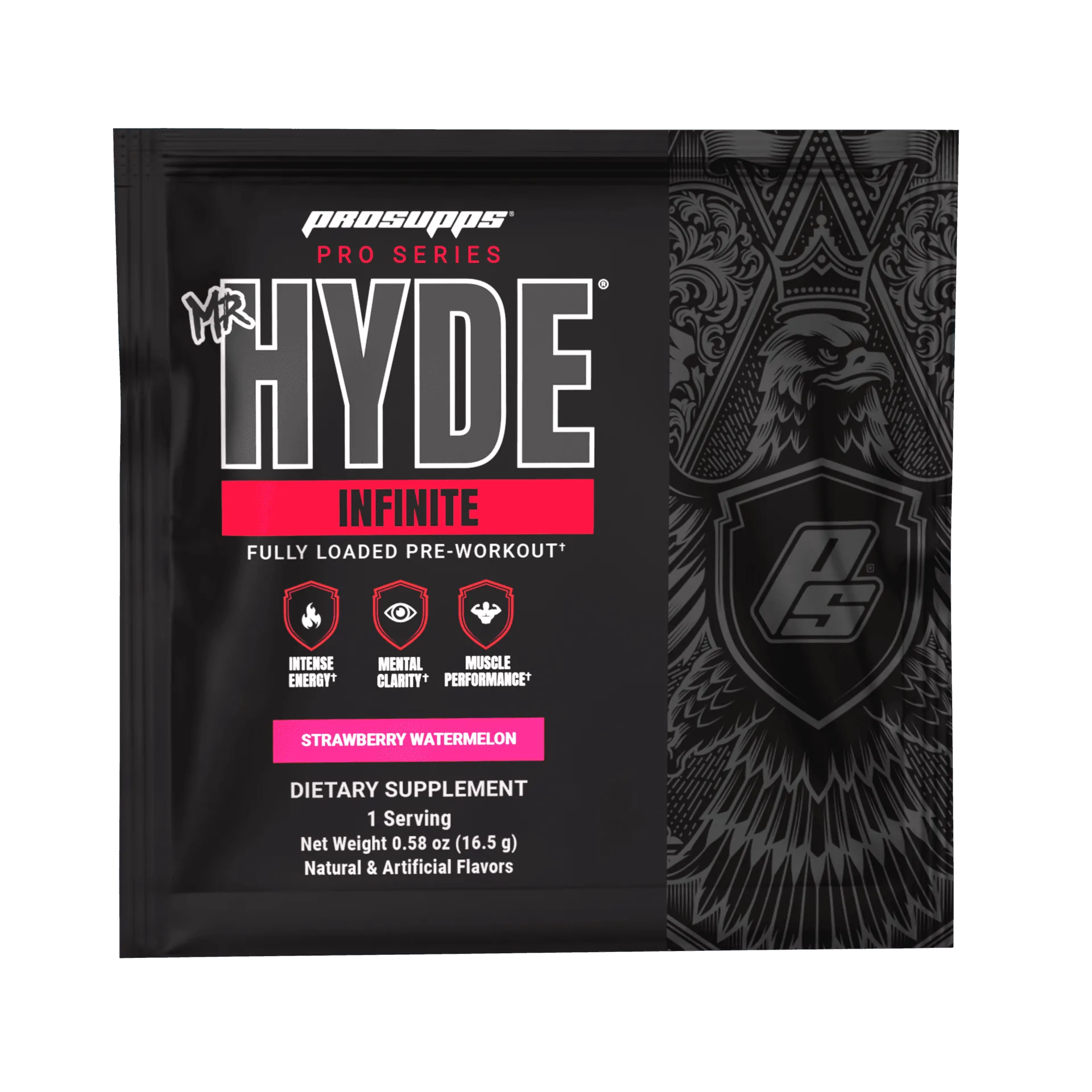
Mr. Hyde Infinite Fully Dosed Pre-Workout
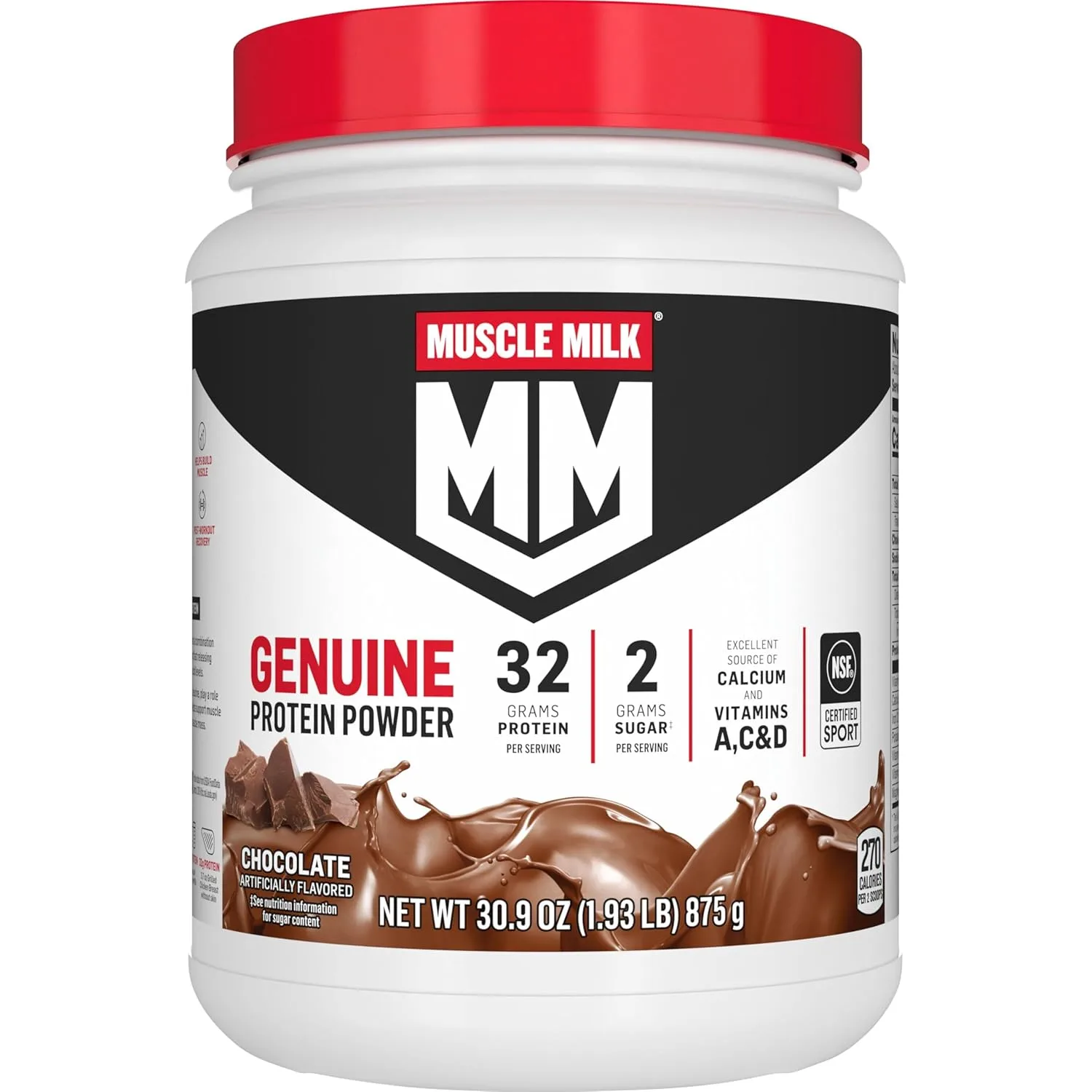
For protein, consider Isolate Protein. Look at the protein content per serving—it should be at least 20 grams for a quality product. Also, check the amino acid profile, especially BCAAs, which support muscle recovery. Avoid proteins with excessive sugar or fillers that add calories without nutritional value.
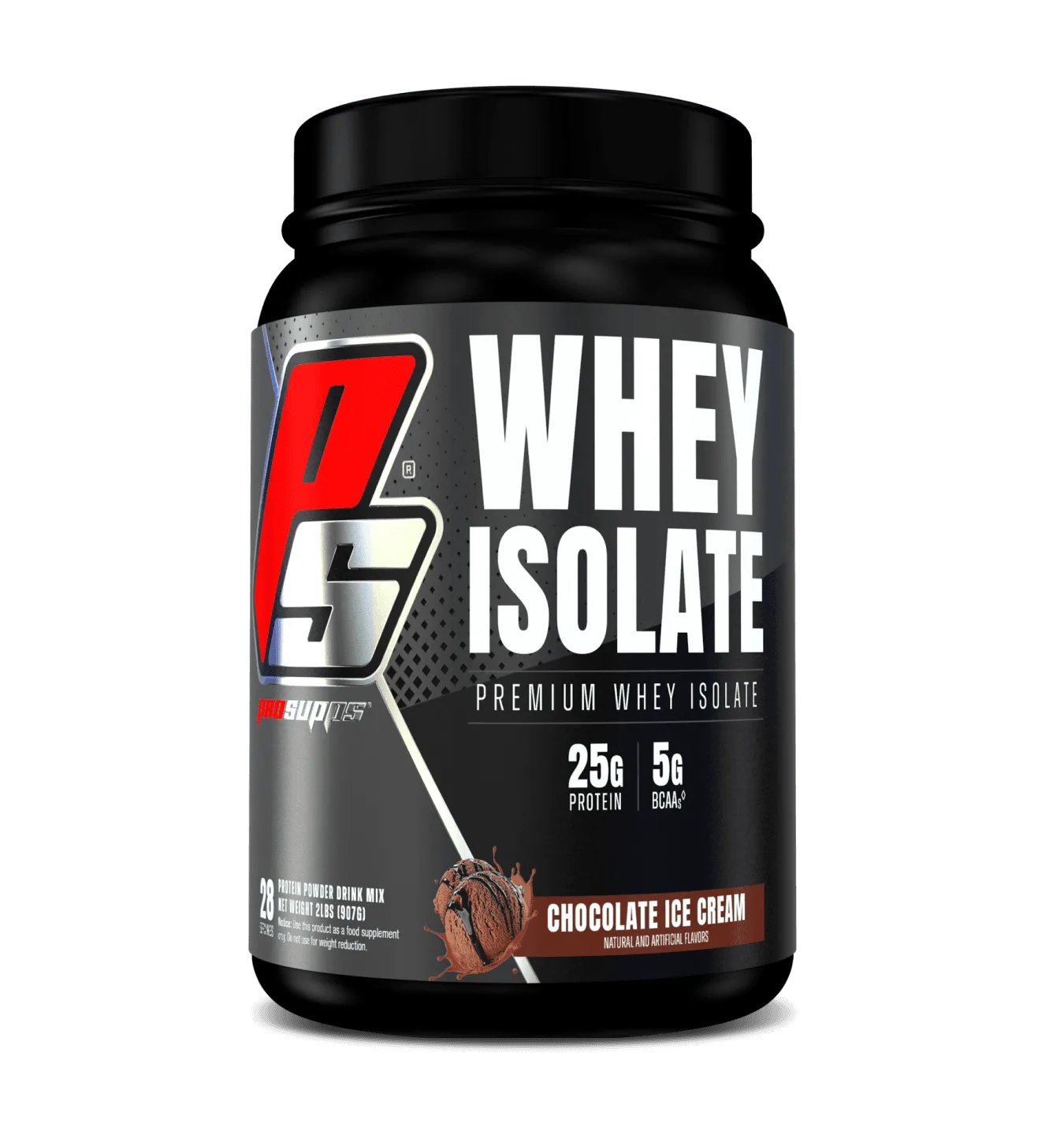
Isolate Protein
- Compare caffeine amounts across pre-workouts to find your sweet spot.
- Aim for at least 20g protein per serving in a protein powder.
Learning how to read supplement labels is a skill that pays off in better results and safer choices. By understanding the facts panel, ingredient list, and common claims, you can confidently select supplements that match your fitness journey. Remember, knowledge is power—so next time you're shopping, take a minute to read the label before you buy. For a great starting point, check out a product like Mr. Hyde Infinite Fully Dosed Pre-Workout and practice your new skills.