Turmeric has earned its reputation as a powerful wellness staple, but not all turmeric supplements are created equal. The difference between a high-quality product and a disappointing one often comes down to what’s printed on the label. If you’ve ever stood in the supplement aisle feeling overwhelmed by terms like “curcuminoids,” “standardized extract,” and “bioperine,” you’re not alone.
In this guide, we’ll break down exactly how to read a turmeric curcumin supplement label like a pro. You’ll learn what to look for, what to avoid, and how to spot a product that delivers real benefits. By the end, you’ll be able to walk into any store or browse online with total confidence.
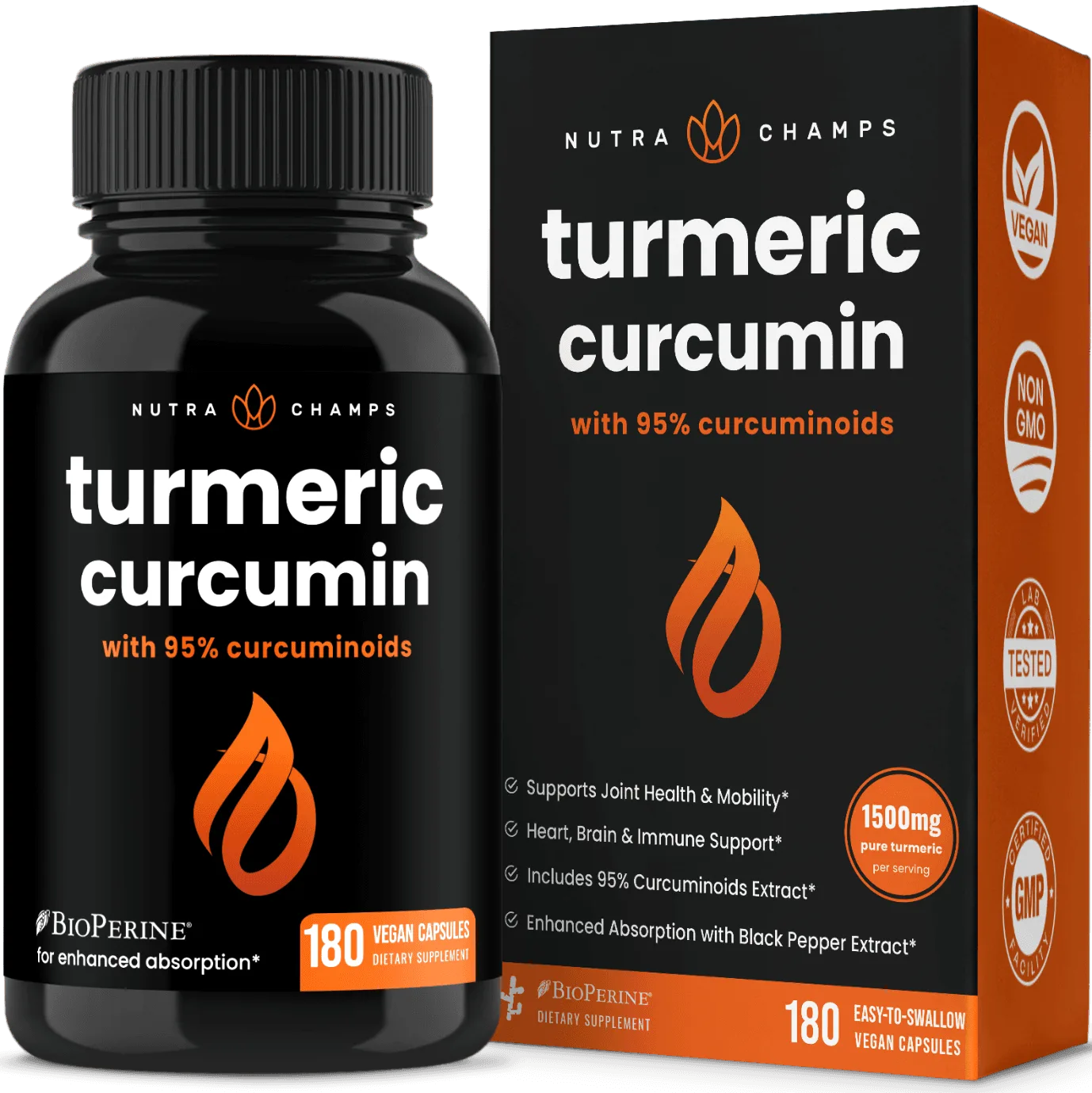
turmeric curcumin
Start with the Supplement Facts Panel
The Supplement Facts panel is your first stop. It tells you the serving size, the amount of turmeric or curcumin extract per serving, and the other ingredients included. Look for the active ingredient listed clearly—usually “Turmeric (Curcuma longa) extract” or “Curcumin.” The amount should be in milligrams (mg) per serving. A typical effective dose ranges from 500 mg to 1,000 mg of turmeric extract daily, but always follow the label’s recommended serving.
Pay attention to the serving size. Some labels list the amount per capsule, but the recommended serving might be two capsules. This can be misleading if you don’t read carefully. Always check how many capsules or tablets make up one serving so you know exactly how much you’re getting.
- Check the serving size and adjust for the number of capsules per serving.
- Look for the active ingredient amount in milligrams (mg).
Understand Turmeric Extract Percentage
The term “standardized” is key. A high-quality turmeric supplement will specify the percentage of curcuminoids—the active compounds in turmeric—in the extract. Look for a label that says “standardized to 95% curcuminoids.” This means that out of the total extract weight, 95% consists of curcuminoids, which are the beneficial compounds responsible for turmeric’s antioxidant and anti-inflammatory properties.
If the label doesn’t mention a percentage, be cautious. A whole turmeric powder supplement might contain only 2-5% curcuminoids, meaning you’d need a much larger dose to get the same effect. Always look for a standardized extract with a clear percentage, ideally 95% or higher.
- Look for “standardized to 95% curcuminoids” on the label.
- Avoid products that don’t specify the curcuminoid percentage.
Check for Black Pepper Extract (Bioperine)
Curcumin has poor bioavailability on its own, meaning your body doesn’t absorb it well. That’s why many quality supplements include black pepper extract, often listed as “Bioperine” or “piperine.” Piperine has been shown to enhance curcumin absorption by up to 2,000%. If you see it on the label, it’s a good sign.
However, if you have a sensitive stomach, you might prefer a supplement that uses a different bioavailability enhancer, like liposomal delivery or a water-dispersible form. But for most people, a supplement with bioperine is a solid choice.
- Look for “Bioperine” or “piperine” in the ingredients list.
- If you have a sensitive stomach, consider alternatives like liposomal curcumin.
Inspect the Other Ingredients
A clean label is a good sign. Check the list of other ingredients, often called “inactive ingredients.” High-quality supplements typically contain minimal fillers, binders, or artificial additives. Look for terms like “vegetable cellulose” (for capsules) or “rice flour” as acceptable fillers. Avoid products with artificial colors, sweeteners, or unnecessary preservatives.
Also, check for common allergens like soy, gluten, or dairy. If you have sensitivities, choose a product that is explicitly free from these. Many reputable brands also include certifications like non-GMO or third-party tested, which add an extra layer of trust.
- Look for a short, recognizable list of inactive ingredients.
- Avoid artificial colors, sweeteners, and unnecessary preservatives.
- Check for allergen information and third-party testing seals.
Watch Out for Red Flags
Some labels use vague terms like “proprietary blend” without disclosing the exact amount of turmeric. This can be a red flag because you won’t know how much curcumin you’re actually getting. A good label will clearly list the turmeric extract amount and percentage.
Be wary of products that make exaggerated health claims. While turmeric has many benefits, no supplement can “cure” or “treat” diseases. Look for labels that stick to factual, compliant language. Also, check the expiration date and storage instructions to ensure freshness.
- Avoid “proprietary blends” that hide the curcumin amount.
- Be cautious of unrealistic health claims.
- Check the expiration date and storage instructions.
Compare with Trusted Brands and Forms
Once you know what to look for, comparing products becomes easier. Consider the form of the supplement—capsules, tablets, or liquid drops. Each has its pros and cons. For example, liquid drops may offer faster absorption, while capsules are convenient for on-the-go use.
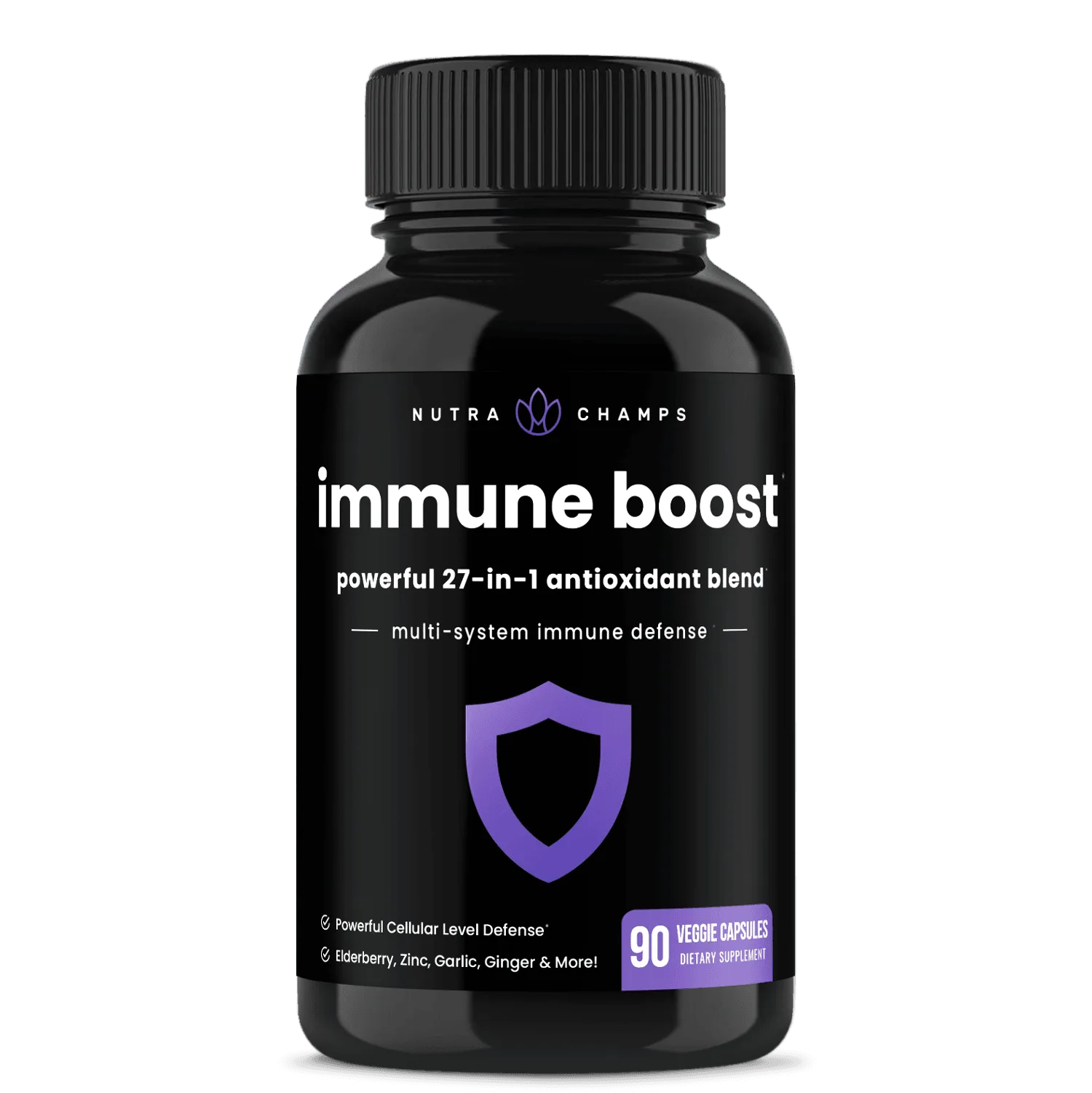
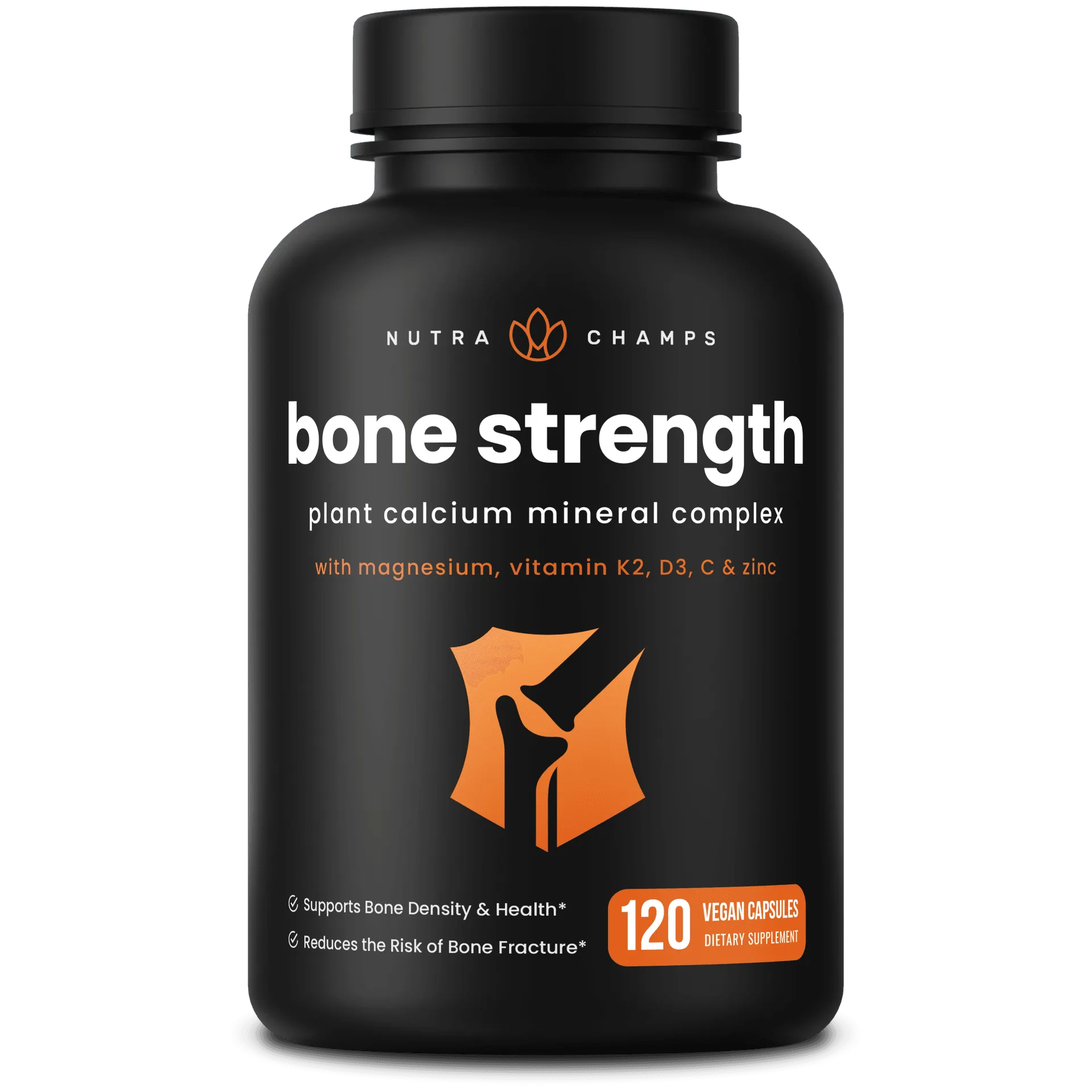
If you prefer a comprehensive approach, you might also consider combining turmeric with other supplements like Bone Strength for overall wellness, or Immune Boost to support your immune system. However, always consult your healthcare provider before adding new supplements to your routine.
- Choose a form that fits your lifestyle—capsules, tablets, or drops.
- Consider complementary supplements like Bone Strength or Immune Boost for holistic support.
Reading a turmeric curcumin supplement label doesn’t have to be intimidating. By focusing on the curcuminoid percentage, checking for black pepper extract, and scanning for clean ingredients, you can confidently choose a product that meets your needs. Remember to consult your healthcare provider if you have any underlying conditions or are taking medications. For a reliable option, consider exploring Bone Strength and Immune Boost to complement your wellness journey.