In an era where sustainability is more than a trend, recycling your perfume bottles and recharges is a meaningful way to reduce your environmental footprint. French perfume houses like 100BON are leading the charge with refillable and rechargeable options, but what happens when you're done with a bottle? This guide will walk you through the eco-friendly disposal and recycling of your fragrance containers, ensuring that your love for scent doesn't cost the earth.
From glass bottles to aluminum recharges, understanding the materials and proper disposal methods is key. Whether you're a seasoned collector or new to the world of natural perfumes, these tips will help you recycle effectively and responsibly.
Why Recycle Your Perfume Bottles?
Perfume bottles are often beautifully designed, but they're also made from valuable materials like glass, aluminum, and plastic. Recycling them conserves resources, reduces landfill waste, and lowers carbon emissions. For instance, recycling a single glass bottle saves enough energy to power a light bulb for four hours. When you choose to recycle, you're not just disposing of a container—you're contributing to a circular economy.
Moreover, many perfume brands, including 100BON, are committed to sustainability. Their rechargeable systems are designed to minimize waste, but even the recharges themselves need proper recycling. By understanding the recycling process, you can ensure that your eco-friendly choices have the maximum positive impact.
- Recycling glass reduces energy consumption by up to 30%.
- Aluminum recharges are infinitely recyclable without loss of quality.
- Proper recycling prevents harmful chemicals from leaching into the environment.
Understanding Perfume Bottle Materials
Perfume bottles come in various materials, each with its own recycling requirements. Glass is the most common and easily recyclable, but it must be separated by color. Clear, green, and brown glass are processed differently. Aluminum, used for many recharges, is also highly recyclable. Plastic pumps and caps, however, may need special handling.
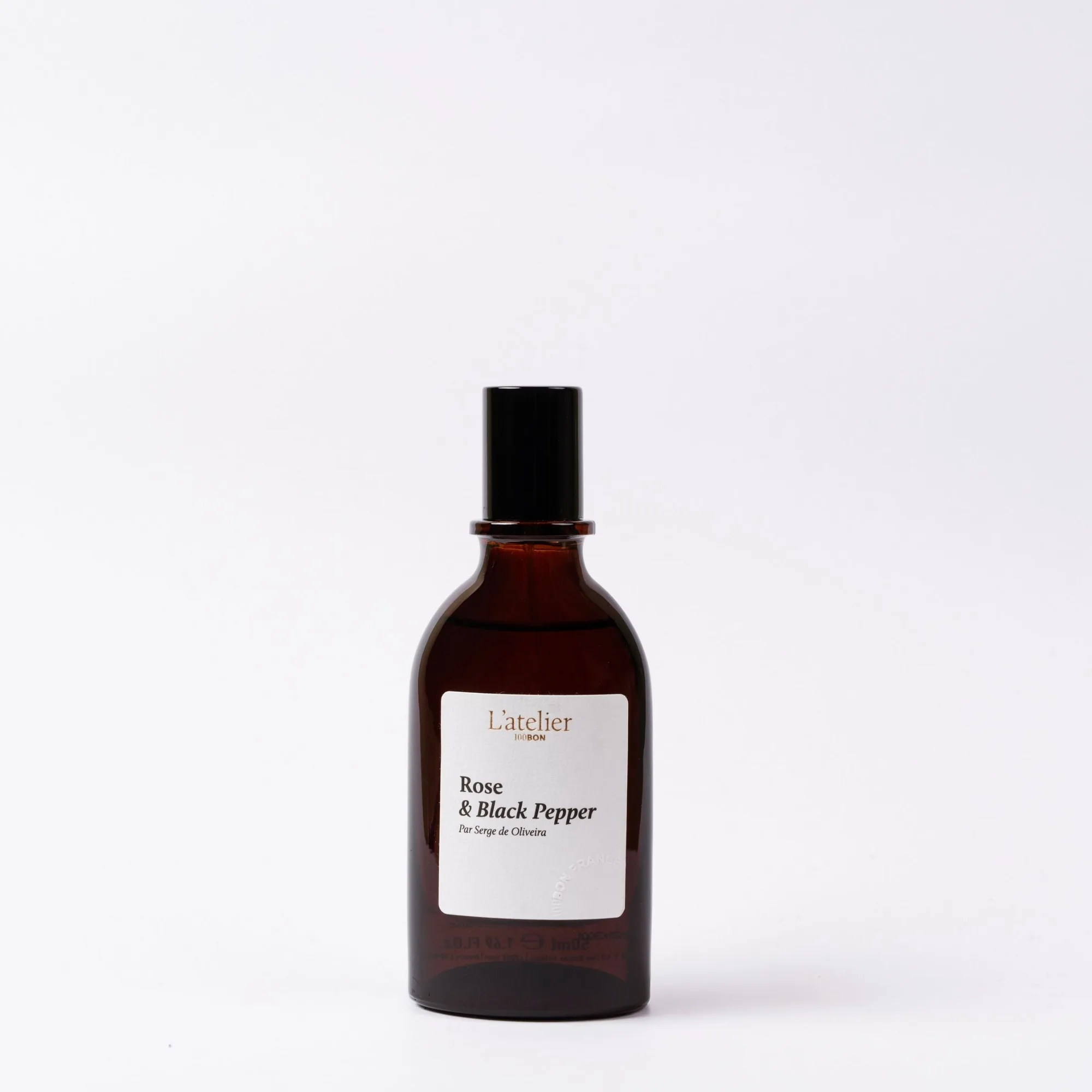
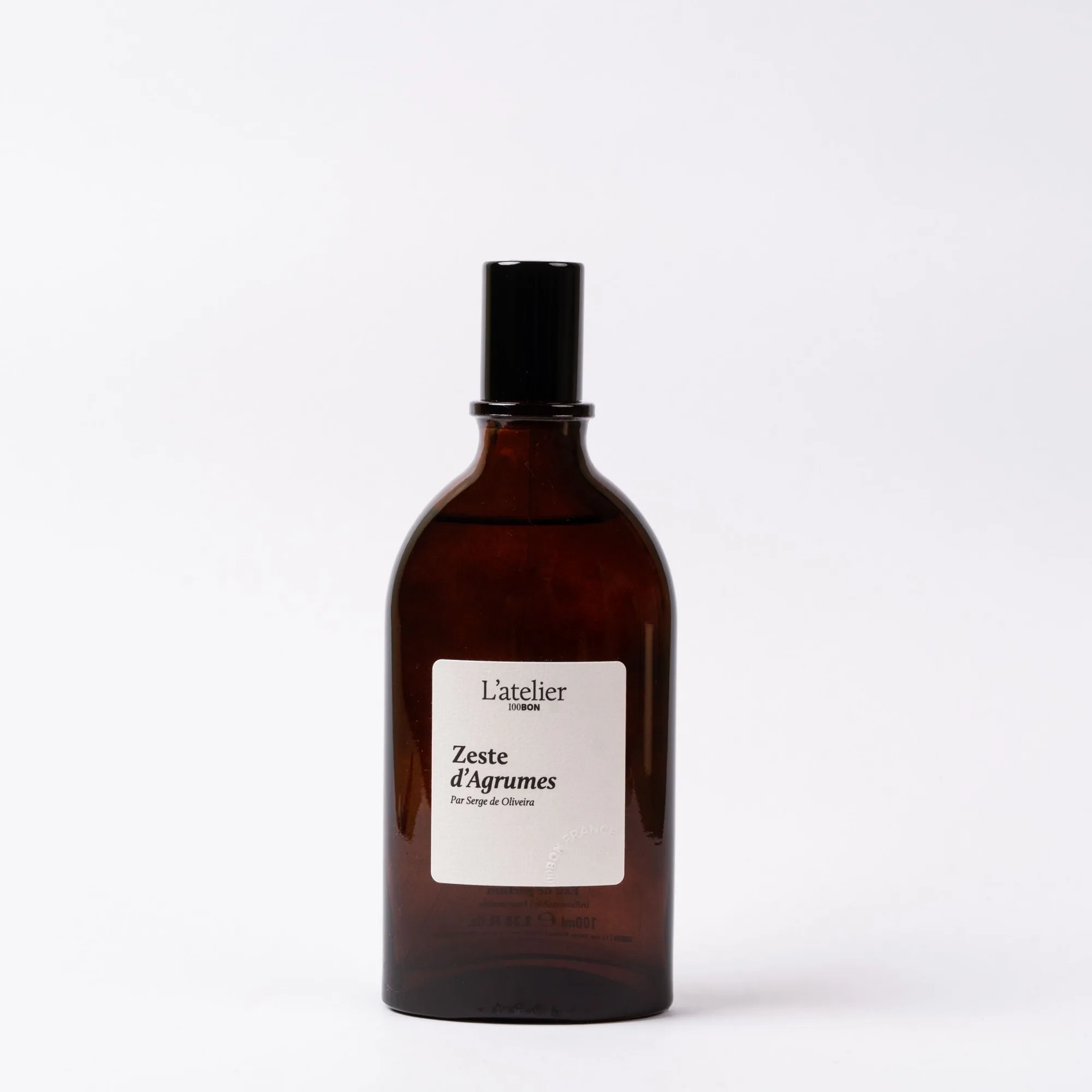
For example, 100BON's Eau de Parfum bottles, like the Rose & Black Pepper 30ml, are made from glass with a plastic or metal cap. The recharge bottles, such as the Zeste d'Agrumes recharge 150ml, are typically aluminum. Knowing what you're dealing with helps you sort correctly.
- Glass bottles: rinse and remove any residual perfume before recycling.
- Aluminum recharges: empty and rinse, then recycle with other metals.
- Plastic components: check local guidelines, as some curbside programs accept them.
Step-by-Step Guide to Recycling Perfume Bottles
Recycling your perfume bottles is easier than you think. Follow these steps to ensure your bottles are ready for the recycling bin. First, empty the bottle completely. If there's leftover perfume, you can use it or dispose of it properly—never pour it down the drain. Next, remove the cap and pump, as these are often made of different materials.
Rinse the bottle with warm water to remove any residue. For glass bottles, you can even remove the label by soaking in warm soapy water. Once clean and dry, place the glass in your recycling bin. For aluminum recharges, like the Cuir Végétal recharge 150ml, simply empty and rinse, then recycle with other metals.
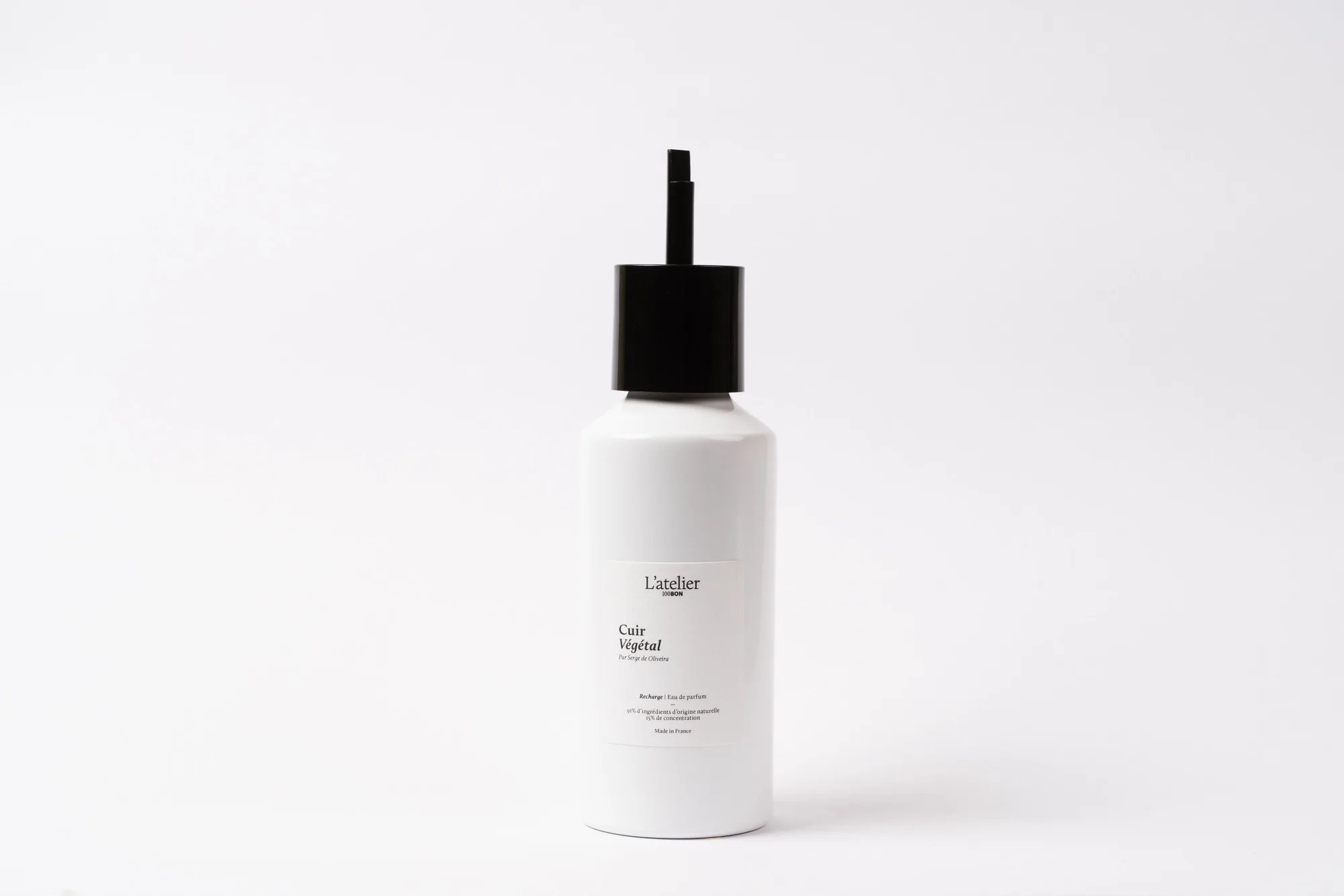
Cuir Végétal recharge 150ml
- Empty the bottle completely and dispose of any remaining perfume safely.
- Separate the cap, pump, and bottle for proper recycling.
- Rinse bottles to remove residue—this prevents contamination in the recycling stream.
Recycling Recharges: The Sustainable Choice
Rechargeable perfume systems are a game-changer for sustainability. Instead of buying a new bottle each time, you can purchase a recharge, like the Neroli & Petitgrain 50ml, and refill your existing bottle. This reduces packaging waste significantly. But what do you do with the empty recharge?
Most recharges are made of aluminum, which is infinitely recyclable. Simply empty the recharge, rinse it out, and place it in your metal recycling bin. Some brands even offer take-back programs, so check with the manufacturer for specific instructions. By recycling your recharges, you're closing the loop on a truly sustainable cycle.
- Aluminum recharges are 100% recyclable and can be turned into new products.
- Look for recycling programs offered by your perfume brand.
- Rechargeable systems reduce waste by up to 70% compared to traditional bottles.
Creative Upcycling Ideas for Perfume Bottles
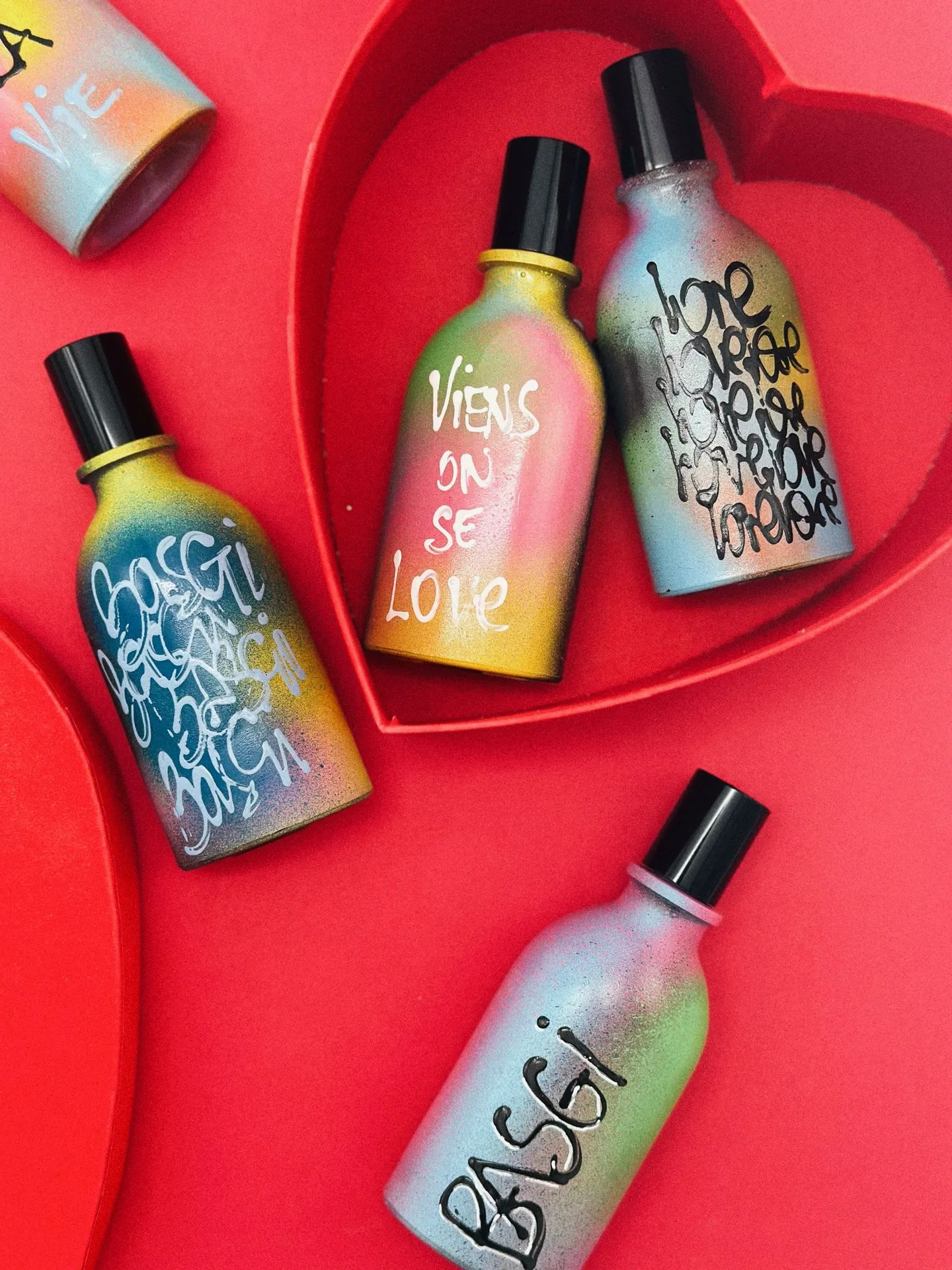
Before you recycle, consider upcycling your beautiful perfume bottles. They can be repurposed as decorative vases, diffuser reeds holders, or even jewelry storage. For instance, a sturdy glass bottle like the Golden Shadow 100ml can become a chic flower vase. With a little creativity, you can give your empty bottles a second life.
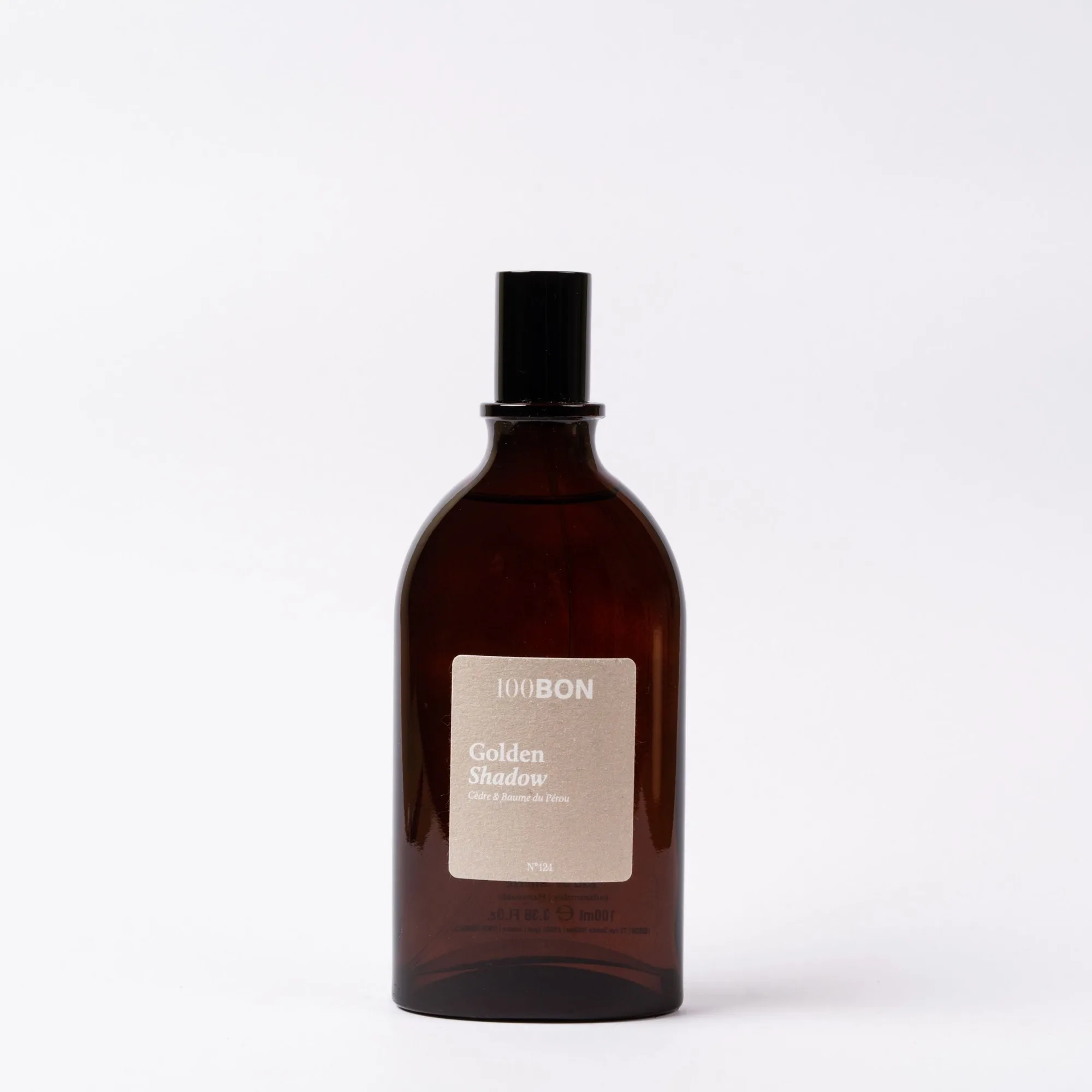
Golden Shadow 100ml
Upcycling not only reduces waste but also adds a personal touch to your home. If you're crafty, you can transform bottles into candle holders, soap dispensers, or even art pieces. The possibilities are endless, and it's a fun way to extend the life of your favorite fragrances.
- Use empty bottles as vases for fresh flowers.
- Turn them into stylish soap dispensers by adding a pump.
- Create a unique candle holder with a glass bottle and some tea lights.
100BON's Commitment to Sustainability
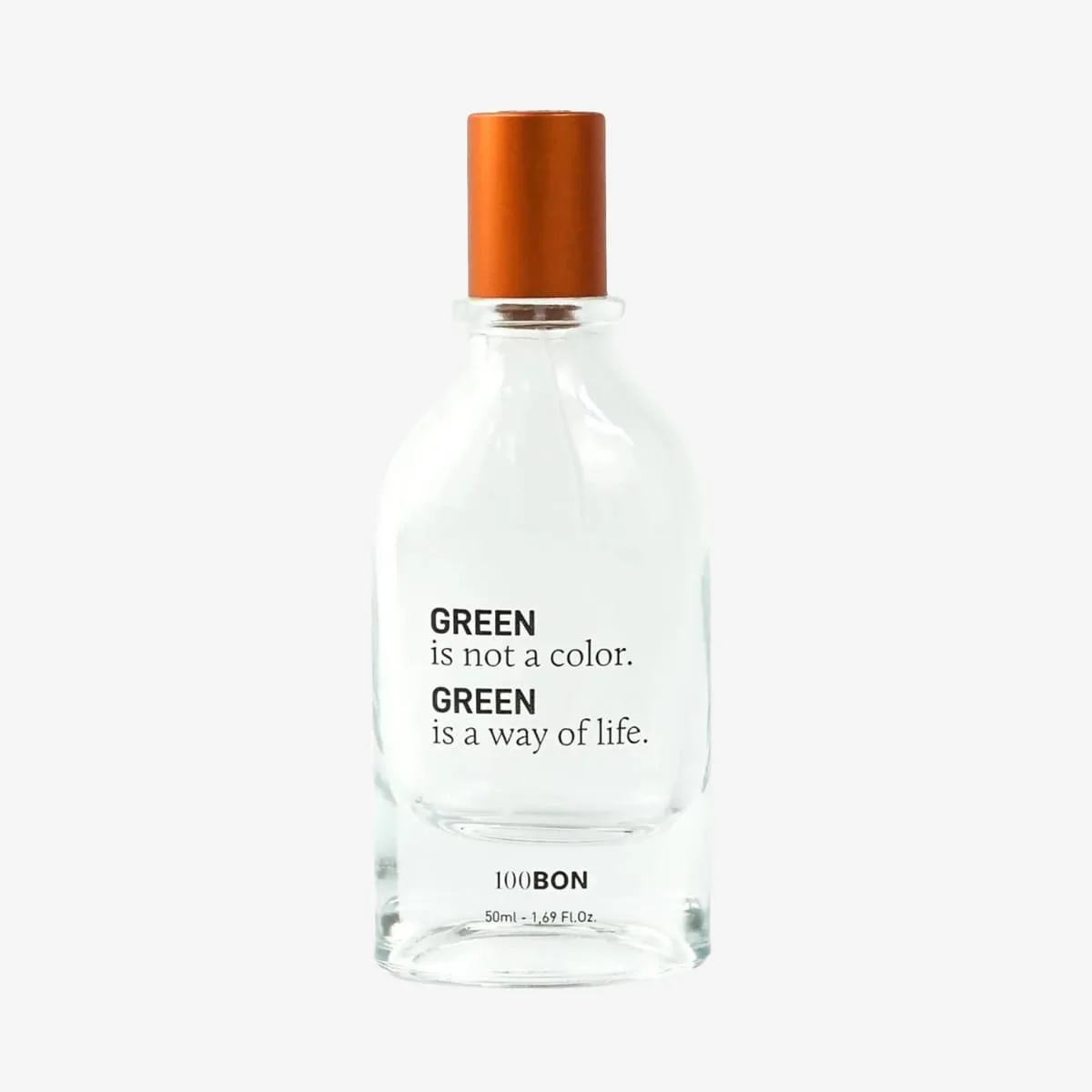
100BON is a French perfume brand that prioritizes natural ingredients and eco-friendly packaging. Their rechargeable system is designed to minimize environmental impact, and they encourage customers to recycle their bottles and recharges. By choosing 100BON, you're supporting a brand that values sustainability as much as you do.
Products like the Incense & Cuir 100ml and the Cacao & Fleur d'Oranger 100ml come in elegant glass bottles that can be easily recycled or upcycled. The brand's commitment to using natural, renewable resources extends to their packaging, making it easier for you to make eco-conscious choices.
- 100BON uses recyclable glass and aluminum in their packaging.
- Their rechargeable system reduces packaging waste by encouraging reuse.
- Natural ingredients mean fewer harmful chemicals in the environment.
Recycling your perfume bottles and recharges is a simple yet impactful way to embrace sustainability in your daily routine. By following the steps outlined above, you can ensure that your favorite fragrances leave a positive mark on the world. Explore 100BON's range of eco-friendly perfumes and recharges to start your sustainable fragrance journey today.