Quick Answer
Most shifter noise and cabin vibration comes from worn or overly compliant rubber bushings and a tired centering spring, not from the shifter mechanism itself. Replace the base bushings with solid aluminum, refresh the centering spring, and confirm the knob and boot are tight. If the noise continues after those three checks, the problem is usually inside the transmission or mounts, and bushings will not fix it.
A buzzing shifter is annoying in a way that is hard to ignore. It shows up at a specific rpm, disappears when you rest a hand on the knob, and makes the whole cabin feel cheaper than it is. The good news is that most of it traces back to a small number of parts that are easy to inspect.
This guide separates the symptom from the cause so you can stop guessing. You will get a short diagnostic path, the parts that actually change the feel, and a clear point where you should stop buying bushings and look somewhere else.
Start With the Symptom, Not the Parts List
Before ordering anything, pin down when the noise happens. A rattle at idle that vanishes above 2,000 rpm usually points to a loose knob, boot collar, or a heat shield touching the linkage. A buzz that appears only under load in a narrow rpm band is more often compliance in the rubber base bushings letting the shifter assembly move with the engine.
A vibration you feel through the knob at all times, even at a stop, is different again. That is often the centering spring or the cable bushings transmitting movement that the original rubber used to absorb. Write down the rpm, the gear, and whether the noise changes when you press or pull the knob. That single note will save you from buying the wrong part.
- Rest a hand on the knob while the noise happens. If it stops, the issue is at or above the knob.
- Check the boot collar and retaining ring for play before assuming bushings are worn.
- Note the exact rpm range. A narrow band suggests compliance; a constant buzz suggests something loose.
The Usual Suspects: Base Bushings and Centering Springs
On most Hondas and Acuras, the OEM shifter base bushings are made from highly compliant rubber. Thanks to leverage, even a small amount of that compliance turns into visible movement at the knob, and movement is what you hear. Replacing them with solid aluminum removes that flex and tightens the whole assembly.
The centering spring is the second common source. As it ages, the shifter stops returning to center with authority and starts feeling vague, which owners often describe as noise because the mechanism is moving around instead of settling. A stiffer spring restores that centering action and reduces the wandering that produces buzz.
- Inspect base bushings for cracks, deformation, or shiny wear marks where the assembly has been moving.
- Test centering by releasing the shifter from a gear. It should snap back to the neutral gate without hesitation.
- Replace both if you are already under the console. Doing one and not the other means a second teardown later.
Match the Fix to the Cause
If your diagnosis points to compliance, solid base bushings are the highest-value change. If the shifter feels vague rather than noisy, a centering spring upgrade addresses the root cause. If the noise is a light rattle from the knob itself, a heavier knob or a thread check is the cheaper answer.
Bundle kits exist for a reason. When base bushings, cable bushings, and a centering spring are all original, replacing one at a time rarely satisfies anyone because the remaining rubber still moves. A single kit that covers the common wear points is usually less work and less money than three separate orders.
- Compliance noise: start with base bushings.
- Vague centering: start with the centering spring.
- Light rattle at the knob: check threads, then consider a heavier knob.
When to Stop and Look Elsewhere
Bushings cannot fix everything. If the noise remains after base bushings, a centering spring, and a tightened knob, the source is likely outside the shifter. Worn engine or transmission mounts, a loose exhaust heat shield, or internal transmission wear all produce similar symptoms and will not respond to shifter parts.
Stop and reassess if the noise changes with clutch engagement, if it appears in only one gear, or if it is accompanied by grinding or difficulty engaging gears. Those point to the gearbox or clutch, not the shifter assembly. Spending more on bushings at that stage is money that will not change what you hear.
- Noise tied to one gear only: suspect the transmission, not the shifter.
- Noise that changes with clutch pedal position: inspect the clutch and release system.
- Noise unchanged after bushings and spring: check mounts and heat shields next.
Shifter Noise Diagnosis Cheat Sheet
- Buzz at a narrow rpm band under load: Compliance in the rubber base bushings is letting the shifter assembly move with the engine. Replace base bushings with solid aluminum and recheck.
- Vague centering and wandering feel: The centering spring has lost tension and no longer returns the shifter firmly to neutral. Upgrade the centering spring before buying anything else.
- Light rattle that stops when you hold the knob: The knob, boot collar, or retaining ring is loose rather than the bushings being worn. Tighten and check threads first. This is a free fix.
- Noise unchanged after bushings and spring: The source is likely mounts, heat shields, or the transmission itself. Stop buying shifter parts and inspect those areas instead.
Parts That Address the Common Causes
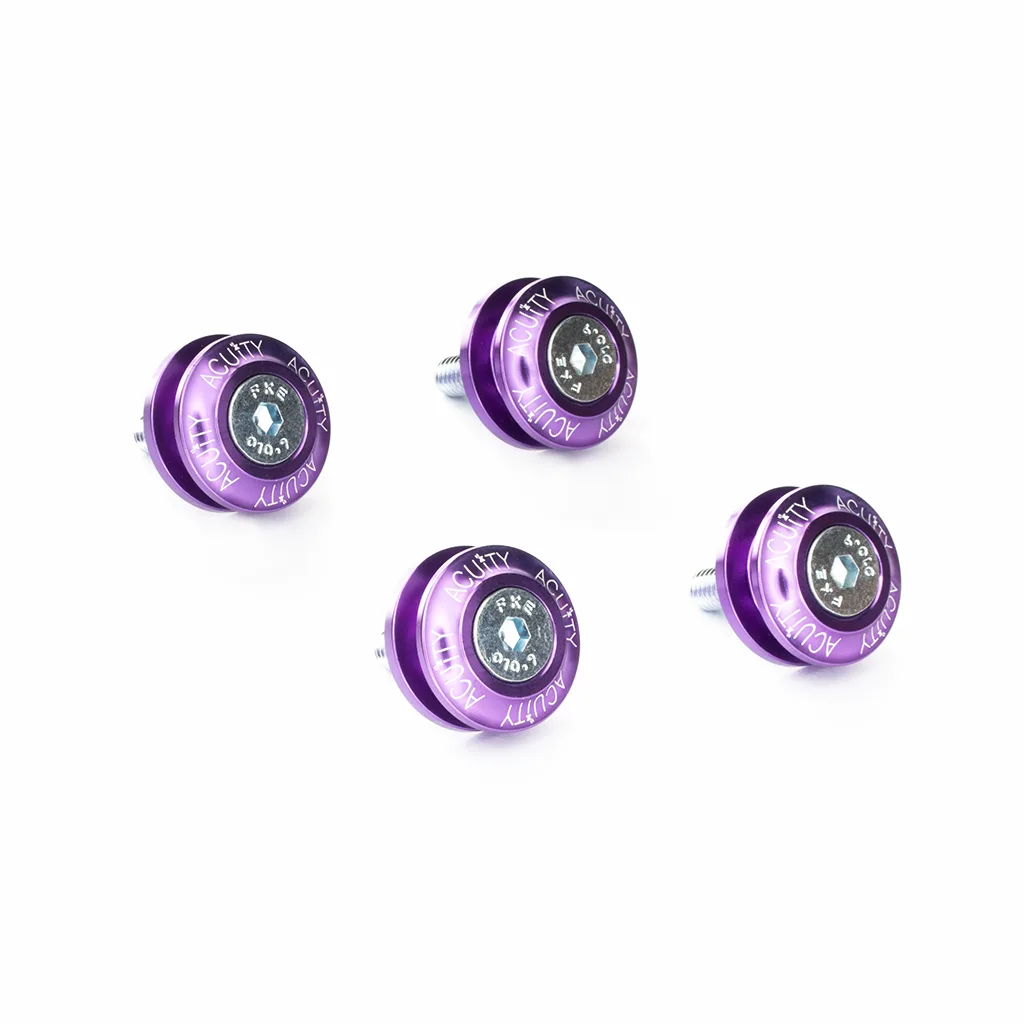
- 1914 Shifter Base Bushings: Reduces compliance by replacing the OEM rubber bushings with solid aluminum, and includes four upper bushings, four lower bushings, and four class 12.9 M6 mounting bolts. Solid aluminum removes the flex that lets the shifter assembly move and buzz under load, and the included hardware means you are not reusing stretched original bolts.
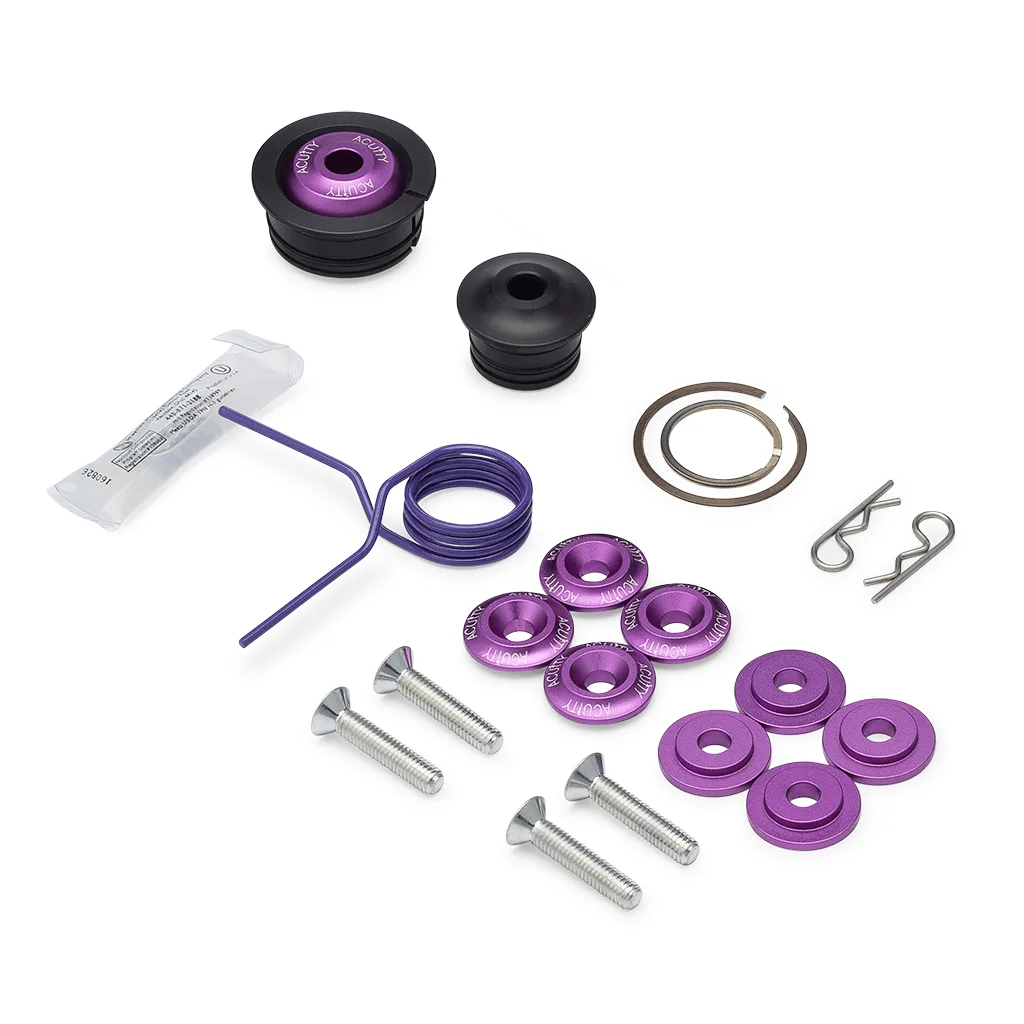
- Shifter Centering Spring Upgrade for the 11th Gen Civic & 5th Gen Integra: Increases centering force on the OEM shifter by approximately 50% and includes a grease packet and a grooveless retaining ring for installation. A stiffer spring settles the shifter back into the neutral gate instead of letting it wander, which reduces the vague feel owners often mistake for noise.
- 10th Gen Civic Stage 1 Shift Kit: Couples compliance-reducing shifter base bushings with spherical shifter cable bushings and an upgraded centering spring. If several original rubber parts are worn, addressing them in one kit avoids repeat teardowns and covers the most common sources of shifter movement together.
Shifter noise is usually a compliance problem, and compliance problems have a short list of fixes. Diagnose the symptom first, replace the worn rubber and tired spring, and stop when the evidence points somewhere else. That approach keeps the cabin quiet without turning the console into a revolving parts list.