Quick Answer
To keep your tactical water backpack in top shape, always use clean water, refill it carefully to avoid spills, and clean the bladder regularly with a mild cleaning solution. Proper maintenance prevents mold, odors, and leaks, ensuring your gear lasts for years.
Why Proper Hydration Bladder Cleaning Matters
A tactical water backpack is an essential piece of gear for hiking, training, or outdoor missions, but if you neglect cleaning, bacteria and mold can build up inside the bladder. This not only affects the taste of your water but can also pose health risks. Regular cleaning—ideally after every use—keeps your hydration system safe and extends the life of your backpack.
Unlike a standard water bottle, a hydration bladder has a tube and mouthpiece that require special attention. Residue can accumulate in these hard-to-reach areas, so a thorough cleaning routine is necessary. By following a consistent maintenance schedule, you avoid costly replacements and ensure your gear is always ready for your next adventure.
Choosing the Right Cleaning Supplies
You don't need specialized products to clean your tactical water backpack. A mild dish soap, a soft sponge or bottle brush, and warm water are usually sufficient. Avoid using abrasive cleaners or bleach, as they can damage the bladder material and leave harmful residues.
For a deeper clean, you can use a solution of baking soda and water to neutralize odors, or a commercial hydration pack cleaner that is safe for food-contact surfaces. Always rinse thoroughly after cleaning to ensure no soap or cleaning agent remains.
Step-by-Step Refill and Maintenance Process
- Empty and rinse the bladder: After each use, empty any remaining water and rinse the bladder with clean water. This removes loose debris and prevents stale water from sitting in the reservoir. Checkpoint: Always empty the bladder before storing to avoid mold growth.
- Clean with mild soap and warm water: Fill the bladder with warm water and a few drops of mild dish soap. Use a soft brush to scrub the interior, paying special attention to the corners and seams. Rinse thoroughly until no soap remains. Checkpoint: Never use bleach or harsh chemicals—they can damage the bladder and leave toxic residues.
- Clean the tube and mouthpiece: Detach the tube and mouthpiece if possible. Use a small brush or pipe cleaner to scrub the inside of the tube. Soak the mouthpiece in warm soapy water, then rinse well. Checkpoint: A clean tube ensures a fresh taste and prevents bacteria buildup in hard-to-reach areas.
- Dry completely before storage: After cleaning, hang the bladder upside down with the cap open and allow it to air dry completely. Ensure the tube is also dry. Store the bladder in a cool, dry place. Checkpoint: Storing a damp bladder can lead to mold and mildew—always dry thoroughly.
- Refill with fresh water before use: When you're ready to use your backpack, fill the bladder with clean, potable water. Avoid overfilling to prevent spills and ensure the cap seals properly. Check for any leaks before heading out. Checkpoint: Always use fresh water and inspect the bladder for cracks or wear before each trip.
Recommended Gear for Hydration and Outdoor Use
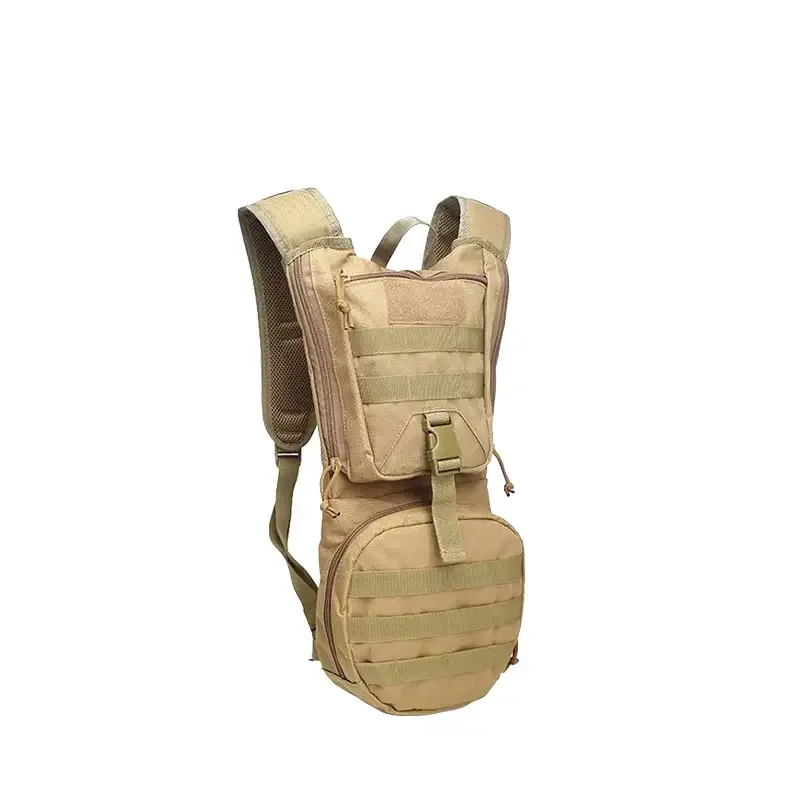
- Tactical Water Backpack: Stay hydrated and mission-ready with our tactical water backpack. Durable, MOLLE-compatible, and perfect for hiking, training, or outdoor adventures. This backpack is built to withstand rugged use, and its MOLLE compatibility lets you attach extra pouches for easy access to cleaning supplies or other essentials.